 EN
How to Reduce Film Waste with a Premade Pouch Packaging Machine?
2026/09/20
Premade Pouch Machines: Reduce Film Waste, Cut TCO & Achieve Faster ROI

2026/09/28
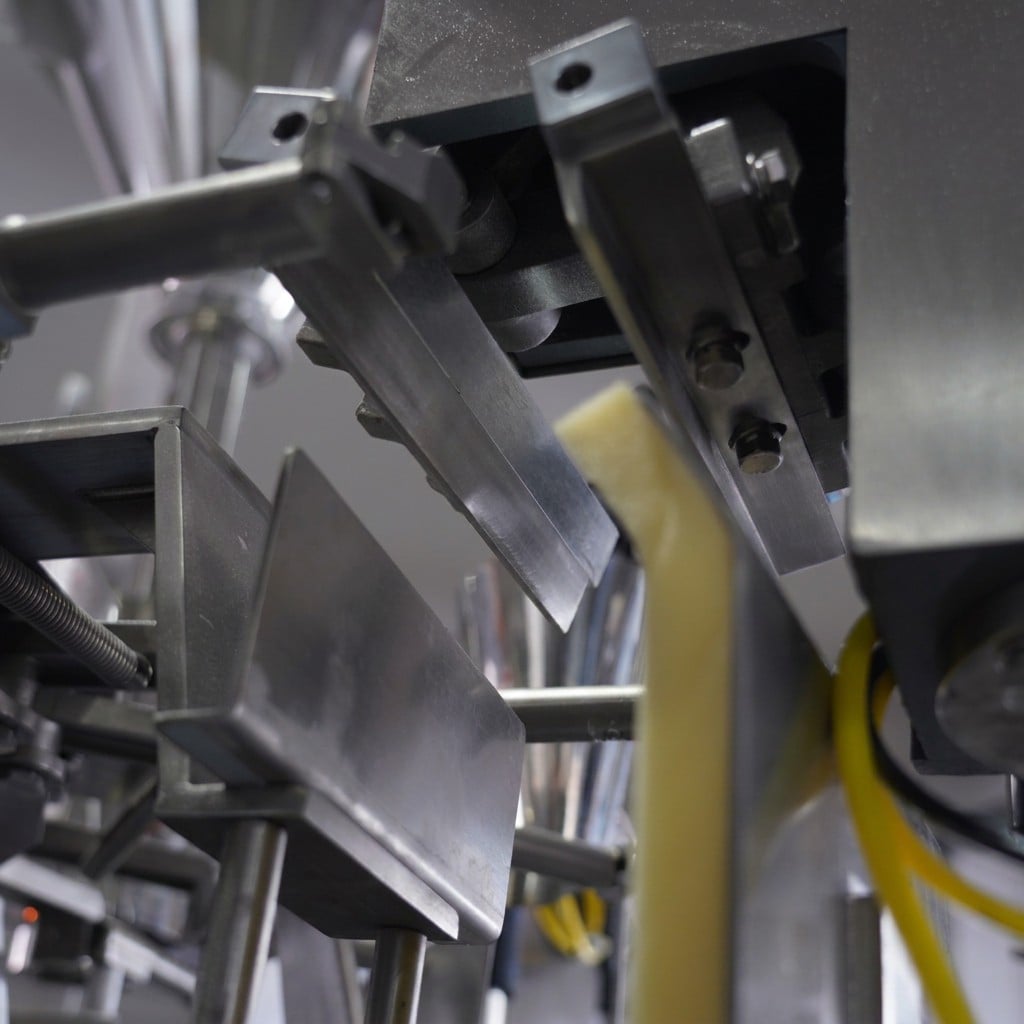
Integrating a rotary vacuum packaging machine with weighers represents a critical advancement in modern food and product packaging operations. This integration creates a seamless workflow that combines precise weight measurement with reliable vacuum sealing, eliminating manual handoffs and reducing errors that commonly occur in multi-stage packaging processes. When your rotary vacuum packaging machine works in tandem with weighing systems, the result is improved throughput, consistent portion control, and enhanced product quality that directly impacts customer satisfaction and regulatory compliance.
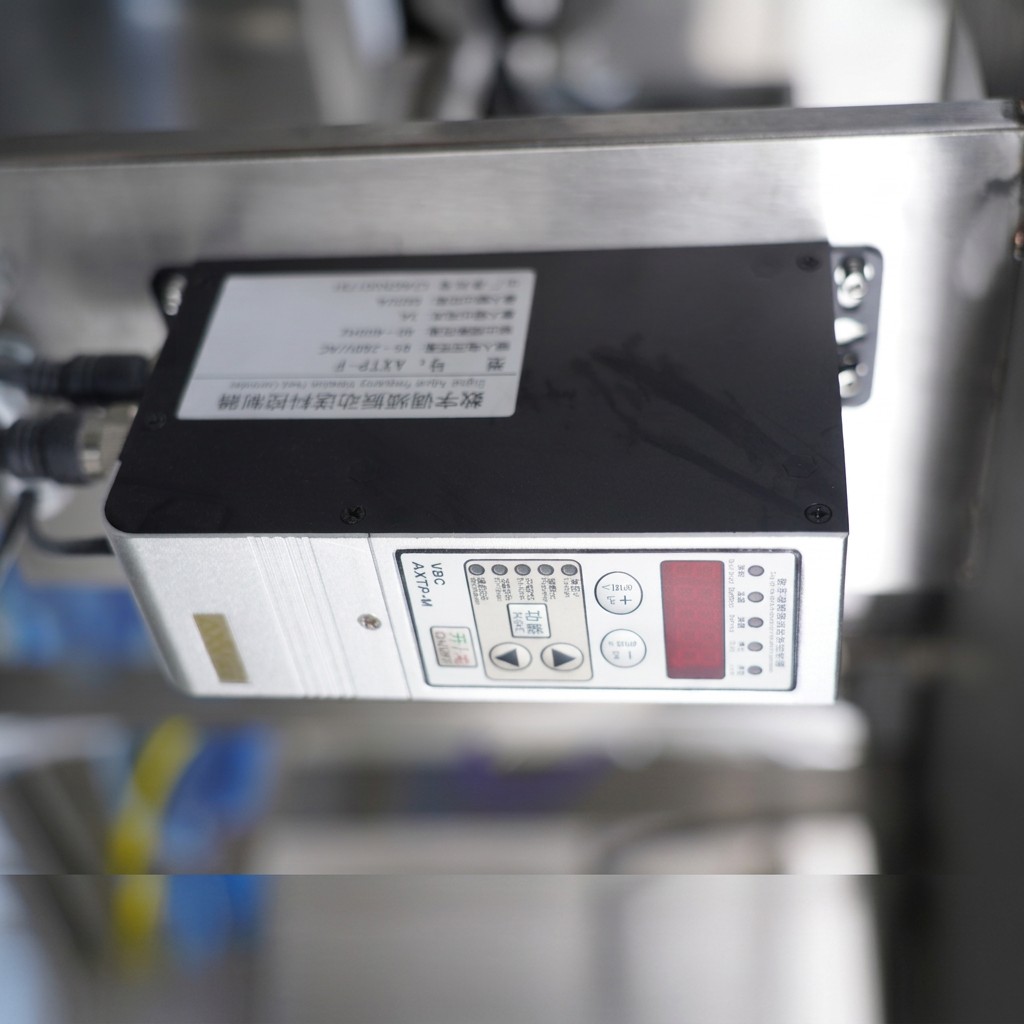
The foundation of successful rotary vacuum packaging machine integration begins with proper hardware connectivity. Modern rotary vacuum packaging machine equipment typically communicates with weighers through analog signals, digital interfaces, or networked protocols such as Ethernet or serial connections. The rotary vacuum packaging machine must receive weight data in real time, allowing its control system to trigger sealing cycles only when the product weight falls within acceptable parameters. Establishing this communication requires compatible connectors, proper shielding to prevent signal interference, and clear documentation of pin configurations and data formats specific to your rotary vacuum packaging machine model.
The control logic governing your rotary vacuum packaging machine must be programmed to execute conditional sealing operations based on weight feedback. When a product reaches acceptable weight as confirmed by the weigher, the rotary vacuum packaging machine control system receives a trigger signal that initiates the vacuum and sealing cycle. This rotary vacuum packaging machine logic flow includes tolerance bands, reject mechanisms for out-of-spec items, and alarming protocols that alert operators to persistent issues. The sophistication of your rotary vacuum packaging machine programming directly determines how effectively the integrated system maintains both speed and accuracy.
Advanced rotary vacuum packaging machine systems now incorporate predictive logic that adjusts filling time or product feed rates based on historical weight data. This machine learning capability allows your rotary vacuum packaging machine to anticipate variations and make micro-adjustments before they result in rejections. Commissioning your rotary vacuum packaging machine with these predictive features requires baseline data collection, calibration of the weigher interface, and validation testing across representative product batches to ensure the rotary vacuum packaging machine responds correctly under real operating conditions.
Before connecting your rotary vacuum packaging machine to weighers, conduct a thorough assessment of both systems' technical specifications. Review the rotary vacuum packaging machine manual to identify available communication ports, supported data protocols, and control input requirements. Document the weigher's output format, refresh rate, and accuracy specifications to ensure the rotary vacuum packaging machine can operate reliably with that precision level. This planning phase prevents costly mistakes such as selecting incompatible equipment or discovering that your rotary vacuum packaging machine lacks the necessary interfacing capability after purchase.
Installing your rotary vacuum packaging machine alongside weighers requires precise calibration of both the rotary vacuum packaging machine vacuum parameters and the weigher's sensitivity. The rotary vacuum packaging machine vacuum duration, pressure levels, and sealing temperature must be adjusted to match the integrated workflow, ensuring that sealing occurs immediately after weight confirmation without delaying the rotary vacuum packaging machine cycle unnecessarily. Calibration also includes setting tolerance ranges within the rotary vacuum packaging machine control system that define acceptable weight variation, rejection thresholds, and alert triggers.
Test the integrated rotary vacuum packaging machine system extensively using dummy products and known weights before processing actual inventory. This validation phase verifies that the rotary vacuum packaging machine responds correctly to all weigher signals, rejects out-of-spec items consistently, and maintains seal quality under integrated operation. Document all calibration parameters, communication settings, and control logic for the rotary vacuum packaging machine to support future troubleshooting and provide a baseline for performance monitoring. Successful rotary vacuum packaging machine calibration significantly reduces startup delays and prevents product quality issues during initial production runs.
Once your rotary vacuum packaging machine is integrated and producing packages, establish ongoing monitoring protocols that track weight accuracy, rejection rates, and cycle times. The rotary vacuum packaging machine data logger or plant management system should record each transaction, allowing supervisors to identify trends such as gradual drift in fill weights or increasing rejection percentages. Regular analysis of this rotary vacuum packaging machine performance data enables predictive maintenance, helping prevent equipment failure before it impacts production. Benchmark your rotary vacuum packaging machine performance against historical baselines to detect subtle changes that indicate calibration drift or mechanical wear.
Optimize your rotary vacuum packaging machine cycle time by fine-tuning the timing sequence between weigher signal and sealing initiation. A rotary vacuum packaging machine that responds too quickly may seal prematurely, while delayed response reduces throughput. Advanced rotary vacuum packaging machine controllers offer adjustable delay parameters that accommodate variations in product settling time and signal propagation. Systematic testing of your rotary vacuum packaging machine response timing, combined with operator feedback, identifies the sweet spot that maximizes both speed and accuracy for your specific product category.
Communication failures between your rotary vacuum packaging machine and weighers typically stem from cable damage, connector corrosion, or software configuration errors. When troubleshooting a rotary vacuum packaging machine integration issue, verify physical connections first, then use diagnostic tools to confirm signal transmission. The rotary vacuum packaging machine display or controller usually indicates communication status, allowing operators to isolate whether problems originate in hardware or software. Documenting these rotary vacuum packaging machine troubleshooting episodes creates institutional knowledge that accelerates future problem resolution.
Product rejection issues often indicate that your rotary vacuum packaging machine tolerance bands are too narrow or that weigher calibration has drifted. Recalibrating the weigher against certified reference weights resolves most accuracy problems, while adjusting the rotary vacuum packaging machine software tolerance parameters accommodates inherent product variation. If your rotary vacuum packaging machine consistently rejects a high percentage of products, review the fill process itself—problems may originate upstream, affecting how much weight reaches the rotary vacuum packaging machine rather than any fault in the packaging equipment. Comprehensive diagnostics of the entire rotary vacuum packaging machine production chain prevent unnecessary adjustments and identify root causes quickly.
Most rotary vacuum packaging machine equipment supports multiple communication standards including analog 4-20mA signal transmission, discrete digital signals via relay contacts, and modern networked protocols such as Modbus, Profibus, or Ethernet. Your specific rotary vacuum packaging machine model determines which protocols are available, so consulting the technical manual is essential before selecting weighing equipment. Some facilities integrate legacy rotary vacuum packaging machine systems that support only analog signals, while newer rotary vacuum packaging machine installations benefit from higher-speed digital communication that enables more responsive, data-rich integration with weighers and other production equipment.
The integration timeline for a rotary vacuum packaging machine depends on system complexity, site preparation, and equipment compatibility. Simple installations of a rotary vacuum packaging machine may require only one to two days of commissioning, while complex integrated systems involving rotary vacuum packaging machine software customization, extensive cabling, and multiple production line connections might span one to two weeks. Most facilities schedule rotary vacuum packaging machine integration during planned maintenance windows to minimize production impact. Working with experienced technicians who understand your specific rotary vacuum packaging machine model accelerates the integration process and reduces unexpected complications that extend downtime.
Retrofitting an older rotary vacuum packaging machine to integrate with weighers is often possible but depends on the control system sophistication and available interface ports. Modern retrofit kits and upgrade modules can add communication capability to some rotary vacuum packaging machine models, though not all equipment manufacturers support retrofitting older units. Consulting with your rotary vacuum packaging machine supplier or authorized technician determines whether retrofitting is cost-effective compared to upgrading to a newer rotary vacuum packaging machine system that includes integrated weigher connectivity from the factory. New rotary vacuum packaging machine installations typically offer superior performance and longer equipment lifespan compared to retrofitted legacy systems.

2026/09/20
Premade Pouch Machines: Reduce Film Waste, Cut TCO & Achieve Faster ROI

2026/09/20
Cut Premade Pouch Machine Changeover Time by 40% with Proven Best Practices

2026/09/20
Premade Pouch Machines: Boost Throughput, Cut Waste & Improve ROI

2026/09/20
Rotary vs Inline Premade Pouch Machines: Speed, ROI & Scalability Compared

2026/09/20
Premade Pouch Machine: Boost Throughput, Cut Labor Costs & Improve Seal Integrity

2026/09/21
Premade Pouch Machine: Pouch Types, Materials & Filling Guide

