 EN
How to Reduce Film Waste with a Premade Pouch Packaging Machine?
2026/09/20
Premade Pouch Machines: Reduce Film Waste, Cut TCO & Achieve Faster ROI

2026/10/27
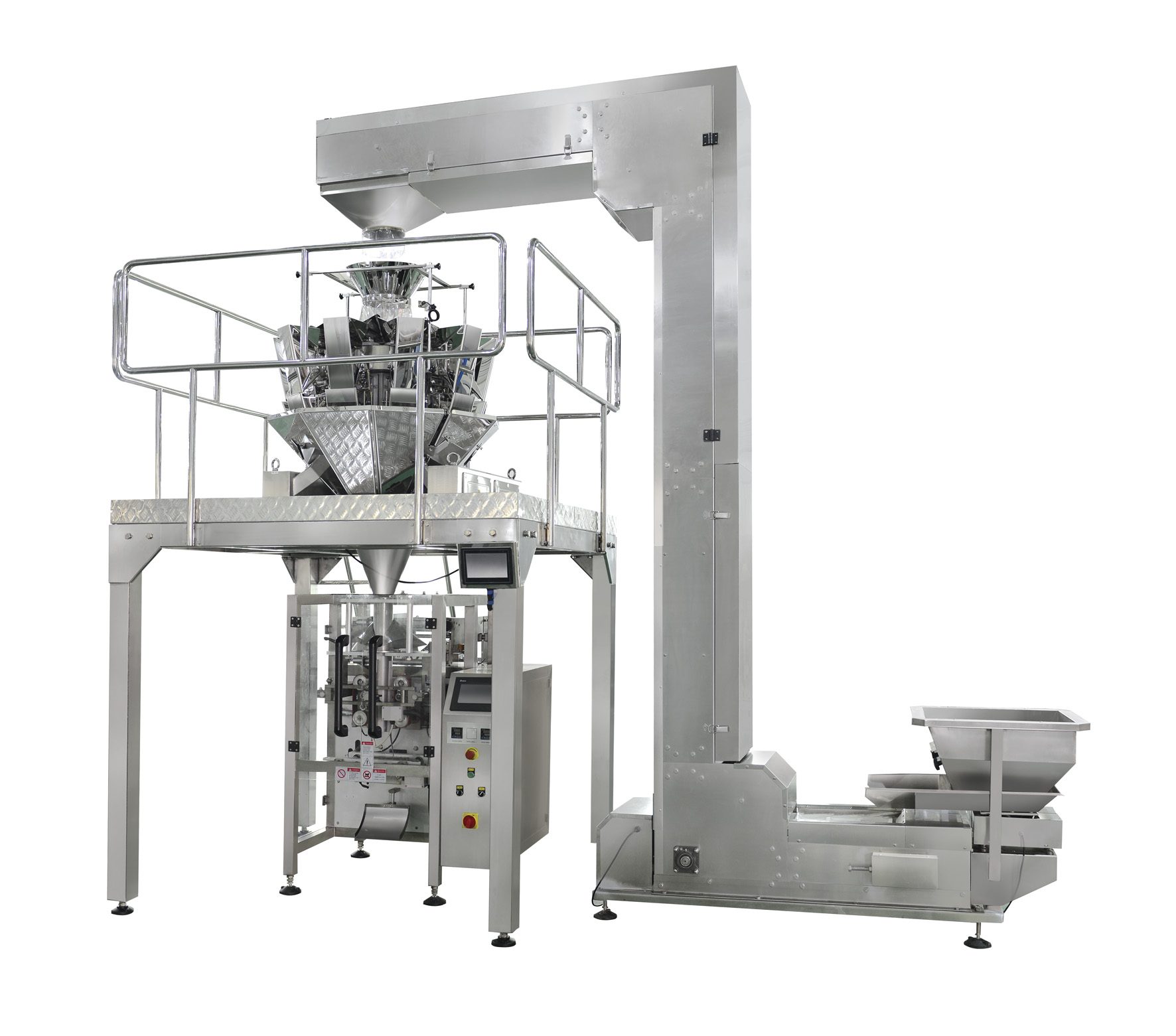
A vertical form fill seal machine combined with an auger filler represents one of the most efficient packaging solutions available in modern manufacturing environments. Understanding how to properly integrate these two systems is essential for maximizing production output, ensuring product consistency, and reducing operational downtime. The vertical form fill seal machine creates bags from roll stock while simultaneously filling them with precise product quantities, and when paired with an auger filler, this combination delivers exceptional accuracy and speed. This integration transforms your packaging workflow into a seamless, automated process that meets the demands of competitive industrial markets.
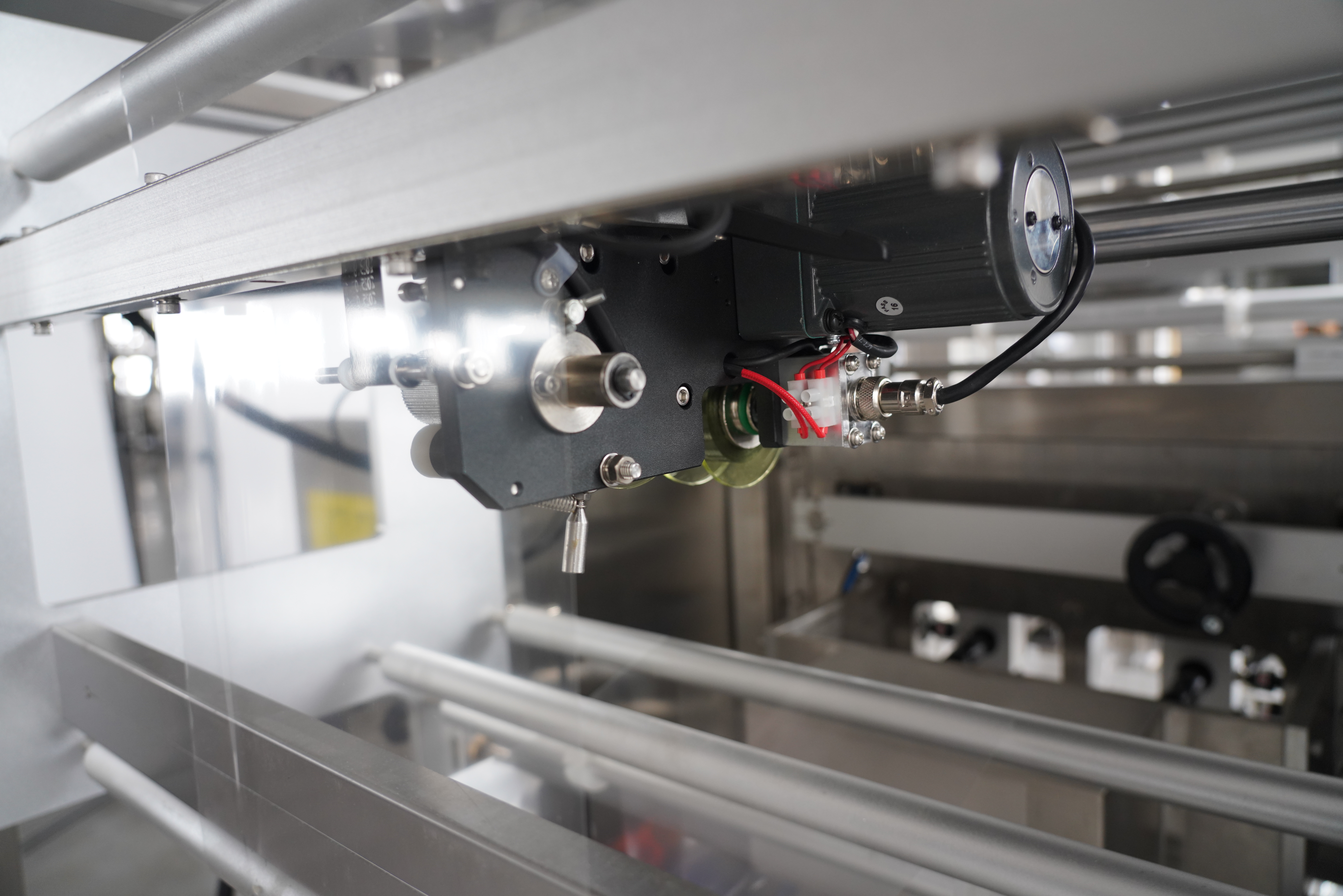
Integrating a vertical form fill seal machine with an auger filler requires careful attention to mechanical alignment, electrical coordination, and material flow management. The auger filler component precisely meters powdered, granular, or particulate materials into bags formed by the vertical form fill seal machine, ensuring consistent fill weights and minimizing product waste. This integration approach is particularly valuable for companies packaging flour, sugar, spices, coffee, dry ingredients, and similar bulk materials where accuracy and speed directly impact profitability and customer satisfaction.
The foundation of successful integration lies in understanding how each component functions within the larger system. A vertical form fill seal machine operates by drawing flexible film from a roll, forming it into a tube shape, and creating seals along the sides and bottom. The auger filler sits above or directly feeds into the open tube created by the vertical form fill seal machine, dispensing precise product quantities at precisely controlled intervals. When the bag reaches the correct fill weight, the auger stops dispensing, and the vertical form fill seal machine completes the top seal, creating a finished package. This synchronization between components is critical—timing misalignment can result in underfilled bags, overfilled bags, or product spillage.
Proper physical integration of the auger filler with your vertical form fill seal machine begins with precise mechanical alignment. The auger filler discharge outlet must align vertically with the center of the forming tube created by the vertical form fill seal machine, ensuring product falls directly into the bag without hitting the film edges. Misalignment can cause friction, wear, bag damage, or inconsistent filling patterns. Most manufacturers mount the auger filler on an adjustable frame that allows horizontal and vertical positioning before final installation. The vertical form fill seal machine and auger filler should share a common base or be connected through rigid support structures that minimize vibration transfer. Additionally, the discharge chute from the auger filler should be designed to prevent bridging, rat-holing, or material stagnation that could disrupt consistent flow into bags formed by the vertical form fill seal machine.
Modern vertical form fill seal machine systems include programmable logic controllers (PLCs) that coordinate every operation, and integrating an auger filler requires seamless signal communication between these systems. The auger filler motor receives a start command from the vertical form fill seal machine control system when the bag is properly positioned and ready for filling. Position sensors on the vertical form fill seal machine detect when the film tube is centered and a new bag is ready, triggering the auger filler to begin rotation. Weight sensors or timer-based controls on the auger filler monitor fill progress—when the target weight is reached, the auger stops dispensing and signals the vertical form fill seal machine to proceed with top sealing. This electrical handshake must be reliable, repeatable, and fast enough to maintain production speeds typically ranging from 20 to 60 bags per minute depending on your vertical form fill seal machine model.
Advanced sensor integration transforms a basic vertical form fill seal machine and auger filler combination into an intelligent, self-monitoring system. Weight sensors beneath the fill station verify that each bag receives the correct product quantity—if a bag is underfilled or overfilled beyond acceptable tolerances, the system alerts operators or automatically rejects the package. Proximity sensors detect the arrival of new bags at the fill station, preventing premature auger activation and material waste. Temperature sensors on the sealing elements of the vertical form fill seal machine ensure consistent seal quality by adjusting heat based on film type and speed. Vibration sensors can detect mechanical wear or misalignment in the auger filler before it causes quality problems. These sensors communicate with the central control panel of the vertical form fill seal machine, creating a comprehensive feedback loop that enables real-time adjustments and predictive maintenance alerts.
The hopper feeding your auger filler significantly impacts the reliability of the entire vertical form fill seal machine and filler combination. A well-designed hopper should provide consistent, uninterrupted material flow without bridging, arching, or segregation that could cause the auger to spin without dispensing product. Conical or V-shaped hoppers generally outperform flat-bottom designs, as the sloped walls naturally encourage material to flow toward the auger inlet. When integrating an auger filler with your vertical form fill seal machine, ensure the hopper capacity matches your production speed—a hopper that refills too frequently creates downtime, while one that empties too quickly risks air introduction into the discharge stream. Vibrators installed on the hopper walls help prevent bridging in cohesive materials like flour or powdered sugar, maintaining the consistent output that a vertical form fill seal machine requires for optimal performance.
The type of flexible film used in your vertical form fill seal machine directly affects how effectively the auger filler integrates with the overall system. Polyethylene, polypropylene, aluminum foil laminates, and other film materials have different melting points, flexibility characteristics, and compatibility with moisture and oils in your product. When selecting film for integration with an auger filler, confirm that the material can withstand the abrasion caused by product flow during filling without tearing or creating dust. The sealing temperatures, dwell times, and pressure settings on the vertical form fill seal machine must be calibrated for your specific film choice—incorrect settings can produce weak seals that burst during filling or handling, or create heat damage that compromises film integrity. Testing various film options with your auger filler configuration before full production ensures reliable, consistent results from your integrated vertical form fill seal machine system.
Most integrated systems combining a vertical form fill seal machine with an auger filler require a footprint of approximately 8 to 12 feet in length and 4 to 6 feet in width, depending on hopper size and film roll storage. The height can range from 7 to 10 feet including the hopper and film roll stands. Before installation, consult your equipment manufacturer's specifications to verify exact space needs for your vertical form fill seal machine model, and ensure adequate clearance for maintenance access and material loading.
Weight sensor calibration on a vertical form fill seal machine integrated with an auger filler should occur at minimum monthly, or more frequently if production runs exceed 500,000 bags per month. Regular calibration ensures accurate fill weights and helps maintain regulatory compliance for products subject to net weight standards. Many manufacturers recommend a full calibration after every 200,000 to 300,000 bags, or whenever fill consistency drifts beyond acceptable tolerance bands set in your vertical form fill seal machine control software.
Yes, most modern vertical form fill seal machine systems are designed with modular architecture that allows quick conversion between auger filler and cup filler configurations. This flexibility enables manufacturers to package different product categories without purchasing separate equipment. Changing from an auger filler to a cup filler typically requires disconnecting the auger motor, replacing the discharge assembly, and reprogramming the control signals on the vertical form fill seal machine. Conversion usually takes 1 to 2 hours, allowing efficient production of multiple product lines on a single vertical form fill seal machine throughout the week.

2026/09/20
Premade Pouch Machines: Reduce Film Waste, Cut TCO & Achieve Faster ROI

2026/09/20
Cut Premade Pouch Machine Changeover Time by 40% with Proven Best Practices

2026/09/20
Premade Pouch Machines: Boost Throughput, Cut Waste & Improve ROI

2026/09/20
Rotary vs Inline Premade Pouch Machines: Speed, ROI & Scalability Compared

2026/09/20
Premade Pouch Machine: Boost Throughput, Cut Labor Costs & Improve Seal Integrity

2026/09/21
Premade Pouch Machine: Pouch Types, Materials & Filling Guide

