 EN
How to Reduce Film Waste with a Premade Pouch Packaging Machine?
2026/09/20
Premade Pouch Machines: Reduce Film Waste, Cut TCO & Achieve Faster ROI

2026/09/29
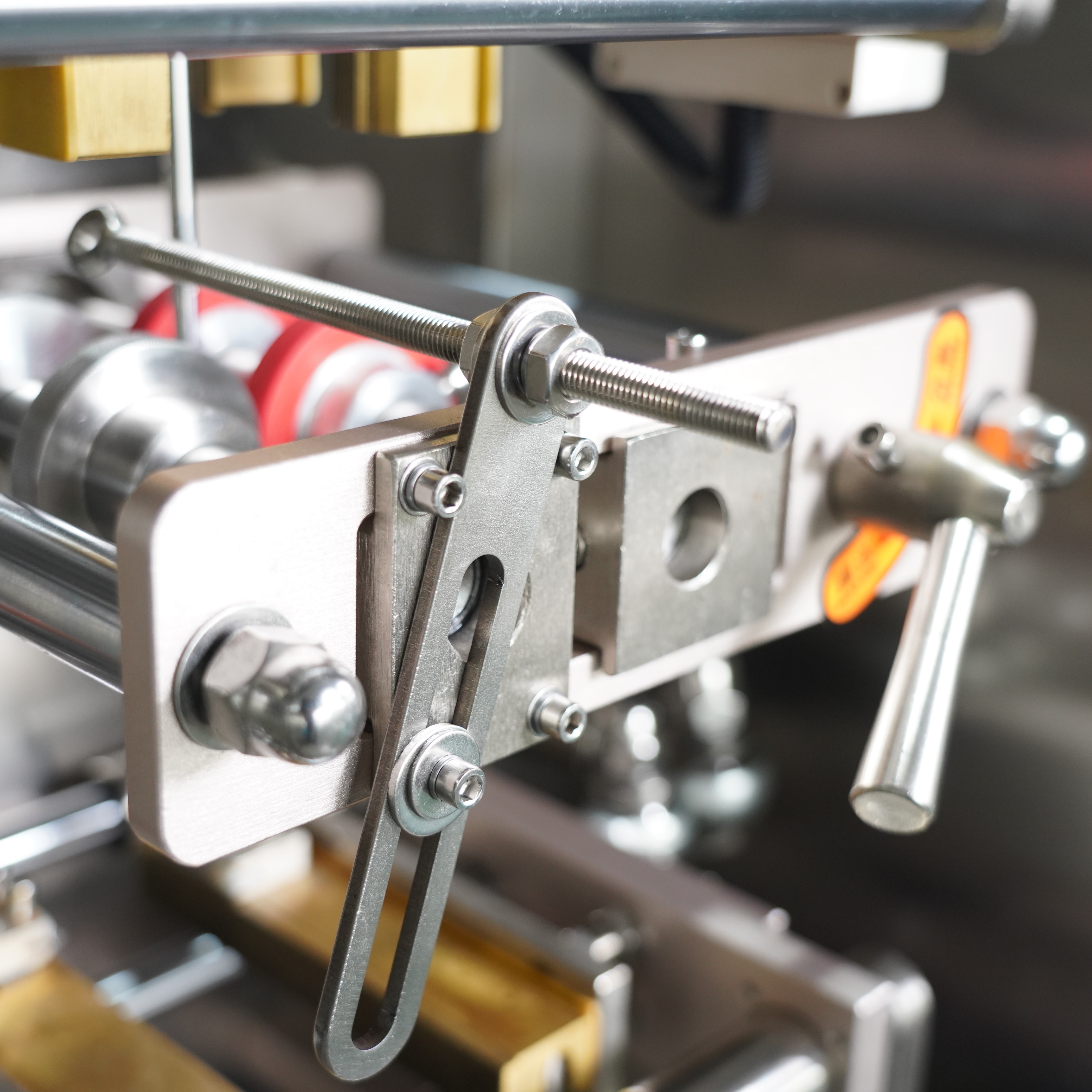
Integrating a vertical packaging machine with a weigher is essential for modern food, pharmaceutical, and industrial packaging operations. This integration ensures that products are accurately weighed before being sealed into packages, reducing waste, maintaining consistency, and meeting regulatory compliance standards. A well-integrated vertical packaging machine with weigher functionality creates a seamless production workflow that improves efficiency and product quality while minimizing human error and material loss.
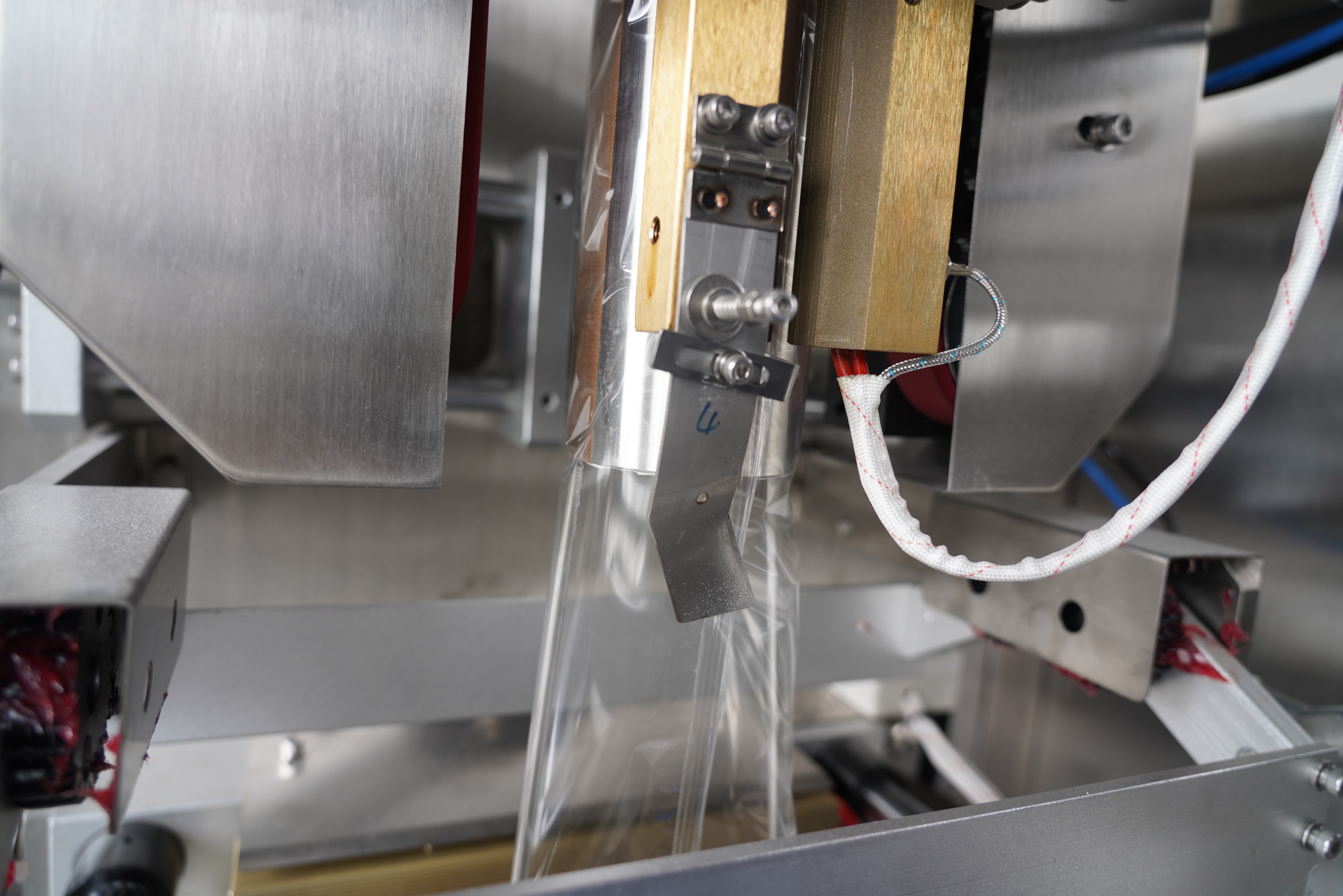
The integration process involves connecting the weighing system to the vertical packaging machine's control unit, configuring communication protocols, and calibrating precise weight detection thresholds. Understanding the technical requirements, installation procedures, and optimization strategies is crucial for achieving reliable performance. This guide walks you through the complete integration process, covering hardware setup, software configuration, troubleshooting, and best practices for maintaining optimal performance in high-speed production environments.
A vertical packaging machine is designed to form, fill, and seal packages in a vertical orientation, commonly used for powders, granules, liquids, and small solid products. When equipped with an integrated weigher or connected to an external weighing system, the vertical packaging machine becomes capable of precisely portioning products before sealing. The weigher continuously measures the product being fed into each package, sending real-time signals to the machine's PLC (Programmable Logic Controller) to stop dispensing when the target weight is reached, ensuring consistency across every package produced.
Integrating a weigher with your vertical packaging machine dramatically improves production accuracy and reduces operational costs. Without integration, manual weighing or unreliable fill levels lead to product giveaway, customer complaints, and potential regulatory violations. An integrated vertical packaging machine system enables automated weight verification, faster cycle times, reduced material waste, and compliance with strict weight regulations across food, chemical, and pharmaceutical industries. This integration also provides data logging capabilities, allowing manufacturers to track production metrics and maintain traceability for quality assurance purposes.
Choosing the right weigher for your vertical packaging machine is critical to successful integration. Weight ranges, accuracy levels, and response times must match your specific product and production speed requirements. Most modern vertical packaging machine systems work with load cells, belt scales, or hopper scales that communicate via analog signals or digital protocols such as CANbus, Modbus, or Ethernet. Before purchasing, verify that the weigher's output interface is compatible with your vertical packaging machine's control panel, and confirm that the weigher can handle your product's flow rate and bulk density without creating bottlenecks in the production line.
Proper physical placement of the weigher directly above or below the fill hopper ensures accurate product measurement as it enters each package. The vertical packaging machine's hopper design must allow smooth product flow to the weigher without bridging, compaction, or segregation that could cause weight inconsistencies. Install vibrators or agitators if needed to maintain steady product flow through the weigher and into the vertical packaging machine's forming tubes. Secure all mounting hardware with vibration-damping components to minimize external vibrations that could affect the weigher's accuracy, and ensure the complete vertical packaging machine assembly remains stable during high-speed operation.
Most vertical packaging machine systems require configuration of communication parameters to enable the weigher to send weight data to the machine's control unit. Access your vertical packaging machine's programming interface and establish the correct baud rate, data format, and signal timing to match your weigher's specifications. Configure tolerance bands so that the vertical packaging machine stops feeding when the measured weight approaches your target, allowing for slight overshoot tolerance. Test all communication signals before production to ensure the weigher reading updates in real-time on the machine's display and that fill-stop commands are executed immediately when weight thresholds are reached.
Calibrating your vertical packaging machine weigher system requires standardized test weights and careful documentation of calibration points. Perform zero-point calibration first to ensure the scale reads zero with no product present, then apply known reference weights to verify accuracy across your entire operating range. Most vertical packaging machine operators should calibrate weighers weekly or when changing product types, as density variations affect accuracy even when weight targets remain constant. Document all calibration results, including date, calibrator name, and any adjustments made, creating a maintenance record that supports compliance audits and quality investigations.
After calibration, adjust your vertical packaging machine's fill speed to optimize cycle time while maintaining weight accuracy. Faster product flow increases production output but may introduce overshoot errors if the weigher cannot respond quickly enough. Work incrementally by adjusting the fill rate in small increments and monitoring the first fifty packages to verify weight consistency within acceptable tolerance ranges. Most manufacturers allow a tolerance of plus or minus one percent around the target weight, so configure your vertical packaging machine control unit to trigger alerts when packages fall outside this band, prompting operator intervention before material waste accumulates.
If your vertical packaging machine displays fluctuating weight readings or gradual drift from calibration targets, begin by checking the weigher for product buildup, moisture, or electrical noise interference. Clean the weigher load cells and verify all cable connections between the weigher and the vertical packaging machine control panel are secure and not damaged. Environmental factors such as temperature changes or excessive vibration from nearby machinery can affect weigher accuracy, so ensure your vertical packaging machine operates in a climate-controlled environment with proper vibration isolation. If drift persists after cleaning and recalibration, the weigher may require professional servicing or replacement.
When the vertical packaging machine fails to respond to weigher signals or displays communication errors, verify that all cable connections are properly seated and that no software updates have altered compatibility between devices. Restart the vertical packaging machine's control unit and check that the weigher's power supply is providing stable voltage as specified in the equipment manual. Diagnostic software or test mode functions within your vertical packaging machine's control interface can help identify whether the issue originates from the weigher, the cable connection, or the PLC input module itself. Contact your equipment manufacturer's technical support if the problem persists after these basic troubleshooting steps.
Different product types require specific adjustments to your vertical packaging machine weigher integration because density, particle size, and moisture content affect measurement consistency. Cohesive products like fine powders may not flow smoothly through the weigher, necessitating the addition of flow agents or vibration enhancement to your vertical packaging machine hopper. For liquid or viscous products, the weigher may require different sensor types or response times than those used for solid products, so consult your equipment documentation before changing product lines. Always conduct test runs with new products at slow speeds first, gradually increasing the vertical packaging machine fill rate only after confirming consistent weight accuracy across multiple packages.
Most regulatory standards and customer requirements allow a tolerance of plus or minus one percent around the target weight, though some industries demand tighter tolerances of plus or minus 0.5 percent. Your vertical packaging machine weigher system should be capable of maintaining these tolerances consistently throughout production runs. If your weigher cannot consistently achieve the required tolerance, it may indicate that the equipment is not suitable for your application or requires professional recalibration and adjustment.
Industry best practices recommend calibrating your vertical packaging machine weigher at least weekly, or whenever you change product types, make major equipment modifications, or notice weight inconsistencies in packaged products. Some manufacturers with strict compliance requirements calibrate daily before starting production shifts. Maintain detailed calibration records as documentation for regulatory audits and quality control investigations.
Yes, many existing vertical packaging machine models can be retrofitted with weigher systems, though compatibility and technical feasibility depend on your specific machine design and control system. Consult with your vertical packaging machine manufacturer or an authorized equipment integrator to determine whether retrofit options are available and what modifications may be required to your machine's hopper, control panel, and electrical systems.

2026/09/20
Premade Pouch Machines: Reduce Film Waste, Cut TCO & Achieve Faster ROI

2026/09/20
Cut Premade Pouch Machine Changeover Time by 40% with Proven Best Practices

2026/09/20
Premade Pouch Machines: Boost Throughput, Cut Waste & Improve ROI

2026/09/20
Rotary vs Inline Premade Pouch Machines: Speed, ROI & Scalability Compared

2026/09/20
Premade Pouch Machine: Boost Throughput, Cut Labor Costs & Improve Seal Integrity

2026/09/21
Premade Pouch Machine: Pouch Types, Materials & Filling Guide

