 EN
How to Reduce Film Waste with a Premade Pouch Packaging Machine?
2026/09/20
Premade Pouch Machines: Reduce Film Waste, Cut TCO & Achieve Faster ROI

2026/10/24
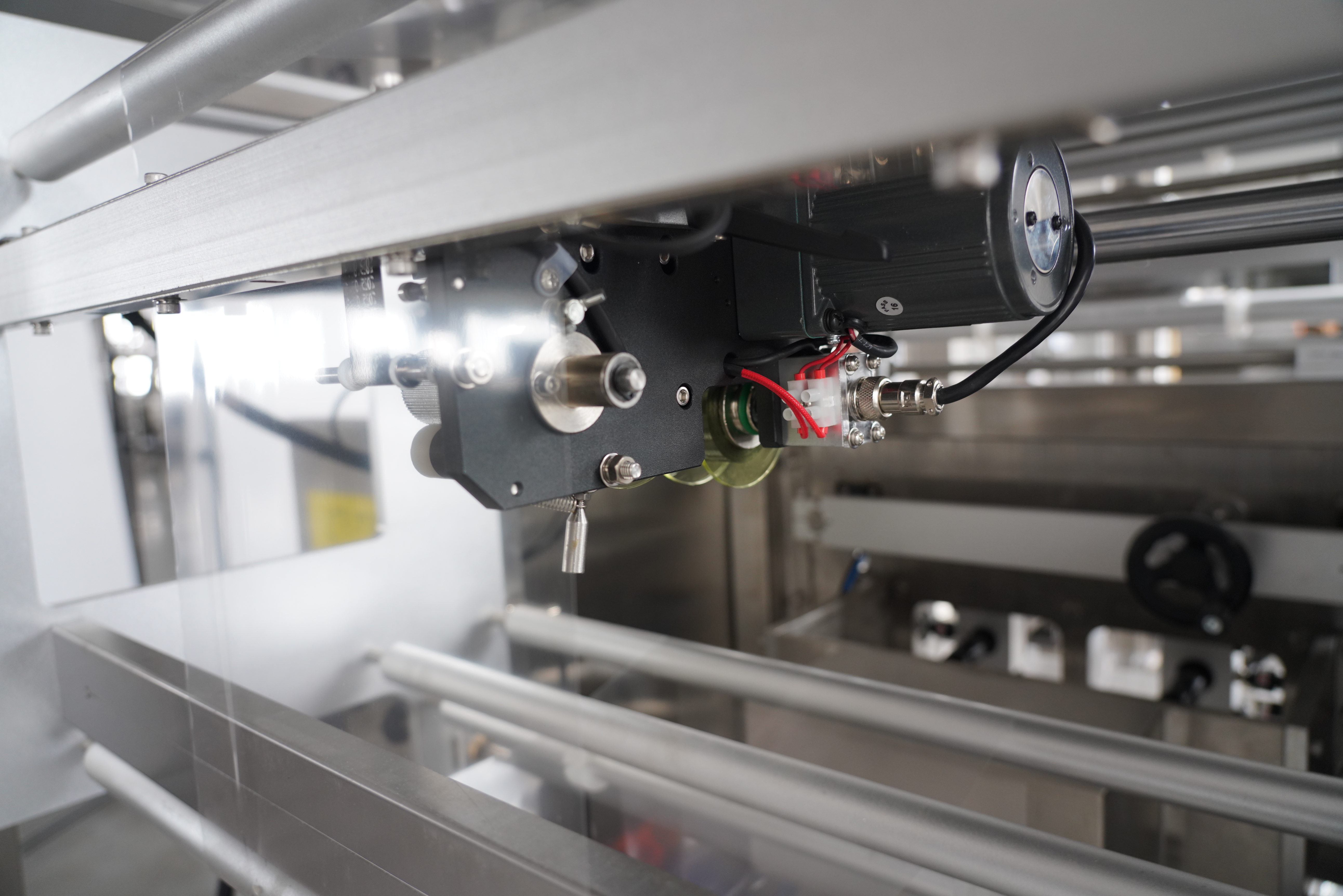
Integrating a vffs machine with a multihead weigher is a critical optimization in modern packaging operations. The vffs machine, or vertical form fill seal system, represents the backbone of high-speed packaging lines across food, pharmaceutical, and industrial sectors. When combined with precision weighing technology, a vffs machine can dramatically improve accuracy, throughput, and operational efficiency. This integration transforms product handling by automating the measurement and packaging workflow, reducing manual touchpoints, and minimizing waste. Understanding how to properly connect and calibrate these two systems ensures your vffs machine delivers consistent results while meeting strict regulatory compliance standards.
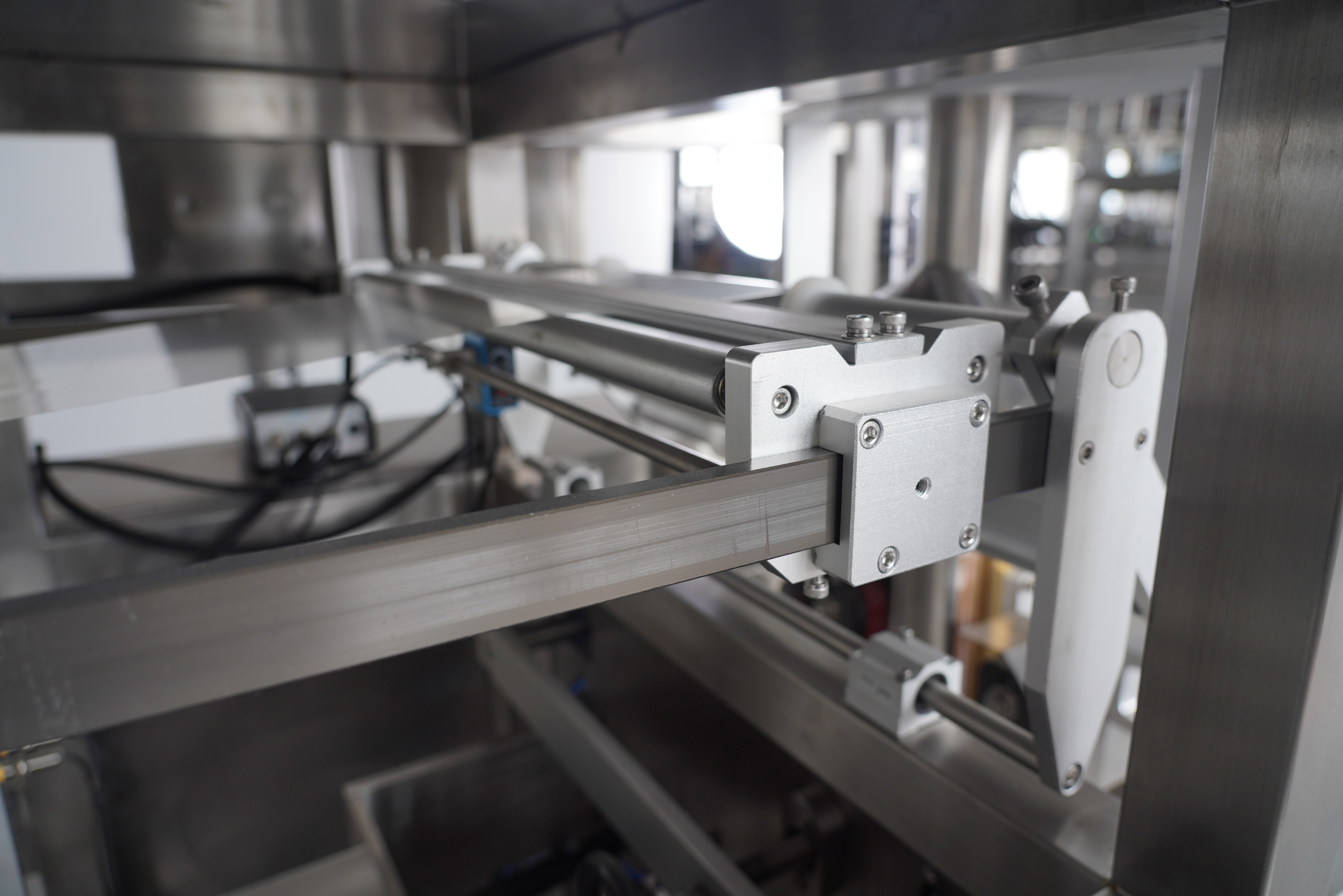
The integration of a vffs machine with a multihead weigher creates a seamless production flow where portioning accuracy and packaging speed work in perfect harmony. A multihead weigher measures and dispenses product into the forming pocket of the vffs machine, which then seals and cuts the film into finished packages. This synchronized operation eliminates bottlenecks, reduces product giveaway, and ensures consistent net weights across every package. For companies operating high-volume lines, this integration becomes essential to maintaining competitive margins and meeting consumer expectations for quality.
A vffs machine creates packages by drawing film from a roll, forming it into a vertical tube, filling the tube with product, and then sealing and cutting to create individual packages. The vffs machine relies on precise timing and coordination between film advancement, fill cycles, and seal operations. When a multihead weigher is integrated into this workflow, it becomes the control point that triggers each vffs machine fill cycle. The multihead weigher dispenses the exact portion weight, the vffs machine receives this portion into its forming pocket, and then sealing and cutting happen automatically. This orchestrated process requires careful synchronization at multiple points to prevent jams, film waste, or under-filled packages. Understanding these mechanical interdependencies is fundamental to achieving a successful vffs machine integration.
Modern vffs machine systems communicate with multihead weighers through industry-standard protocols such as Modbus, EtherCAT, or proprietary control networks. The vffs machine sends position signals and readiness indicators, while the multihead weigher responds with dispense commands and weight confirmation signals. This real-time feedback loop ensures that the vffs machine only advances film when the weigher has confirmed a complete portion ready in the hopper. Many vffs machine manufacturers now include pre-configured interface modules that simplify this communication setup. Before beginning integration, verify that your vffs machine controller supports the communication protocol used by your weigher, or plan to install a protocol converter. This compatibility check prevents costly delays and ensures the vffs machine can respond correctly to weight signals.
The first phase of vffs machine integration involves precise mechanical alignment of the multihead weigher hopper above the vffs machine filling position. The hopper chute must be positioned so product falls directly into the forming pocket without splashing or bridging. A misaligned vffs machine setup will cause product spillage, inconsistent portions, and increased cycle times. Install load cells or vibration sensors near the weigher discharge to monitor product flow into the vffs machine. Secure all piping and cabling between the multihead weigher and vffs machine control cabinet to prevent disconnection from machine vibration. Check that the vffs machine frame is level and that all structural supports can handle the combined weight and dynamic forces of both systems working in concert.
Integrating the vffs machine control system with the multihead weigher requires careful electrical planning and PLC programming. Route power and signal cables separately to minimize electromagnetic interference that could corrupt the weight signals affecting your vffs machine performance. Program the vffs machine PLC to recognize dispense-ready signals from the weigher and to send fill-ready signals back to the weigher control system. Establish clear sensor feedback from the vffs machine to confirm that the forming pocket is empty and ready for the next portion. Test this interlock sequence multiple times before running full production to validate that the vffs machine and weigher operate in proper synchronization. Many operators overlooking this critical testing phase later experience random jams or missed packages, revealing gaps in the vffs machine integration logic.
Once your vffs machine is mechanically and electrically connected to the multihead weigher, tuning the cycle timing is essential for maximizing throughput without sacrificing accuracy. The vffs machine film advance speed must match the rate at which the multihead weigher can dispense portions. If the vffs machine advances too quickly, the weigher cannot keep up and you will get empty pockets. If the vffs machine runs too slowly, you waste production capacity and increase labor costs. Start by setting conservative timing parameters on the vffs machine, then gradually increase speed while monitoring for weight consistency and seal quality. Use your vffs machine data logging features to record fill counts, reject rates, and average package weights throughout the shift. This data reveals whether your vffs machine integration is operating at its optimal speed point or if further adjustments are needed.
Product bridging in the multihead weigher hopper is one of the most common issues affecting vffs machine integration. When product fails to dispense smoothly into the vffs machine filling zone, cycle times extend and the system becomes inefficient. Install vibrators or air assist on the weigher hopper to promote product flow into the vffs machine pocket. Film slippage on the vffs machine rollers can occur if the weigher dispenses product with excessive force, pushing the forming film aside before sealing begins. Reduce weigher discharge velocity or adjust the vffs machine forming pocket depth to accommodate the product volume more gently. If the vffs machine seals are opening prematurely due to pressure from uncompressed product, increase dwell time between fill and seal on the vffs machine controller. Each of these troubleshooting steps must be tested individually on your vffs machine to isolate the root cause rather than making multiple changes simultaneously.
Most modern vffs machine systems support Modbus RTU, Modbus TCP, or EtherCAT protocols for integration with multihead weighers. Your specific vffs machine model documentation will specify which protocols are supported. Some manufacturers offer proprietary integration modules designed specifically for their vffs machine models. Before purchasing equipment, confirm that both your vffs machine and weigher share a compatible communication standard or plan for a protocol gateway device. Many integration delays stem from protocol incompatibility discovered after installation, so verify this technical requirement upfront.
A properly synchronized vffs machine will show consistent fill weights within 1-2% variance, zero missed fill cycles, and zero product spillage between the weigher and forming pocket. Monitor your vffs machine data logs for reject rate trends; if rejects spike intermittently, synchronization timing may be drifting. Run a test batch of 500 packages and weigh a random sample of 50 packages to verify your vffs machine is delivering the target weight consistently. Check your vffs machine position sensor signals on an oscilloscope to confirm they align with weigher dispense signals at the correct timing intervals.
Yes, most vffs machine systems can be integrated with different weigher brands provided both devices support compatible communication protocols. Your vffs machine integrator may need to reprogram control logic to match the specific signal patterns and timing requirements of a new weigher model. Some vffs machine manufacturers offer generic integration frameworks that reduce reconfiguration time when switching weigher suppliers. Always request integration assistance from your vffs machine manufacturer before mixing brands, as unsupported integrations may void your warranty and create operational risks.

2026/09/20
Premade Pouch Machines: Reduce Film Waste, Cut TCO & Achieve Faster ROI

2026/09/20
Cut Premade Pouch Machine Changeover Time by 40% with Proven Best Practices

2026/09/20
Premade Pouch Machines: Boost Throughput, Cut Waste & Improve ROI

2026/09/20
Rotary vs Inline Premade Pouch Machines: Speed, ROI & Scalability Compared

2026/09/20
Premade Pouch Machine: Boost Throughput, Cut Labor Costs & Improve Seal Integrity

2026/09/21
Premade Pouch Machine: Pouch Types, Materials & Filling Guide

