 EN
How to Reduce Film Waste with a Premade Pouch Packaging Machine?
2026/09/20
Premade Pouch Machines: Reduce Film Waste, Cut TCO & Achieve Faster ROI

2026/10/12
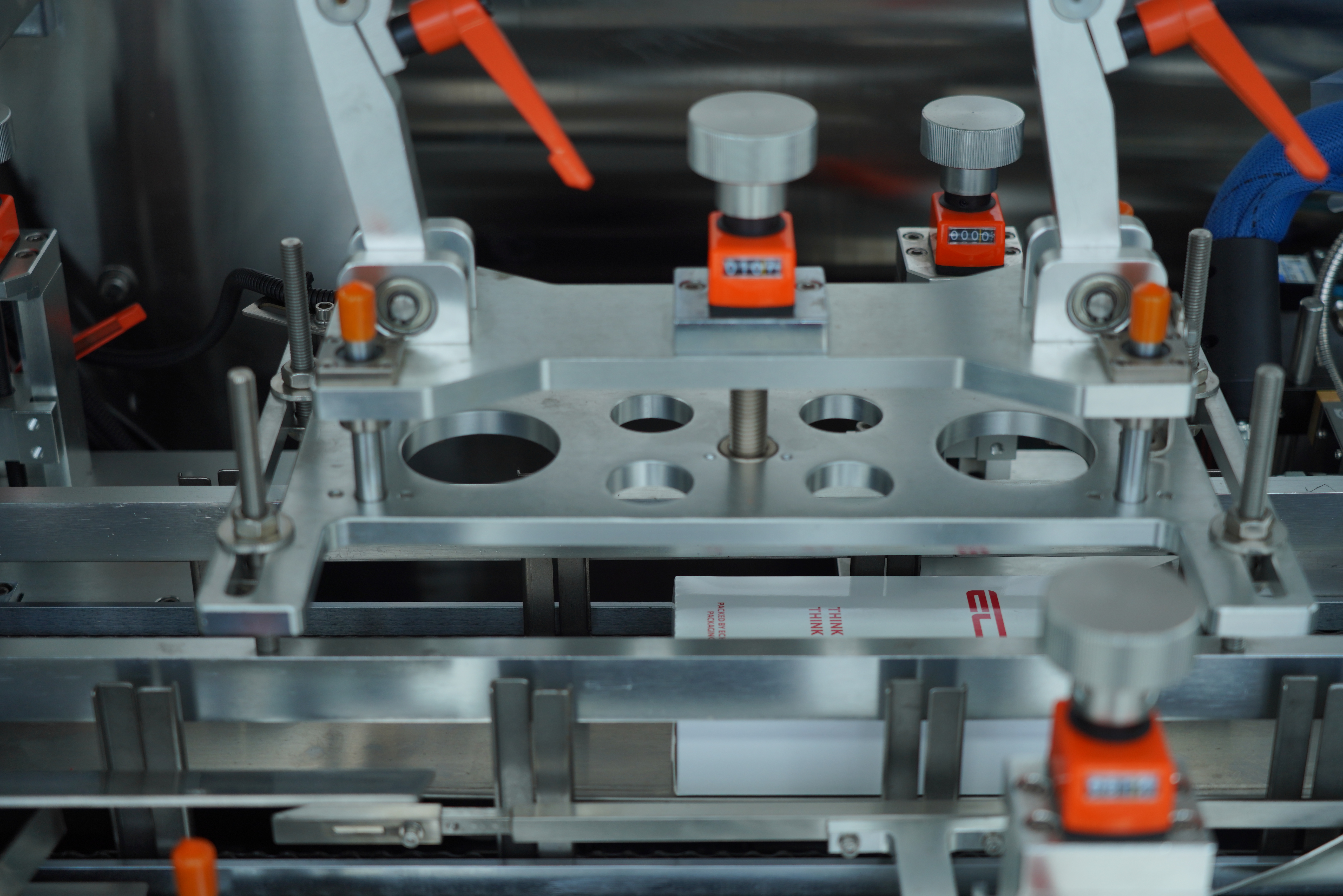
A box cartoner is a critical investment in any packaging operation, responsible for automatically loading products into cartons at high speeds. When a box cartoner operates smoothly, production lines run efficiently, output remains consistent, and downtime costs are minimized. However, without proper maintenance, even the most reliable box cartoner can develop performance issues that compromise product quality and throughput. Understanding how to maintain a box cartoner is essential for manufacturers who depend on this equipment to meet customer demands and maintain competitive advantage in today's fast-paced packaging market.
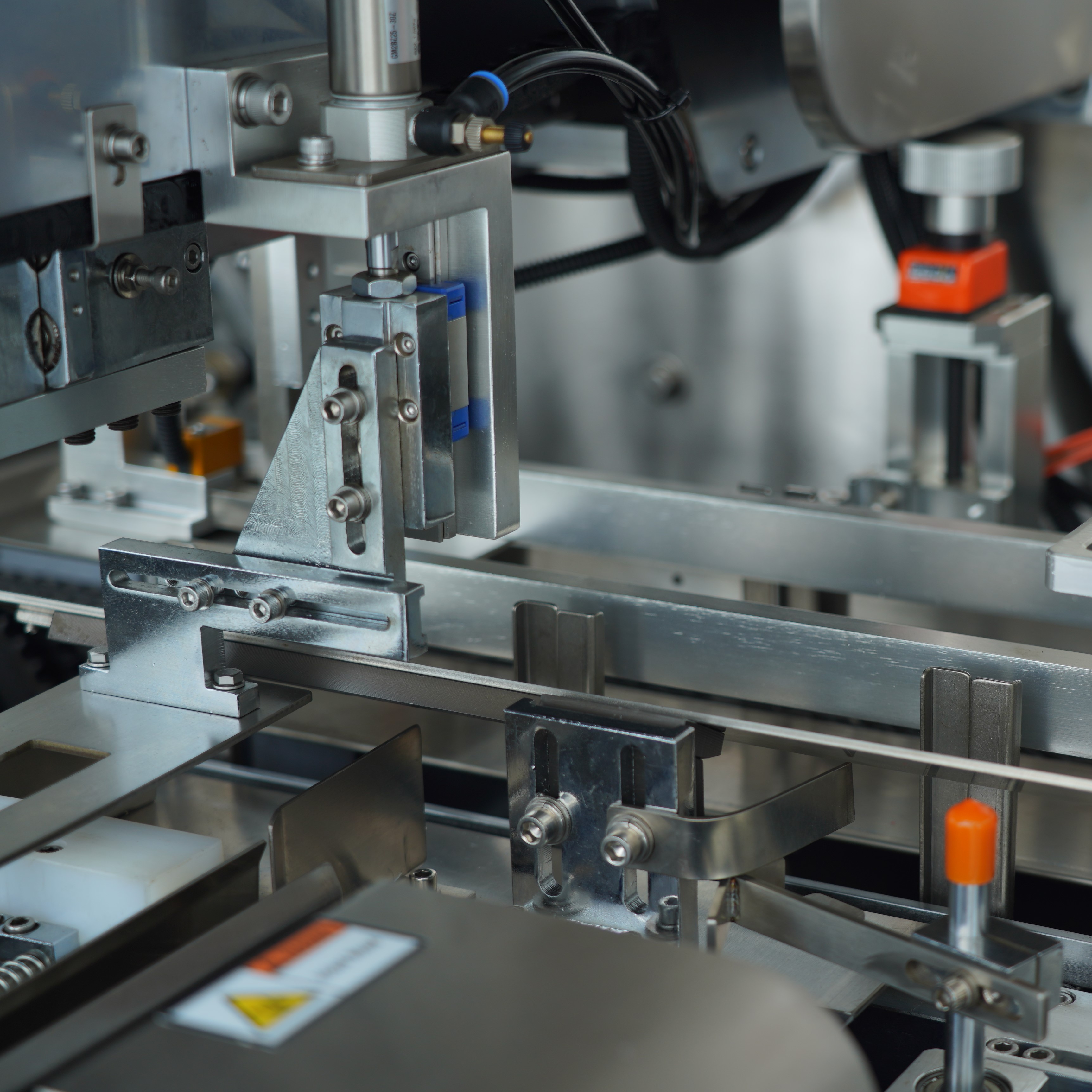
Proper box cartoner maintenance begins with understanding the machine's core components and how they interact during the packaging cycle. A box cartoner comprises mechanical, pneumatic, and electrical systems that must work in perfect harmony to deliver consistent performance. Neglecting maintenance on any single system can create cascading problems that affect the entire machine's reliability. The key to maintaining a box cartoner is establishing a structured maintenance program that combines daily inspections, periodic adjustments, and scheduled part replacements before failures occur.
Every day before running your box cartoner, operators should conduct a visual inspection of all visible components. This includes checking for loose bolts, damaged carton guides, bent strippers, and any signs of product jams or residue buildup. A box cartoner that shows visible wear or misalignment will produce inconsistent output and may damage products during loading. Look for oil leaks around hydraulic cylinders and pneumatic lines, as fluid loss indicates a seal failure that will worsen over time. Operators should also verify that all safety guards are in place and that moving parts have no obstructions that could cause binding.
Cardboard dust, product residue, and packaging material fragments accumulate on every box cartoner during operation. These contaminants interfere with mechanical alignment, clog pneumatic valves, and accelerate wear on moving parts. Daily cleaning of your box cartoner involves wiping down external surfaces, removing debris from loading stations, and clearing dust from air vents and sensors. Use compressed air to blow out hard-to-reach areas where particles settle. For a box cartoner operating in high-humidity or food processing environments, more frequent cleaning may be necessary to prevent corrosion and contamination that compromises product integrity and machine reliability.
Beyond daily cleaning, a box cartoner requires structured preventive maintenance on a weekly and monthly basis. Weekly maintenance of a box cartoner includes lubrication of pivot points, chain drives, and conveyor systems according to manufacturer specifications. Over-lubrication causes dust attraction and component degradation, while insufficient lubrication accelerates friction wear. Monthly inspections of your box cartoner should include checking pneumatic pressure levels, verifying electrical connections, testing emergency stop functionality, and inspecting all belts and chains for signs of wear or misalignment. These routine tasks identify developing problems before they escalate into costly downtime events that disrupt production schedules and increase maintenance expenses.
Every three months, a box cartoner should undergo more comprehensive inspection that examines internal mechanisms and wear components. Quarterly maintenance involves checking carton grippers for wear, inspecting servo motor performance, verifying sensor calibration, and testing all safety interlocks. An annual comprehensive service of your box cartoner includes replacing wear items such as rubber rollers, seals, bearings, and gaskets before they fail. During this annual inspection, hydraulic fluid should be checked for contamination and replaced if necessary, as dirty hydraulic oil damages pumps and cylinders. Scheduling quarterly and annual maintenance during planned production downtime minimizes impact on output schedules and allows technicians to work methodically without time pressure.
When a box cartoner begins producing inconsistent output, the cause typically involves alignment, sensor malfunction, or component wear. Output irregularity often indicates that the box cartoner's carton guides are misaligned, causing products to load off-center or collide with carton edges. This problem worsens quickly if left unaddressed because damaged cartons accumulate in the machine, causing jams that halt production. Checking and adjusting the carton guide position on your box cartoner is a routine corrective action that restores consistency. If your box cartoner continues to jam after guide adjustment, the issue may involve worn grippers, stretched chains, or sensor interference that requires component replacement or recalibration.
A box cartoner relies heavily on pneumatic actuators to operate grippers, pusher mechanisms, and conveyor systems. Slow or sluggish performance of your box cartoner often indicates air leaks, low pressure, or clogged pneumatic lines. Tracing and sealing air leaks restores operating pressure and improves responsiveness of the box cartoner's actuators. Electrical issues affecting a box cartoner typically involve sensor faults, which cause the machine to reject good products or fail to detect genuine defects. Testing sensors individually using the box cartoner's control panel diagnostic menu helps isolate electrical problems before they cascade into multiple system failures. Some box cartoner models require firmware updates that improve reliability; checking the manufacturer's support portal for available updates ensures your machine operates with the latest performance enhancements.
A box cartoner should receive daily visual inspection and cleaning, weekly lubrication and checks, monthly detailed inspections, quarterly comprehensive maintenance, and an annual deep service that includes wear part replacement. The exact frequency depends on your box cartoner's operating hours, the products being loaded, and environmental conditions. High-speed operations or demanding applications may require more frequent maintenance than baseline schedules recommend. Always consult your box cartoner's user manual for manufacturer-specific maintenance intervals tailored to your equipment model.
The most important wear components on a box cartoner include carton grippers, rubber rollers, pneumatic seals, conveyor belts, and servo motor bearings. These parts experience continuous friction and stress during normal operation, and their failure directly impacts a box cartoner's output consistency and reliability. Establishing a inventory of common wear parts ensures you can perform replacements quickly when needed, minimizing unplanned downtime. Monitoring wear part replacement intervals helps predict when components will fail and allows you to schedule maintenance proactively rather than reactively.
Yes, structured preventive maintenance significantly reduces unplanned downtime for a box cartoner by identifying and correcting problems before they cause production stoppages. A well-maintained box cartoner experiences fewer mechanical failures, electrical faults, and performance inconsistencies that interrupt operations. Manufacturers that invest in consistent box cartoner maintenance typically report 15 to 30 percent reductions in unexpected downtime compared to reactive maintenance approaches. This improved reliability directly translates to higher production output, better product quality, and lower overall operating costs across the packaging operation.

2026/09/20
Premade Pouch Machines: Reduce Film Waste, Cut TCO & Achieve Faster ROI

2026/09/20
Cut Premade Pouch Machine Changeover Time by 40% with Proven Best Practices

2026/09/20
Premade Pouch Machines: Boost Throughput, Cut Waste & Improve ROI

2026/09/20
Rotary vs Inline Premade Pouch Machines: Speed, ROI & Scalability Compared

2026/09/20
Premade Pouch Machine: Boost Throughput, Cut Labor Costs & Improve Seal Integrity

2026/09/21
Premade Pouch Machine: Pouch Types, Materials & Filling Guide

