 EN
How to Reduce Film Waste with a Premade Pouch Packaging Machine?
2026/09/20
Premade Pouch Machines: Reduce Film Waste, Cut TCO & Achieve Faster ROI

2026/10/20
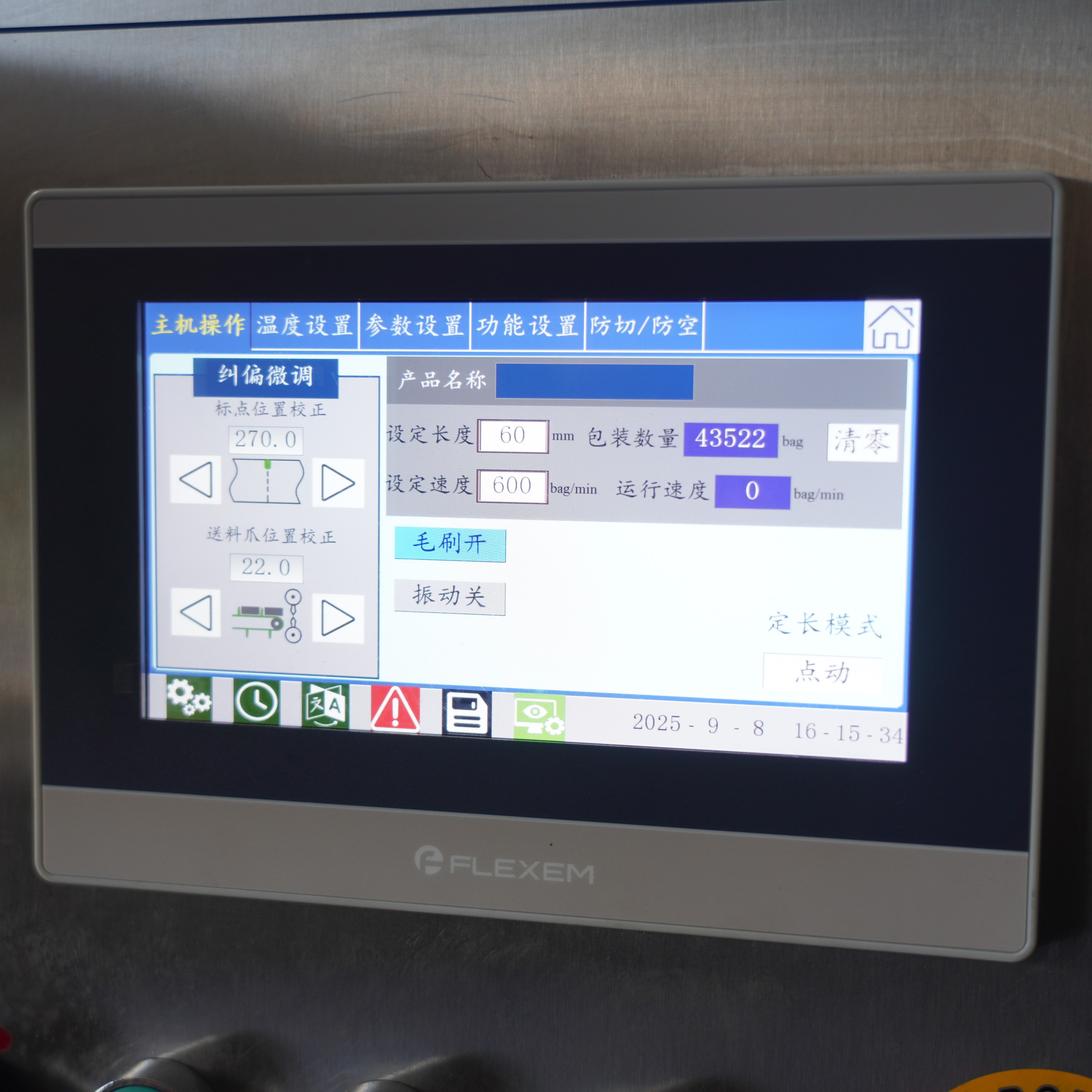
A flow wrap machine is one of the most critical pieces of packaging equipment in food, pharmaceutical, and consumer goods manufacturing. The fin seal roller is a essential component that determines the quality and consistency of your product sealing. Proper maintenance of the fin seal roller in your flow wrap machine directly impacts production efficiency, product quality, and equipment lifespan. Understanding how to care for this component can save you thousands in unexpected downtime and repair costs.
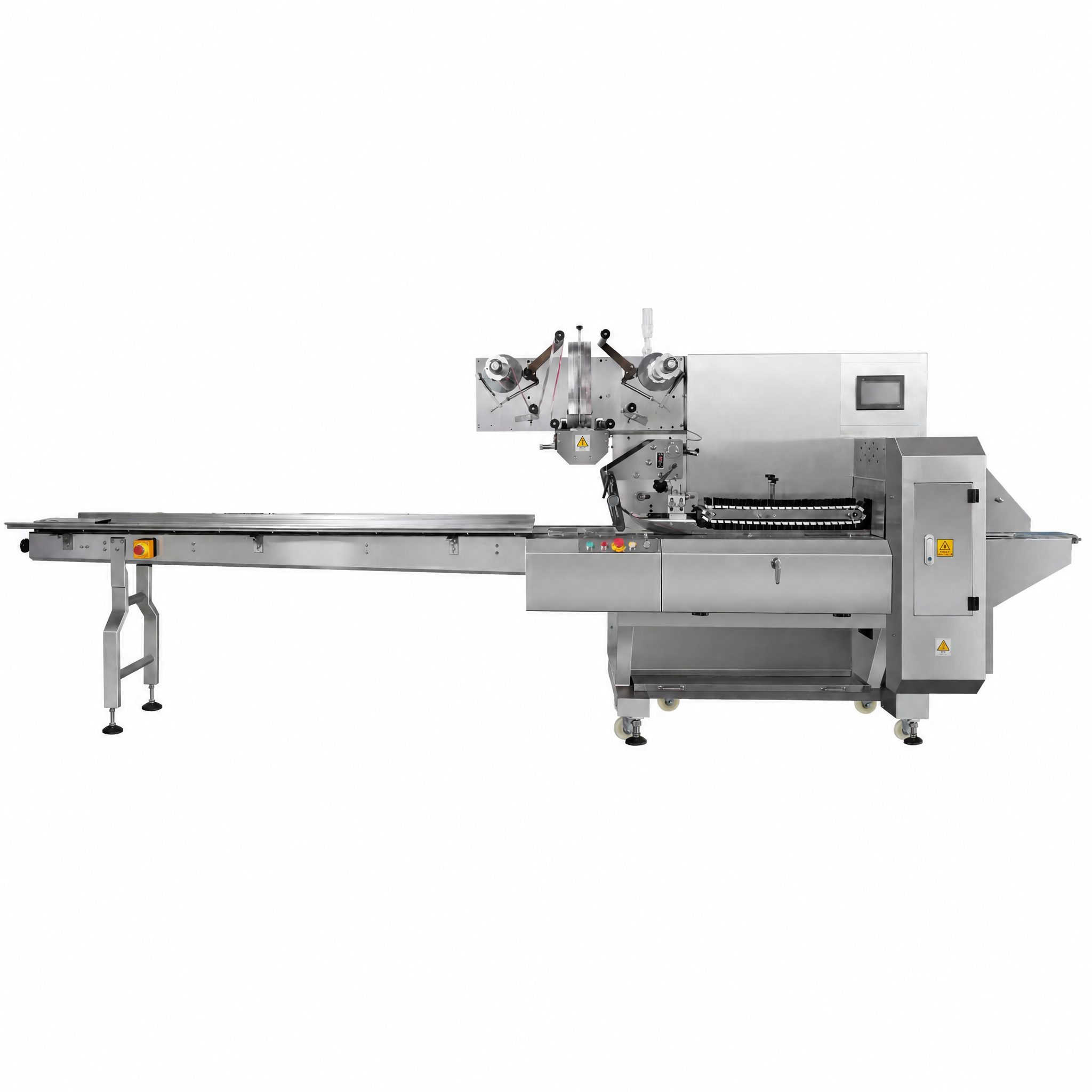
The fin seal roller works by applying heat and pressure to create a secure seal on the trailing edge of wrapped packages. When this component becomes worn, misaligned, or contaminated, your flow wrap machine produces weak seals, product damage, and customer complaints. Regular maintenance keeps your flow wrap machine operating at peak performance and ensures consistent packaging quality across every production run.
The fin seal roller is a heated, rotating component of your flow wrap machine that applies pressure and heat to seal the trailing edge of flexible film. This roller must maintain precise temperature control and uniform pressure to create a tight, reliable seal on every package. The fin seal roller typically works in conjunction with a stationary heated bar to press the film layers together, creating a bond that keeps your product safe and secure during storage and transport.
Without proper fin seal roller maintenance, your flow wrap machine experiences increased seal failure rates, which directly impacts production throughput and product quality. A degraded fin seal roller causes weak seals that compromise package integrity, leading to product spoilage, contamination, and customer returns. Operators often overlook this component until failures occur, but proactive maintenance of the fin seal roller keeps your flow wrap machine reliable and cost-effective over its entire operational life.
Every production shift should include a visual inspection of your flow wrap machine's fin seal roller. Check for film residue, adhesive buildup, or discoloration on the roller surface, as these contaminants reduce heat transfer and cause inconsistent sealing. Use a soft, lint-free cloth slightly dampened with isopropyl alcohol to gently clean the fin seal roller. Never use abrasive materials or harsh chemicals that could damage the roller coating or electronic temperature sensors on your flow wrap machine.
Once per week, perform a more thorough inspection of your flow wrap machine when it is powered off and cooled. Examine the fin seal roller for any signs of wear, surface pitting, or uneven heat distribution. Check that the roller rotates freely without resistance or unusual noise. Verify that the pressure adjustment mechanism on your flow wrap machine has not shifted, as inconsistent pressure is a common cause of seal failures. Ensure all fasteners and clamps holding the fin seal roller assembly are tight and secure.
Your flow wrap machine should have its fin seal roller temperature verified monthly using a reliable infrared thermometer or thermal imaging tool. Compare the actual surface temperature against the setpoint displayed on your machine's control panel. A significant temperature discrepancy indicates potential issues with the heating element or thermostat. Test sealing performance by running a short production batch and inspecting seal quality, strength, and appearance across multiple packages to ensure your flow wrap machine maintains consistent output.
Inspect the fin seal roller surface under good lighting for surface cracks, peeling, or uneven wear patterns. A flow wrap machine with a visibly worn fin seal roller will produce inconsistent results and should be scheduled for repair or replacement soon. Document the roller's condition over time to predict when replacement will be necessary, allowing you to order spare parts and schedule maintenance during planned downtime rather than during emergency repairs.
The bearings and mechanical supports that hold the fin seal roller must be lubricated according to your flow wrap machine manufacturer's specifications. Over-lubrication can cause oil to migrate onto the roller surface and create slippery spots that prevent proper sealing. Under-lubrication increases friction and noise, reducing the operational life of your flow wrap machine. Use only the lubricants specified in your equipment manual, and apply them at intervals recommended by the manufacturer, typically every three to six months depending on production volume.
Your flow wrap machine fin seal roller should be replaced when visible damage occurs, when temperature calibration shows a deviation exceeding fifteen percent from setpoint, or when seal quality tests consistently fail despite cleaning and adjustment. Observable indicators include deep surface scoring, cracking in the roller coating, or persistent seal weakness across multiple test runs. Delaying replacement of a worn fin seal roller leads to damaged product, increased scrap rates, and extended unplanned downtime that costs far more than the replacement component itself.
Maintaining consistent production line cleanliness reduces the amount of contaminant buildup on your flow wrap machine's fin seal roller. Ensure proper film tensioning so the material glides smoothly without creating excessive friction against the roller. Avoid running your flow wrap machine with damaged or wrinkled film, as this causes uneven contact and premature wear. Monitor ambient temperature and humidity, as extreme conditions can affect the thermal characteristics and mechanical stability of your fin seal roller assembly.
You should visually inspect and clean your flow wrap machine's fin seal roller at least daily, especially if you notice any seal quality issues. Weekly deep cleaning during regular maintenance schedules keeps the roller free of film residue and adhesive buildup. If your flow wrap machine processes sticky materials or runs for extended shifts, daily cleaning may be necessary to maintain optimal sealing performance.
The ideal temperature for a flow wrap machine's fin seal roller depends on your specific film type and product application, typically ranging from 120 to 180 degrees Celsius. Always refer to your equipment manual for the manufacturer's recommended temperature settings. Regular temperature verification ensures your flow wrap machine maintains the precise heat required for consistent, reliable seals without damaging the film.
Minor surface contamination on your flow wrap machine's fin seal roller can be cleaned, but deep cracks, peeling coating, or structural damage requires replacement. Attempting to repair a severely damaged fin seal roller typically results in poor sealing quality and potential damage to your flow wrap machine's mechanical components. Most manufacturers recommend full replacement rather than repair when significant wear is detected.

2026/09/20
Premade Pouch Machines: Reduce Film Waste, Cut TCO & Achieve Faster ROI

2026/09/20
Cut Premade Pouch Machine Changeover Time by 40% with Proven Best Practices

2026/09/20
Premade Pouch Machines: Boost Throughput, Cut Waste & Improve ROI

2026/09/20
Rotary vs Inline Premade Pouch Machines: Speed, ROI & Scalability Compared

2026/09/20
Premade Pouch Machine: Boost Throughput, Cut Labor Costs & Improve Seal Integrity

2026/09/21
Premade Pouch Machine: Pouch Types, Materials & Filling Guide

