 EN
How to Reduce Film Waste with a Premade Pouch Packaging Machine?
2026/09/20
Premade Pouch Machines: Reduce Film Waste, Cut TCO & Achieve Faster ROI

2026/10/18
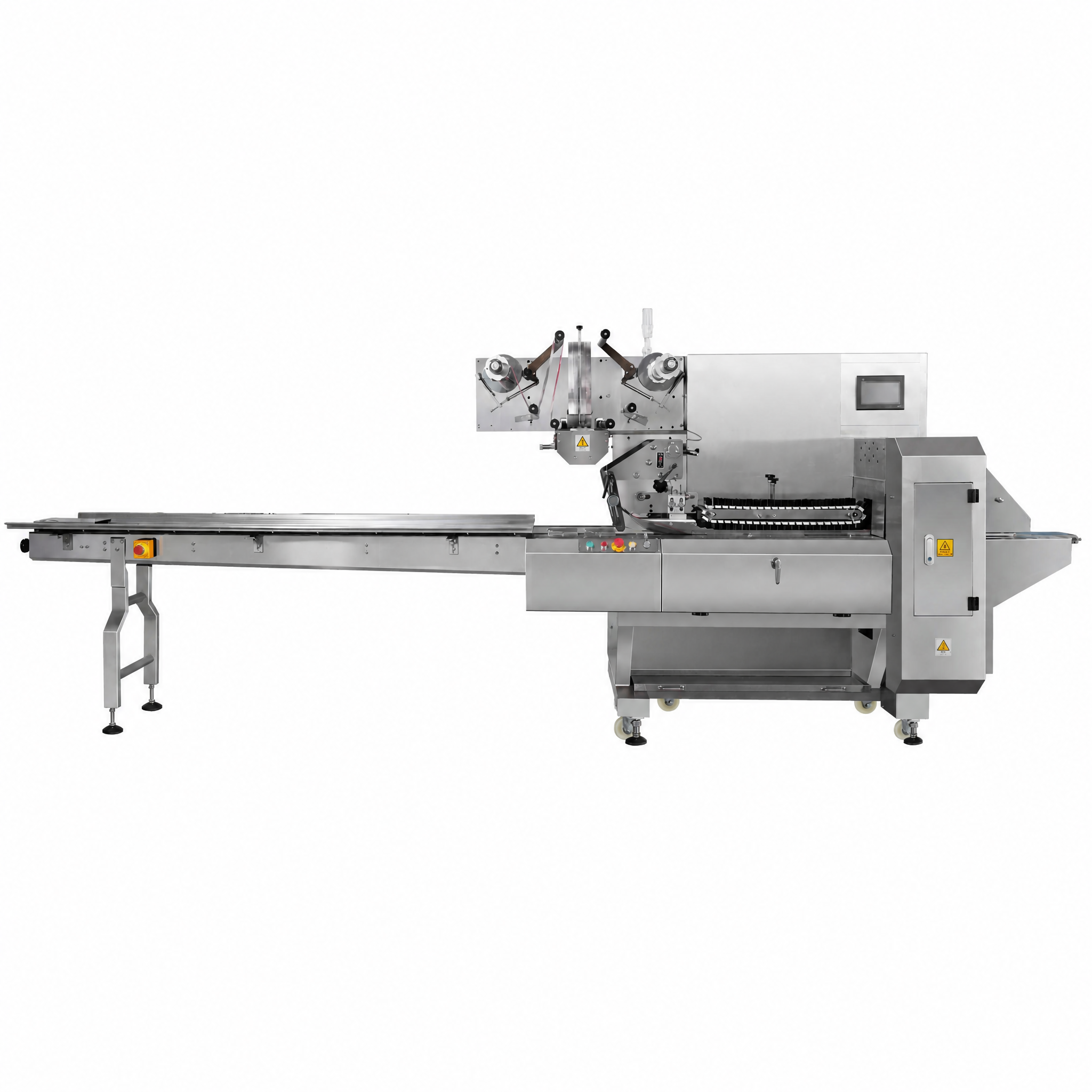
A horizontal flow pack machine is a critical asset in modern packaging operations, responsible for wrapping products efficiently and reliably. Whether you operate in food, pharmaceutical, or consumer goods manufacturing, maintaining your horizontal flow pack machine directly impacts production uptime, product quality, and operational costs. Without proper maintenance protocols, cutters dull, seals weaken, and mechanical components degrade, leading to costly downtime and inconsistent packaging results. This guide provides practical, actionable steps to keep your horizontal flow pack machine running at peak performance.
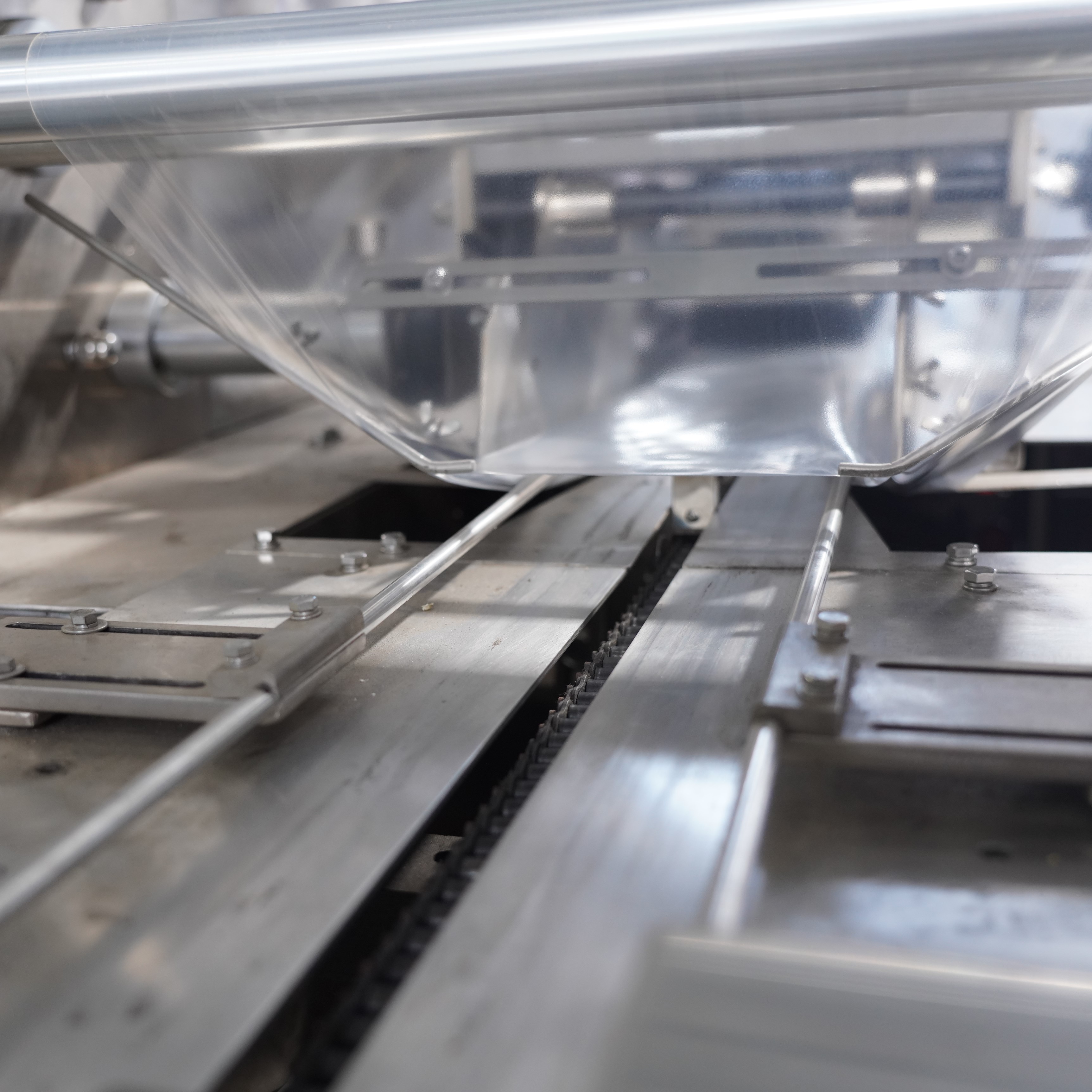
Effective maintenance extends equipment lifespan, reduces unplanned breakdowns, and ensures consistent packaging quality. A horizontal flow pack machine requires systematic attention to its cutter assembly, sealing components, drive mechanisms, and safety systems. By establishing a structured maintenance routine, you protect your investment and optimize production efficiency across every shift.
The cutter blade is the heart of your horizontal flow pack machine, making clean, precise cuts in film during the wrapping cycle. Over time, blade edges become dull from repeated contact with packaging material, resulting in ragged edges, material jams, and wasted product. Inspect the blade daily for visible wear, nicks, or chipping. If you notice uneven cuts or material tearing during operation, your horizontal flow pack machine cutter likely needs sharpening or replacement. Professional blade sharpening services can restore edge sharpness, but many operators find replacement blades more cost-effective for high-volume operations.
Film residue, dust, and packaging material accumulate on the cutter housing and surrounding components of your horizontal flow pack machine. This buildup restricts movement, increases friction, and accelerates wear. Clean the cutter assembly twice weekly using a soft brush and compressed air, avoiding harsh chemicals that may damage seals. Apply a light machine oil to pivot points and drive shafts connected to the cutter mechanism. Your horizontal flow pack machine manufacturer typically specifies approved lubricants; using incorrect oils can degrade rubber components and void warranties. Wipe away excess oil to prevent dust attraction and maintain a clean production environment.
Heat sealing creates the critical bond between film layers on wrapped products. The heat seal element of your horizontal flow pack machine must maintain precise temperature control to achieve consistent seal strength without burning material or creating weak bonds. Check seal quality daily by testing tear strength on sample packages. If seals are weak or inconsistent, your horizontal flow pack machine may have temperature drift caused by thermostat calibration issues or heating element degradation. Use a temperature gun to verify actual seal bar temperatures against machine display readings. If readings deviate by more than 5 degrees Celsius, contact your equipment service provider for professional recalibration of your horizontal flow pack machine.
Teflon tape protects seal bar surfaces on your horizontal flow pack machine from direct contact with hot film, extending component life and ensuring smooth material feed. Inspect Teflon tape for cracks, peeling, or worn areas every two weeks. If tape shows damage, replace it immediately to prevent material sticking and seal inconsistency. Your horizontal flow pack machine typically requires Teflon tape replacement annually or after 500,000 to 1,000,000 wrap cycles, depending on operating intensity and material type. Keep replacement tape on hand to minimize downtime when maintenance is needed. Proper Teflon tape maintenance on your horizontal flow pack machine prevents expensive seal bar replacement and ensures reliable sealing performance.
Drive belts power the film feed mechanism and cutter cycles on your horizontal flow pack machine. Belts wear from friction, age, and tension changes, potentially causing slippage or material misfeeds. Inspect all accessible belts monthly for cracks, fraying, or glazing. Adjust belt tension according to your horizontal flow pack machine manual specifications, as overly tight belts accelerate bearing wear while loose belts reduce cutting precision. Clean belt surfaces and pulleys with a soft brush to remove dust and film debris that can cause slippage. Replace belts every 12 to 18 months or if visible damage appears, even if the horizontal flow pack machine continues operating. Preventive belt replacement avoids sudden failures that disrupt production schedules.
Gearboxes and drive chains on your horizontal flow pack machine transmit rotational force to cutting and feeding mechanisms. These components require consistent lubrication to prevent metal-to-metal contact, noise, and mechanical failure. Check gearbox oil levels weekly and top off with the specified lubricant if levels drop. Your horizontal flow pack machine gearbox typically requires oil changes every 2,000 operating hours or annually, whichever comes first. Inspect visible chain links for corrosion, stiffness, or loose connections. Lubricate chains every shift using approved chain lubricant, applying product along the inner edge while the horizontal flow pack machine is powered off. Proper lubrication extends drive system lifespan and maintains smooth, quiet operation during production runs.
Structured maintenance prevents problems before they affect production. Develop a maintenance calendar for your horizontal flow pack machine that documents daily visual inspections, weekly deep cleaning, monthly mechanical checks, and quarterly professional servicing. Record all maintenance activities, part replacements, and performance observations in a logbook. This documentation helps identify recurring issues, track component life cycles, and justify equipment upgrades or manufacturer support requests. Many operators create digital maintenance logs using mobile apps, enabling shift supervisors to document horizontal flow pack machine status in real time and alert management to emerging problems.
Your horizontal flow pack machine operates safely and reliably only when operators understand maintenance requirements and recognize warning signs. Train all machine operators on proper cleaning techniques, component identification, and safe lockout procedures before performing maintenance tasks. Establish safety interlocks that prevent horizontal flow pack machine operation during maintenance activities. Review emergency stop functionality, guarding systems, and safe film removal protocols regularly. Operators who understand their horizontal flow pack machine intimately catch minor wear patterns early, preventing failures that compromise safety or create scrap waste. Invest in operator training as a cornerstone of effective horizontal flow pack machine maintenance and safe production environments.
Cutter blade replacement frequency depends on material type, film thickness, and production volume. For most operations, a horizontal flow pack machine cutter blade lasts between 1 million and 3 million wrap cycles before requiring replacement. Thicker or more abrasive materials accelerate blade wear. Monitor cut quality daily; if ragged edges or material tearing appears despite cleaning, your horizontal flow pack machine blade needs replacement. Many manufacturers recommend quarterly blade inspections and replacement as needed rather than fixed schedules.
Heat seal temperatures vary by film type and thickness, typically ranging from 120 to 180 degrees Celsius for common flexible packaging materials. Your horizontal flow pack machine manual specifies exact temperature settings for your product type. If your machine displays different temperatures than actual seal bar readings verified with a temperature gun, recalibrate the horizontal flow pack machine thermostat immediately. Temperature drift reduces seal consistency and compromises package integrity, potentially allowing product contamination or shelf-life issues.
Routine cleaning and component inspection are suitable for trained in-house staff, but major repairs on a horizontal flow pack machine should involve qualified technicians. Complex tasks like thermostat replacement, motor servicing, or gearbox repair require specialized tools and expertise. Attempting advanced repairs on your horizontal flow pack machine can void warranties, create safety hazards, and cause additional damage. Contact your equipment manufacturer or authorized service centers for repairs beyond basic maintenance to ensure proper horizontal flow pack machine restoration and continued reliability.

2026/09/20
Premade Pouch Machines: Reduce Film Waste, Cut TCO & Achieve Faster ROI

2026/09/20
Cut Premade Pouch Machine Changeover Time by 40% with Proven Best Practices

2026/09/20
Premade Pouch Machines: Boost Throughput, Cut Waste & Improve ROI

2026/09/20
Rotary vs Inline Premade Pouch Machines: Speed, ROI & Scalability Compared

2026/09/20
Premade Pouch Machine: Boost Throughput, Cut Labor Costs & Improve Seal Integrity

2026/09/21
Premade Pouch Machine: Pouch Types, Materials & Filling Guide

