 EN
How to Reduce Film Waste with a Premade Pouch Packaging Machine?
2026/09/20
Premade Pouch Machines: Reduce Film Waste, Cut TCO & Achieve Faster ROI

2026/10/16
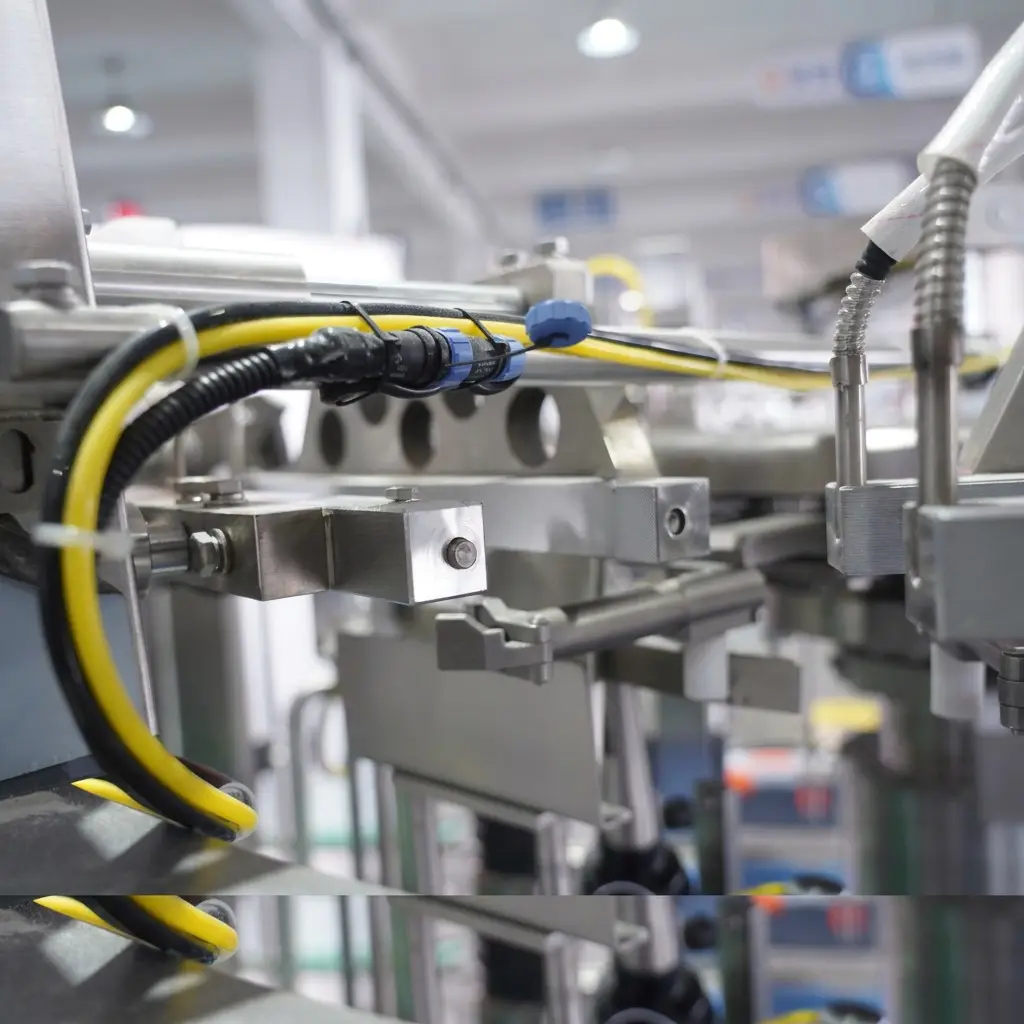
The sealing jaws of your pillow packing machine represent one of the most critical components for consistent product quality and operational efficiency. Proper maintenance of these jaws directly impacts seal strength, package appearance, and overall production reliability. A pillow packing machine relies on precise jaw alignment and cleanliness to create airtight, visually appealing seals that protect your products throughout the supply chain. Without regular attention to sealing jaw condition, you risk compromised packages, product contamination, increased waste, and unexpected downtime that disrupts your manufacturing schedule.
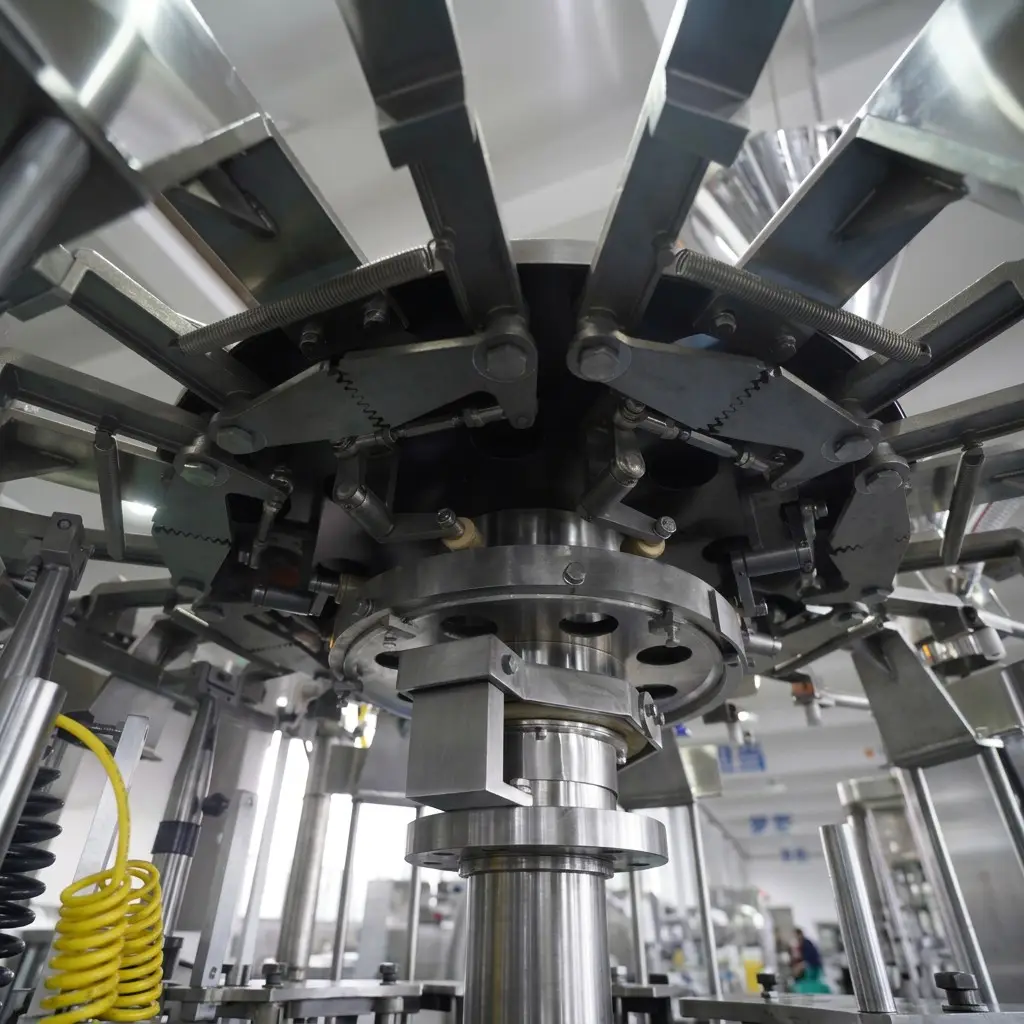
Daily cleaning is the foundation of effective pillow packing machine maintenance. After each shift or production run, material residue, dust, and adhesive buildup accumulate on the sealing jaws, reducing their effectiveness and creating potential contamination sources. A pillow packing machine's sealing jaws must be completely clean to maintain consistent seal quality and pressure distribution across the entire sealing surface. Use soft brushes, compressed air, and food-grade cleaning solutions appropriate for your specific packaging materials to gently remove debris without damaging the jaw surfaces.
Start by turning off your pillow packing machine and ensuring it has cooled to a safe temperature. Use compressed air to blow away loose particles from the jaw surfaces, heating elements, and surrounding areas. For stubborn residue, apply a suitable cleaning solution and allow it to soften the material slightly before gently brushing with a soft-bristled brush. Never use abrasive materials or harsh chemicals that could scratch the precision-engineered surfaces of your pillow packing machine's sealing jaws or compromise their material composition.
Visual inspection during cleaning reveals potential problems before they impact production. Examine both upper and lower jaws of your pillow packing machine for signs of pitting, warping, scoring, or heat damage that might compromise sealing performance. Look for uneven wear patterns that suggest misalignment in your pillow packing machine's jaw positioning system. Small scratches or minor surface imperfections may be acceptable, but visible cracks, deep gouges, or heat discoloration indicate that your sealing jaws require professional restoration or replacement.
Document the condition of your pillow packing machine's sealing jaws in a maintenance log, including photographs when possible. This record helps you track degradation patterns over time and predict when replacement becomes necessary. Catching problems early through consistent visual inspection prevents catastrophic failures that force emergency shutdowns and emergency repairs, which are far more expensive than planned maintenance interventions on your pillow packing machine.
Proper alignment of the sealing jaws on your pillow packing machine is crucial for uniform seal quality across all packages. Even minor misalignment causes uneven pressure distribution, resulting in weak seals on one side and excessive heat damage on the other. Begin alignment checks by powering down your pillow packing machine and allowing the jaws to cool completely. Place a thin, uniform material sample between the jaws and gently close them to their normal operating position, then examine how evenly the jaws contact the test material.
If you notice uneven contact patterns, consult your pillow packing machine's technical documentation to locate the alignment adjustment points specific to your model. Most machines feature adjustable bolts or cam mechanisms that allow fine-tuning of jaw parallelism. Make small adjustments incrementally, testing after each change to avoid overcorrecting. Many manufacturing facilities perform alignment checks weekly or monthly depending on production volume, even if no obvious problems are apparent, because a pillow packing machine performs best when precision alignment is maintained proactively.
The heating elements integrated into your pillow packing machine's sealing jaws must maintain consistent temperature to create reliable, strong seals. Heat loss through the jaws or uneven temperature distribution compromises seal quality and consistency across batches. Regularly inspect the insulation around your pillow packing machine's thermal system to ensure it remains intact and undamaged. Any gaps, cracks, or degraded insulation allow heat to escape, forcing the heating elements to work harder and reducing equipment efficiency.
Temperature monitoring is essential for early detection of heating element failures in your pillow packing machine. Many modern machines feature digital temperature displays or sensors that alert operators to temperature drift before seal quality is noticeably affected. If your pillow packing machine shows consistent temperature variations or requires increasingly frequent adjustments to maintain target temperature, the heating elements may be nearing failure and should be replaced during scheduled maintenance to prevent production interruptions.
Repeated heating and cooling cycles naturally stress the components of your pillow packing machine, including the sealing jaws and their mounting hardware. Allow adequate warmup time each morning before running your pillow packing machine at full production speed, as this gradual thermal expansion reduces mechanical stress on precision-fitted components. Similarly, avoid sudden shutdown followed by immediate restart cycles, which create thermal shock that can warp sealing jaws or crack heating elements. A pillow packing machine performs optimally when operational patterns are consistent and controlled.
Establish a shutdown procedure that allows your pillow packing machine to cool gradually to room temperature before powering down the electrical systems. If your machine will be idle for extended periods, cover the sealing jaws to protect them from dust accumulation and environmental moisture that could accelerate corrosion. These simple practices significantly extend the working life of your pillow packing machine and reduce the frequency of major repairs.
While daily and weekly maintenance tasks can be performed by trained operators, a pillow packing machine benefits from professional service at regular intervals as specified by the manufacturer. Annual or semi-annual professional inspections by qualified technicians identify issues that visual inspection alone might miss, such as internal wear, bearing degradation, or electrical system problems. Professional service on your pillow packing machine typically includes complete jaw restoration, recalibration of all precision systems, and replacement of wear parts before they fail.
Professional technicians can also update your pillow packing machine's software or firmware if your model includes electronic controls, ensuring optimal performance with the latest improvements. Documentation from professional service provides valuable records for warranty claims and helps establish a baseline for predicting future maintenance needs on your pillow packing machine.
When your pillow packing machine's sealing jaws show signs of irreversible damage or wear that affects seal quality, you face the choice between replacement or professional restoration. Complete replacement involves purchasing new jaw assemblies from the manufacturer and swapping them onto your pillow packing machine, which is usually faster but more expensive. Professional restoration services resurface and refinish damaged jaws to restore precision, often at a fraction of replacement cost, though the process requires sending parts offsite and scheduling downtime.
The most cost-effective approach involves establishing a preventive maintenance routine that minimizes jaw deterioration, making expensive restoration or replacement unnecessary for many years. By investing in consistent daily care, regular inspections, and scheduled professional service, you protect your pillow packing machine investment and maintain productivity at planned, manageable intervals rather than responding to unexpected failures.
Professional inspection of your pillow packing machine's sealing jaws is recommended annually for machines in regular use, or semi-annually for high-volume production facilities. However, many manufacturers suggest specific intervals based on production throughput and material types, so consult your equipment documentation for optimal scheduling. Between professional visits, perform daily visual inspections and cleaning as part of your routine operating procedures to catch emerging problems early and maintain pillow packing machine performance.
Sealing jaw misalignment in a pillow packing machine typically results from mechanical wear in mounting brackets, thermal expansion cycles, accidental impact, or vibration from unbalanced components over extended operation. High production speeds, variations in film thickness, or inconsistent material feeding can accelerate wear and misalignment. Regular inspection and prompt adjustment prevent minor misalignment from developing into major problems that compromise seal quality on your pillow packing machine.
Water-based cleaning is generally safe for your pillow packing machine's sealing jaws if the machine is powered off and fully cooled first. Use mild dish soap and soft cloths or brushes, then dry thoroughly to prevent moisture from causing corrosion. Avoid submersing jaw assemblies in water or allowing liquid to enter electrical connections, heating elements, or bearing areas of your pillow packing machine. For stubborn residue, food-safe solvents may be appropriate depending on the materials your pillow packing machine processes, but always refer to the manufacturer's cleaning recommendations to avoid damage.

2026/09/20
Premade Pouch Machines: Reduce Film Waste, Cut TCO & Achieve Faster ROI

2026/09/20
Cut Premade Pouch Machine Changeover Time by 40% with Proven Best Practices

2026/09/20
Premade Pouch Machines: Boost Throughput, Cut Waste & Improve ROI

2026/09/20
Rotary vs Inline Premade Pouch Machines: Speed, ROI & Scalability Compared

2026/09/20
Premade Pouch Machine: Boost Throughput, Cut Labor Costs & Improve Seal Integrity

2026/09/21
Premade Pouch Machine: Pouch Types, Materials & Filling Guide

