 EN
How to Reduce Film Waste with a Premade Pouch Packaging Machine?
2026/09/20
Premade Pouch Machines: Reduce Film Waste, Cut TCO & Achieve Faster ROI

2026/09/22

A premade pouch packaging machine is a critical asset in modern food, pharmaceutical, and industrial packaging operations. Proper maintenance of your premade pouch packaging machine directly impacts production efficiency, product quality, and equipment longevity. Without consistent care, even the most reliable premade pouch packaging machine can experience downtime, reduced throughput, and costly repairs. Understanding the fundamentals of maintaining a premade pouch packaging machine is essential for production managers and maintenance teams who want to protect their investment and ensure continuous output.
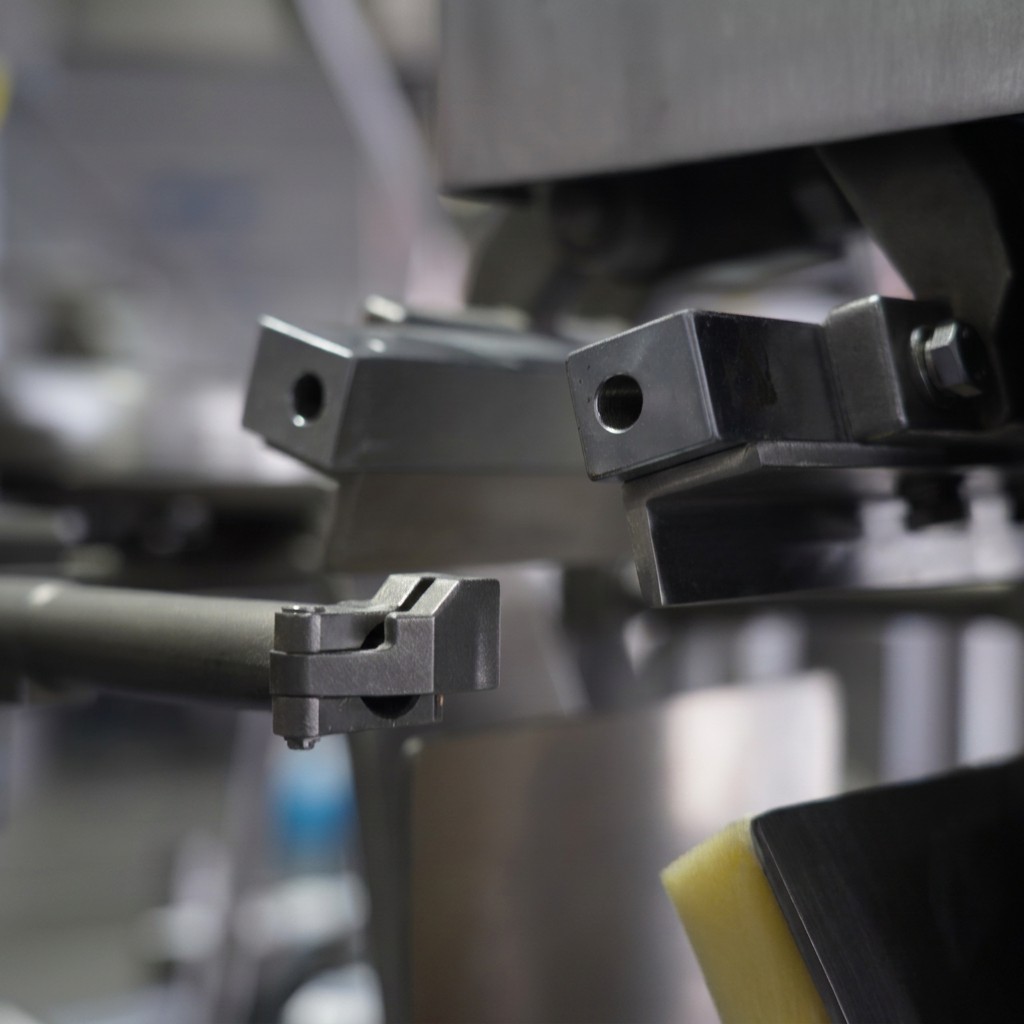
Maintenance of a premade pouch packaging machine requires a systematic approach that combines daily inspection, routine cleaning, and scheduled servicing. The complexity of modern packaging equipment means that neglecting even minor maintenance tasks can cascade into significant operational problems. By adopting a structured maintenance strategy for your premade pouch packaging machine, you reduce unplanned downtime, extend equipment lifespan, and maintain consistent product packaging quality.
Every premade pouch packaging machine must be inspected at the start of each production shift. Check the sealing area, heating elements, and film feed mechanism for visible debris, dust, or product residue. A clean premade pouch packaging machine operates more efficiently and produces better seal quality. Use soft brushes and compressed air to remove packaging material fragments, adhesive buildup, and environmental dust from accessible surfaces. Pay special attention to the heat sealer elements and pouch infeed guides, as material buildup directly affects seal integrity and production speed.
Listen and observe your premade pouch packaging machine during normal operation to detect unusual sounds, vibrations, or performance changes. Inconsistent seals, misaligned pouches, or irregular film feed suggest that maintenance is needed before a failure occurs. Keep a maintenance log for each premade pouch packaging machine to track performance trends and identify recurring issues. This proactive approach helps you address minor problems before they escalate into major repairs that shut down production.
Proper lubrication is fundamental to maintaining a premade pouch packaging machine's smooth operation. Most premade pouch packaging machine models require weekly lubrication of drive motors, conveyor systems, and mechanical linkages. Consult the manufacturer's specifications to identify lubrication points and recommended oil grades, as using incorrect lubricants can damage seals and components. Apply lubricant sparingly to avoid attracting dust and debris around your premade pouch packaging machine. Over-lubrication creates a messy work environment and can contaminate packaging materials, so balance is essential.
The sealing components of a premade pouch packaging machine are subject to constant heat and pressure, causing gradual wear. Inspect silicone gaskets, heat sealer bars, and pressure rollers every two weeks for signs of deterioration, cracks, or surface irregularities. Damaged sealing elements compromise pouch integrity and allow package leakage, directly affecting product shelf life. Many facilities replace seals on their premade pouch packaging machine every three to six months depending on production volume and material type. Keeping spare sealing components on hand prevents extended downtime when replacement becomes necessary.
Temperature calibration is critical for a premade pouch packaging machine's performance, especially when switching between material types or film suppliers. Use a calibrated thermometer to verify that heating elements on your premade pouch packaging machine match the programmed settings. Drift in temperature affects seal quality, production speed, and material handling, often going unnoticed until quality failures occur. Pressure settings on your premade pouch packaging machine must also be verified monthly, as hydraulic systems can lose pressure gradually over time. Many modern premade pouch packaging machine models include diagnostic screens that display real-time temperature and pressure data, making monitoring simpler.
A premade pouch packaging machine relies on precise mechanical alignment for accurate pouch formation and sealing. Every month, check film path alignment, roller spacing, and guide rail positioning to ensure components remain square and parallel. Misalignment causes uneven film feed, crooked seals, and accelerated wear on your premade pouch packaging machine's drive components. Inspect drive belts for cracks, fraying, or uneven wear patterns that suggest roller misalignment or imbalance. Replace belts proactively on your premade pouch packaging machine rather than waiting for failure, as a broken belt can damage surrounding components during sudden stopping.
Every three months, your premade pouch packaging machine should receive a thorough inspection that goes beyond daily cleaning and lubrication. Disassemble accessible components such as film guides and feed rollers to inspect for internal wear, contamination, or damage that is not visible during normal operation. Deep-clean the interior passages and sealing chambers of your premade pouch packaging machine using appropriate solvents and soft materials to avoid scratching precision surfaces. Test electrical connections, sensors, and safety interlocks to confirm they function properly and maintain safe operation of your premade pouch packaging machine.
Schedule an annual comprehensive service visit from the premade pouch packaging machine manufacturer or a certified technician to perform calibration, replace wear parts, and diagnose potential issues. Professional technicians have specialized tools and knowledge to access components that in-house teams cannot safely reach. This annual investment in your premade pouch packaging machine's health prevents unexpected failures during critical production periods and often identifies problems early when repair costs are minimal. Document all service activities and parts replaced for your premade pouch packaging machine to maintain warranty coverage and build a complete maintenance history.
A premade pouch packaging machine should be cleaned daily at the beginning and end of production shifts. Remove visible material residue, dust, and adhesive from sealing surfaces, film guides, and intake areas. For a premade pouch packaging machine handling sticky or moist materials, mid-shift cleaning may be necessary to maintain seal quality and prevent material buildup that affects performance and hygiene.
Sealing components on a premade pouch packaging machine typically last three to six months under regular production conditions, though this varies based on production volume, material type, and operating temperature. Frequent switching between different film materials or thicker materials accelerates wear on a premade pouch packaging machine's seals. Monitor seal condition regularly and replace components at the first sign of deterioration to maintain consistent pouch quality and prevent leakage issues.
Yes, improper maintenance directly impacts seal quality on a premade pouch packaging machine. Dirty sealing bars reduce heat transfer efficiency, misaligned components cause uneven pressure, and worn seals create weak or incomplete seals. A poorly maintained premade pouch packaging machine often produces pouches with inconsistent seal strength, visible defects, or leakage, which increases product loss and damages brand reputation in the marketplace.

2026/09/20
Premade Pouch Machines: Reduce Film Waste, Cut TCO & Achieve Faster ROI
2026/09/20
Cut Premade Pouch Machine Changeover Time by 40% with Proven Best Practices

2026/09/20
Premade Pouch Machines: Boost Throughput, Cut Waste & Improve ROI

2026/09/20
Rotary vs Inline Premade Pouch Machines: Speed, ROI & Scalability Compared

2026/09/20
Premade Pouch Machine: Boost Throughput, Cut Labor Costs & Improve Seal Integrity

2026/09/21
Premade Pouch Machine: Pouch Types, Materials & Filling Guide

