 EN
How to Reduce Film Waste with a Premade Pouch Packaging Machine?
2026/09/20
Premade Pouch Machines: Reduce Film Waste, Cut TCO & Achieve Faster ROI

2026/10/02
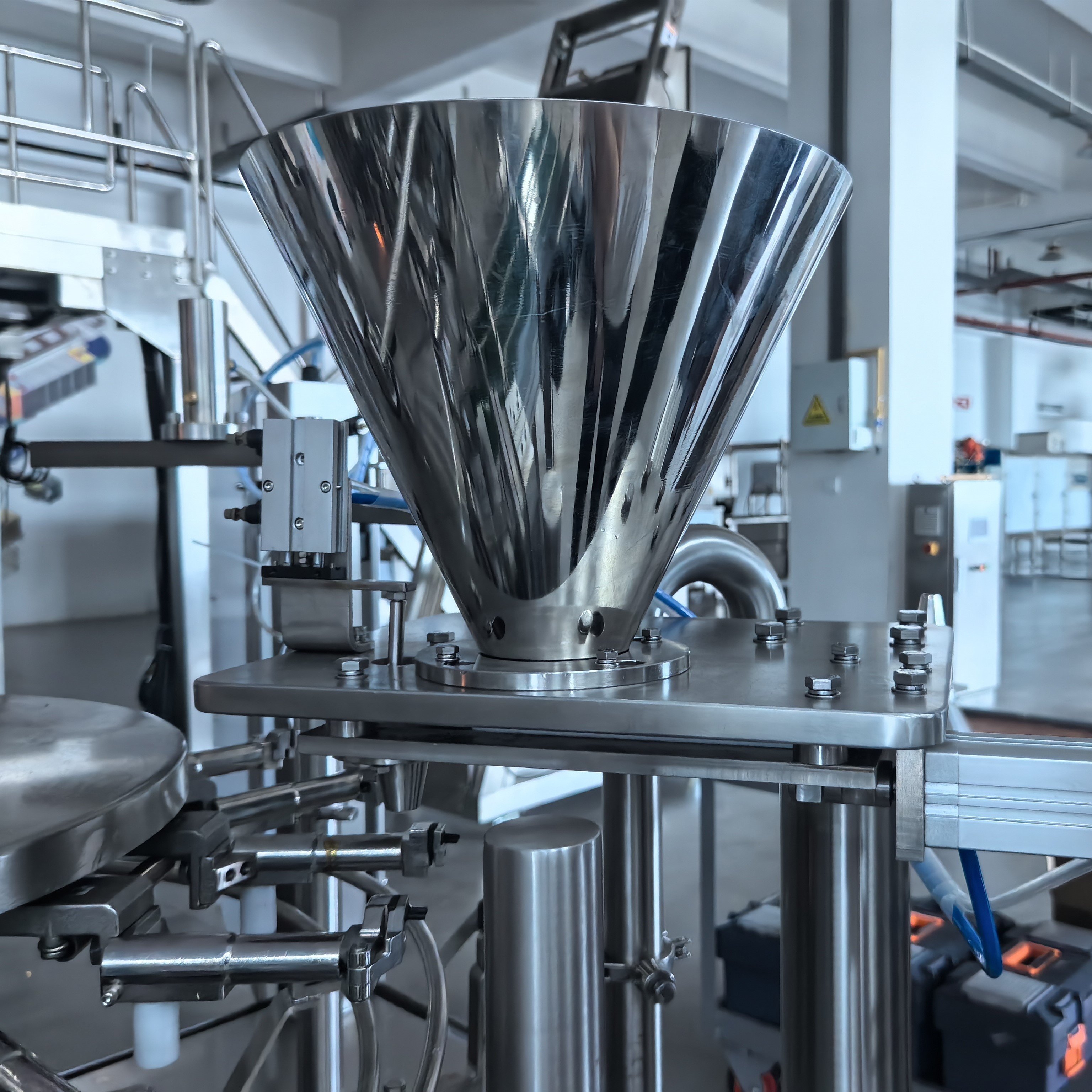
The seal bar is one of the most critical components of a rotary vacuum packaging machine, responsible for creating airtight seals that preserve product freshness and shelf life. Without proper maintenance of this essential component, the rotary vacuum packaging machine will experience reduced sealing quality, increased product waste, and potential equipment failure. Regular maintenance of your rotary vacuum packaging machine ensures consistent performance and protects your investment in this valuable processing equipment.
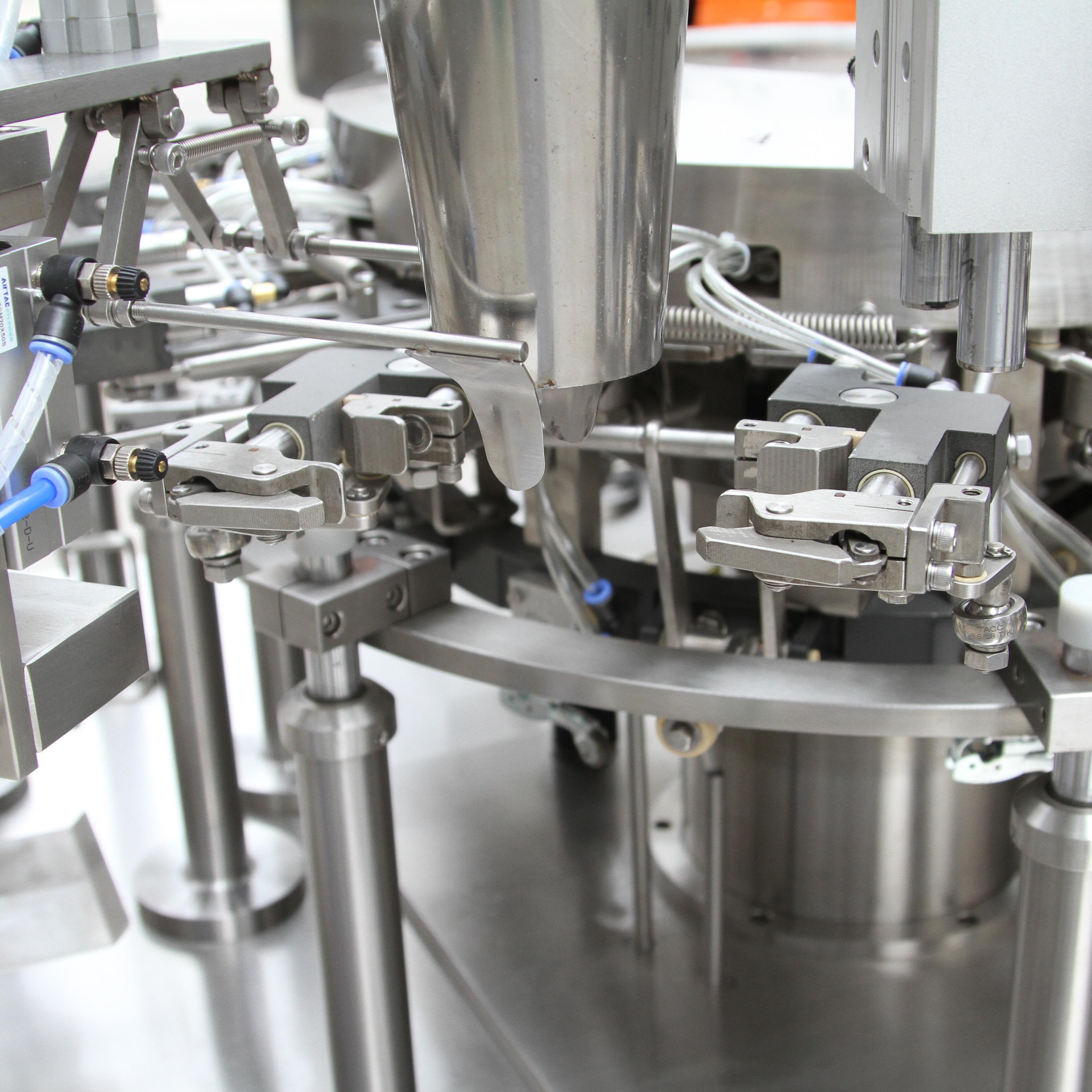
Maintaining the seal bar of your rotary vacuum packaging machine requires a systematic approach that combines daily checks, regular cleaning, and professional servicing. The seal bar operates under intense pressure and heat during each packaging cycle, which means understanding proper maintenance techniques is essential for operators and facility managers alike. This comprehensive guide walks you through the maintenance protocols that will keep your rotary vacuum packaging machine running efficiently and producing quality seals every single time.
The seal bar in a rotary vacuum packaging machine applies heat and pressure to bond film edges together after air removal. This component moves precisely with the rotary mechanism, timing its action to coincide with vacuum completion in each cycle. The rotary vacuum packaging machine's seal bar must reach exact temperature specifications to create hermetic seals without burning or damaging the packaging material. Understanding this mechanical operation helps operators recognize when the rotary vacuum packaging machine seal bar requires adjustment or repair.
A neglected seal bar compromises the entire rotary vacuum packaging machine system through failed seals, product rejection rates, and eventually catastrophic mechanical failure. When maintenance is deferred, residue builds up on the seal bar surfaces, creating inconsistent heat distribution and weak sealing bonds. The rotary vacuum packaging machine's efficiency decreases significantly as the seal bar struggles to achieve proper contact and temperature control. Proactive maintenance of your rotary vacuum packaging machine prevents downtime and maintains your production schedule.
Before each production shift, inspect the seal bar on your rotary vacuum packaging machine for visible damage, discoloration, or loose components. Check that the rotary vacuum packaging machine seal bar moves freely through its complete range of motion without resistance or grinding sounds. Verify that all fasteners holding the seal bar assembly remain tight and secure on your rotary vacuum packaging machine. Test the heating element to confirm the rotary vacuum packaging machine reaches proper operating temperature within the specified timeframe before processing begins.
After each production run, allow the seal bar on your rotary vacuum packaging machine to cool slightly, then wipe away film residue and heat-sealed material buildup using a soft, lint-free cloth. For the rotary vacuum packaging machine seal bar, use mild solvents only if recommended by the manufacturer, as harsh chemicals can damage protective coatings. Weekly deep cleaning of the rotary vacuum packaging machine seal bar involves careful removal of stubborn material accumulation using specialized non-abrasive tools. Never use steel wool, scouring pads, or high-pressure water on your rotary vacuum packaging machine seal bar, as these methods cause permanent surface damage.
Monthly temperature calibration ensures the seal bar in your rotary vacuum packaging machine maintains precise heat output necessary for consistent sealing performance. Use thermal imaging equipment to verify that the rotary vacuum packaging machine seal bar heats uniformly across its entire surface, detecting any hot spots or cold zones that compromise seal strength. Conduct seal strength testing regularly on sample packages from your rotary vacuum packaging machine to identify degradation before production quality suffers. If the rotary vacuum packaging machine seal bar temperature deviates from manufacturer specifications, recalibrate or service the heating element immediately.
The heating element inside the seal bar of your rotary vacuum packaging machine has a finite operational lifespan, typically requiring replacement every 12 to 24 months depending on production volume and material types. Professional technicians certified for your rotary vacuum packaging machine brand should perform seal bar replacement to ensure correct installation and calibration. Schedule quarterly or semi-annual preventive maintenance visits where technicians inspect the entire rotary vacuum packaging machine seal bar assembly, replace wear items, and perform deep cleaning. Maintaining detailed service records for your rotary vacuum packaging machine helps predict maintenance needs and warranty compliance.
Weak seals from your rotary vacuum packaging machine indicate either insufficient temperature, inadequate pressure, or insufficient dwell time on the seal bar. First, verify that the rotary vacuum packaging machine seal bar has reached operating temperature using a thermal probe, then check pressure gauge readings against manufacturer specifications. Misalignment between the seal bar and vacuum chamber in your rotary vacuum packaging machine causes incomplete seal coverage, requiring professional realignment. If the rotary vacuum packaging machine seal bar shows physical warping or damage, replacement becomes necessary to restore seal quality.
Uneven heating across the seal bar of your rotary vacuum packaging machine results from burned-on material buildup, damaged heating elements, or electrical connection problems. Deep cleaning of the rotary vacuum packaging machine seal bar surfaces often resolves minor temperature distribution issues caused by residue accumulation. If cleaning does not resolve the problem, the heating element within the rotary vacuum packaging machine seal bar requires professional replacement. Temperature mapping using thermal cameras on your rotary vacuum packaging machine identifies exactly which sections of the seal bar need attention.
Operating your rotary vacuum packaging machine within manufacturer specifications significantly extends seal bar lifespan compared to machines run at maximum capacity continuously. Allow the rotary vacuum packaging machine to cycle through its cooldown period between production runs rather than maintaining peak temperatures throughout the shift. Using the correct film thickness and material type specified for your rotary vacuum packaging machine prevents excessive stress on the seal bar assembly. Train all operators on proper rotary vacuum packaging machine settings and gentle handling procedures to minimize premature wear.
Dust, moisture, and temperature fluctuations in your facility accelerate deterioration of the seal bar in your rotary vacuum packaging machine, so maintain a clean, climate-controlled production environment. Store the rotary vacuum packaging machine in conditions within manufacturer specifications when not in use for extended periods. Protect the seal bar from direct sunlight, excessive humidity, and temperature swings that cause material expansion and contraction. When the rotary vacuum packaging machine requires storage, follow manufacturer protocols including protective coverings and periodic power-cycling to maintain seal bar integrity.
Daily cleaning of the rotary vacuum packaging machine seal bar is recommended after each production shift to remove residue and film buildup that affects sealing quality. For machines running continuously, mid-shift cleaning of the rotary vacuum packaging machine seal bar may be necessary to maintain consistent performance. Weekly deep cleaning of your rotary vacuum packaging machine ensures thorough removal of accumulated material that daily wiping cannot address.
The exact temperature for your rotary vacuum packaging machine seal bar depends on the specific film material being used, typically ranging from 100 to 150 degrees Celsius. Consult your rotary vacuum packaging machine manufacturer's manual for the precise temperature specification for your equipment and material compatibility. Using an infrared thermometer to verify your rotary vacuum packaging machine seal bar reaches the correct temperature before production ensures consistent seal quality.
The heating element in your rotary vacuum packaging machine seal bar typically requires replacement every 12 to 24 months based on production intensity and proper maintenance practices. If the rotary vacuum packaging machine seal bar struggles to reach operating temperature or shows uneven heating despite cleaning and recalibration, the heating element likely needs replacement. Professional technicians should handle replacement of the rotary vacuum packaging machine seal bar heating element to ensure proper installation and safety.

2026/09/20
Premade Pouch Machines: Reduce Film Waste, Cut TCO & Achieve Faster ROI

2026/09/20
Cut Premade Pouch Machine Changeover Time by 40% with Proven Best Practices

2026/09/20
Premade Pouch Machines: Boost Throughput, Cut Waste & Improve ROI

2026/09/20
Rotary vs Inline Premade Pouch Machines: Speed, ROI & Scalability Compared

2026/09/20
Premade Pouch Machine: Boost Throughput, Cut Labor Costs & Improve Seal Integrity

2026/09/21
Premade Pouch Machine: Pouch Types, Materials & Filling Guide

