 EN
How to Reduce Film Waste with a Premade Pouch Packaging Machine?
2026/09/20
Premade Pouch Machines: Reduce Film Waste, Cut TCO & Achieve Faster ROI

2026/09/22
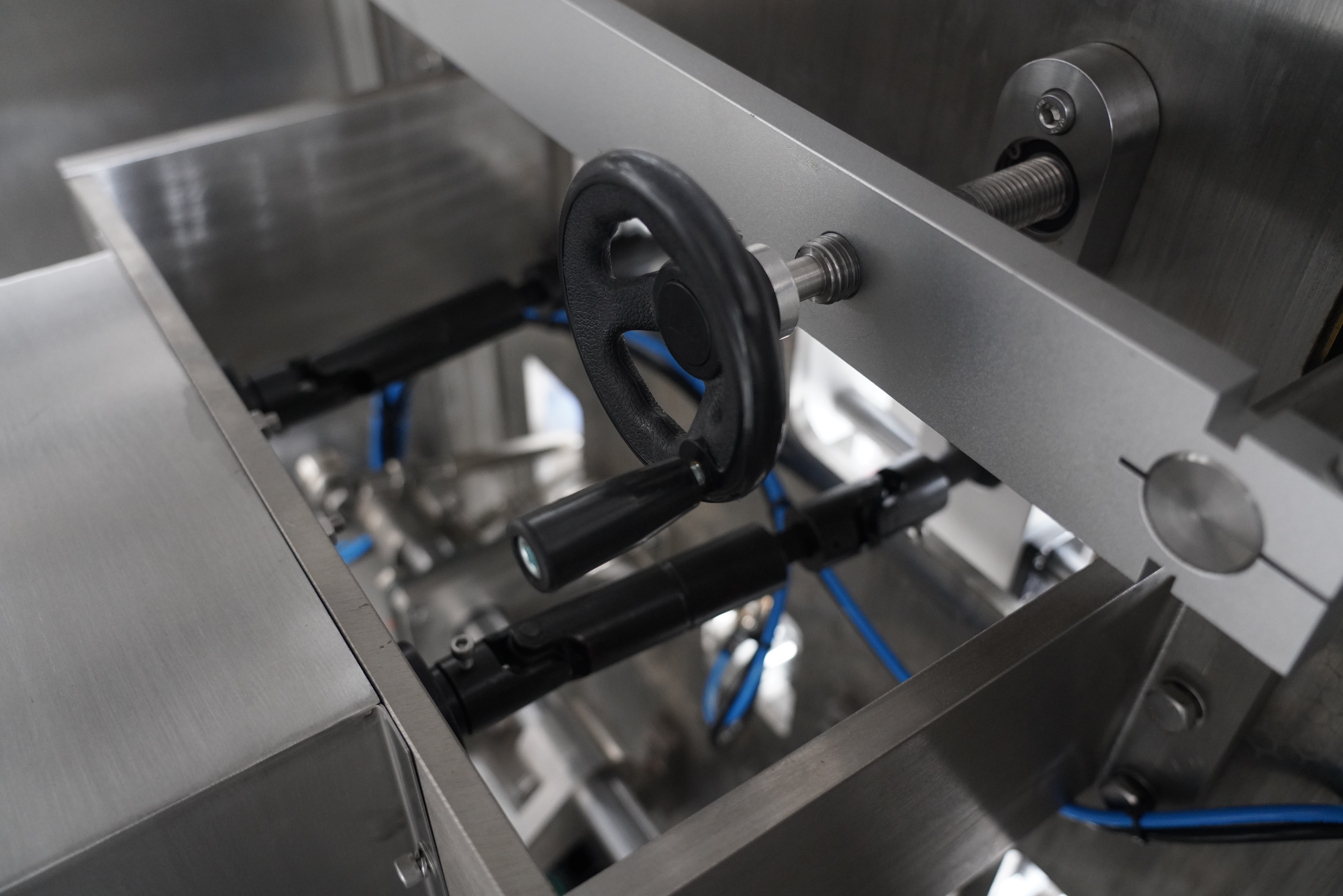
A vertical bagger is essential equipment for modern packaging operations, delivering speed and efficiency on production lines across industries. However, consistent seal quality depends entirely on proper maintenance routines. Understanding how to maintain a vertical bagger ensures that your equipment produces reliable, secure packages while minimizing downtime and costly repairs. Regular upkeep protects your investment and keeps product quality standards high.
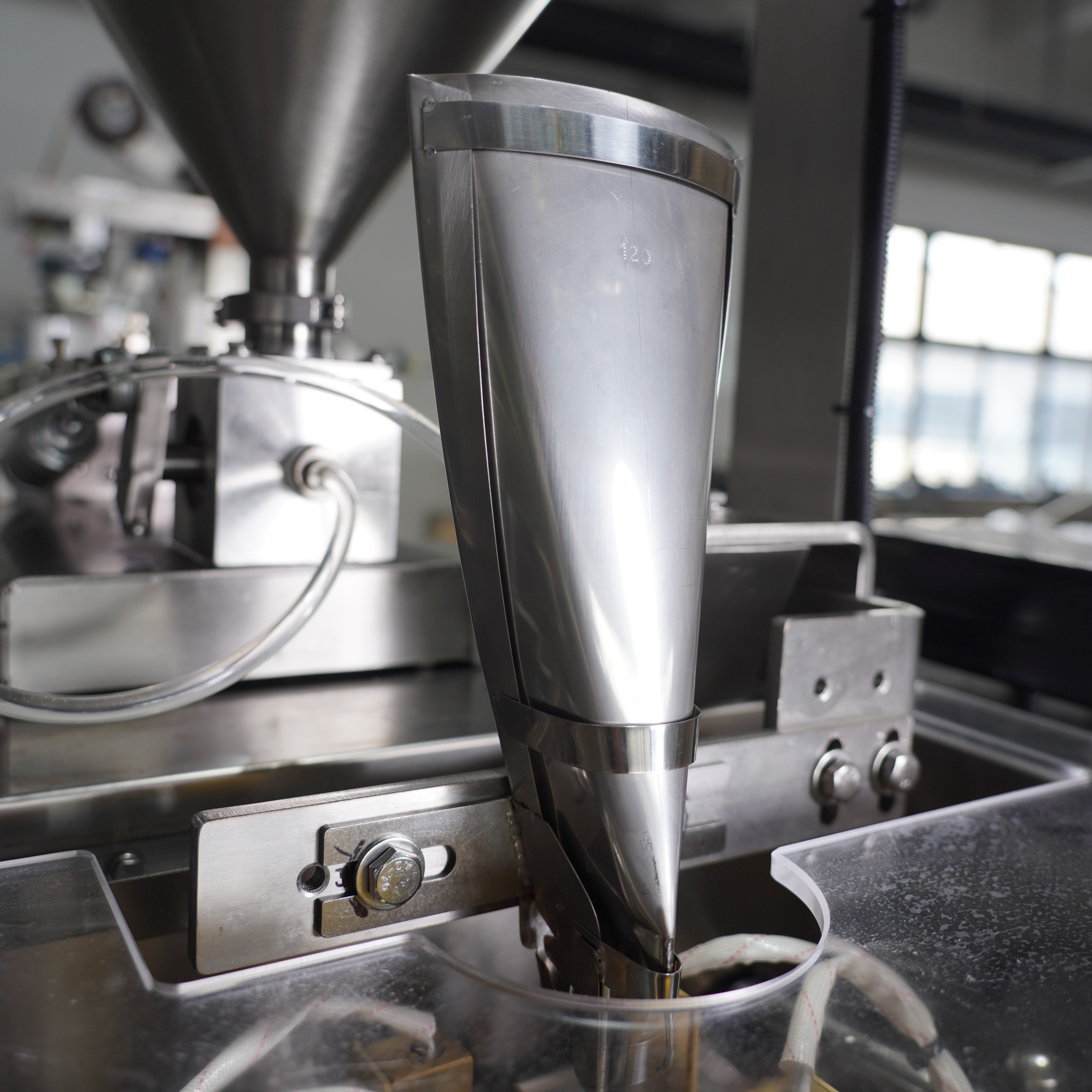
Seal integrity is the foundation of packaging success. When a vertical bagger fails to maintain proper sealing temperature, pressure, or alignment, product quality deteriorates rapidly. The cost of rework, customer complaints, and regulatory issues far exceeds the modest investment in preventive maintenance. Every vertical bagger operator and maintenance manager must master the fundamentals of equipment care to stay competitive and compliant.
Begin each shift by inspecting your vertical bagger for visible debris, film residue, or material buildup around sealing components. Accumulated plastic fragments, powder, or adhesive residue compromise seal quality immediately. Use a soft brush or compressed air to gently remove debris from the heat sealing jaws, conveyor belts, and feed mechanisms. Never use abrasive tools that scratch precision surfaces on your vertical bagger.
Pay particular attention to the film path where material wraps around guide rollers and tension wheels. Material creep creates friction, affecting film positioning and ultimately seal precision. Daily cleaning of these areas on your vertical bagger prevents performance drift that accumulates over weeks. Document visual inspections in a simple log to identify emerging patterns before they cause production stops.
The sealing jaws on a vertical bagger experience extreme thermal cycling and mechanical stress every cycle. Inspect them for surface degradation, cracks, or uneven wear patterns that signal heat distribution problems. A compromised seal jaw directly causes weak or inconsistent seals. Temperature sensors on modern vertical bagger units help monitor jaw performance, but visual inspection remains critical for catching early degradation.
Heating elements on a vertical bagger deteriorate predictably over time. Test sealing temperature with an infrared thermometer during idle moments. Temperature loss below manufacturer specifications indicates heating element wear. When your vertical bagger shows consistent temperature decline despite control settings remaining unchanged, schedule element replacement before seal failures spike. This proactive approach saves production hours and maintains product quality.
A vertical bagger relies on three critical sealing parameters: temperature, pressure, and dwell time. Pressure refers to the force applied by sealing jaws to bond film layers together. Over time, hydraulic or pneumatic systems lose pressure consistency, weakening seals. Monthly pressure checks using a gauge ensure your vertical bagger maintains manufacturer specifications. Adjust pressure slowly and document baseline values for reference.
Dwell time is the duration sealing jaws remain closed on each package. When conveyor speed increases without corresponding dwell time adjustments, seal quality deteriorates on your vertical bagger. Most modern vertical bagger equipment links these parameters electronically, but older models require manual synchronization. Review your vertical bagger operating manual to determine the correct dwell time for your film thickness and sealing temperature.
Film must track perfectly centered through your vertical bagger feed mechanism for consistent seal placement and width. Misaligned film causes edge seals to weaken or center seals to miss the intended overlap zone. Use adjustable guides to center incoming film stock, then lock them in place. Quarterly verification prevents film drift that causes progressive seal degradation throughout a production run on your vertical bagger.
Film tension affects both tracking and seal contact. Excessive tension stretches material, reducing bond strength; insufficient tension allows flutter and misalignment. Tension adjustment mechanisms on a vertical bagger typically feature spring-loaded rollers that can weaken over months of operation. Check tension settings against manufacturer specifications monthly. Retensioning often restores seal consistency when a vertical bagger begins producing marginal packages despite stable temperature and pressure readings.
Every component on a vertical bagger has a predictable service life. Refer to your equipment manual to establish replacement intervals for heating elements, sealing jaw covers, conveyor belts, and bearing assemblies. A vertical bagger typically requires seal jaw cover replacement every 6 to 12 months depending on production volume and film type. Scheduling replacements during planned downtime prevents emergency failures that disrupt entire production schedules.
Bearing assemblies and drive components require periodic lubrication appropriate to your vertical bagger design. Use only recommended lubricants to avoid chemical reactions with film materials or adhesives. Over-lubrication attracts dust and accelerates bearing wear, while under-lubrication causes friction and seal misalignment. Consult your vertical bagger manual for specific lubrication points, frequencies, and product specifications. Establish a quarterly lubrication schedule and document all service entries.
The electrical heating system on a vertical bagger deteriorates gradually, making performance loss easy to miss until seals fail. Implement quarterly temperature mapping procedures where you measure heating element output across multiple points on sealing jaws. Uneven heating patterns indicate element failure beginning. Replace heating elements proactively when mapping shows degradation rather than waiting for complete failure that ruins product batches on your vertical bagger.
Power supply stability affects vertical bagger control precision and heating consistency. Voltage fluctuations cause temperature variations that compromise seals. Invest in voltage regulation equipment if your facility experiences power instability. Additionally, check all electrical connections quarterly for corrosion or looseness, which reduce heating element efficiency and create temperature inconsistencies across your vertical bagger sealing surface.
Sealing jaw covers on a vertical bagger typically last 6 to 12 months under normal production conditions. The replacement interval depends on daily production volume, film material type, and ambient temperature. High-speed production runs that exceed 100 packages per minute accelerate cover wear on your vertical bagger. Inspect covers monthly for visible degradation such as cracks, material buildup, or surface irregularities. Replace covers immediately if your vertical bagger begins producing weak or inconsistent seals despite stable temperature and pressure settings.
Yes, improper film tension directly degrades vertical bagger sealing quality. Excessive tension stretches the film, reducing the strength of heat-bonded seals, while insufficient tension allows the film to shift during sealing, causing misaligned or incomplete seals. Your vertical bagger relies on consistent film positioning within the sealing jaws to create uniform seal contact. Check tension settings monthly and adjust using manufacturer-specified procedures. Correct tension maintenance ensures your vertical bagger produces reliable seals consistently throughout production shifts.
If your vertical bagger shows temperature loss of more than 5 to 10 percent below manufacturer specifications after adjustment attempts, schedule heating element replacement. Temperature mapping across the sealing jaw surface reveals uneven heating patterns that indicate localized element failure. Modern vertical bagger equipment displays temperature readings electronically, making it easy to track degradation over time. Replace heating elements before temperature drops below the minimum required for your film type, as this directly causes weak seals on your vertical bagger.

2026/09/20
Premade Pouch Machines: Reduce Film Waste, Cut TCO & Achieve Faster ROI

2026/09/20
Cut Premade Pouch Machine Changeover Time by 40% with Proven Best Practices

2026/09/20
Premade Pouch Machines: Boost Throughput, Cut Waste & Improve ROI

2026/09/20
Rotary vs Inline Premade Pouch Machines: Speed, ROI & Scalability Compared

2026/09/20
Premade Pouch Machine: Boost Throughput, Cut Labor Costs & Improve Seal Integrity

2026/09/21
Premade Pouch Machine: Pouch Types, Materials & Filling Guide

