 EN
How to Reduce Film Waste with a Premade Pouch Packaging Machine?
2026/09/20
Premade Pouch Machines: Reduce Film Waste, Cut TCO & Achieve Faster ROI

2026/09/27
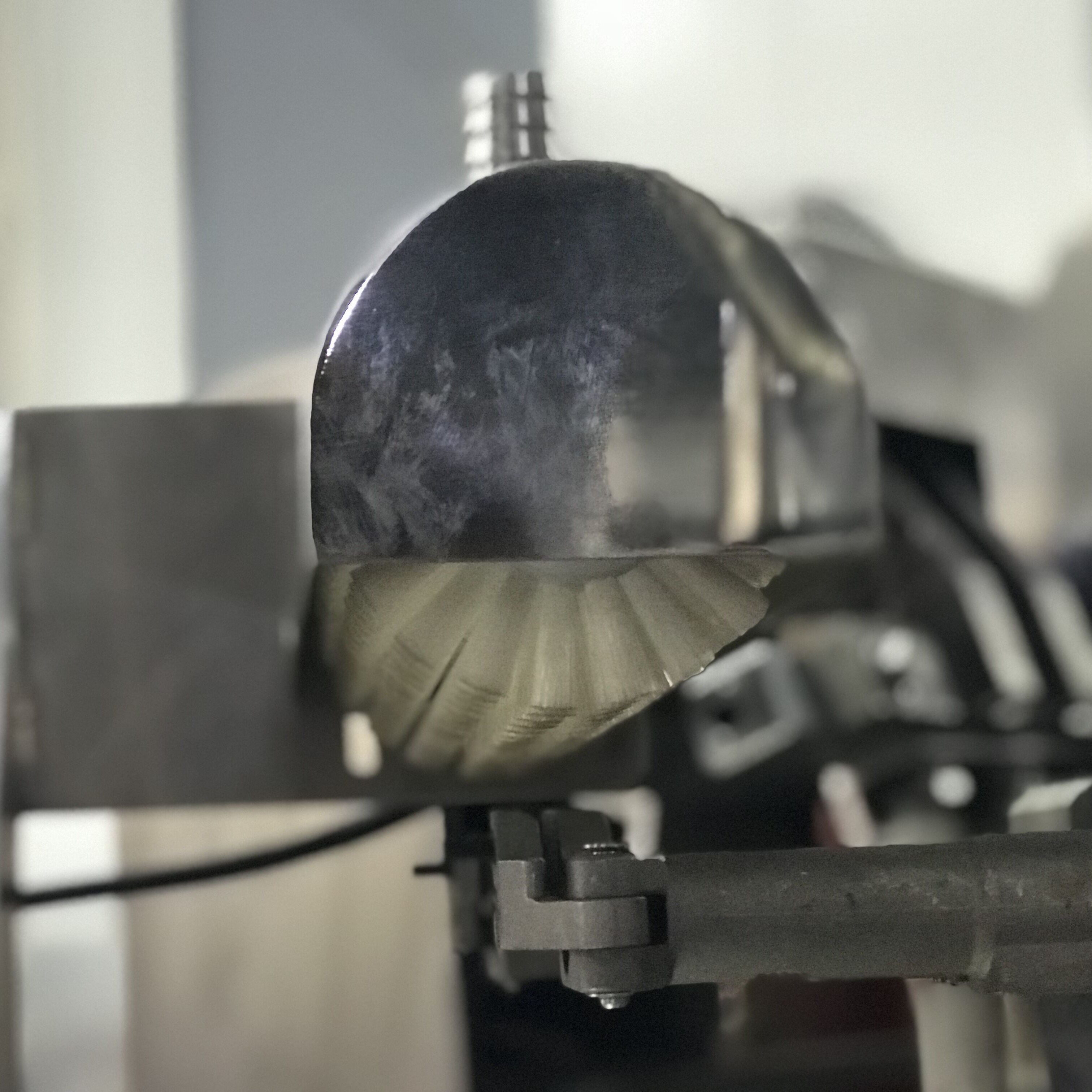
A rotary pouch packing machine represents one of the most critical assets in modern packaging operations, and optimizing its workflow directly impacts your production efficiency, product quality, and bottom-line profitability. When a rotary pouch packing machine operates at peak performance, it reduces material waste, minimizes downtime, and ensures consistent output that meets customer expectations. However, many operations fail to unlock the full potential of their rotary pouch packing machine because they lack a structured optimization strategy. This article provides actionable guidance on how to systematically enhance your rotary pouch packing machine performance and workflow.
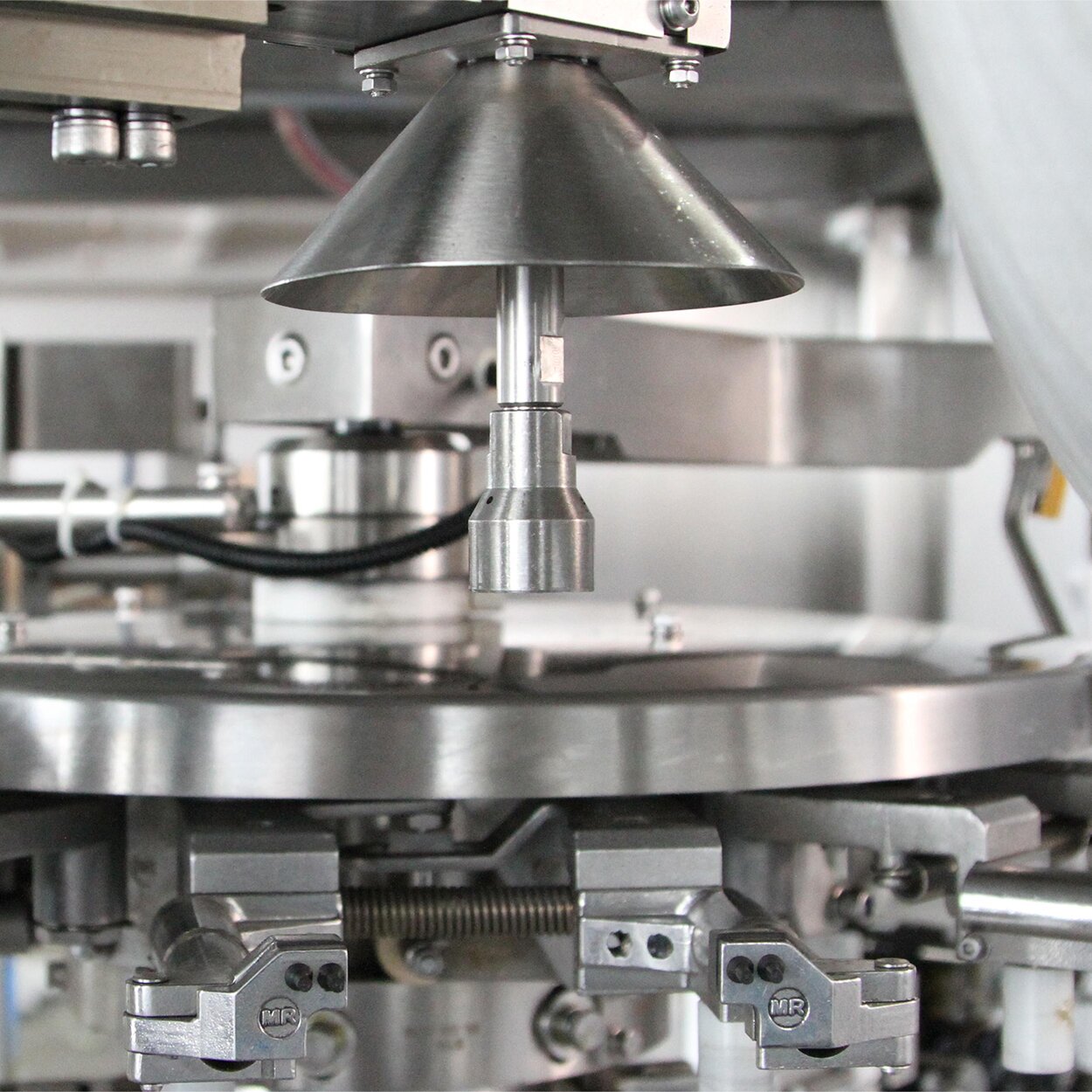
Optimizing a rotary pouch packing machine workflow requires understanding how each component interacts within the system. A well-tuned rotary pouch packing machine integrates material handling, filling accuracy, sealing precision, and speed control into a harmonious operation. Without proper optimization, a rotary pouch packing machine can become a bottleneck that constrains your entire production line, leading to missed deadlines and increased operational costs. The key to success lies in implementing proven optimization techniques that address both mechanical performance and operational best practices.
Before optimizing your rotary pouch packing machine, establish clear baseline measurements of current performance. Document the speed settings, temperature parameters, pressure levels, and cycle times on your rotary pouch packing machine. Measure the actual fill weight accuracy, seal quality, and material waste during standard production runs. These baseline metrics provide the reference point needed to track improvement over time. A rotary pouch packing machine operating without documented baselines makes it impossible to identify whether adjustments actually improve performance or create new problems.
The rotary pouch packing machine's fill volume, seal temperature, and indexing speed form the core performance triad. For a rotary pouch packing machine, fill volume accuracy directly affects product consistency and customer satisfaction. Start by calibrating the volumetric filler on your rotary pouch packing machine to match your target specification precisely, accounting for material density variations. Seal temperature on a rotary pouch packing machine must be high enough to create a secure bond but not so high that it damages the film or causes product degradation. The indexing speed of a rotary pouch packing machine should be increased incrementally while monitoring seal quality and fill accuracy, ensuring that faster speeds do not compromise output quality.
Material consistency significantly affects how well a rotary pouch packing machine performs throughout the production shift. Ensure that materials feeding your rotary pouch packing machine meet specification for moisture content, particle size, and bulk density. Inconsistent materials force your rotary pouch packing machine to make constant compensatory adjustments, reducing throughput and increasing waste. Install hopper level sensors that trigger timely refills before material starvation occurs, keeping your rotary pouch packing machine running continuously. Pre-condition materials when necessary, such as drying or sifting, to ensure that the rotary pouch packing machine receives consistent input quality.
The quality of input film directly determines seal integrity on every pouch produced by your rotary pouch packing machine. Inspect film rolls before loading them into your rotary pouch packing machine for tears, creases, or contamination that will cause seal failures. Store film in a climate-controlled environment to maintain consistent thickness and moisture content, which directly affects how a rotary pouch packing machine forms and seals pouches. Verify that the film width and thickness specifications match the specifications required by your rotary pouch packing machine setup. Poor film quality forces a rotary pouch packing machine to operate at reduced speeds and generates higher scrap rates.
A rotary pouch packing machine requires systematic preventive maintenance to maintain optimization gains over time. Create a maintenance calendar that specifies cleaning intervals, lubrication schedules, and component inspection frequencies for your rotary pouch packing machine. Clean the rotary pouch packing machine sealing stations daily to prevent film residue buildup that degrades seal quality. Inspect and replace wear components such as cutting wheels, sealing dies, and drive belts according to the manufacturer's recommendations for your rotary pouch packing machine. Proper maintenance prevents the gradual performance degradation that occurs when a rotary pouch packing machine operates without planned upkeep.
Modern operational practices require tracking key performance indicators on your rotary pouch packing machine throughout each shift. Monitor fill weight accuracy, seal defect rate, cycle time, and material waste percentage as your rotary pouch packing machine operates. Use production data from your rotary pouch packing machine to identify trends that signal developing problems before they cause significant downtime. For example, increasing cycle times on your rotary pouch packing machine may indicate wear in the indexing mechanism or buildup in the filling system. Regular monitoring allows you to optimize your rotary pouch packing machine proactively rather than reacting to failures.
A rotary pouch packing machine typically operates between 40 and 200 pouches per minute, depending on pouch size, material type, and fill accuracy requirements. The optimal speed for your rotary pouch packing machine depends on balancing throughput against seal quality and fill precision. Starting at conservative speeds and incrementally increasing your rotary pouch packing machine's speed while monitoring quality metrics helps identify the true maximum productive speed for your specific application.
Calibration frequency for a rotary pouch packing machine depends on production volume, material variability, and regulatory requirements. Most facilities calibrate their rotary pouch packing machine weekly during normal production, with additional calibrations when switching materials or after maintenance. Documented calibration records for your rotary pouch packing machine support quality assurance and demonstrate compliance with food safety and pharmaceutical standards where applicable.
Seal failures on a rotary pouch packing machine typically result from incorrect seal temperature, inadequate sealing pressure, film contamination, or worn sealing dies. Temperature fluctuations on your rotary pouch packing machine's sealing station create inconsistent results across the production run. Regular inspection and maintenance of the sealing components on your rotary pouch packing machine prevent failures. If seal defects increase despite proper maintenance, it signals that your rotary pouch packing machine requires professional service or component replacement.

2026/09/20
Premade Pouch Machines: Reduce Film Waste, Cut TCO & Achieve Faster ROI

2026/09/20
Cut Premade Pouch Machine Changeover Time by 40% with Proven Best Practices

2026/09/20
Premade Pouch Machines: Boost Throughput, Cut Waste & Improve ROI

2026/09/20
Rotary vs Inline Premade Pouch Machines: Speed, ROI & Scalability Compared

2026/09/20
Premade Pouch Machine: Boost Throughput, Cut Labor Costs & Improve Seal Integrity

2026/09/21
Premade Pouch Machine: Pouch Types, Materials & Filling Guide

