 EN
How to Reduce Film Waste with a Premade Pouch Packaging Machine?
2026/09/20
Premade Pouch Machines: Reduce Film Waste, Cut TCO & Achieve Faster ROI

2026/10/14
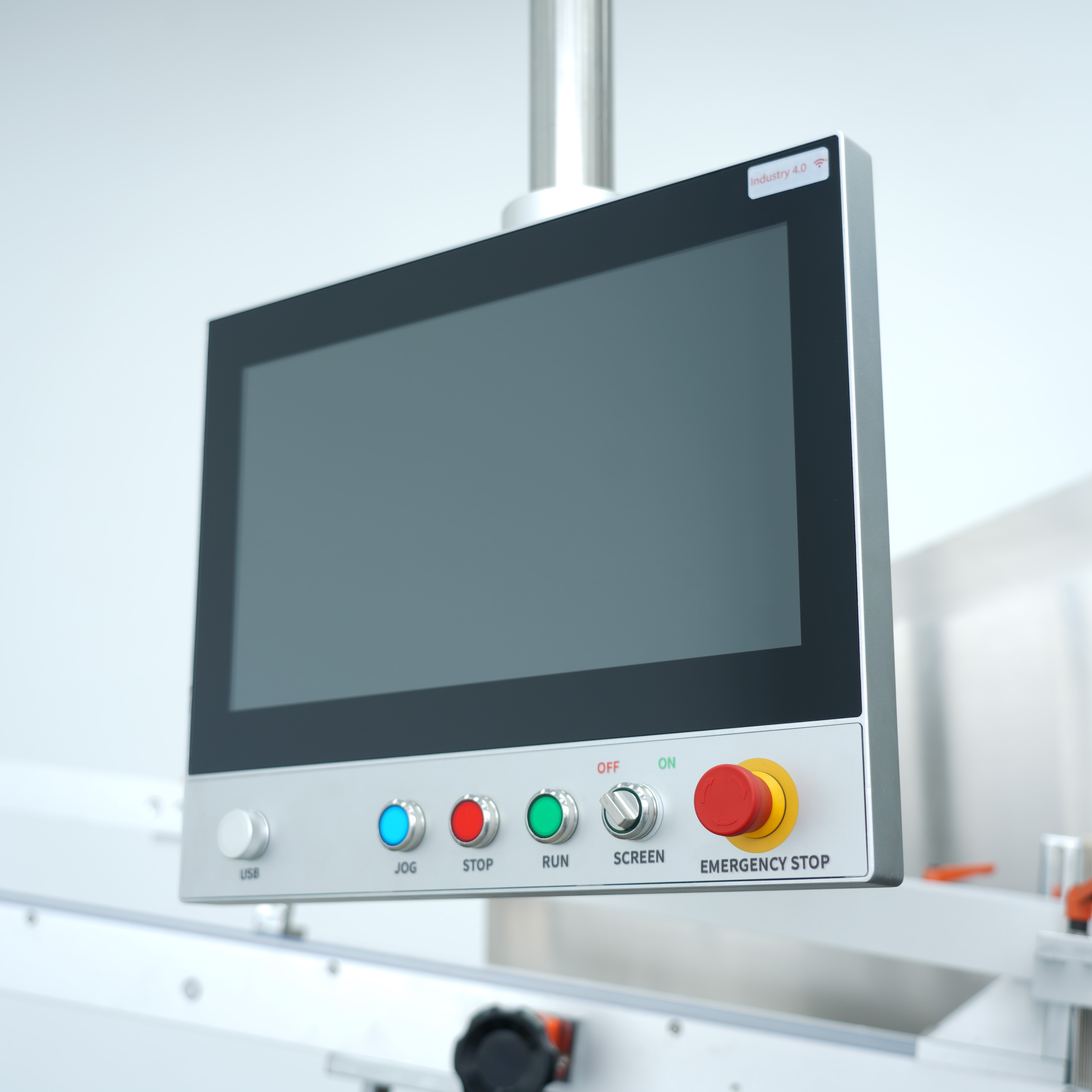
Optimizing a box cartoner line is one of the most impactful investments a packaging operation can make to improve throughput, reduce labor costs, and maintain consistent product quality. A box cartoner automates the process of forming, filling, and sealing cartons, replacing manual labor with precision machinery that operates at speeds modern hand-packing simply cannot match. For manufacturers across pharmaceuticals, food and beverage, cosmetics, and consumer goods sectors, the efficiency of a box cartoner directly affects profitability, market responsiveness, and competitive advantage.
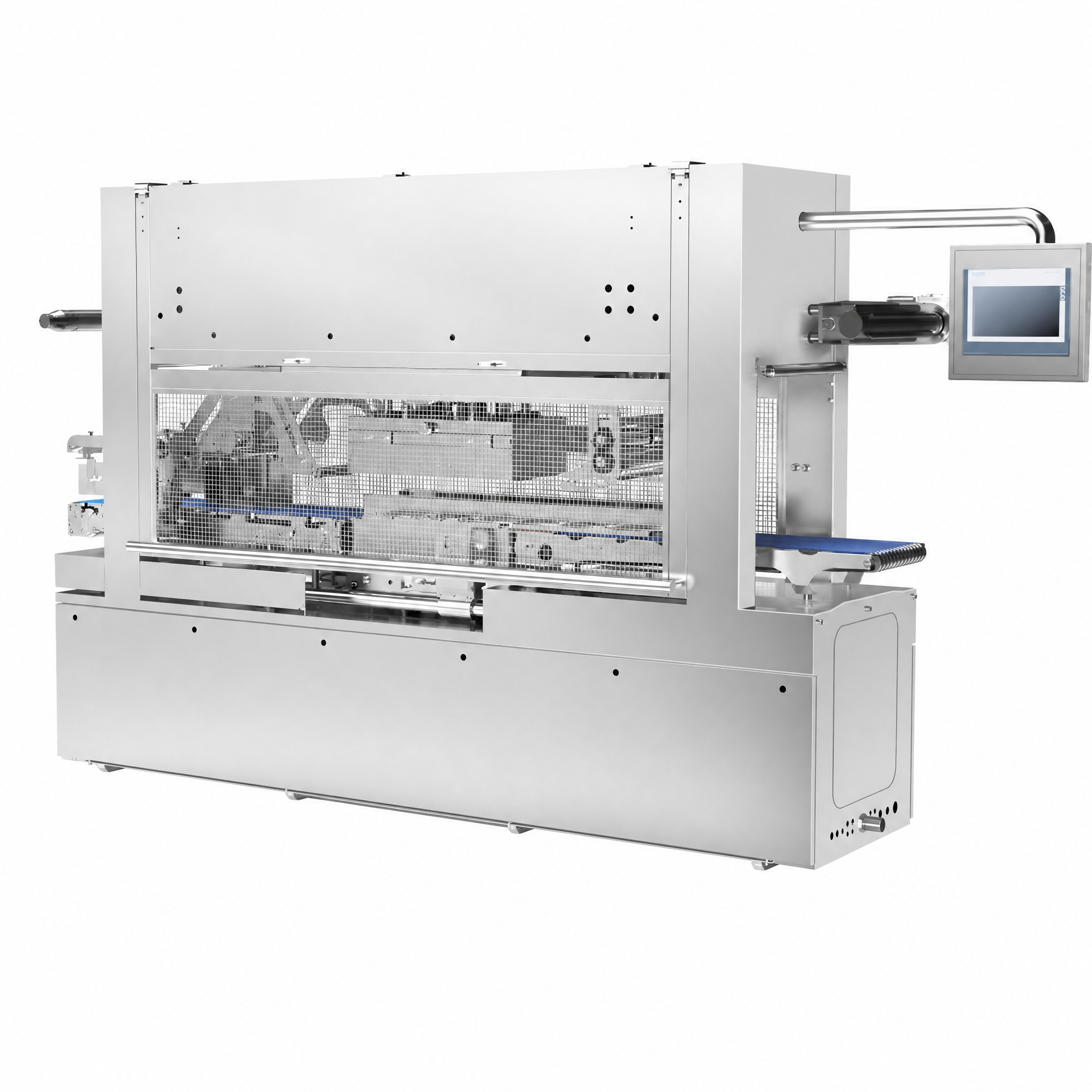
The performance of a box cartoner line is measured through several interconnected metrics that together paint a picture of overall effectiveness. Throughput—the number of finished cartons produced per minute—is the most visible metric, but it is only part of the story. A box cartoner running at 100 cartons per minute with frequent jams or quality issues delivers far less real value than one running at 80 cartons per minute with minimal downtime and zero defects. Overall Equipment Effectiveness (OEE) combines availability, performance rate, and quality rate into a single score, and it is the most holistic measure of how well your box cartoner line actually performs in production.
Downtime losses come in two categories: planned and unplanned. Unplanned downtime from jams, mechanical failures, or software errors directly erodes available production time and revenue. Planned downtime includes scheduled maintenance and changeovers between product formats, which also impact efficiency but can be controlled and optimized. Understanding which metrics matter most for your specific operation helps you prioritize improvements and allocate resources where they will have the greatest impact on box cartoner performance.
In pharmaceutical packaging, a box cartoner must maintain sterility protocols and ensure absolute accuracy in unit counting and labeling; efficiency here means speed without sacrificing compliance. For food manufacturers, a box cartoner handles products ranging from fragile items to heavy boxes, requiring quick format adjustments and robust throughput. Cosmetics and personal care brands often run shorter production batches with more frequent changeovers, so a box cartoner's efficiency is measured partly by how quickly it transitions between SKUs. Across all sectors, optimized box cartoner efficiency translates directly to reduced per-unit packaging costs, faster time to market, and lower labor overhead.
Preventive maintenance is the foundation of a reliable box cartoner operation. Most manufacturers provide detailed maintenance schedules specifying intervals for lubrication, part inspection, and component replacement. Following these schedules prevents the unpredictable failures that cause costly unplanned downtime. A box cartoner experiences wear on critical moving parts—servo motors, gripper belts, fold plates, and indexing gears—and each component has a finite service life. Replacing parts proactively, before they fail, keeps your box cartoner running smoothly and extends equipment lifespan significantly.
Dust, debris, and residual product accumulation inside a box cartoner can cause misfeeds, jams, and accelerated wear. Implement daily cleaning protocols that remove loose material from the carton path, gripper stations, and seal areas without requiring full machine disassembly. Weekly deep cleaning of critical zones like the erector station and seal head ensures that a box cartoner maintains peak precision. Document all maintenance activities, parts replacements, and performance observations in a maintenance log; this data reveals patterns, predicts future issues, and justifies capital expenditures to management.
A box cartoner's maximum rated speed is a theoretical ceiling; real-world optimization depends on matching speed to your specific product, carton design, and quality requirements. Running a box cartoner at 95 percent of its rated speed with stable, predictable operations often yields better results than pushing it to 100 percent and experiencing frequent jams, misalignments, or quality defects. Start by establishing a baseline operating speed where the box cartoner runs reliably for at least one full production run with zero errors, then incrementally increase speed while monitoring jam frequency, seal quality, and print registration accuracy.
Different carton styles and product types demand different machine settings. A lightweight cosmetics carton may run smoothly at high speeds, while a heavy pharmaceutical carton with an inner bundle might require lower speeds to maintain accuracy. Your box cartoner's control system should allow quick adjustment of servo speeds, dwell times, and gripper pressures to match these variations. Documenting these optimized settings for each SKU—a practice called recipe or profile management—enables operators to load the correct parameters instantly, reducing setup time and minimizing the trial-and-error period when switching products.
Changeover time is a major efficiency killer on box cartoner lines, particularly for facilities running multiple SKUs or shorter production batches. A typical format changeover might require adjustment of fold plates, width guides, height stops, print registration markers, and gripper positions. If these tasks are performed manually and sequentially, changeover can consume 30 minutes to an hour or more. Analyze each changeover to identify which steps are serial (must happen in order) and which are parallel (can happen simultaneously) to reduce overall changeover duration without cutting corners on quality setup.
A box cartoner must produce consistent, defect-free output to maintain brand reputation and regulatory compliance. Integrate vision systems and sensors that inspect cartons in real time as they exit the box cartoner, checking for proper closure, label alignment, print quality, and missing components. When a defect is detected, the automated reject system diverts the flawed carton before it reaches packing, preventing bad product from reaching customers and triggering expensive recalls. This real-time quality loop not only protects your brand but also provides immediate feedback about box cartoner performance, alerting operators to trends that might indicate an adjustment need.
Statistical tracking of defects and reject rates from your box cartoner reveals which failure modes occur most frequently and where improvements will have the highest impact. If your box cartoner consistently produces cartons with crooked labels, the issue might be print registration calibration or product placement accuracy at the print station. By addressing these root causes rather than simply accepting a baseline reject rate, you improve box cartoner efficiency both by reducing scrap and by freeing up downstream labor that would otherwise be spent manually inspecting and repacking products.
The human element is critical to box cartoner efficiency. Well-trained operators understand the machine's mechanics, recognize early warning signs of problems, and respond quickly to jams or quality issues. Invest in comprehensive operator training that covers normal operation, emergency stops, basic troubleshooting, and routine adjustments. Certified operators who understand your box cartoner intimately can often spot and resolve minor issues before they cascade into major downtime, and they operate the equipment more confidently and effectively than those with only superficial knowledge.
Standardized operating procedures—documented step-by-step guides for setup, speed adjustment, format changeover, and cleaning—ensure consistency across shifts and reduce the variability that can hurt box cartoner performance. Regular refresher training and periodic competency assessments keep operator skills sharp and aligned with best practices. Box cartoners operated by a single skilled, confident team member will outperform the same equipment operated inconsistently by multiple untrained personnel.
A well-maintained box cartoner can operate reliably for 10 to 15 years or longer, depending on usage intensity, maintenance quality, and technological evolution. High-speed box cartoner equipment in demanding 24/7 operations may require earlier major component replacement or upgrades, while slower-speed machines in intermittent-duty environments often exceed 15 years. Regular preventive maintenance, documented part replacements, and swift resolution of mechanical issues all extend the functional life of your box cartoner investment significantly.
A box cartoner replaces manual carton forming, filling, and sealing with fully automated processes, reducing labor requirements from multiple operators to a single monitoring technician. One operator can oversee a fully functional box cartoner line that would require three to five people to manage manually, dramatically lowering per-unit labor costs. Beyond headcount reduction, automation also reduces repetitive strain injuries, improves consistency, and frees skilled personnel to focus on higher-value tasks like quality oversight, maintenance, and process optimization rather than repetitive hand-packing.
Product weight, fragility, size consistency, and shape all influence how well a box cartoner can handle and process items reliably. Heavy products demand precise gripper pressure and robust infeed mechanisms; fragile items require careful handling throughout the box cartoner's path to prevent damage. Oversized or irregularly shaped products may jam or misalign more easily in a box cartoner designed for standard dimensions. Working with your box cartoner manufacturer to confirm that your product characteristics fall within the machine's design envelope ensures reliable, efficient operation and prevents costly changeovers to incompatible equipment.

2026/09/20
Premade Pouch Machines: Reduce Film Waste, Cut TCO & Achieve Faster ROI

2026/09/20
Cut Premade Pouch Machine Changeover Time by 40% with Proven Best Practices

2026/09/20
Premade Pouch Machines: Boost Throughput, Cut Waste & Improve ROI

2026/09/20
Rotary vs Inline Premade Pouch Machines: Speed, ROI & Scalability Compared

2026/09/20
Premade Pouch Machine: Boost Throughput, Cut Labor Costs & Improve Seal Integrity

2026/09/21
Premade Pouch Machine: Pouch Types, Materials & Filling Guide

