 EN
How to Reduce Film Waste with a Premade Pouch Packaging Machine?
2026/09/20
Premade Pouch Machines: Reduce Film Waste, Cut TCO & Achieve Faster ROI

2026/10/19
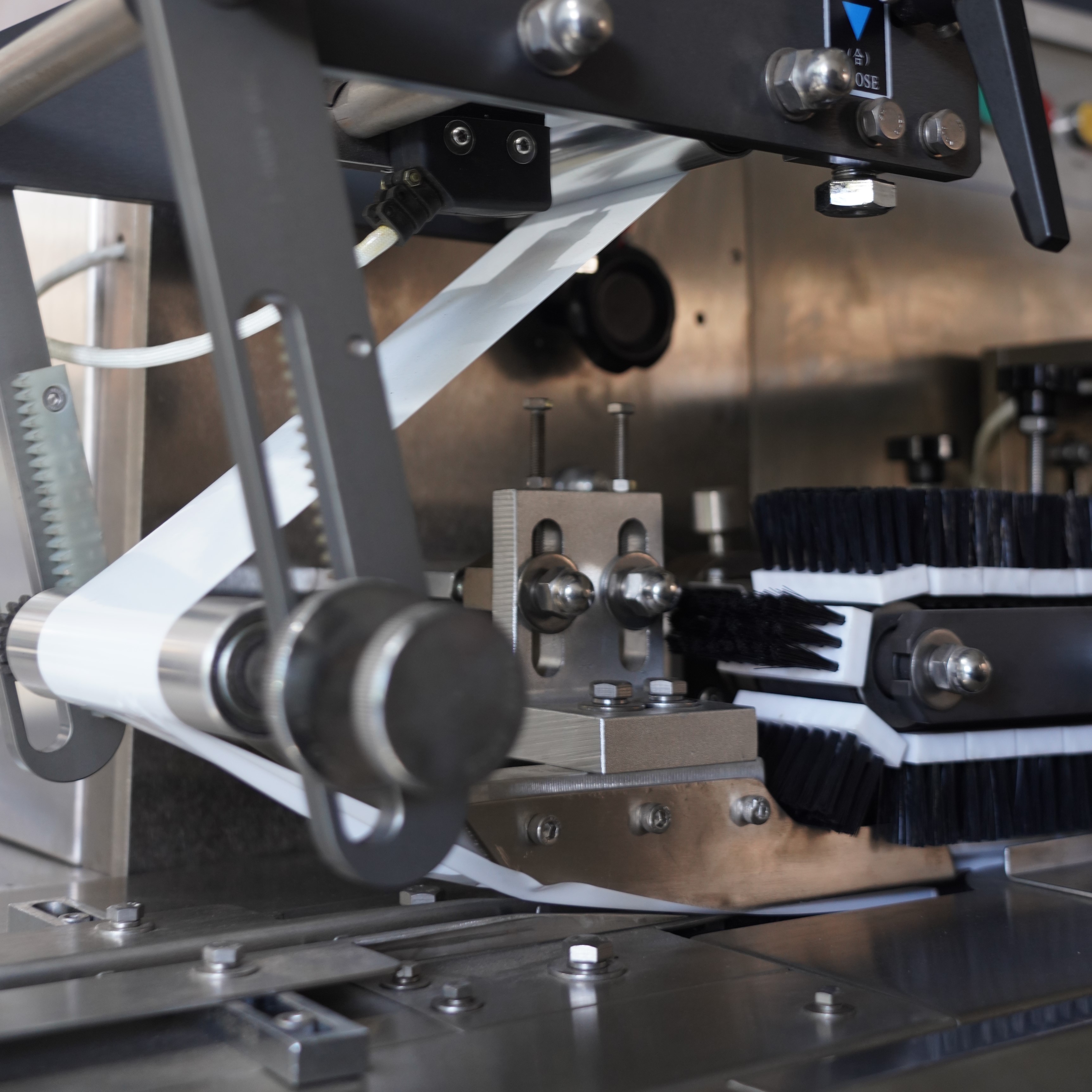
The horizontal flow pack machine has become an essential tool for manufacturers seeking to streamline their packaging operations. However, maximizing efficiency with your horizontal flow pack machine requires a strategic approach to film usage. Many operators struggle with excessive material waste, uneven sealing, and inconsistent package quality, all of which directly impact production costs and profitability. Understanding how to properly optimize your horizontal flow pack machine film consumption is crucial for maintaining competitive advantage in today's fast-paced manufacturing environment.
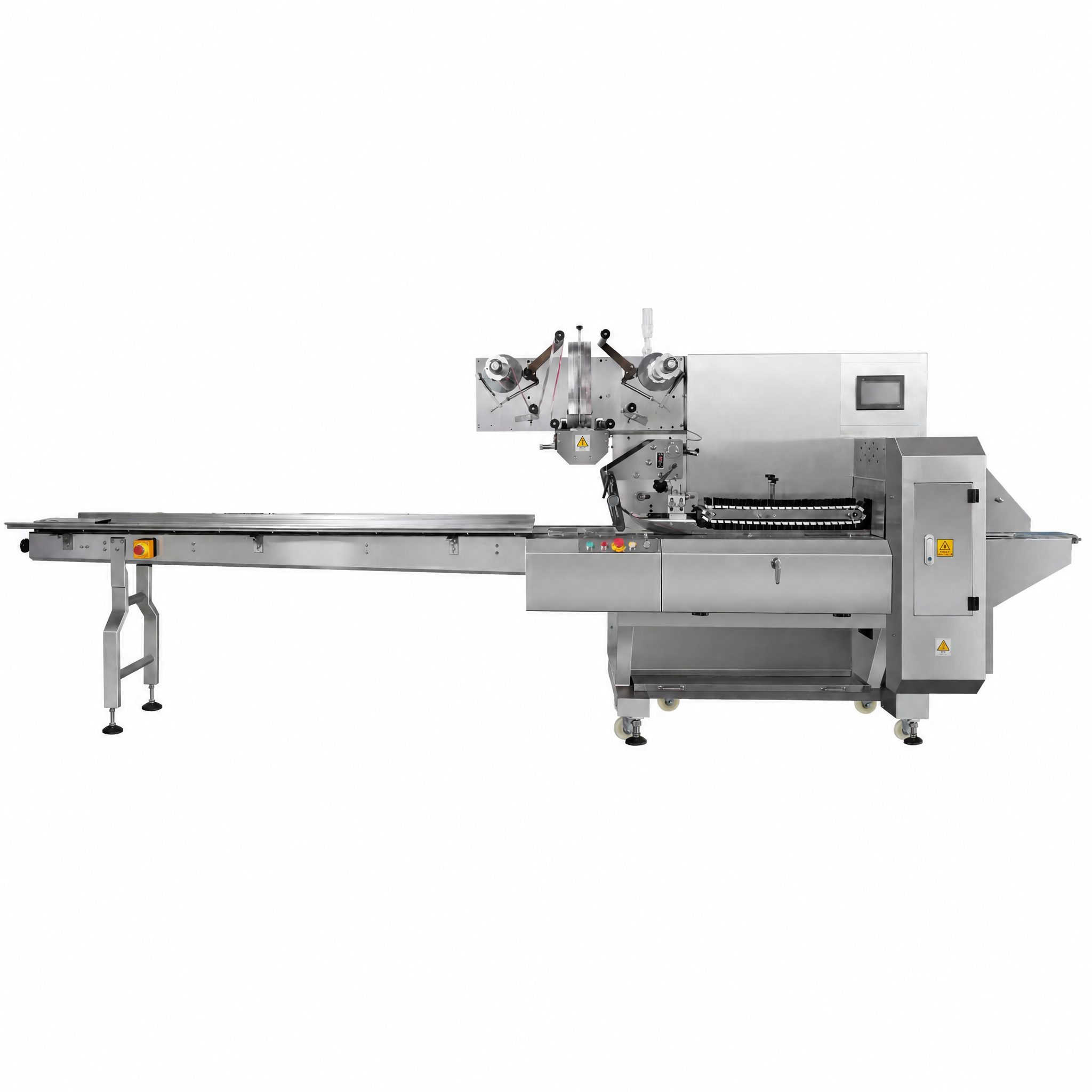
Optimizing film usage directly translates to measurable cost savings and operational improvements. A well-tuned horizontal flow pack machine not only reduces material waste but also enhances seal integrity, extends equipment lifespan, and improves overall package presentation. By implementing systematic optimization techniques, manufacturers can expect to see immediate reductions in their film consumption rates while simultaneously improving product quality and customer satisfaction.
Every horizontal flow pack machine operates by drawing film from a supply roll, wrapping it around products, and creating sealed packages through heat and pressure application. The film path through your horizontal flow pack machine involves multiple contact points where waste can occur if settings are not properly calibrated. Excess film length per cycle, improper tension control, and misaligned guide rollers all contribute to higher consumption rates. When you understand exactly how your horizontal flow pack machine moves and processes film, you gain insight into where optimization opportunities exist.
The horizontal flow pack machine film feed mechanism is designed for precision, but even minor deviations can compound into significant waste over thousands of production cycles. Film creep, wrinkle formation, and overlap inconsistencies are common challenges that lead operators to use more film than technically necessary. By monitoring these patterns closely, manufacturers can identify which aspects of their horizontal flow pack machine operation are driving excessive consumption and take targeted corrective action.
Film waste in a horizontal flow pack machine typically originates from several predictable sources. Improper registration between film advancement and product positioning can force the horizontal flow pack machine to consume extra film to achieve proper overlap. Tension irregularities cause the film to stretch inconsistently, requiring higher initial feed lengths to compensate. Temperature fluctuations in the sealing area also affect film shrinkage rates, making the horizontal flow pack machine consume varying amounts depending on ambient conditions. Understanding these specific waste sources allows technicians to implement targeted fixes rather than making blanket adjustments that might compromise package quality.
Proper film tension is fundamental to optimizing your horizontal flow pack machine's material usage. Excessive tension causes unnecessary film stretching and accelerates roller wear, while insufficient tension creates wrinkles and packaging defects. Your horizontal flow pack machine should maintain consistent, moderate tension throughout the entire film path. Most manufacturers find that tension between 2 and 5 pounds works well for standard films, but the optimal setting for your specific horizontal flow pack machine depends on film type, thickness, and product dimensions.
Synchronizing film advancement speed with product movement is equally critical for a horizontal flow pack machine. When these speeds are mismatched, the horizontal flow pack machine must either advance excessive film or hold back, both scenarios resulting in waste or quality issues. Modern horizontal flow pack machine models feature digital controls that allow precise speed matching. Investing time to dial in perfect synchronization between product feed rate and film advancement will immediately reduce the amount of film your horizontal flow pack machine requires per package.
Sealing parameters directly influence how much film your horizontal flow pack machine must use to create reliable seals. Excessive sealing temperature can over-melt film and create weak bonds that require additional overlapping material. Conversely, insufficient temperature leads to incomplete seals that your horizontal flow pack machine compensates for by increasing overlap. Finding the optimal sealing temperature for your specific film composition and thickness ensures that your horizontal flow pack machine creates strong seals with minimal material.
Dwell time, the duration the sealing bars remain in contact with the film, also affects material efficiency. A horizontal flow pack machine with properly calibrated dwell time produces consistent seal strength across every package. When dwell time is too short, seals may be unreliable, forcing your horizontal flow pack machine to use more film for safety margin. When dwell time is too long, you waste production capacity and consume unnecessary energy. Testing different dwell times on your specific horizontal flow pack machine will reveal the sweet spot that balances speed, quality, and material consumption.
A well-maintained horizontal flow pack machine operates with far greater film efficiency than one suffering from wear and misalignment. Guide rollers that are even slightly worn or dirty cause film tracking errors, forcing your horizontal flow pack machine to use correction film that is wasted. Sealing bars that are not perfectly flat or parallel create weak spots that require additional overlap. Paying attention to regular cleaning and scheduled maintenance ensures that every component of your horizontal flow pack machine functions at peak efficiency.
Preventive maintenance schedules specifically targeting film path components will yield dramatic improvements in material consumption. Inspect guide rollers weekly, clean film path surfaces regularly, and verify sealing bar alignment monthly. A horizontal flow pack machine maintained on this schedule typically consumes 5 to 10 percent less film than machines operating with deferred maintenance. The investment in maintenance discipline pays for itself quickly through reduced material costs and improved production consistency.
The type and thickness of film you select significantly impacts how your horizontal flow pack machine performs and consumes material. Thicker films generally require less overlap to achieve reliable seals, while thinner films demand greater overlap margins. Your horizontal flow pack machine may run different film materials at different speeds and temperatures, so selecting film specifications matched to your machine's capabilities ensures optimal efficiency. Consulting with your film supplier about compatibility with your specific horizontal flow pack machine model can reveal opportunities to reduce consumption through better material selection.
Testing different film options on your horizontal flow pack machine under actual production conditions provides valuable data about real-world consumption rates. Some films with superior slip properties may allow your horizontal flow pack machine to operate with reduced tension and tighter tolerance margins. Film composition also affects how the horizontal flow pack machine's heating system responds, potentially reducing sealing energy requirements. Working with your equipment manufacturer and material suppliers to optimize film selection for your particular horizontal flow pack machine application can unlock significant savings.
Industry standards suggest that properly optimized horizontal flow pack machines typically waste between 3 and 8 percent of film through startup, adjustment, and normal operational tolerance. However, machines operating without optimization attention often waste 15 to 25 percent or more. The actual percentage depends heavily on product size, film type, production volume, and operator skill level. By implementing the strategies described, you can target the lower end of the typical range and potentially achieve performance below industry averages.
Film tension, speed, and sealing parameters should be verified whenever you change product type, film supplier, or film specifications on your horizontal flow pack machine. Many manufacturers recommend quarterly recalibration even when running the same product to account for wear on guide rollers and sealing bars. If you operate your horizontal flow pack machine continuously for long production runs, monthly verification helps maintain consistent material efficiency. Environmental changes such as humidity or temperature shifts also warrant checking your horizontal flow pack machine settings.
Newer horizontal flow pack machine models feature advanced digital controls, improved sealing bar design, and more precise film tracking systems that inherently consume less material than older equipment. However, even significant investments in upgrading your horizontal flow pack machine will yield disappointing results if basic calibration and maintenance are neglected. Most manufacturers find that optimizing their current horizontal flow pack machine first, then evaluating whether upgrade benefits justify the cost, represents the most fiscally responsible approach. Proper optimization often delivers 50 to 70 percent of the improvement that equipment upgrading would provide.

2026/09/20
Premade Pouch Machines: Reduce Film Waste, Cut TCO & Achieve Faster ROI

2026/09/20
Cut Premade Pouch Machine Changeover Time by 40% with Proven Best Practices

2026/09/20
Premade Pouch Machines: Boost Throughput, Cut Waste & Improve ROI

2026/09/20
Rotary vs Inline Premade Pouch Machines: Speed, ROI & Scalability Compared

2026/09/20
Premade Pouch Machine: Boost Throughput, Cut Labor Costs & Improve Seal Integrity

2026/09/21
Premade Pouch Machine: Pouch Types, Materials & Filling Guide

