 EN
How to Reduce Film Waste with a Premade Pouch Packaging Machine?
2026/09/20
Premade Pouch Machines: Reduce Film Waste, Cut TCO & Achieve Faster ROI

2026/10/04
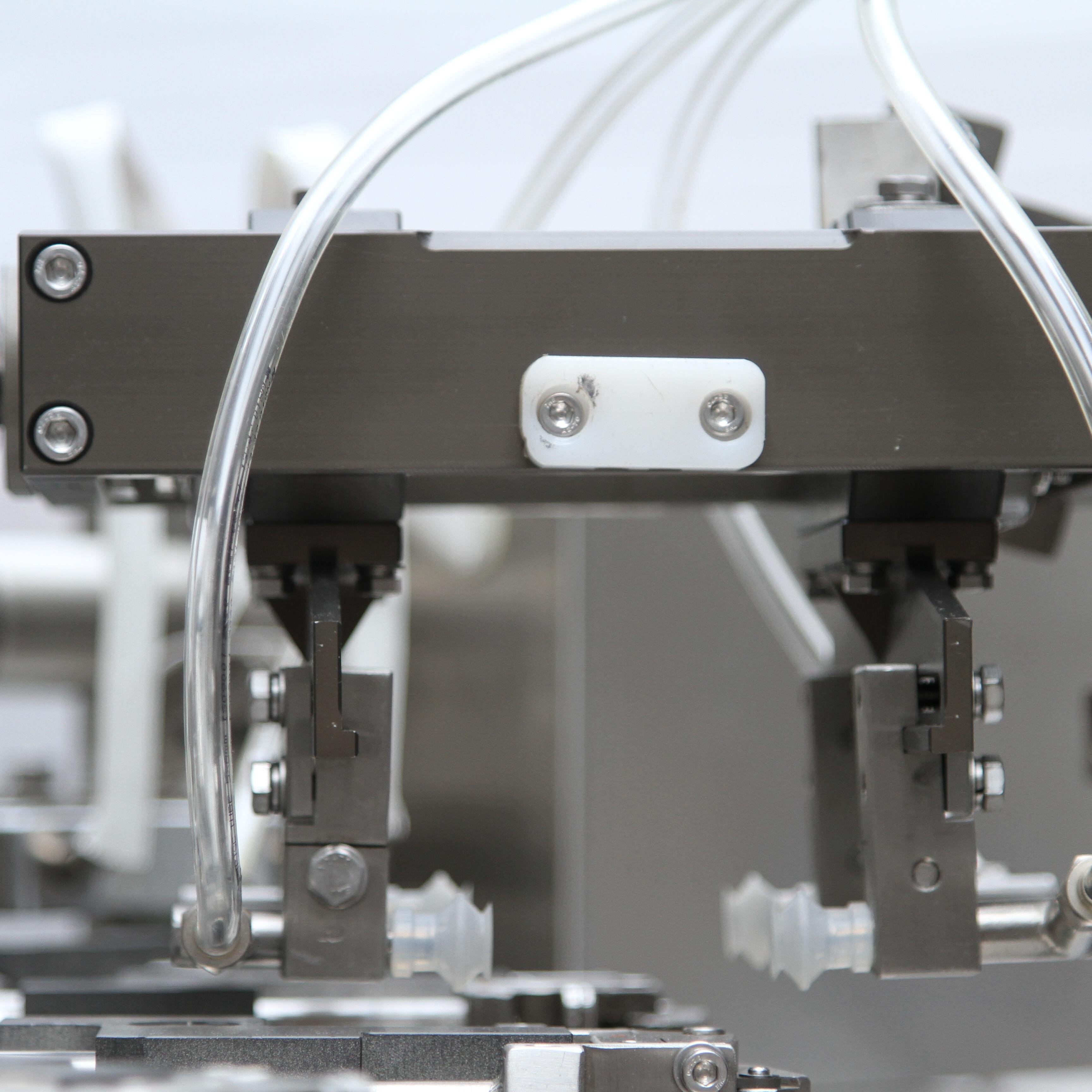
A rotary vacuum packing machine is essential equipment for businesses seeking to streamline packaging operations and deliver consistent product quality. Maximizing the output of a rotary vacuum packing machine requires understanding both its mechanical capabilities and the operational variables that influence performance. Whether you run a small food production facility or manage a large-scale packaging operation, optimizing your rotary vacuum packing machine directly impacts profitability, throughput, and customer satisfaction. This guide explores proven strategies to enhance rotary vacuum packing machine productivity while maintaining seal integrity and product protection.
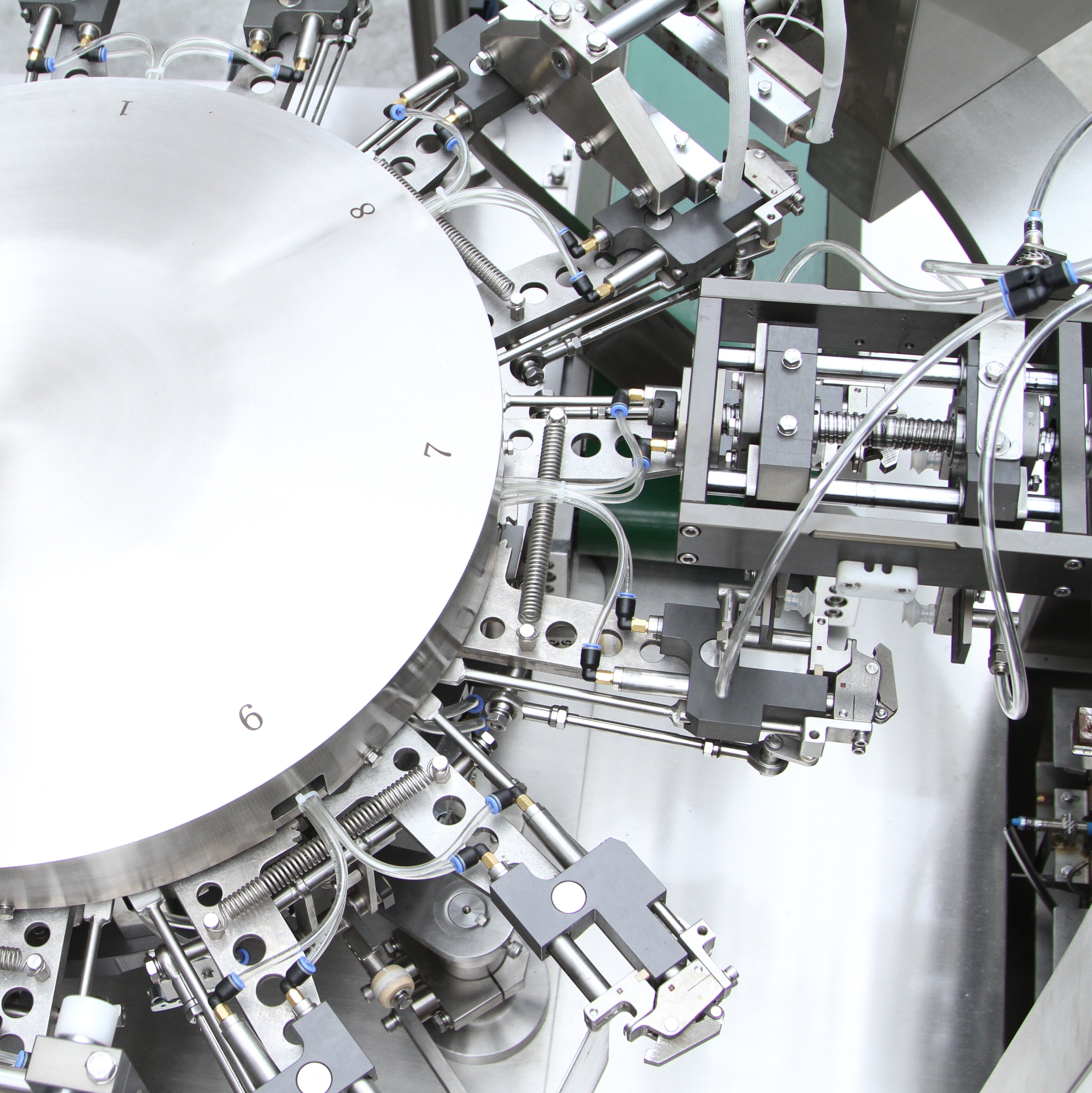
Optimizing a rotary vacuum packing machine involves multiple interconnected factors, from material settings to cycle timing and maintenance protocols. By systematically addressing each aspect of your rotary vacuum packing machine operation, you can unlock significant improvements in output without sacrificing quality or investing in entirely new equipment. Understanding how different parameters interact within your rotary vacuum packing machine will help you identify bottlenecks, reduce cycle times, and achieve measurable gains in production capacity.
The vacuum pressure setting is one of the most critical factors affecting rotary vacuum packing machine performance. A rotary vacuum packing machine requires precise pressure calibration to extract air effectively without damaging product or prolonging cycle times unnecessarily. Most modern rotary vacuum packing machine models operate between 80 and 95 percent vacuum, though specific products demand different settings. Testing your rotary vacuum packing machine at incremental pressure levels helps identify the sweet spot where seal quality remains consistent while cycle time is minimized. Lower pressure settings in your rotary vacuum packing machine reduce dwell time but risk incomplete air removal, while excessive pressure in a rotary vacuum packing machine may damage delicate items or extend processing unnecessarily.
Seal bar temperature directly influences the sealing performance of your rotary vacuum packing machine. A rotary vacuum packing machine with properly calibrated heat settings produces stronger, more consistent seals that protect product integrity throughout the supply chain. Most operators benefit from implementing a rotary vacuum packing machine temperature monitoring system that logs data for each batch, enabling continuous refinement. Seal dwell time—how long the rotary vacuum packing machine maintains heat and pressure on the seal strip—must match your film type and product characteristics. Inconsistent seal temperatures across your rotary vacuum packing machine can result in weak seals or film damage, directly reducing the effective output of that rotary vacuum packing machine until recalibration occurs.
The quality and dimensions of pre-made bags directly affect rotary vacuum packing machine cycle times and output rates. Using properly dimensioned bags with your rotary vacuum packing machine eliminates positioning delays and reduces mechanical strain on the equipment. A rotary vacuum packing machine operates most efficiently when film thickness is consistent and film storage conditions prevent moisture absorption or static buildup. Premium-grade film designed specifically for rotary vacuum packing machine use exhibits better vacuum retention and seal consistency than generic alternatives. When you optimize film selection for your rotary vacuum packing machine, you reduce reject rates and downstream quality complaints that can reduce effective output by forcing reprocessing or customer returns.
Product preparation upstream of your rotary vacuum packing machine directly impacts how quickly that rotary vacuum packing machine can process items. Items should be cleaned, dried, and positioned consistently before entering your rotary vacuum packing machine to avoid mechanical jams or positioning errors. Implementing a staging area near your rotary vacuum packing machine with standardized preparation procedures reduces operator handling time and variability. Products must align with rotary vacuum packing machine specifications regarding size, weight, and surface characteristics to maintain optimal cycle times. Pre-chilling products before they reach your rotary vacuum packing machine can improve sealing performance, particularly for products prone to deformation under vacuum pressure.
Regular maintenance is fundamental to sustaining rotary vacuum packing machine output and preventing unexpected downtime. A rotary vacuum packing machine with well-maintained vacuum pumps, heating elements, and drive systems operates at peak efficiency and requires fewer emergency repairs that disrupt production. Daily cleaning of your rotary vacuum packing machine chamber and sealing surfaces prevents residue accumulation that slows cycle times or compromises seal quality. Monthly inspections of pump performance, electrical connections, and mechanical seals on your rotary vacuum packing machine identify emerging issues before they cascade into major failures. Scheduled maintenance of your rotary vacuum packing machine typically requires only a few hours per month but can extend equipment lifespan by years and prevent losses that far exceed maintenance costs.
Skilled operators maximize the output potential of any rotary vacuum packing machine through knowledge of optimal settings and quick troubleshooting. Training operators to monitor your rotary vacuum packing machine display panels, recognize alarm patterns, and respond to minor performance shifts prevents small issues from becoming large production losses. Implementing shift logs for your rotary vacuum packing machine records when output dips, which helps correlate performance changes with specific adjustments or material batches. Many modern rotary vacuum packing machine systems offer digital interfaces that display real-time cycle times and vacuum readings, enabling operators to fine-tune performance throughout the day. Cross-training multiple staff members on your rotary vacuum packing machine ensures consistent operation and prevents knowledge bottlenecks when a primary operator is unavailable.
Reducing cycle time is the most direct path to increasing rotary vacuum packing machine output without equipment replacement. Each millisecond saved on vacuum dwell, heat application, or cooling phases multiplies across thousands of units to create substantial throughput gains. A rotary vacuum packing machine can often reduce cycle times by 10 to 20 percent through careful parameter refinement while maintaining seal quality benchmarks. Analyzing historical cycle data from your rotary vacuum packing machine identifies which phases consume the most time and offer the greatest optimization potential. Some rotary vacuum packing machine operators reduce overall cycle time by combining parallel processes—such as pre-positioning the next bag during the sealing phase of the current cycle.
The rotary vacuum packing machine output is constrained not only by the machine itself but by how efficiently products flow to and from the equipment. Buffering systems before your rotary vacuum packing machine ensure a continuous feed of prepared products without operator delays or gaps in machine runtime. Conveyor belt synchronization with your rotary vacuum packing machine prevents bottlenecks where finished packages back up and force your rotary vacuum packing machine to pause unnecessarily. Modular rotary vacuum packing machine designs integrate easily with labeling, metal detection, or secondary packaging systems, allowing seamless workflow optimization across the entire line. Companies that align rotary vacuum packing machine output with packaging line speed report efficiency gains of 15 to 30 percent through improved material flow.
A rotary vacuum packing machine typically processes between 20 and 120 bags per minute, depending on model size, product dimensions, and optimization level. Entry-level rotary vacuum packing machine units operate at the lower end of this range, while high-speed industrial rotary vacuum packing machine systems approach or exceed 120 bags per minute. Your specific rotary vacuum packing machine output capacity depends on cycle time settings, bag dimensions, and product characteristics. Consulting your equipment manual provides baseline specifications, but real-world rotary vacuum packing machine output often increases after optimization.
Most rotary vacuum packing machine systems benefit from preventive maintenance every 200 to 500 operating hours, or approximately monthly for continuous operations. A rotary vacuum packing machine used intermittently may require quarterly servicing instead. Daily cleaning of your rotary vacuum packing machine chamber and annual inspection of seals, pumps, and electrical components maintain long-term reliability. Following the maintenance schedule specified in your rotary vacuum packing machine documentation prevents premature wear and ensures consistent output performance throughout the equipment's lifespan.
Many existing rotary vacuum packing machine installations can achieve modest output improvements through parameter adjustments, seal bar replacement, and pump servicing. A rotary vacuum packing machine more than 10 years old may benefit from controller upgrades or vacuum pump refurbishment that enhance cycle speed and reliability. However, significantly expanding capacity often requires replacing an older rotary vacuum packing machine with newer, faster models designed for current production demands. Consulting with equipment specialists helps determine whether your rotary vacuum packing machine is worth upgrading or whether replacement offers better long-term value.

2026/09/20
Premade Pouch Machines: Reduce Film Waste, Cut TCO & Achieve Faster ROI

2026/09/20
Cut Premade Pouch Machine Changeover Time by 40% with Proven Best Practices

2026/09/20
Premade Pouch Machines: Boost Throughput, Cut Waste & Improve ROI

2026/09/20
Rotary vs Inline Premade Pouch Machines: Speed, ROI & Scalability Compared

2026/09/20
Premade Pouch Machine: Boost Throughput, Cut Labor Costs & Improve Seal Integrity

2026/09/21
Premade Pouch Machine: Pouch Types, Materials & Filling Guide

