 EN
How to Reduce Film Waste with a Premade Pouch Packaging Machine?
2026/09/20
Premade Pouch Machines: Reduce Film Waste, Cut TCO & Achieve Faster ROI

2026/09/29
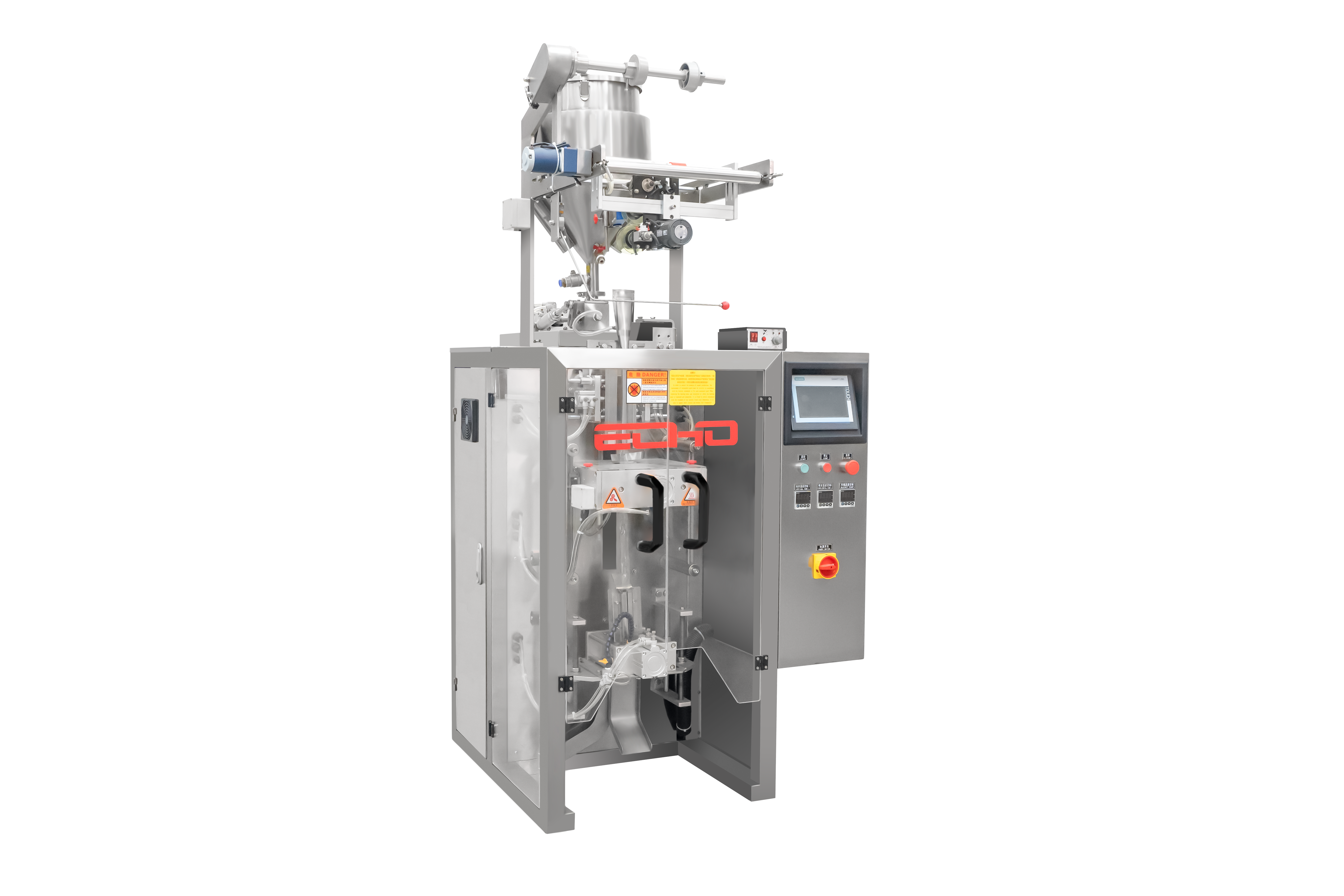
The vertical form fill seal machine is one of the most efficient packaging solutions available in the industrial sector today. Optimizing output from a vertical form fill seal machine directly impacts profitability, production speed, and competitive positioning in the marketplace. Every facility running a vertical form fill seal machine has the same goal: maximize throughput while maintaining product quality and consistency. The difference between adequate performance and exceptional performance often comes down to understanding the specific operational factors that influence how a vertical form fill seal machine performs under various conditions.
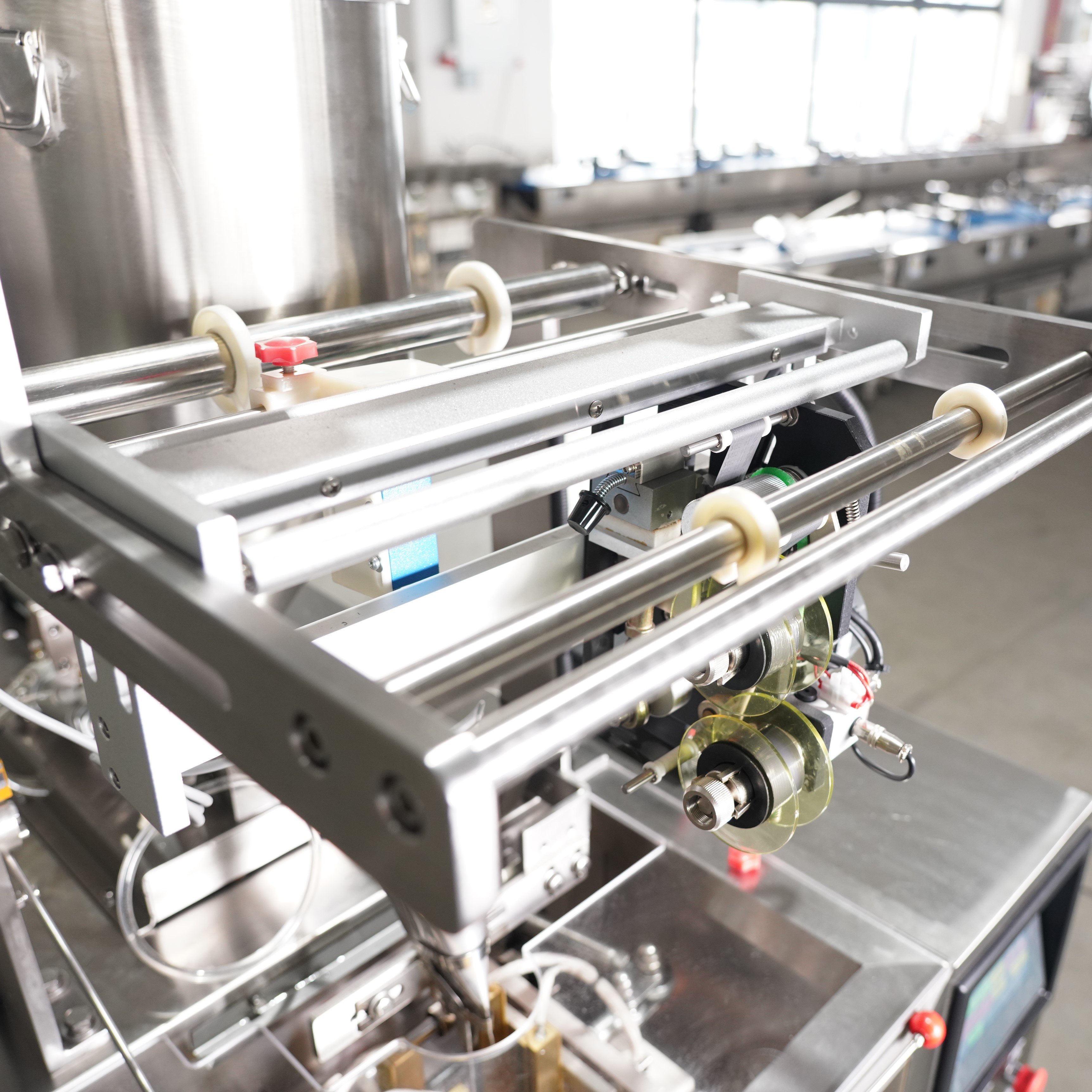
Operators and production managers must recognize that a vertical form fill seal machine requires intentional tuning and monitoring to deliver its maximum potential. The factors affecting output range from basic mechanical adjustments to material handling practices and maintenance protocols. Understanding how each element contributes to overall performance allows teams to implement targeted improvements that yield measurable results across shifts and production runs.
The sealing mechanism is central to every vertical form fill seal machine operation. Improper seal temperature or pressure creates defects, slows production, and increases waste. Every vertical form fill seal machine needs precise seal temperature calibration matched to the specific film material being used. Temperature that is too low results in weak seals that fail quality inspection, while excessive temperature damages the film or creates brittleness. Similarly, seal pressure must balance creating a strong bond without creating excessive heat generation or damaging the film structure.
Testing seal quality at startup and throughout production runs ensures a vertical form fill seal machine maintains consistent output. Regular seal strength testing using standardized methods provides objective data about whether current settings are optimal. Many operators adjust these parameters based on seasonal humidity changes or when switching between film suppliers, which directly improves how efficiently the vertical form fill seal machine runs. Documentation of successful settings for each material type accelerates setup times during product changeovers.
Precise timing between the forming station and filling head determines how quickly a vertical form fill seal machine can cycle. If the fill head dispenses product before the form blade has fully shaped the pouch, spillage occurs and production slows. If timing is too conservative, the vertical form fill seal machine wastes valuable cycle time waiting unnecessarily. Modern vertical form fill seal machine controls allow millisecond-level adjustments that can significantly impact throughput when properly configured.
The relationship between form blade position, fill volume, and seal timing creates an interdependent system. When adjusting any one parameter on a vertical form fill seal machine, the others require validation. A vertical form fill seal machine running at optimal timing can handle faster film speed without sacrificing pouch quality or consistency. Testing incremental timing adjustments and measuring both speed and quality metrics reveals the true performance ceiling for each material and product combination.
Film tension directly influences how efficiently a vertical form fill seal machine operates. Inconsistent tension causes misalignment, wrinkles, and sealing defects that interrupt production. A vertical form fill seal machine with properly maintained film tension allows faster speeds and fewer rejects. Tension settings must account for film width, thickness, and material composition. High-quality film from consistent suppliers reduces variability that would otherwise slow a vertical form fill seal machine during the quality verification process.
The unwind station feeding film to a vertical form fill seal machine requires regular inspection and adjustment. Worn rollers or misaligned guides create uneven tension that propagates problems throughout the forming and sealing process. Regular maintenance of these components ensures film moves smoothly through the vertical form fill seal machine without slippage or drift. Some facilities find that upgrading to precision-engineered film guides noticeably improves the speed at which their vertical form fill seal machine can operate reliably.
The hopper and feed mechanism must supply product to a vertical form fill seal machine at precisely controlled rates. If product arrives too slowly, the vertical form fill seal machine pauses and waits, reducing overall output. If product flow is uncontrolled, the filling head on a vertical form fill seal machine overfills pouches, causing waste and quality failures. Matching the product feed rate to the sealing cycle speed of the vertical form fill seal machine eliminates bottlenecks that artificially limit production capacity.
Vibration control in the hopper directly affects how consistently a vertical form fill seal machine fills each pouch. Excessive vibration creates bridging where product clogs in the hopper, starving the vertical form fill seal machine of material. Insufficient vibration allows product to flow unevenly. Finding the optimal vibration setting for each product type enables a vertical form fill seal machine to maintain steady-state production with minimal filling variability. This consistency is a key driver of output and reject rate reduction.
A vertical form fill seal machine running at optimal output requires preventive maintenance following manufacturer specifications and industry best practices. Components like sealing strips, forming blades, and rollers wear over time, gradually degrading performance. Monitoring wear indicators and replacing components before failure prevents unplanned downtime that drastically cuts production. Facilities that implement scheduled maintenance programs see their vertical form fill seal machine operate at higher average speeds with fewer interruptions than those relying on breakdown repair.
Keeping detailed maintenance logs for each vertical form fill seal machine creates a historical record that identifies patterns. If a particular component fails repeatedly at specific intervals, that pattern informs procurement and maintenance schedules. Using genuine replacement parts ensures a vertical form fill seal machine performs as designed. Some operations optimize their vertical form fill seal machine by maintaining spare subassemblies that can be swapped quickly, minimizing changeover time and maintenance windows.
Proper lubrication reduces friction and wear that slow a vertical form fill seal machine over extended operation. Food-grade or pharmaceutical-grade lubricants must be used depending on product contact requirements. A vertical form fill seal machine with inadequate lubrication exhibits increased drag, higher power consumption, and reduced speed capability. Establishing regular lubrication intervals keeps the vertical form fill seal machine running smoothly throughout extended production runs. Dry or degraded lubricant increases the mechanical stress on motors and drive systems, ultimately limiting how fast the machine can operate.
Product residue, dust, and packaging material fragments accumulate inside a vertical form fill seal machine and compromise performance. Regular cleaning removes blockages that restrict air flow or jam moving parts. A vertical form fill seal machine kept clean operates cooler, experiences less mechanical stress, and achieves faster cycle times. Establishing cleaning frequency based on product type and production volume ensures that cleanliness does not become a hidden constraint on output.
Cycle time improvements from a vertical form fill seal machine optimization depend on the starting point. Facilities that have not recently reviewed settings often see 10–25% improvements through seal calibration and timing adjustments alone. A vertical form fill seal machine operating with poor film tension or product feed synchronization might achieve 20–30% output gains by addressing those specific factors. Best results come from comprehensive optimization of a vertical form fill seal machine, where mechanical, material, and maintenance factors are systematically improved, sometimes yielding 30–40% throughput increases.
Seal settings on a vertical form fill seal machine should be verified at the start of each production shift and whenever material suppliers or product specifications change. A vertical form fill seal machine often requires seasonal adjustments due to humidity or temperature fluctuations. Many operators run quality seal tests every 4–8 hours during continuous operation to catch drift before it creates rejects. Regular verification ensures a vertical form fill seal machine maintains consistent output and quality throughout its operational life.
Many vertical form fill seal machine models support component upgrades that improve performance. Replacing worn sealing strips, upgrading to precision film guides, or installing faster-response fill heads can increase the speed a vertical form fill seal machine operates reliably. However, all upgraded components must be compatible with the machine's control system and framework. Before investing in upgrades, verify with the manufacturer that a vertical form fill seal machine can mechanically and electrically support faster operation without compromising seal quality or safety.

2026/09/20
Premade Pouch Machines: Reduce Film Waste, Cut TCO & Achieve Faster ROI

2026/09/20
Cut Premade Pouch Machine Changeover Time by 40% with Proven Best Practices

2026/09/20
Premade Pouch Machines: Boost Throughput, Cut Waste & Improve ROI

2026/09/20
Rotary vs Inline Premade Pouch Machines: Speed, ROI & Scalability Compared

2026/09/20
Premade Pouch Machine: Boost Throughput, Cut Labor Costs & Improve Seal Integrity

2026/09/21
Premade Pouch Machine: Pouch Types, Materials & Filling Guide

