 EN
How to Reduce Film Waste with a Premade Pouch Packaging Machine?
2026/09/20
Premade Pouch Machines: Reduce Film Waste, Cut TCO & Achieve Faster ROI

2026/10/06
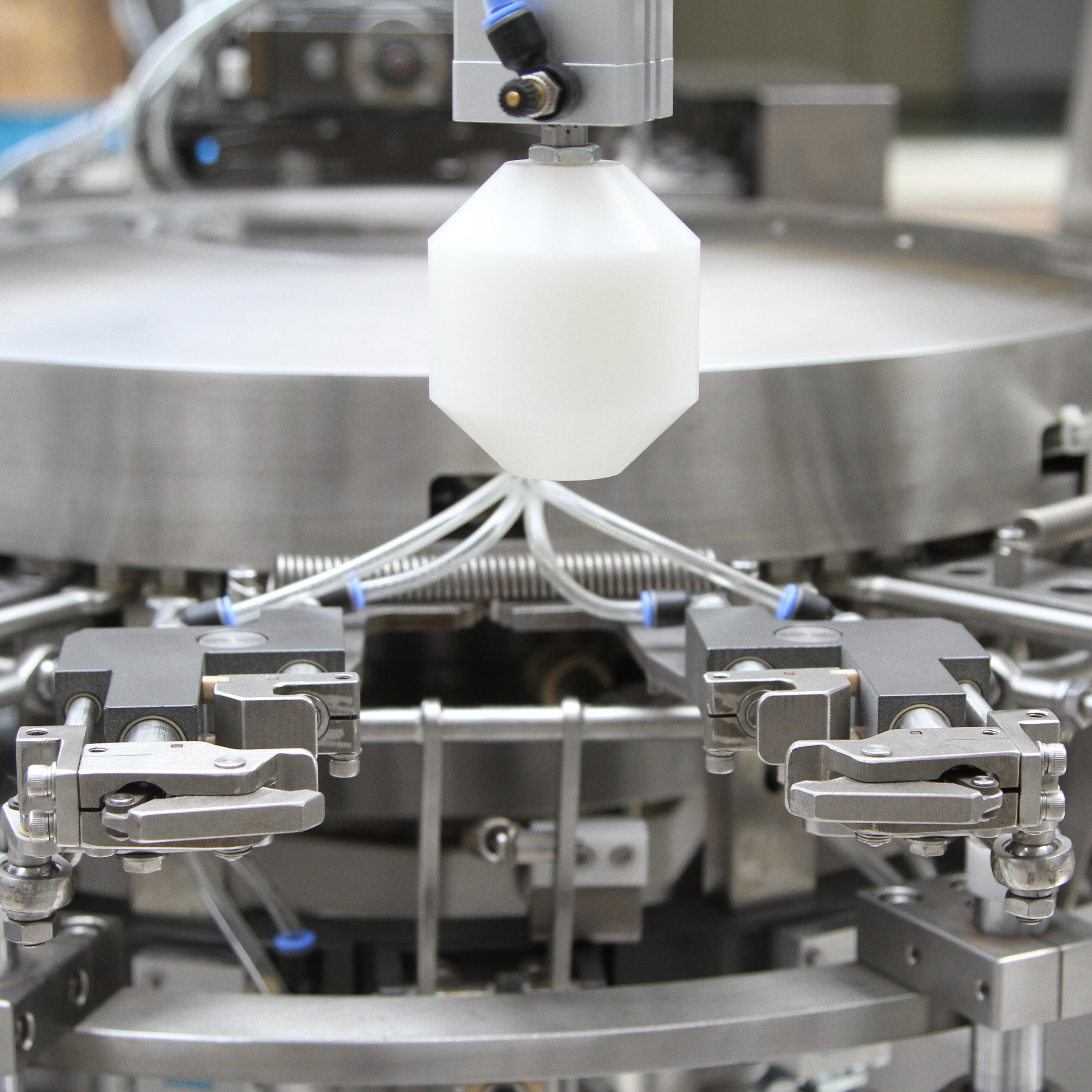
Planning a rotary vacuum packing machine production line requires strategic thinking and careful consideration of multiple operational factors. A rotary vacuum packing machine represents a significant capital investment for food processing facilities, whether you're packaging meats, fish, vegetables, or specialty products. The success of your production line depends not just on equipment selection but on how well you integrate the rotary vacuum packing machine into your existing workflow, facility layout, and output targets. This guide walks you through the essential planning stages that will help you maximize efficiency, minimize downtime, and achieve consistent product quality.
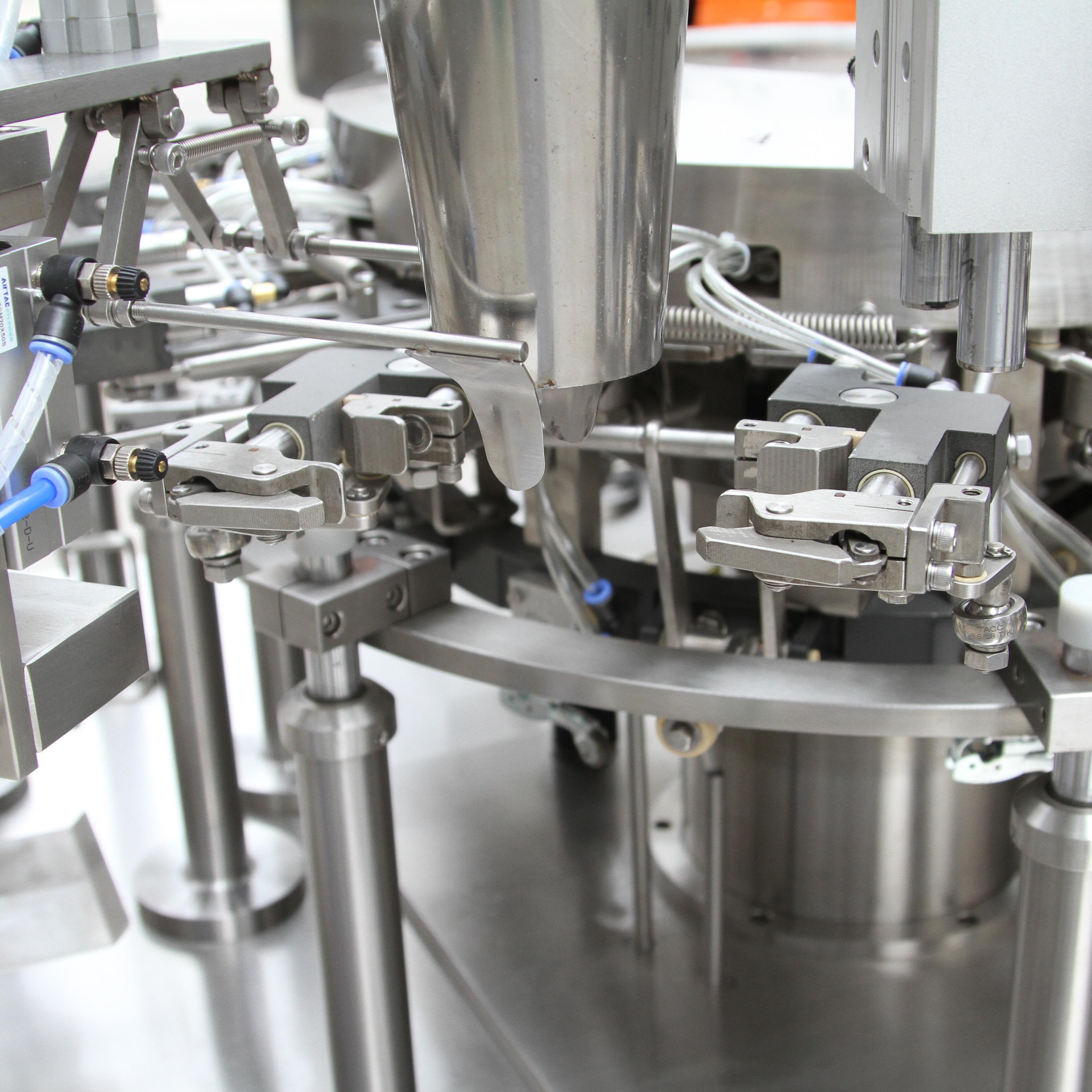
Understanding the fundamental role of a rotary vacuum packing machine in your production environment is the first critical step. Modern food processing demands speed, consistency, and precision—qualities that a rotary vacuum packing machine delivers. Before selecting or installing equipment, you must evaluate your current capacity requirements, future growth projections, and the specific product characteristics you'll be packing. Taking time to plan prevents costly mistakes, reduces installation delays, and ensures your rotary vacuum packing machine operates at optimal performance from day one.
The first planning stage involves analyzing your target production volume and speed requirements. Your rotary vacuum packing machine must match or exceed your production targets without creating bottlenecks. Calculate the number of packages you need to produce daily or hourly, then divide by the machine's cycles per minute to determine if the rotary vacuum packing machine capacity aligns with your goals. If your facility processes 500 packages per hour and your rotary vacuum packing machine delivers 100 cycles per minute, you'll have sufficient capacity with room for maintenance windows and slower production periods.
Different products require different handling approaches within your rotary vacuum packing machine production line. Delicate items like fresh fish require gentler vacuum settings than robust products such as cured meats. A flexible rotary vacuum packing machine allows adjustment of vacuum pressure, seal temperature, and cycle timing to accommodate your product range. During planning, document each product type, its optimal vacuum level, seal requirements, and weight specifications. This information directly influences which rotary vacuum packing machine model and configuration will serve your operation most effectively and prevents costly retrofits later.
Physical placement of your rotary vacuum packing machine within the production area significantly impacts workflow efficiency. The rotary vacuum packing machine should sit downstream of product preparation and immediately upstream of labeling, quality checks, and palletization. Ensure adequate space on both sides for operators to load input trays and remove finished packages without interruption. Consider utility access points for power, compressed air, and water that your rotary vacuum packing machine requires. Planning the layout before installation prevents workflow disruptions and ensures your rotary vacuum packing machine integrates smoothly with upstream and downstream processes.
A rotary vacuum packing machine doesn't operate in isolation. You'll need staging areas where prepared products await processing, output stations where sealed packages cool and stabilize, and quality control checkpoints. Design your production line so material flows continuously to and from your rotary vacuum packing machine without congestion. Install proper lighting and ergonomic workstations where operators monitor and feed the rotary vacuum packing machine. Inadequate support infrastructure forces manual interventions that slow your rotary vacuum packing machine, creating inefficiencies that compound throughout the day and reduce your return on investment.
A rotary vacuum packing machine requires scheduled maintenance to preserve performance and extend equipment life. Before installation, plan maintenance windows that don't conflict with peak production periods. Your rotary vacuum packing machine seals rely on precise temperature control and vacuum calibration—both drift over time and require regular checks. Identify which components wear regularly in your rotary vacuum packing machine and establish replacement intervals. Create documentation systems that track maintenance history, seal performance trends, and any adjustments made to your rotary vacuum packing machine settings. Preventive planning reduces emergency breakdowns that halt production and damage your reputation.
Staff competency directly affects your rotary vacuum packing machine's output quality and equipment reliability. Before the rotary vacuum packing machine arrives, designate primary operators and backup staff for training. Develop written standard operating procedures specific to your rotary vacuum packing machine, covering startup sequences, product loading, cycle monitoring, alarm responses, and shutdown protocols. Include troubleshooting guides that help operators diagnose common issues with your rotary vacuum packing machine without waiting for service technicians. Well-trained staff maximize your rotary vacuum packing machine's uptime and identify quality issues early, protecting product integrity and customer satisfaction.
Your rotary vacuum packing machine planning must include supply chain alignment. Establish reliable sources for vacuum bags, films, and labels that match your rotary vacuum packing machine's specifications. Create inventory buffers that prevent production delays when materials arrive late. Your rotary vacuum packing machine operates at specific speeds; insufficient packaging materials create downtime that wastes capacity. Simultaneously, ensure product preparation timelines feed packages to your rotary vacuum packing machine continuously. Mismatched supply and production timing forces your rotary vacuum packing machine to idle, reducing efficiency and inflating per-unit operating costs.
Sealed packages exiting your rotary vacuum packing machine need appropriate handling to preserve quality. Plan cold storage space if your products require temperature control post-sealing. Your rotary vacuum packing machine output might feed directly into palletization systems or require brief staging before secondary operations. Establish clear protocols for package identification, lot tracking, and quality hold periods. Inadequate post-packing infrastructure creates congestion at your rotary vacuum packing machine discharge point, forcing operators to manually stage packages and reducing overall production efficiency and throughput.
Prioritize production speed measured in cycles per minute, vacuum chamber capacity suited to your package sizes, temperature range flexibility for different products, and reliability in your facility's environmental conditions. A rotary vacuum packing machine must handle your maximum daily volume with margin for peak seasons. Consider power consumption, compressed air requirements, and space footprint. Match the rotary vacuum packing machine's output capacity to your downstream processes—an oversized rotary vacuum packing machine creates bottlenecks elsewhere, while undersizing limits revenue potential. Request performance data and site references from the rotary vacuum packing machine manufacturer.
A rotary vacuum packing machine itself typically occupies 8 to 12 square meters including the machine base, but your complete production line requires significantly more. Account for input staging areas where products await processing, sufficient workspace on both sides of the rotary vacuum packing machine for operator access, output cooling or staging zones, and utility corridors for maintenance. A functional rotary vacuum packing machine production line usually requires 25 to 50 square meters depending on your production volume and support equipment. During planning, measure your available space and request the rotary vacuum packing machine manufacturer's detailed dimensional specifications and utility requirements to confirm proper fit.
Yes, but integration requires careful planning of upstream feeding and downstream output handling. Your rotary vacuum packing machine must receive prepared products at a consistent pace matching its cycle speed—existing processes may need adjustment to achieve this rhythm. Similarly, your rotary vacuum packing machine output must flow smoothly to labeling, storage, or distribution without manual handling delays. Many facilities successfully retrofit a rotary vacuum packing machine into existing lines by optimizing adjacent processes rather than complete redesign. Consult with the rotary vacuum packing machine manufacturer about integration feasibility with your current equipment configuration before committing to purchase.

2026/09/20
Premade Pouch Machines: Reduce Film Waste, Cut TCO & Achieve Faster ROI

2026/09/20
Cut Premade Pouch Machine Changeover Time by 40% with Proven Best Practices

2026/09/20
Premade Pouch Machines: Boost Throughput, Cut Waste & Improve ROI

2026/09/20
Rotary vs Inline Premade Pouch Machines: Speed, ROI & Scalability Compared

2026/09/20
Premade Pouch Machine: Boost Throughput, Cut Labor Costs & Improve Seal Integrity

2026/09/21
Premade Pouch Machine: Pouch Types, Materials & Filling Guide

