 EN
How to Reduce Film Waste with a Premade Pouch Packaging Machine?
2026/09/20
Premade Pouch Machines: Reduce Film Waste, Cut TCO & Achieve Faster ROI

2026/10/02
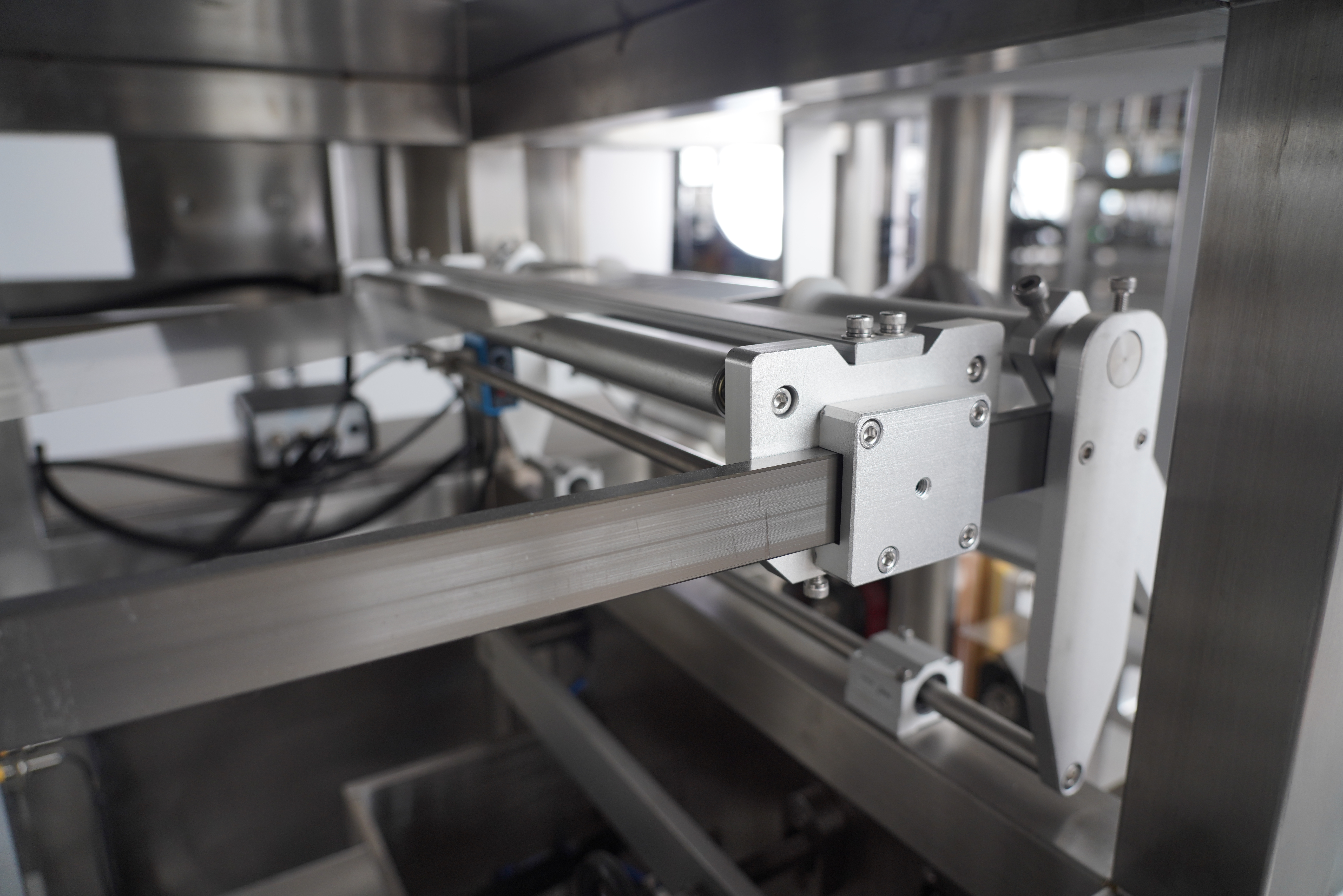
Planning a vertical packaging machine workstation requires careful consideration of space, workflow, safety standards, and operational efficiency. A well-designed vertical packaging machine setup directly impacts production output, employee safety, and long-term maintenance accessibility. Whether you're installing your first vertical packaging machine or upgrading an existing line, strategic workstation planning ensures smooth operations and minimizes costly downtime. This guide walks you through the essential steps to design a vertical packaging machine workstation that meets your production demands and regulatory requirements.
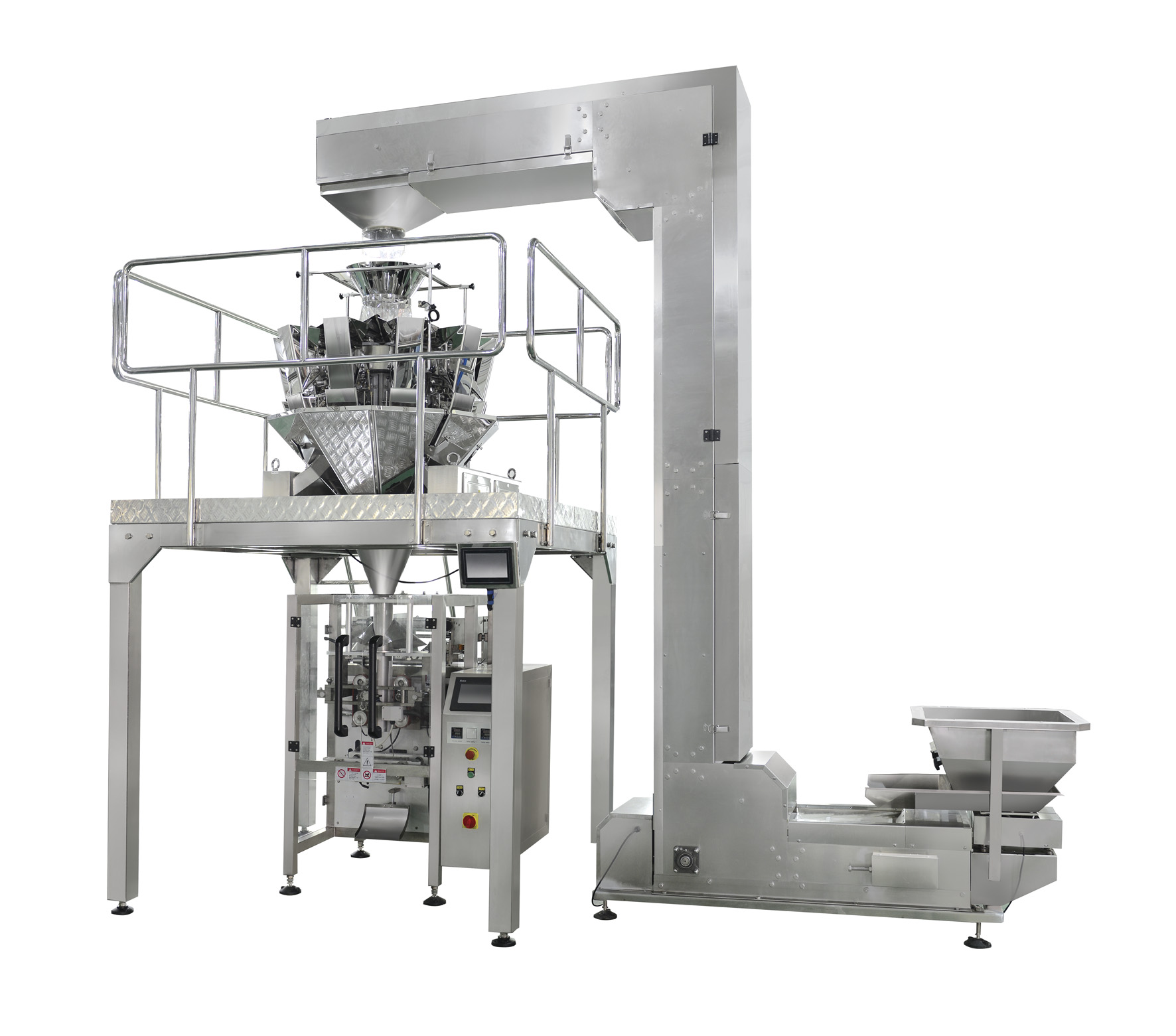
The success of any vertical packaging machine installation depends on how thoroughly you plan the physical workstation layout before equipment arrives on-site. A vertical packaging machine requires adequate floor space, utility connections, material handling access, and operator clearance zones. Taking time to assess your facility's constraints and the specific requirements of your chosen vertical packaging machine model prevents expensive modifications later and accelerates time to full production capacity.
A vertical packaging machine demands more floor footprint than many operators initially anticipate. Standard installations require clearance on all sides for material feeding, operator access, and maintenance. The vertical packaging machine footprint itself ranges from 1.5 square meters for compact models to 3 square meters for high-speed production units. Beyond the machine itself, you must allocate space for incoming material staging, finished product stacking, and a buffer zone around the vertical packaging machine for safe operations and emergency egress.
When planning the vertical packaging machine workstation layout, orient the equipment to align with material flow patterns in your facility. Position the vertical packaging machine so that raw materials enter from one direction and finished packages exit toward your warehouse or packing station. This linear flow minimizes product handling, reduces trip time for operators, and simplifies the supervision of your vertical packaging machine during shifts. Consider ceiling height as well; a vertical packaging machine typically requires 2.5 to 3 meters of vertical clearance to accommodate the machine height, control panels, and routine service access above the unit.
Every vertical packaging machine requires multiple utility connections: electrical power, compressed air, and sometimes water or nitrogen. Before finalizing your vertical packaging machine layout, verify that your facility can supply these utilities at the required capacity and proximity to the workstation. Electrical requirements for a vertical packaging machine typically range from 5 to 15 kilowatts depending on speed and features. Pneumatic systems feeding your vertical packaging machine need clean, dry air at 0.6 to 0.8 megapascals, delivered through properly sized hoses positioned away from walkways to prevent tripping hazards.
Plan utility routing carefully so that hoses and electrical cables do not cross pedestrian areas or create pinch points. Install cable trays or conduit above or below floor level whenever possible. Position your vertical packaging machine close enough to utility sources to minimize line length but far enough from high-vibration machinery to prevent interference. For a vertical packaging machine that processes moisture-sensitive products, humidity control and temperature stability become critical; ensure your facility's HVAC system can maintain the environmental conditions your vertical packaging machine and products require.
A vertical packaging machine workstation must be designed with operator comfort and efficiency in mind. Operators spend entire shifts monitoring, adjusting, and maintaining the vertical packaging machine, so ergonomic placement of controls, displays, and adjustment points directly affects productivity and injury prevention. Position control panels and touchscreens at eye level or within the operator's natural reach envelope when the vertical packaging machine is running. Ensure that operators can stand comfortably while monitoring the vertical packaging machine without reaching awkwardly or bending excessively.
Access points around the vertical packaging machine should accommodate routine tasks such as material loading, seal quality inspection, and film or label changes. Design the vertical packaging machine workstation so operators can reach these points without stepping onto platforms or using ladders for extended periods. Install non-slip surfaces around the base of the vertical packaging machine and provide handholds where operators must work at elevated positions. A well-planned vertical packaging machine workstation reduces repetitive strain injuries, improves job satisfaction, and lowers turnover among your production team.
Industrial safety regulations require guard rails and barriers around moving machinery. When setting up your vertical packaging machine workstation, install appropriate guarding to prevent operator contact with sealing mechanisms, film drive systems, and cutting blades. A vertical packaging machine typically includes integrated guards, but your workstation design must complement these with perimeter fencing if the machine operates in a shared production area. Ensure the vertical packaging machine has at least one clearly marked emergency stop button positioned within arm's reach of normal operator positions and visible from all sides of the machine.
Establish clear emergency egress routes from your vertical packaging machine workstation, ensuring at least two exits accessible without crossing high-risk areas. Mark all electrical disconnect points and emergency shut-off locations near the vertical packaging machine installation with high-visibility labels. Train all staff on lockout-tagout procedures before anyone services your vertical packaging machine. A comprehensive vertical packaging machine workstation design includes documented safety procedures, regular equipment inspections, and operator training certification records.
Your vertical packaging machine does not operate in isolation; it must integrate smoothly with upstream filling systems and downstream packaging or labeling equipment. When planning the vertical packaging machine workstation, coordinate material flow with filling stations, product hoppers, or conveyor systems that feed the vertical packaging machine. The height and position of material input to the vertical packaging machine should align with your filling line to prevent spillage and reduce manual transfer steps. Similarly, position discharge points of the vertical packaging machine to direct finished packages directly onto outbound conveyors or into collection bins with minimal manual handling.
Consider the speed and capacity of your vertical packaging machine when designing material supply logistics. If your vertical packaging machine operates at 80 packages per minute, your material supply and downstream handling systems must keep pace without creating bottlenecks. A vertical packaging machine running faster than upstream supply rate wastes capacity; similarly, if the vertical packaging machine cannot keep pace with downstream demand, you create inventory jams.
Every vertical packaging machine workstation should include a designated quality control inspection point where samples can be pulled and checked regularly. Position this station within sight of the vertical packaging machine so inspectors can quickly return to the operator if seal quality, fill weight, or label alignment issues are detected. Install adequate lighting above the inspection area and provide tools for weight checks, dimension verification, and seal strength testing of packages coming from your vertical packaging machine. Document all quality checks performed on packages from your vertical packaging machine, maintaining records that demonstrate compliance with food safety or pharmaceutical regulations applicable to your products.
Near the vertical packaging machine workstation, create a dedicated area for operator documentation and parameter logs. Include a mounted chart or digital display showing current vertical packaging machine settings, changeover history, and maintenance records. This centralized documentation helps new operators quickly understand the vertical packaging machine configuration and enables faster troubleshooting if production issues arise. A well-organized vertical packaging machine workstation reduces setup time for changeovers and improves consistency across production shifts.
Minimum floor space for a vertical packaging machine typically ranges from 1.5 to 3 square meters for the machine itself, plus additional space for material staging, finished product collection, and safe operator access. Total workstation area usually requires 4 to 6 square meters when including surrounding work zones. Ceiling height must accommodate the vertical packaging machine height, control panels, and routine maintenance access, typically requiring 2.5 to 3 meters of clearance above the floor.
Utilities should be routed using elevated cable trays or floor-level conduit to prevent tripping hazards and damage. Position the vertical packaging machine close enough to electrical and pneumatic sources to minimize line length while avoiding interference from high-vibration machinery. Ensure electrical supply matches the vertical packaging machine power requirements, typically 5 to 15 kilowatts, and compressed air supply delivers clean, dry air at 0.6 to 0.8 megapascals through properly sized hoses.
A vertical packaging machine workstation must include perimeter guarding, an easily accessible emergency stop button, slip-resistant surfaces, and clearly marked emergency exits. The workstation design should facilitate vertical packaging machine lockout-tagout procedures, include high-visibility labels for electrical disconnect points, and provide comprehensive operator training documentation. Regular safety inspections and maintenance records should be maintained at the vertical packaging machine workstation location.

2026/09/20
Premade Pouch Machines: Reduce Film Waste, Cut TCO & Achieve Faster ROI

2026/09/20
Cut Premade Pouch Machine Changeover Time by 40% with Proven Best Practices

2026/09/20
Premade Pouch Machines: Boost Throughput, Cut Waste & Improve ROI

2026/09/20
Rotary vs Inline Premade Pouch Machines: Speed, ROI & Scalability Compared

2026/09/20
Premade Pouch Machine: Boost Throughput, Cut Labor Costs & Improve Seal Integrity

2026/09/21
Premade Pouch Machine: Pouch Types, Materials & Filling Guide

