 EN
How to Reduce Film Waste with a Premade Pouch Packaging Machine?
2026/09/20
Premade Pouch Machines: Reduce Film Waste, Cut TCO & Achieve Faster ROI

2026/10/23
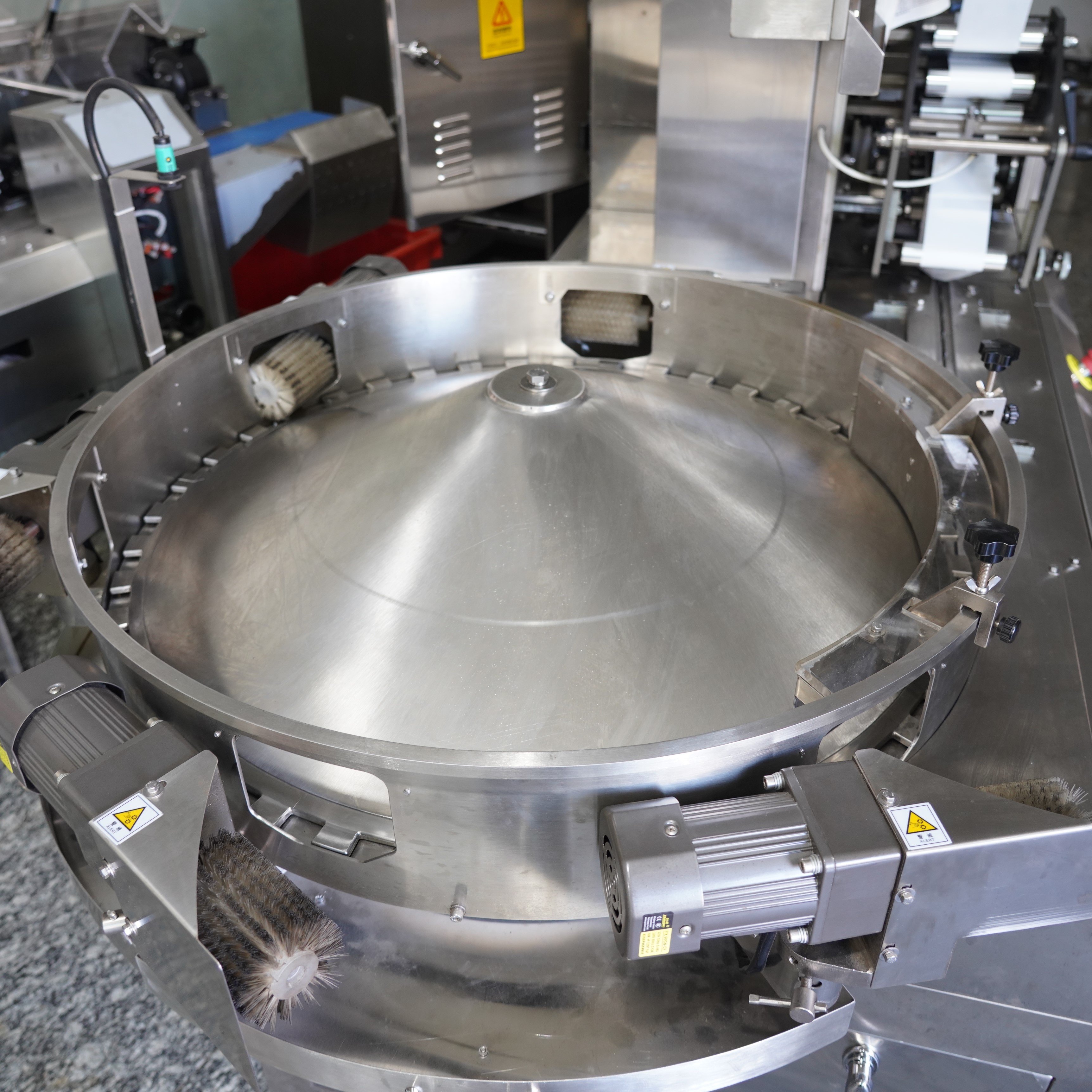
Preventive maintenance is the cornerstone of operational efficiency for any packaging facility, and maintaining a flow wrap machine requires a systematic, proactive approach. A flow wrap machine operates under continuous stress, handling thousands of products daily while maintaining precise temperature control, film tension, and sealing accuracy. Without proper planning and execution of preventive maintenance routines, a flow wrap machine can experience unexpected breakdowns that disrupt production schedules, increase costs, and damage your facility's reputation with customers. Understanding how to plan preventive maintenance for a flow wrap machine ensures that your equipment runs reliably, extends its service life, and delivers consistent packaging quality throughout its operational span.
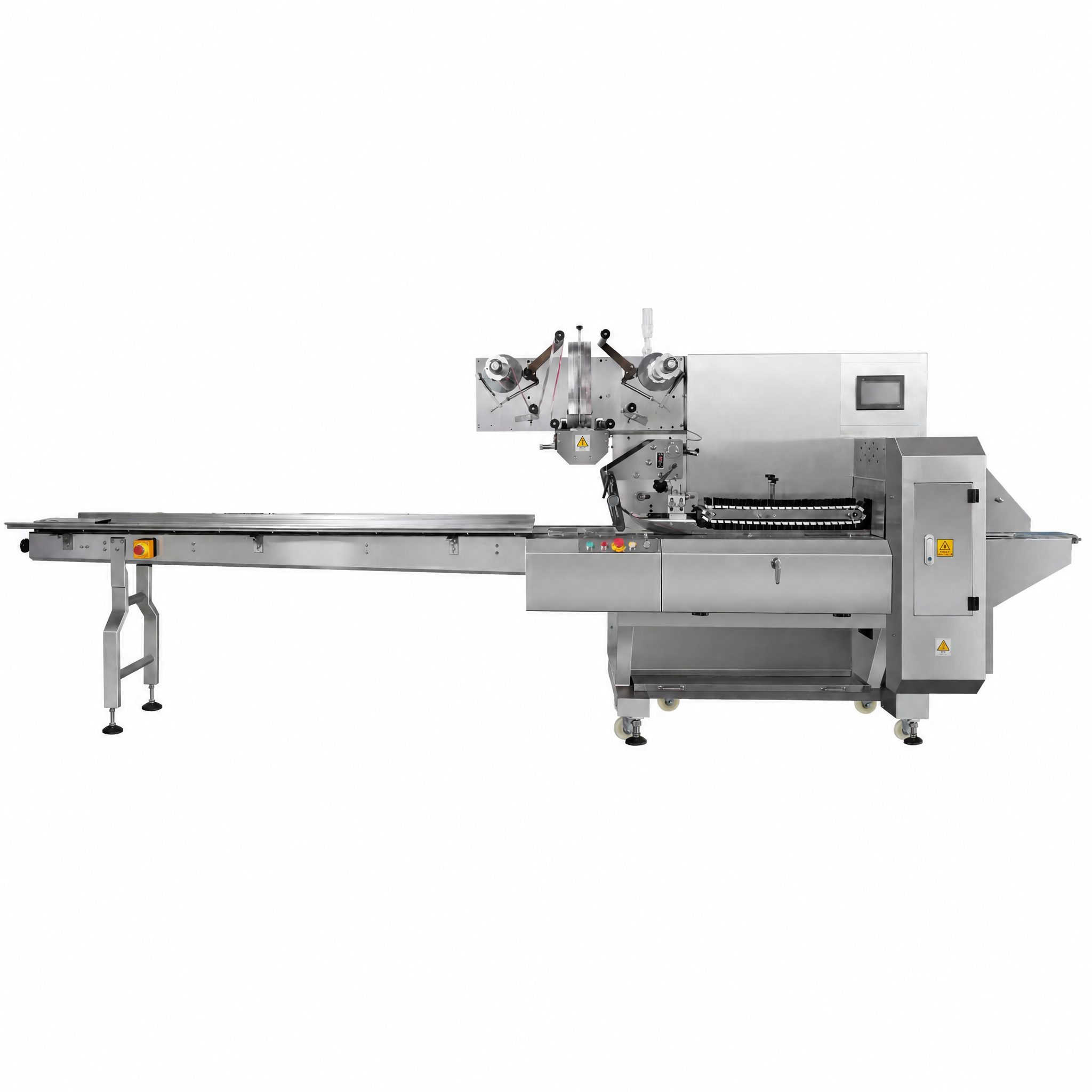
Effective maintenance planning for a flow wrap machine begins with understanding your specific equipment model, production volume, and operating environment. The frequency and scope of maintenance tasks depend on how intensively your flow wrap machine is used, environmental factors like humidity and temperature, and the complexity of products being wrapped. By establishing a clear maintenance schedule tailored to your operational reality, you create a framework that reduces unexpected failures, preserves equipment performance, and ultimately protects your bottom line. This guide walks you through the essential steps for developing a comprehensive preventive maintenance plan for your flow wrap machine.
Every flow wrap machine has unique specifications and operational requirements outlined in the manufacturer's documentation. Your first step in planning preventive maintenance for a flow wrap machine is to carefully review the equipment manual, maintenance schedules, and recommended service intervals provided by the manufacturer. These guidelines are based on engineering analysis of the flow wrap machine's components, materials, and typical operating conditions. Pay special attention to lubrication requirements, seal replacement intervals, and calibration schedules specific to your model. Understanding these baseline requirements ensures that your maintenance plan aligns with the equipment designer's intentions and helps you avoid warranty violations.
The maintenance demands on your flow wrap machine increase proportionally with production intensity and environmental stress. If your facility runs the flow wrap machine eight hours daily versus twenty-four hours daily, maintenance intervals must reflect this difference. Similarly, high-humidity environments, extreme temperature variations, or dusty conditions accelerate component wear on a flow wrap machine and require more frequent inspections and cleaning. Document your facility's specific conditions and production volume to customize the preventive maintenance schedule for your flow wrap machine accordingly. This assessment prevents both over-maintenance and under-maintenance, optimizing your maintenance investment.
The foundation of preventive maintenance for a flow wrap machine consists of consistent daily and weekly inspections that operators perform during regular production hours. Daily checks should include visual examination of film tracking and alignment, verification that sealing temperatures are stable, inspection of the product guide rails for debris, and confirmation that all safety guards are properly positioned. Weekly inspections of your flow wrap machine should expand to include detailed examination of the film cutter for blade sharpness and positioning, testing emergency stop functions, cleaning film residue from drive rollers, and checking for any unusual vibration or noise patterns. These routine checks catch minor issues before they escalate into major problems affecting your flow wrap machine's performance.
Beyond daily operations, your flow wrap machine requires deeper maintenance work on a monthly and quarterly basis to ensure continued reliability. Monthly maintenance for a flow wrap machine should include complete lubrication of all specified points, thorough cleaning of internal film paths and tension systems, inspection and possible replacement of worn brush rollers, and verification of electrical connections for corrosion or looseness. Quarterly servicing of your flow wrap machine should involve professional calibration of temperature sensors, detailed examination of the sealing jaw components for wear, inspection of pneumatic systems for leaks, and comprehensive testing of the wrapping tension consistency across the full production speed range. Scheduling these intervals consistently prevents cumulative wear on your flow wrap machine and maintains consistent output quality.
The sealing system represents one of the most critical areas requiring preventive maintenance on any flow wrap machine. Sealing jaws on a flow wrap machine experience thermal stress, mechanical wear, and film adhesion buildup that degrades performance over time. Your maintenance plan for a flow wrap machine must include scheduled inspection of sealing jaw surfaces for pitting or discoloration, regular cleaning with appropriate solvents to remove film residue, and replacement of sealing jaw components at manufacturer-recommended intervals. Temperature calibration of a flow wrap machine's heating elements should occur quarterly to ensure consistent seal quality and prevent weak seals that allow product spoilage. By maintaining these thermal components, you preserve the integrity of wrapped packages and reduce field complaints.
The drive system of a flow wrap machine operates under continuous mechanical stress and requires systematic preventive maintenance to prevent catastrophic failures. Your maintenance schedule for a flow wrap machine should include regular lubrication of drive shafts, gearboxes, and roller bearings according to the manufacturer's specification for lubricant type and frequency. Inspect drive belts and chains on your flow wrap machine regularly for signs of fraying, cracking, wear, or misalignment that reduce efficiency and eventually cause breakdowns. Motor bearings on a flow wrap machine should be monitored for unusual noise or heat signatures that indicate potential bearing failure. Professional vibration analysis of your flow wrap machine's drive system on a quarterly basis can detect bearing wear before failure occurs, allowing planned replacement rather than emergency repairs.
Effective preventive maintenance for a flow wrap machine relies on meticulous documentation that creates a historical record of all service activities, findings, and component replacements. Establish a maintenance log for your flow wrap machine that captures the date, time, specific work performed, components inspected or replaced, technician responsible, and any observations about equipment condition or performance changes. This documentation enables you to identify patterns in your flow wrap machine's behavior, such as recurring issues with specific components or seasonal variations in performance. When problems do occur on your flow wrap machine, historical records help technicians diagnose issues faster and make informed decisions about parts replacement or system upgrades. Digital maintenance management systems make tracking this information convenient and searchable.
Modern facilities can enhance preventive maintenance for a flow wrap machine by implementing condition monitoring techniques that predict component failures before they occur. Temperature sensors on a flow wrap machine can alert operators to abnormal heating patterns in sealing systems or motor windings. Vibration monitoring of your flow wrap machine's drive components can detect bearing degradation weeks before catastrophic failure. Production data from your flow wrap machine, such as reject rates or speed variations, often signals underlying mechanical issues worth investigating. These predictive approaches complement your scheduled maintenance plan, allowing you to move from a purely calendar-based schedule to a condition-informed maintenance strategy that maximizes equipment uptime while minimizing unnecessary service work on your flow wrap machine.
Most flow wrap machines require daily operator inspections, weekly detailed checks, monthly lubrication and cleaning, and quarterly professional servicing. However, the exact interval depends on your specific machine model, production volume, and operating environment. Review your equipment manual and consult with the manufacturer to customize the maintenance schedule for your flow wrap machine based on your operational demands.
Implementing a comprehensive preventive maintenance plan for your flow wrap machine is the most effective downtime reduction strategy. Combine scheduled maintenance with condition monitoring, maintain detailed service records, train operators in daily inspection protocols, and establish relationships with reliable technical support providers. These practices ensure that minor issues on your flow wrap machine are addressed before they escalate into production-stopping failures.
A balanced approach works best for maintaining a flow wrap machine. Train your internal team to handle daily inspections, weekly checks, and basic cleaning tasks. Reserve quarterly professional servicing and complex repairs for qualified external technicians who have specialized tools and expertise with your specific flow wrap machine model. This strategy reduces costs while ensuring that critical maintenance work meets professional standards.

2026/09/20
Premade Pouch Machines: Reduce Film Waste, Cut TCO & Achieve Faster ROI

2026/09/20
Cut Premade Pouch Machine Changeover Time by 40% with Proven Best Practices

2026/09/20
Premade Pouch Machines: Boost Throughput, Cut Waste & Improve ROI

2026/09/20
Rotary vs Inline Premade Pouch Machines: Speed, ROI & Scalability Compared

2026/09/20
Premade Pouch Machine: Boost Throughput, Cut Labor Costs & Improve Seal Integrity

2026/09/21
Premade Pouch Machine: Pouch Types, Materials & Filling Guide

