 EN
How to Reduce Film Waste with a Premade Pouch Packaging Machine?
2026/09/20
Premade Pouch Machines: Reduce Film Waste, Cut TCO & Achieve Faster ROI

2026/10/27
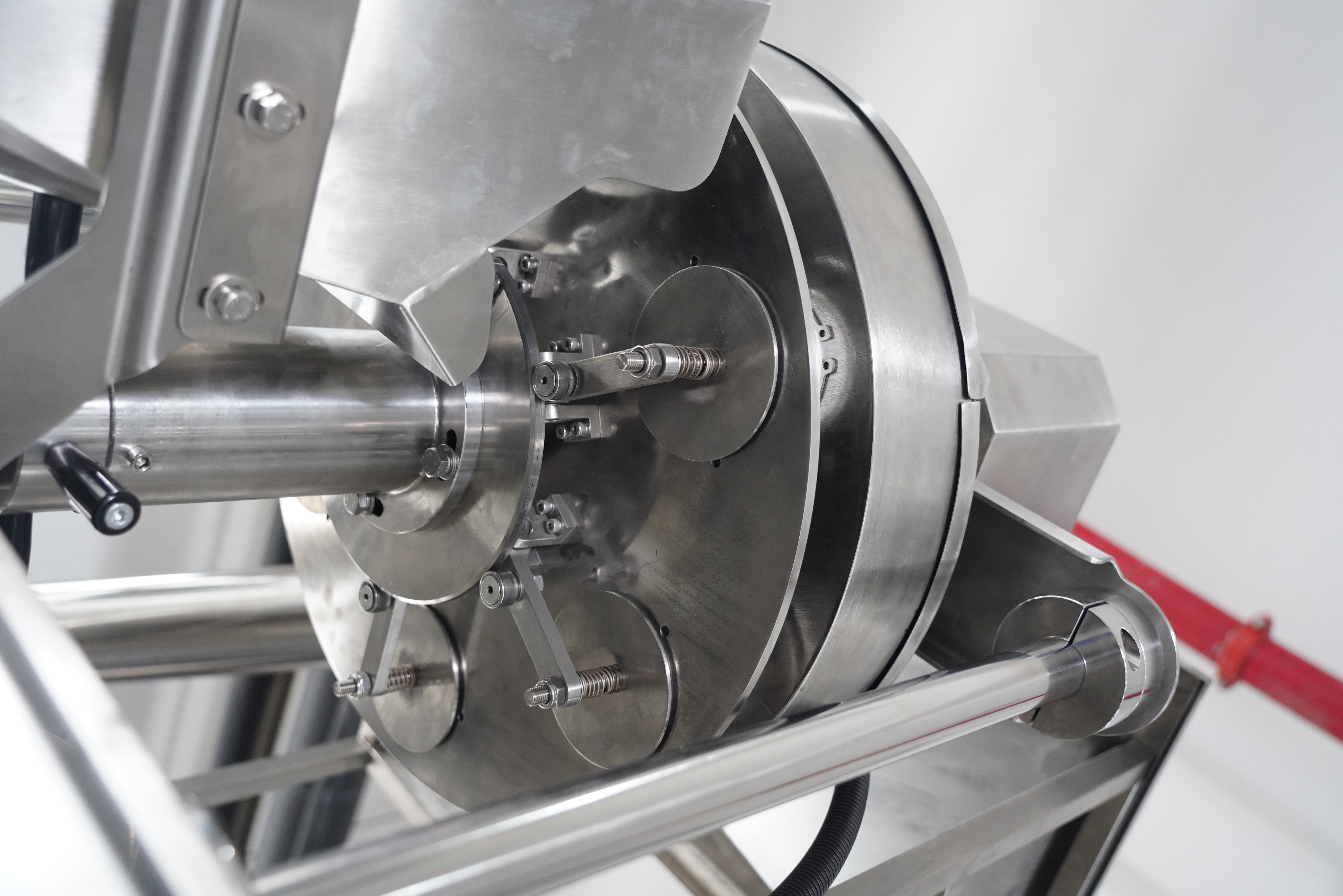
Film jams represent one of the most disruptive challenges faced by operators of any vertical form fill seal machine. When film gets stuck, twisted, or misaligned during the packaging cycle, production halts immediately, creating costly downtime and wasted material. Understanding the root causes of film jams and implementing preventive strategies is essential for anyone managing a vertical form fill seal machine operation. This guide explores practical, actionable methods to keep your vertical form fill seal machine running smoothly and your film moving freely through every cycle.
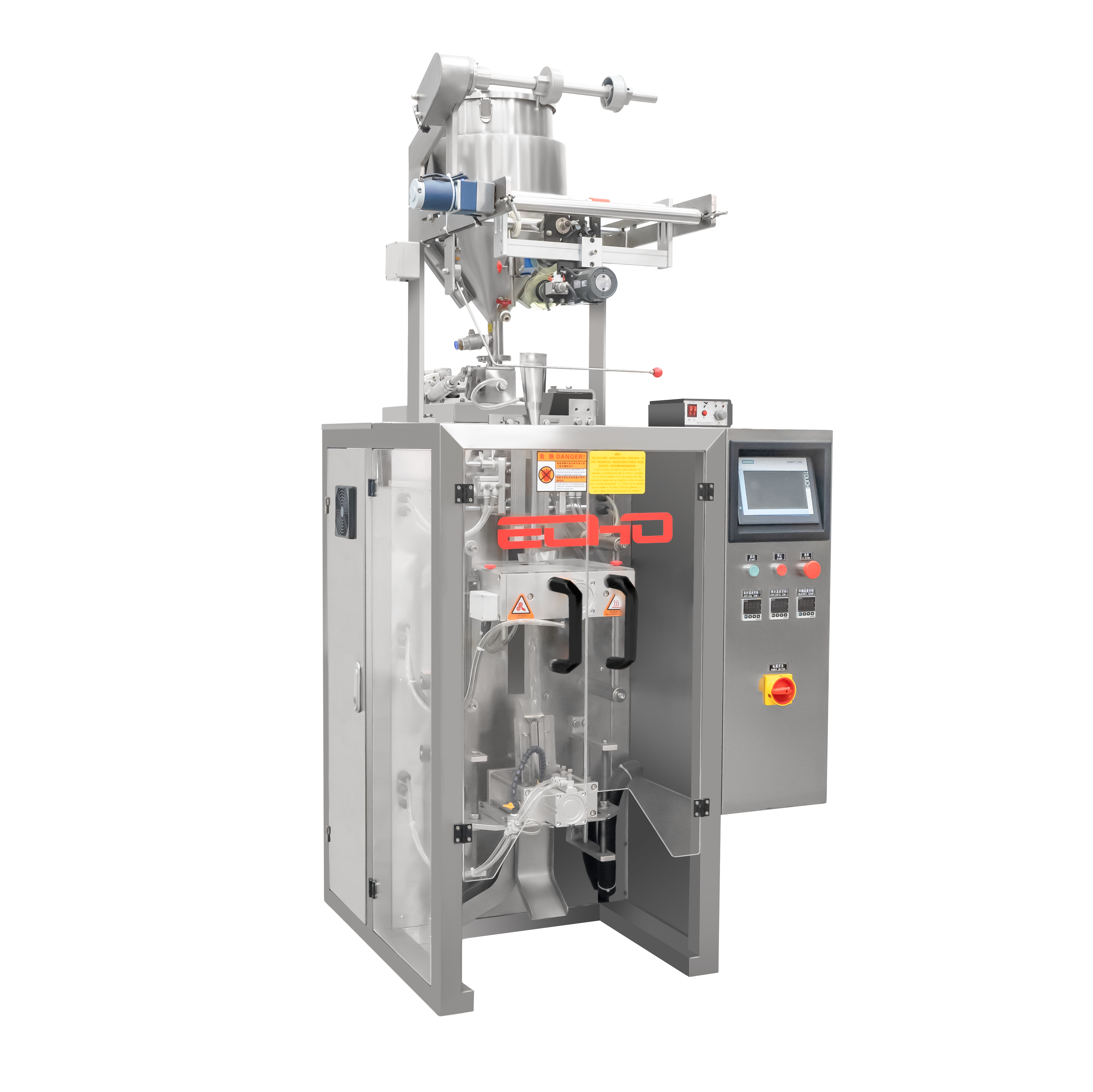
A vertical form fill seal machine depends on precise film tension, alignment, and feed mechanisms to operate reliably. When any component falls out of calibration or becomes contaminated, film jams follow quickly. The financial impact extends beyond the immediate stoppage; repeated jams damage product quality, strain mechanical components, and erode production schedules. By investing time in prevention rather than troubleshooting failures, operators can dramatically reduce incidents and extend the service life of their vertical form fill seal machine.
Misalignment is the primary trigger for film jams on a vertical form fill seal machine. When the film guide rails, rollers, or drive components drift out of position, the film path becomes crooked, causing edges to catch and bunch. Even a small deviation—often just a fraction of a millimeter—is enough to produce a jam. Checking alignment regularly ensures the film feeds straight through the vertical form fill seal machine without lateral drift or binding.
Worn or damaged rollers on your vertical form fill seal machine also contribute significantly to jamming. As rollers degrade, they may develop flat spots, uneven surfaces, or reduced grip, causing the film to slip or bunch. Inspect each roller for visible wear, and replace any showing cracks, grooving, or shine loss. Proper roller maintenance prevents many film jams before they disrupt your vertical form fill seal machine cycle.
Incorrect film tension is another leading cause of jams on a vertical form fill seal machine. If tension is too loose, the film sags and bunches; if too tight, it tears or stretches unevenly. The optimal tension setting depends on film thickness, width, and material composition. Consult your vertical form fill seal machine manual for recommended tension ranges, and use tension gauges to verify settings at startup and after any material change.
Poor film quality compounds tension problems on a vertical form fill seal machine. Films with irregular thickness, surface contamination, or manufacturing defects are prone to tearing and catching. Always source film from reliable suppliers and inspect incoming rolls for visible flaws. Storing film in controlled temperature and humidity conditions also prevents moisture absorption and dimensional changes that can trigger jams when your vertical form fill seal machine feed system engages.
Contamination is a silent jam catalyst on any vertical form fill seal machine. Dust, product residue, and adhesive buildup accumulate on film guides, rollers, and sensors, creating drag and friction that destabilize film movement. Implement a weekly cleaning schedule for all film-contact surfaces on your vertical form fill seal machine. Use soft brushes and compressed air to remove debris without scratching precision components. Pay special attention to guide walls and roller grooves where particles hide and compound over time.
Lubrication of moving components is equally critical on a vertical form fill seal machine. Under-lubricated rollers and bearings resist film movement and increase the likelihood of slipping or jamming. Use only manufacturer-approved lubricants—typically light machine oil or specified bearing grease—in quantities specified for your vertical form fill seal machine model. Over-lubrication attracts dust and creates sticky buildup, so follow guidelines precisely. Proper lubrication reduces mechanical friction and stabilizes film transport through every cycle.
Modern vertical form fill seal machines rely on optical and mechanical sensors to detect film position and trigger adjustments. If sensors drift out of calibration, they send incorrect signals to drive motors and tension controllers, causing erratic film movement and jams. Test sensor response quarterly on your vertical form fill seal machine by running test film and observing registration accuracy. Recalibrate if drift is detected, following your machine manual's specific procedures.
Visual inspection of the film path provides early warning signs before major jams occur on a vertical form fill seal machine. Look for skewing, waviness, or uneven tension across the film width as it progresses through the vertical form fill seal machine sections. Check that film edges align consistently with guide marks. Identifying minor drift during routine checks allows corrective adjustment before jam conditions develop.
How your team starts each shift significantly affects jam frequency on a vertical form fill seal machine. Begin each day with a cold start test: thread film through the vertical form fill seal machine at low speed with zero load to verify smooth movement before production begins. This step catches alignment or mechanical issues before they cause production delays. Thread film deliberately and evenly, avoiding sudden jerks that can bunch material or trigger false tension readings on your vertical form fill seal machine.
Proper film roll mounting prevents many jams on a vertical form fill seal machine. Ensure the roll sits centered on its support shaft with no axial play or wobbling. Loose rolls cause uneven unwind and variable tension that destabilize the film as it enters your vertical form fill seal machine. Use centering bushings and end flanges designed for your specific vertical form fill seal machine model to hold rolls firmly in place.
Running your vertical form fill seal machine faster than its film transport capacity directly increases jam risk. Every vertical form fill seal machine has a maximum film speed rating beyond which the drive system cannot maintain consistent tension or the film path cannot stabilize. Verify your machine's maximum speed for each film gauge and material type, and never exceed it. Operate at 85–90% of maximum rated speed to maintain a safety margin on your vertical form fill seal machine and provide headroom for load variations.
Product fill weight and consistency also influence jamming on a vertical form fill seal machine. Uneven fill weights cause imbalanced bag formation, shifting film tension and triggering jams. Ensure your filling system dispenses consistent portions before each bag reaches the vertical form fill seal machine sealing station. If fill weight varies, it forces the film path to compensate, degrading stability and increasing jam probability on your vertical form fill seal machine.
Mechanical misalignment is the leading cause of film jams on a vertical form fill seal machine. When film guides, rollers, or drive systems drift out of position, even slightly, the film path becomes unstable, causing edges to catch and bunch. Regular alignment checks and sensor calibration prevent the majority of jam incidents on modern vertical form fill seal machines.
A preventive maintenance schedule for your vertical form fill seal machine should include weekly cleaning of all film-contact surfaces, monthly lubrication checks, and quarterly sensor recalibration. Daily visual inspections of film tension and path alignment during production help catch early warning signs before they escalate into jams. This routine maintenance significantly reduces downtime and extends the reliable operating life of your vertical form fill seal machine.
Yes, film quality is directly linked to jamming on a vertical form fill seal machine. Films with irregular thickness, surface defects, or contamination are prone to tearing, bunching, and catching inside your vertical form fill seal machine. Source film from reliable suppliers, inspect incoming rolls for flaws, and store material in controlled conditions to maintain dimensional stability. Quality film feeds smoothly through your vertical form fill seal machine and reduces jam-related production interruptions significantly.

2026/09/20
Premade Pouch Machines: Reduce Film Waste, Cut TCO & Achieve Faster ROI

2026/09/20
Cut Premade Pouch Machine Changeover Time by 40% with Proven Best Practices

2026/09/20
Premade Pouch Machines: Boost Throughput, Cut Waste & Improve ROI

2026/09/20
Rotary vs Inline Premade Pouch Machines: Speed, ROI & Scalability Compared

2026/09/20
Premade Pouch Machine: Boost Throughput, Cut Labor Costs & Improve Seal Integrity

2026/09/21
Premade Pouch Machine: Pouch Types, Materials & Filling Guide

