 EN
How to Reduce Film Waste with a Premade Pouch Packaging Machine?
2026/09/20
Premade Pouch Machines: Reduce Film Waste, Cut TCO & Achieve Faster ROI

2026/10/25
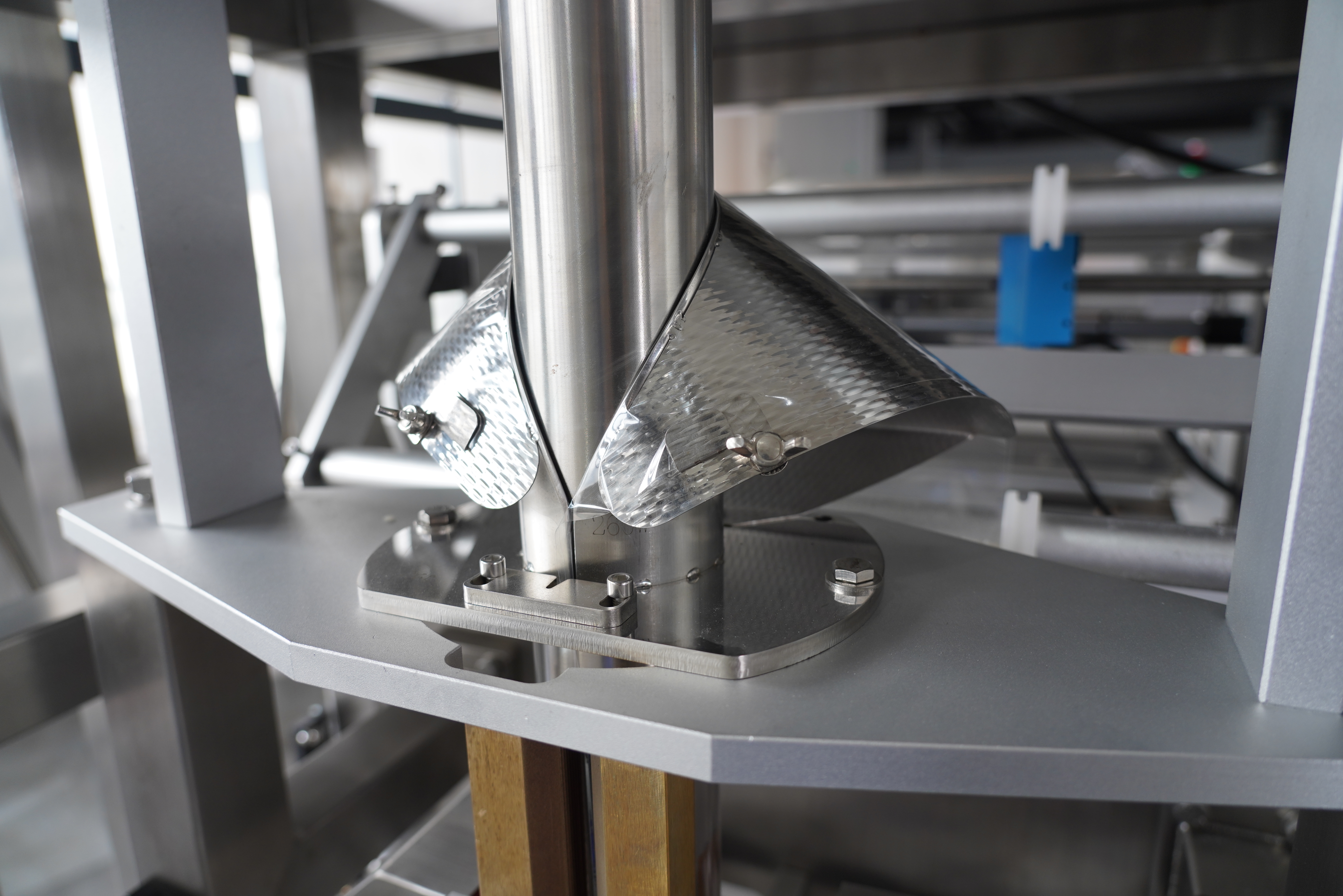
Pillow bag leaks represent one of the most costly challenges in modern packaging operations, and the root cause often traces back to improper setup or maintenance of the vffs machine used to create them. When a vffs machine fails to maintain consistent seal integrity, the consequences ripple through your entire supply chain, resulting in product spoilage, customer complaints, regulatory violations, and damaged brand reputation. Understanding how to prevent leaks in pillow bags requires comprehensive knowledge of seal temperature control, pressure calibration, material compatibility, and preventive maintenance protocols specific to your vffs machine configuration.
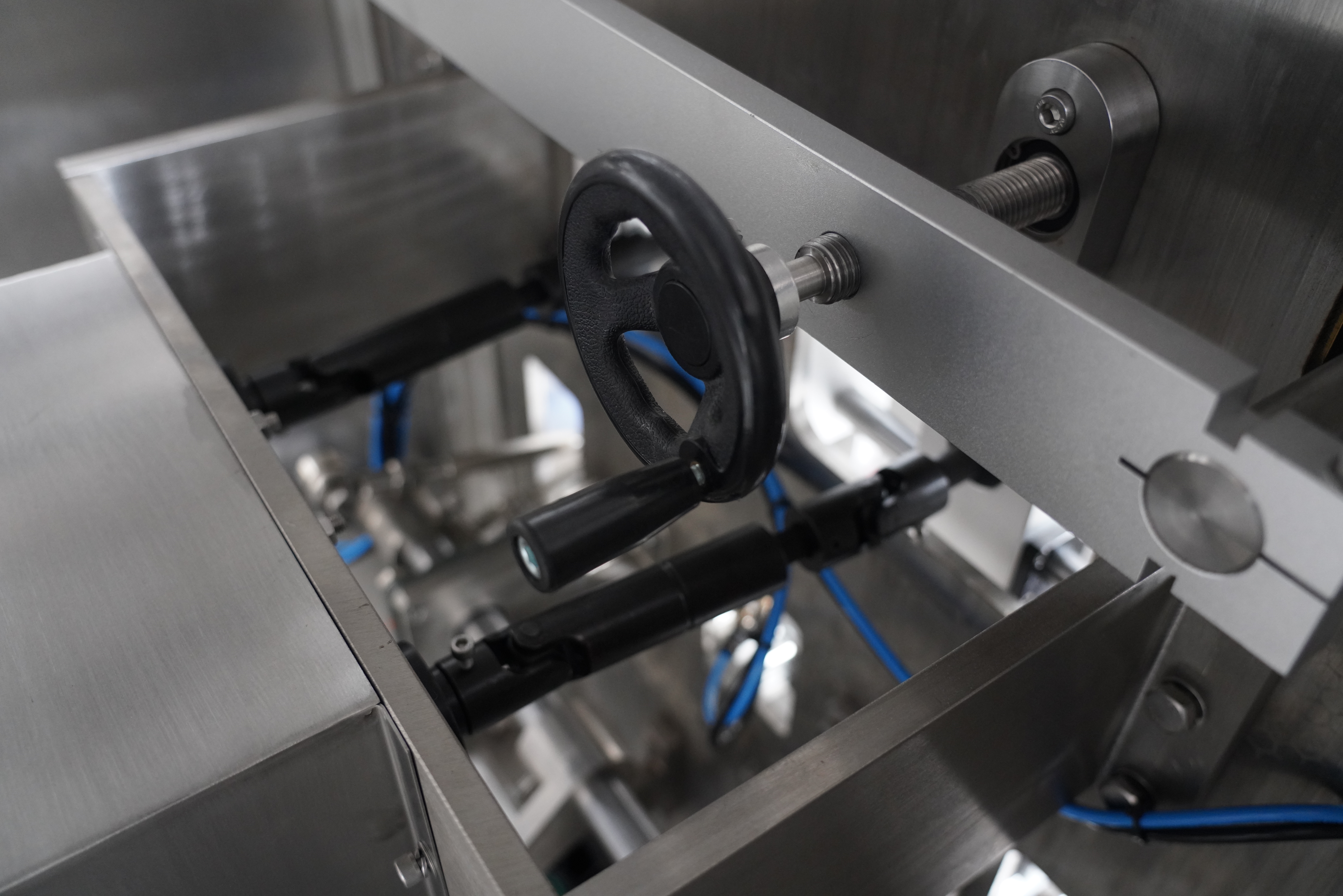
The vffs machine operates through a precisely coordinated sequence of forming, filling, and sealing stages, each requiring exact parameter alignment to produce leak-free pillow bags. When any component deviates from specification, seal failures become inevitable. This guide explores the critical factors that influence pillow bag seal integrity, the diagnostic methods that identify leak sources early, and the actionable strategies that operators and maintenance teams use to achieve consistent, reliable production on modern vffs machine equipment.
A vffs machine forms pillow bags through vertical feed of film, horizontal cross-sealing of the bottom edge, and longitudinal sealing along both vertical sides. Each seal must achieve molecular bonding between film layers to create an airtight barrier. The vffs machine applies precisely calibrated heat and pressure to melt compatible polymer resins, allowing them to fuse permanently. If the vffs machine heat setting falls too low, the seal remains incomplete and micro-porosity allows product leakage. Conversely, excessive heat on the vffs machine causes film degradation, brittleness, and stress-point failures during handling.
Every vffs machine model operates within a specific thermal window for optimal sealing. The melting point of the film material dictates the minimum heat required; insufficient vffs machine temperature produces weak seals that leak under minimal pressure or temperature fluctuation. The vffs machine must maintain consistent heat delivery across the entire sealing jaw length, preventing hot spots or cold zones that compromise seal uniformity. Pressure settings on the vffs machine determine dwell time and molecular contact between film layers. Operators must calibrate the vffs machine pressure to achieve full fusion without crushing the package or generating heat distortion that weakens the seal structure.
Leaks in pillow bags originating from a vffs machine typically manifest in predictable patterns that guide root cause investigation. Consistent leakage along the bottom seal indicates the vffs machine cross-seal jaw requires temperature adjustment or the film feed tension on the vffs machine demands correction. Side seal leakage suggests the vffs machine longitudinal sealing bars have misalignment, contamination, or wear. Sporadic leaks point toward material variability, environmental humidity affecting the vffs machine performance, or inconsistent operator technique during vffs machine changeover procedures. Pinhole leaks often signal the vffs machine sealing jaws carry microscopic debris or the film itself contains defects that the vffs machine cannot compensate for during production.
Verifying pillow bag seal integrity requires systematic testing independent of visual inspection. Hydrostatic testing submerges pillow bags under water while the vffs machine operator monitors for bubble emergence indicating seal failure. This test proves definitive for vffs machine troubleshooting because it simulates worst-case scenarios where product pressurization or temperature shock stresses the seal. Pressure decay testing fills pillow bags with air at known pressure, isolates them, and measures pressure loss over time, allowing operators to quantify the leak rate from their vffs machine output. Both methods provide objective data that helps calibration of vffs machine parameters and validates corrective actions before full production restart.
The sealing jaws on a vffs machine accumulate residue, oxidation, and product debris over extended production runs, directly degrading seal quality and allowing leaks in pillow bags. Daily cleaning of the vffs machine sealing surfaces using soft brushes and isopropyl alcohol removes contaminants that interfere with heat transfer and film bonding. Operators should inspect the vffs machine jaw alignment weekly using precision straightedges, ensuring both cross-seal and side-seal bars remain parallel and flat. Wear patterns on the vffs machine sealing surfaces indicate the need for jaw replacement; even minor surface degradation on a vffs machine causes localized heat distribution problems that introduce leaks into pillow bag production. Scheduled jaw replacement maintains vffs machine reliability and prevents the gradual quality drift that permits leaks to emerge across an entire production batch.
Modern vffs machine equipment supports temperature profiling, where operators use calibrated sensors to verify actual heat delivery across the sealing jaw throughout the dwell cycle. Profile data from your vffs machine reveals thermal gradients that raw thermostat readings mask. The vffs machine must deliver consistent temperature within two to three degrees Celsius across the entire seal width to prevent weak spots that permit pillow bag leaks. Pressure validation on a vffs machine involves calibrated force gauges that measure actual compression at the seal point, confirming that mechanical wear or hydraulic drift has not reduced pressure below specification. Quarterly recalibration of the vffs machine sealing parameters using test film ensures your machine maintains published performance standards. Many operators document their vffs machine calibration baseline during commissioning, then perform comparative testing to detect degradation before leaks compromise product batches.
Not all film formulations perform identically on a vffs machine, even when suppliers claim equivalent properties. Incoming film inspection before loading onto your vffs machine must verify thickness uniformity, coating integrity, and resin composition. Films with inconsistent thickness cause the vffs machine sealing pressure to concentrate on thin areas, generating localized heat and potential burn-through that creates leaks in pillow bags. Polyethylene film suited for one vffs machine temperature range may perform poorly on equipment calibrated for slightly different thermal profiles. Operators should conduct seal strength tests on new film batches using the same vffs machine that will run production, establishing baseline parameters specific to that material. This test-before-production approach prevents discovering seal integrity problems only after thousands of pillow bags with leaks have shipped.
The correct temperature for your vffs machine depends on your film material, but typically ranges from 120 to 160 degrees Celsius for polyethylene films. Your vffs machine supplier provides a specification sheet detailing the recommended thermal window for your particular model and film type. Start your vffs machine at the lower end of the range and gradually increase temperature while monitoring seal strength using peel tests, ensuring your vffs machine delivers full fusion without damaging the film. Record the optimal vffs machine temperature that produces consistent, leak-free seals for your specific material combination, then document this setting to maintain consistency during production and operator transitions.
Daily cleaning of your vffs machine sealing jaws during production removes accumulated residue that degrades seal quality and causes leaks in pillow bags. The frequency depends on your vffs machine product type; sticky or powder-generating products require more frequent vffs machine jaw cleaning than dry products. Inspect your vffs machine jaws every shift for visible buildup, and clean immediately if you notice discoloration or reduced seal quality. Monthly deep cleaning with your vffs machine powered down allows detailed inspection for wear or damage that routine daily maintenance cannot address. Many operators schedule quarterly vffs machine jaw replacement even when visible wear appears minimal, viewing this as preventive investment that eliminates leak risks from gradual surface degradation.
Thickness-variable film creates significant challenges for your vffs machine, because sealing pressure concentrated on thin areas can cause burn-through or weak seals that leak in pillow bags. Your vffs machine may not reliably produce consistently sealed bags when film thickness varies beyond manufacturer specifications. Before committing new film to production, conduct seal strength tests with your vffs machine to verify that thickness variation remains within acceptable tolerances. If quality problems emerge, consider requesting film from your supplier with tighter thickness specifications, or adjust your vffs machine pressure and temperature parameters if your equipment supports compensation. Some advanced vffs machine models include adaptive sealing systems that adjust parameters in real-time, but standard vffs machine equipment requires uniform material to produce leak-free pillow bags consistently.

2026/09/20
Premade Pouch Machines: Reduce Film Waste, Cut TCO & Achieve Faster ROI

2026/09/20
Cut Premade Pouch Machine Changeover Time by 40% with Proven Best Practices

2026/09/20
Premade Pouch Machines: Boost Throughput, Cut Waste & Improve ROI

2026/09/20
Rotary vs Inline Premade Pouch Machines: Speed, ROI & Scalability Compared

2026/09/20
Premade Pouch Machine: Boost Throughput, Cut Labor Costs & Improve Seal Integrity

2026/09/21
Premade Pouch Machine: Pouch Types, Materials & Filling Guide

