 EN
How to Reduce Film Waste with a Premade Pouch Packaging Machine?
2026/09/20
Premade Pouch Machines: Reduce Film Waste, Cut TCO & Achieve Faster ROI

2026/10/04
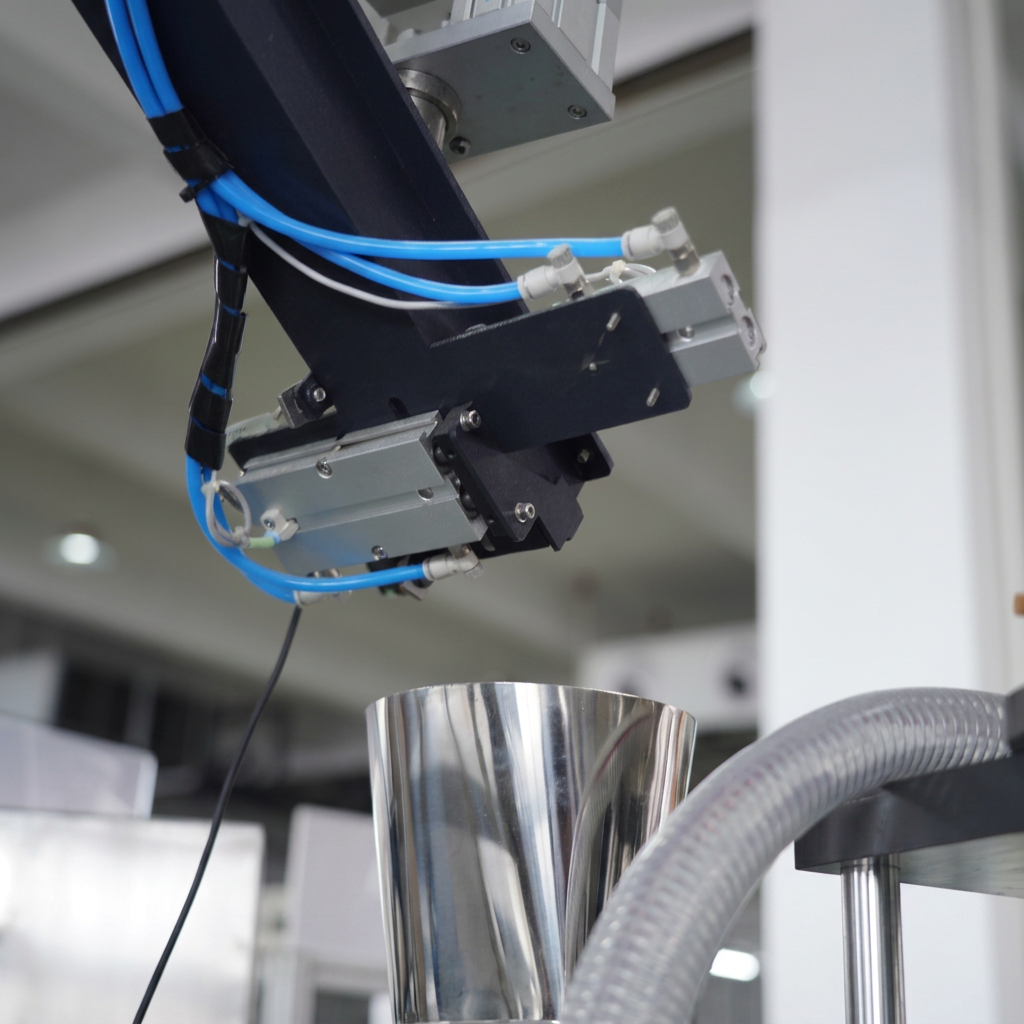
Wrinkles on packed products represent one of the most persistent quality challenges in food and industrial packaging operations. When a rotary vacuum packing machine produces wrinkled packs, the consequences extend beyond aesthetics—they compromise shelf appeal, reduce consumer confidence, and signal potential seal integrity issues. Understanding how to prevent wrinkles on your rotary vacuum packing machine output is essential for maintaining consistent product quality and protecting your brand reputation in competitive markets.
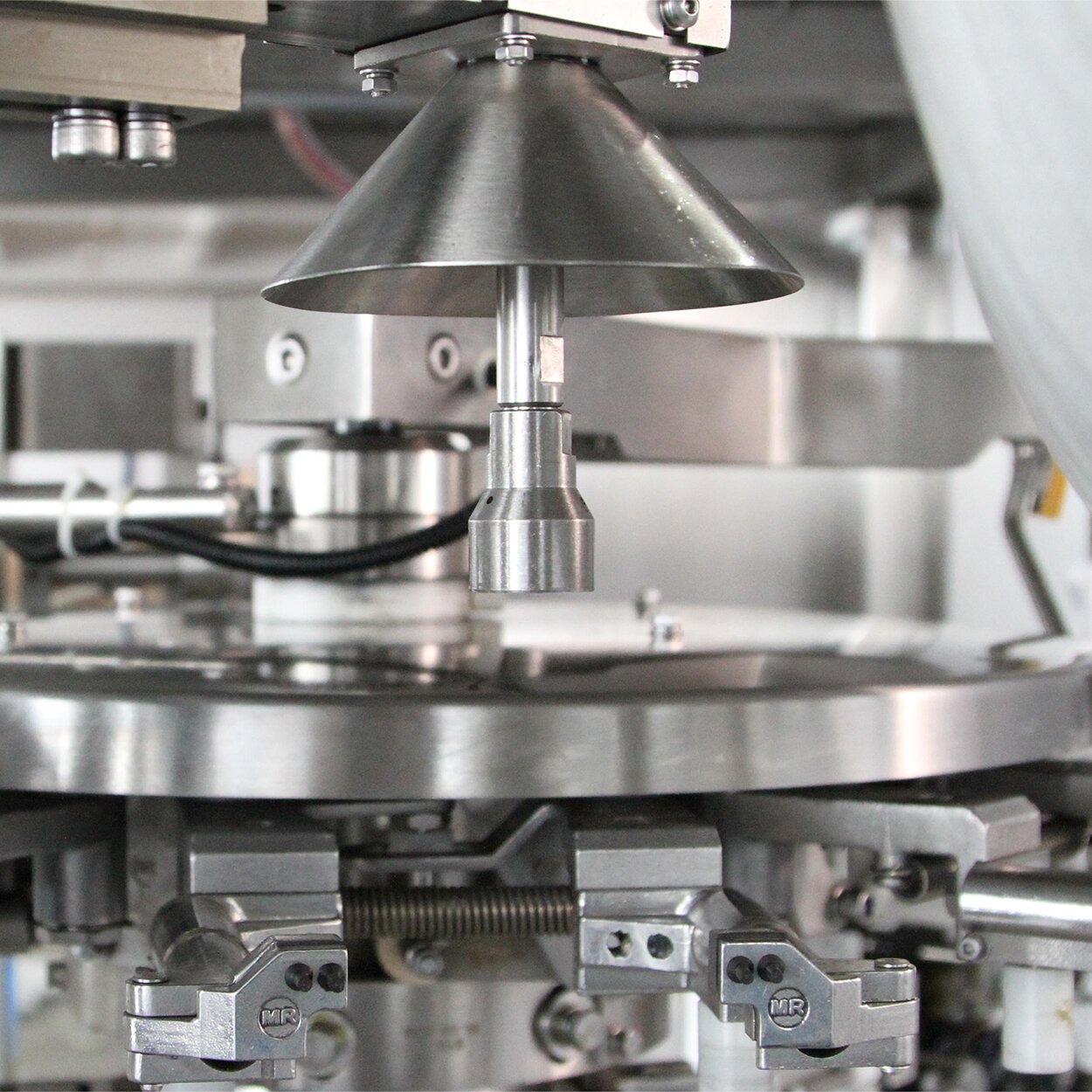
A properly functioning rotary vacuum packing machine should deliver smooth, uniform seals without visible creasing or fabric distortion. However, many operators encounter wrinkled packs due to material handling errors, machine calibration drift, or misalignment of sealing components. The good news is that most wrinkle issues stem from controllable operational factors. By implementing systematic prevention strategies, you can optimize your rotary vacuum packing machine performance and achieve professional-grade packaging results consistently.
The vacuum strength and sealing timing directly influence how smoothly your rotary vacuum packing machine collapses and secures the film. When vacuum pressure is too aggressive or applied unevenly, the film may wrinkle as it contracts around product edges. Similarly, if the sealing heat activates before the vacuum has fully collapsed the bag, trapped air pockets create permanent creases. Your rotary vacuum packing machine must deliver coordinated vacuum and heat pulses—vacuum first pulls the film tight, then seal heat locks it in place. Any timing lag or pressure inconsistency will result in visible wrinkles that detract from pack appearance.
Not all packaging films perform equally on a rotary vacuum packing machine. Thinner films, while cost-effective, are more prone to wrinkling because they lack structural rigidity during the vacuum cycle. Films with inconsistent thickness develop stress points where wrinkles concentrate. Additionally, film material composition affects how it responds to vacuum forces—some materials stretch and recover smoothly, while others become permanently creased. When selecting film for your rotary vacuum packing machine, prioritize consistent gauge thickness and material formulations specifically engineered for vacuum packaging applications to minimize wrinkle formation.
A misaligned rotary vacuum packing machine creates uneven pressure across the sealing zone, causing localized wrinkles where seal strength varies. Regular calibration ensures that vacuum chambers, sealing bars, and film guides are perfectly parallel and positioned according to manufacturer specifications. Worn sealing gaskets or damaged vacuum chambers allow air leakage, degrading vacuum consistency and promoting wrinkle formation. Before each production run, inspect your rotary vacuum packing machine sealing surfaces for wear, clean vacuum paths of debris, and verify that all fasteners are tight. This preventive discipline typically takes 15–20 minutes but prevents hours of scrap production.
Over time, residual moisture, food particles, and packaging film fragments accumulate inside the vacuum chamber of your rotary vacuum packing machine, reducing pump efficiency and creating uneven vacuum pull. When vacuum levels drop below optimal thresholds, the film cannot collapse uniformly, leaving wrinkles throughout the pack. Establish a weekly cleaning schedule that includes vacuum chamber flushing, pump oil changes per manufacturer intervals, and vacuum valve inspection. Monitor vacuum gauge readings during operation—any unexpected fluctuation indicates your rotary vacuum packing machine needs immediate servicing. Consistent vacuum strength is foundational to wrinkle prevention.
How you load product into the film bag directly affects wrinkle formation during the vacuum cycle. Position products centrally within the bag to create balanced pressure during evacuation—off-center loading causes the film to collapse unevenly, creating stress points where wrinkles form. Ensure that product surfaces are smooth and free from sharp edges that could puncture or stress the film during vacuum application. For a rotary vacuum packing machine with continuous or rotary operation, maintain consistent product spacing between cycles to allow the machine to establish rhythm and deliver uniform vacuum and seal parameters. Pre-chill products when possible—cooler items present less steam evolution during evacuation, reducing pressure spikes that generate wrinkles.
Operator competency directly impacts the quality of output from your rotary vacuum packing machine. Train operators to recognize the subtle signs of improper settings—light wrinkles often appear before major seal failures occur. Teach them to adjust vacuum dwell time, seal temperature, and seal pressure incrementally and document results to identify optimal settings for each product type. Different materials, thicknesses, and product shapes require fine-tuned parameter sets for your rotary vacuum packing machine. Establish a logbook system where operators record machine settings, production batch data, and any quality observations. This data becomes invaluable for troubleshooting future issues and training new team members on your rotary vacuum packing machine operation.
Persistent wrinkles despite maintenance often indicate film quality issues or operator parameter misalignment rather than mechanical failure. Verify that your film meets thickness and material specifications for your rotary vacuum packing machine model. Review recent production settings—small changes in vacuum time or seal temperature can trigger wrinkle formation. Consult your equipment manual for troubleshooting specific to your rotary vacuum packing machine design, as different models respond differently to parameter adjustments.
Increasing vacuum pressure beyond optimal levels often worsens wrinkles rather than preventing them. Excessive vacuum force can stress the film, especially around product corners, creating permanent creases. Your rotary vacuum packing machine manufacturer specifies optimal vacuum strength for a reason—follow those guidelines precisely. Instead of pressure increases, focus on improving vacuum evenness through chamber cleaning and timing synchronization with your rotary vacuum packing machine controls.
Sealing gaskets and vacuum chamber seals typically require replacement every 6–12 months depending on production volume and material type used with your rotary vacuum packing machine. High-volume operations may need more frequent replacements. Monitor vacuum gauge trends—if vacuum strength gradually declines despite cleaning, schedule gasket replacement. Preventive component replacement on your rotary vacuum packing machine costs far less than managing quality issues from degraded seals throughout an entire production run.

2026/09/20
Premade Pouch Machines: Reduce Film Waste, Cut TCO & Achieve Faster ROI

2026/09/20
Cut Premade Pouch Machine Changeover Time by 40% with Proven Best Practices

2026/09/20
Premade Pouch Machines: Boost Throughput, Cut Waste & Improve ROI

2026/09/20
Rotary vs Inline Premade Pouch Machines: Speed, ROI & Scalability Compared

2026/09/20
Premade Pouch Machine: Boost Throughput, Cut Labor Costs & Improve Seal Integrity

2026/09/21
Premade Pouch Machine: Pouch Types, Materials & Filling Guide

