 EN
How to Reduce Film Waste with a Premade Pouch Packaging Machine?
2026/09/20
Premade Pouch Machines: Reduce Film Waste, Cut TCO & Achieve Faster ROI

2026/10/14
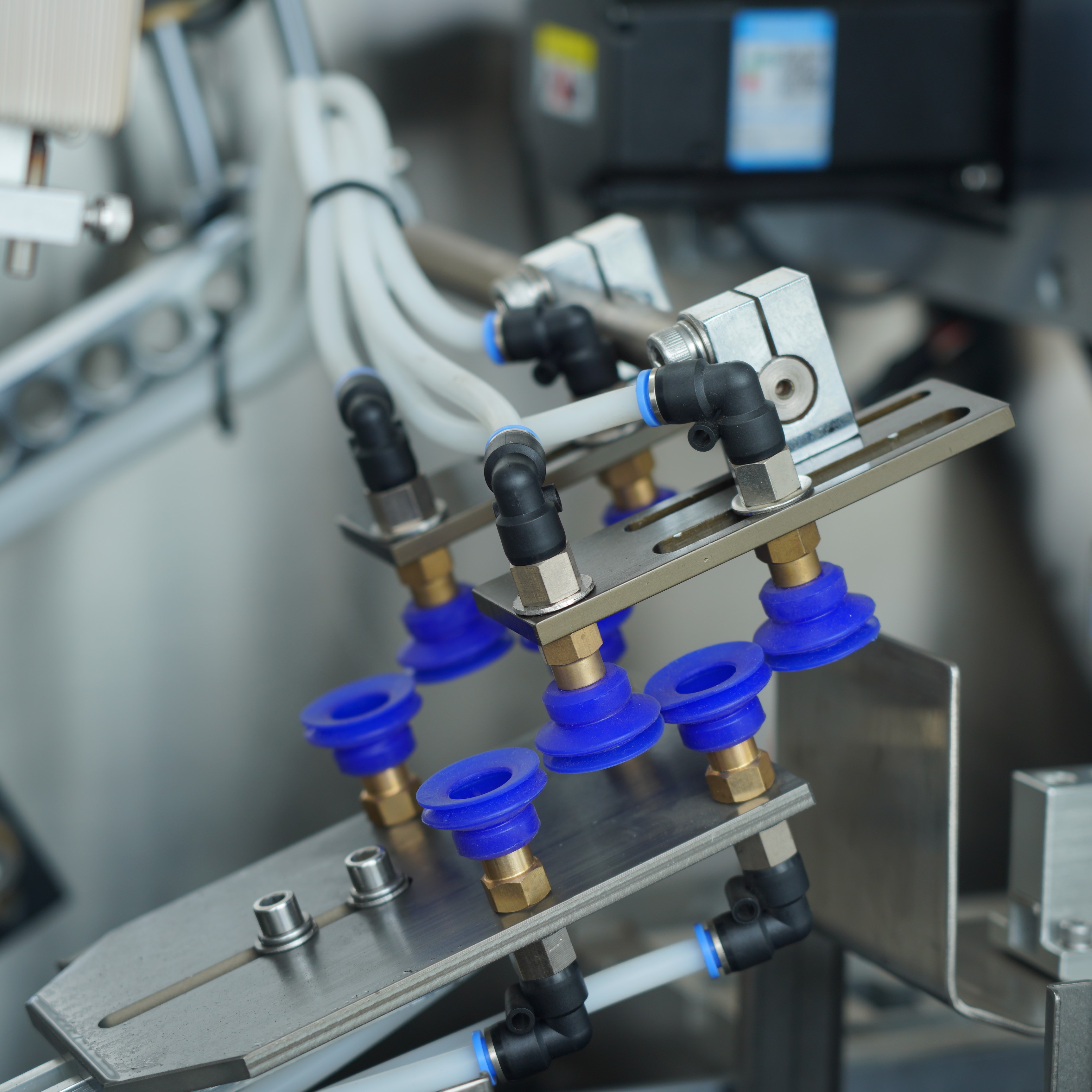
Carton waste represents a significant cost driver and environmental concern in modern packaging operations. Many manufacturers struggle with excessive material loss, alignment errors, and product spillage during the cartoning process, leading to reduced profitability and sustainability challenges. A box cartoner is a precision automation solution specifically engineered to minimize these inefficiencies while improving throughput and product quality. Understanding how this equipment addresses carton waste requires examining the underlying causes of waste generation and the mechanical advantages that modern cartoning technology delivers.
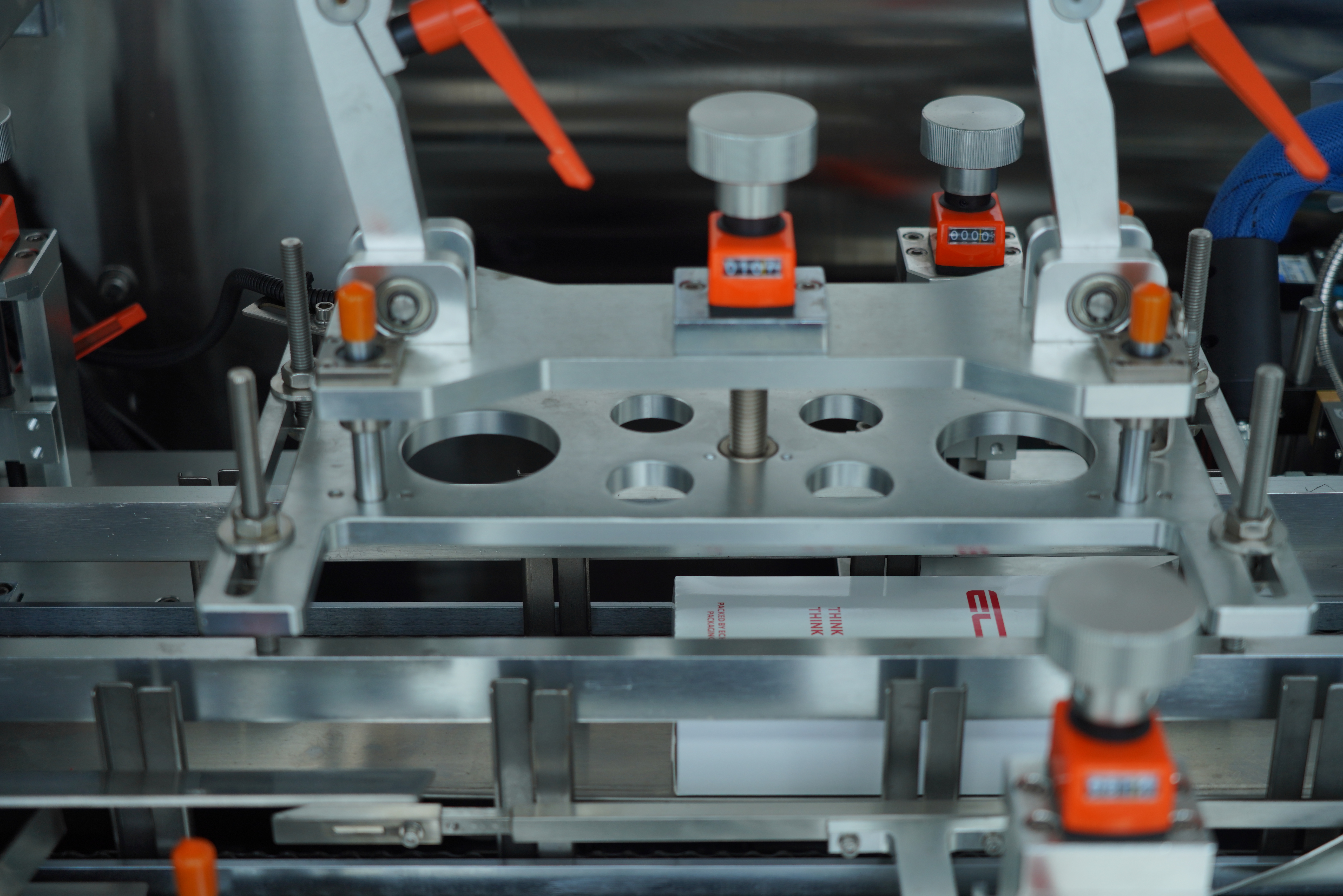
Every packaging operation encounters waste at multiple points: during carton feeding, product placement, sealing, and case handling. Manual or poorly optimized systems amplify these losses exponentially. A box cartoner eliminates human error, standardizes every motion, and maintains consistent product positioning throughout the packaging cycle. By implementing a box cartoner, manufacturers can expect dramatic reductions in damaged cartons, misaligned folds, and rejected units, directly improving bottom-line economics and meeting increasingly strict corporate sustainability targets.
One of the primary sources of carton waste originates from improper feeding and alignment. A box cartoner uses servo-driven carton guides and vision-based positioning systems to ensure each blank carton enters the machine at the exact angle and position required for forming. This eliminates skewed folds, creases in the wrong locations, and cartons that jam or tear during the loading phase. The precision architecture of a box cartoner guarantees that every carton is squared and centered before product insertion occurs, reducing rejection rates by up to 95 percent in high-speed environments.
Product placement accuracy directly impacts carton integrity and material consumption. When bottles, cans, or other items are dropped or misaligned, they can puncture the carton, crack the product, or require manual rework that generates additional waste. A box cartoner manages this challenge through gentle product conveyor integration and timing-synchronized placement systems. The equipment holds the carton open at a controlled angle while products are guided into position at measured speeds. This method eliminates the crushing force of rapid drops and reduces spillage, ensuring that both the carton and the product reach the sealing stage intact.
Manual cartoning operations struggle to maintain consistency across thousands of units daily, resulting in variable quality and elevated waste rates. A box cartoner operates at speeds between 30 and 120 cartons per minute, depending on the model, while maintaining identical quality standards for every single unit. This consistency means fewer corrective interventions, less rework, and predictable waste levels that can be monitored and further optimized. The speed advantage of a box cartoner also allows manufacturers to process higher volumes without increasing labor costs, creating a secondary efficiency benefit alongside waste reduction.
Implementing a box cartoner does not require complete production line overhaul. Modern cartoning equipment integrates seamlessly with upstream filling machinery, labeling systems, and downstream case packing equipment. This compatibility means manufacturers can introduce a box cartoner into existing operations with minimal downtime and training requirements. The integration reduces setup errors, simplifies changeover procedures between product formats, and ensures that waste reduction benefits extend across the entire packaging workflow rather than being isolated to the cartoning stage.
The financial case for a box cartoner becomes compelling when waste savings are quantified. A typical manufacturing operation might lose 3 to 8 percent of carton blanks to improper feeding, misalignment, and handling damage alone. For a facility producing 500,000 units annually using 30-cent cartons, this represents $45,000 to $120,000 in annual losses. A box cartoner typically reduces this waste to under 0.5 percent through precision control and automation. This single improvement often pays for the equipment investment within 18 to 36 months, after which every year of operation generates pure cost avoidance and margin expansion.
Beyond direct carton savings, a box cartoner delivers additional economic benefits that amplify its value proposition. Reduced product spillage means less inventory shrinkage and fewer customer complaints related to missing or damaged items. Lower rejection rates improve first-pass yield metrics and reduce quality control labor. Faster cycle times increase throughput without proportional increases in energy consumption, improving cost per unit across the entire operation. These compounding benefits transform the box cartoner from a single-purpose waste reduction tool into a comprehensive productivity enhancer that touches multiple performance dimensions simultaneously.
Successful waste reduction with a box cartoner begins with rigorous evaluation of current cartoning performance. Operators should document existing waste rates by category (damaged blanks, misfeeds, spillage, seal failures), measure current cycle times, and identify patterns in production quality. This baseline allows selection of a box cartoner model matched precisely to the facility's speed, carton format, and product characteristics. A box cartoner designed for the specific combination of carton sizes and product types in your operation delivers optimal performance and waste reduction compared to undersized or oversized equipment.
A box cartoner requires skilled operation and regular maintenance to sustain waste reduction benefits over time. Operators must understand how to adjust feeds, sensors, and timing parameters to maintain peak performance as product formats change. Regular preventive maintenance ensures that servo motors, guides, and vision systems remain calibrated and responsive. Continuous monitoring of waste rates relative to production targets allows facility managers to identify degradation early and implement corrective adjustments before waste levels rise. This proactive approach to equipment stewardship ensures that waste reduction gains persist throughout the equipment lifecycle.
Modern box cartoner equipment accommodates a wide range of carton styles, including folding cartons, tray-style boxes, and wrap-around sleeves. The flexibility of contemporary cartoning machines allows quick format changeovers with minimal downtime. A box cartoner can handle cartons from small medicine boxes to large cereal cartons, provided that the specific machine model is selected to match your intended carton dimensions and material weights. Always verify carton compatibility with your equipment supplier before purchase to ensure optimal waste reduction performance.
Most facilities experience waste reduction of 60 to 80 percent following box cartoner implementation, depending on baseline conditions and equipment configuration. Operations with manual or semi-automated cartoning processes typically see the highest gains, while those with older automated systems may see more modest improvements. A box cartoner can reduce total carton waste to approximately 0.5 percent of production volume compared to manual operations that often experience 3 to 8 percent waste rates. Exact results depend on product type, carton quality, and operator skill, but significant cost savings are nearly universal.
Yes, waste reduction directly supports corporate sustainability objectives. A box cartoner minimizes carton consumption, which reduces demand for virgin materials and associated transportation emissions. Lower product spillage means fewer damaged items reaching landfills and reduced consumer waste downstream. By improving packaging efficiency, a box cartoner contributes measurably to environmental performance metrics and helps companies meet circular economy commitments. This sustainability alignment increasingly influences customer procurement decisions and brand reputation in markets where environmental responsibility is a competitive differentiator.

2026/09/20
Premade Pouch Machines: Reduce Film Waste, Cut TCO & Achieve Faster ROI

2026/09/20
Cut Premade Pouch Machine Changeover Time by 40% with Proven Best Practices

2026/09/20
Premade Pouch Machines: Boost Throughput, Cut Waste & Improve ROI

2026/09/20
Rotary vs Inline Premade Pouch Machines: Speed, ROI & Scalability Compared

2026/09/20
Premade Pouch Machine: Boost Throughput, Cut Labor Costs & Improve Seal Integrity

2026/09/21
Premade Pouch Machine: Pouch Types, Materials & Filling Guide

