 EN
How to Reduce Film Waste with a Premade Pouch Packaging Machine?
2026/09/20
Premade Pouch Machines: Reduce Film Waste, Cut TCO & Achieve Faster ROI

2026/10/18
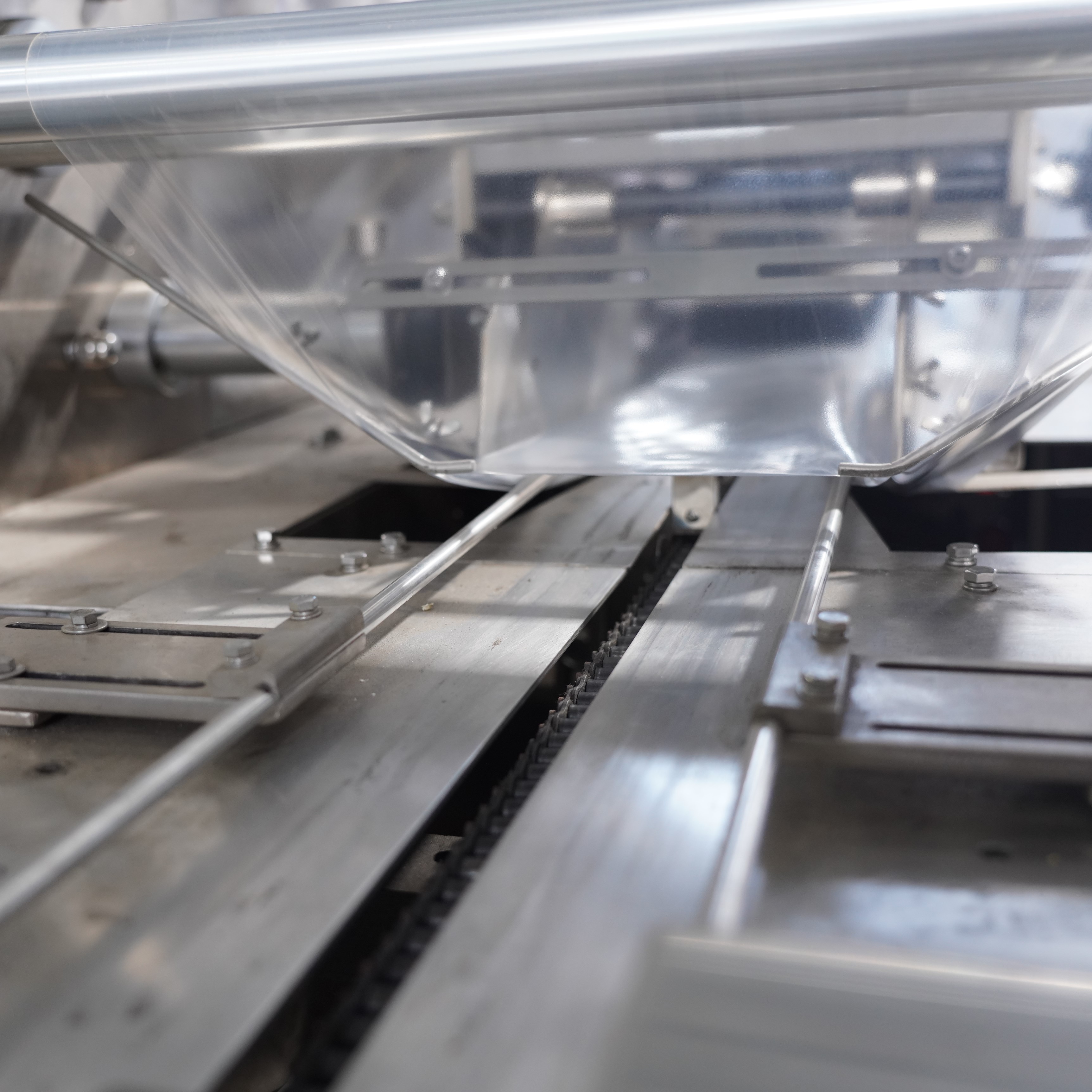
Unplanned downtime on a horizontal flow pack machine can significantly impact production efficiency and profitability. Whether you operate a small packaging facility or a large-scale manufacturing plant, minimizing interruptions is essential to maintaining competitive advantage and meeting customer delivery commitments. A well-maintained horizontal flow pack machine performs consistently, delivers superior package quality, and generates predictable production schedules. Understanding the root causes of downtime and implementing proactive strategies can dramatically extend equipment uptime and reduce costly production losses.
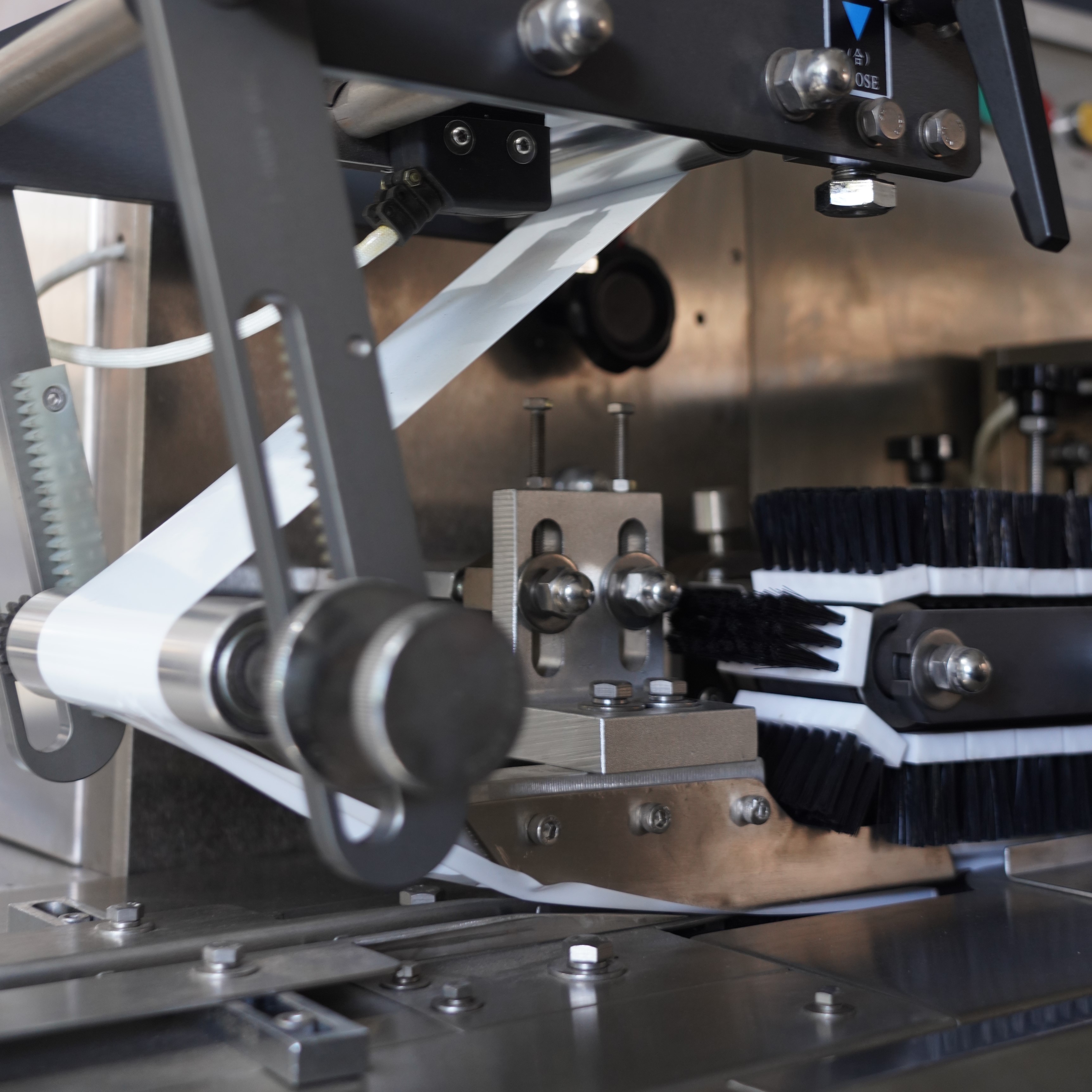
A preventive maintenance schedule is the foundation of reducing downtime on any horizontal flow pack machine. Rather than waiting for components to fail, you should inspect, clean, and replace parts at regular intervals based on manufacturer recommendations and historical performance data. Document every maintenance action performed on your horizontal flow pack machine, including dates, parts replaced, and technician notes. This creates a maintenance history that helps predict when critical components will require replacement before failure occurs.
The frequency of maintenance activities depends on your production volume and the specific design of your horizontal flow pack machine. High-speed operations may require weekly inspections of critical sealing surfaces and drive mechanisms, while lower-speed settings might permit monthly intervals. Establish clear procedures for lubricating bearings, checking belt tension, and verifying motor alignment on your horizontal flow pack machine. Assign responsibility to trained maintenance personnel and track completion through a formal checklist system.
Several components on a horizontal flow pack machine directly affect reliability and pack quality. The sealing jaws must remain clean and properly calibrated to ensure consistent film heat-sealing and prevent leaks that trigger quality rejections and process restarts. Replace worn sealing jaw liners before visible damage occurs. The film advance mechanism, including rollers and drive belts, should be inspected for wear patterns that indicate misalignment or excessive load. Check the electrical heating elements for corrosion or scale buildup that reduces sealing efficiency.
The cutting system on a horizontal flow pack machine operates under high speed and pressure, making it a frequent source of unplanned downtime if neglected. Sharpen or replace cutting blades when they show signs of dulling, as dull cuts increase stress on the entire cutting assembly and can cause jams. Inspect all tensioning springs, bearings, and guide rails for wear. Keep the film pathway clear of debris and residual adhesive that can cause feeding errors on your horizontal flow pack machine.
Running a horizontal flow pack machine at incorrect temperature or speed settings generates quality issues and accelerates component wear. Establishing optimal operating parameters for your specific film material and product type reduces the risk of failed seals, wrinkles, or slippage that forces production stops. Calibrate sealing temperatures based on the film manufacturer's recommendations and your material thickness. Test these settings on your horizontal flow pack machine during setup to confirm consistent results before running full production batches.
Speed optimization is equally important for reliability on a horizontal flow pack machine. Running at maximum speed may seem efficient, but it increases stress on mechanical components and reduces sealing quality if the film cannot be properly positioned and sealed within the required time window. Many operators find that reducing speed by 5 to 10 percent on a horizontal flow pack machine improves overall output by reducing rejects and unplanned stoppages. Monitor temperature stability during production runs; fluctuations often indicate heating element degradation or thermostat failure that requires attention before complete failure occurs.
Seal failures represent one of the most common causes of downtime and quality rejects on a horizontal flow pack machine. When sealed packs leak or show incomplete seals, production must stop while operators investigate and correct the problem. Start troubleshooting by checking sealing jaw cleanliness; residue buildup on a horizontal flow pack machine's sealing surfaces prevents direct contact and weakens seal strength. Clean the sealing jaws thoroughly with appropriate solvents and inspect for warping or damage that may require replacement.
If jaw cleaning does not resolve seal issues, verify that the sealing temperature is correctly calibrated for your specific film type on the horizontal flow pack machine. Different materials and thicknesses require different thermal inputs. Check that the sealing time is adequate for the film to bond completely. Many horizontal flow pack machine failures stem from excessive speed relative to thermal capability. Reduce the production speed and remeasure seal quality. Also inspect the film pathway for sharp edges or burrs that can damage the film edge before it reaches the sealing jaw of your horizontal flow pack machine.
Feeding errors and misaligned cuts are frequent causes of brief downtime on a horizontal flow pack machine. These issues often stem from worn guide rollers, slack belts, or improper film tension settings. Inspect the film guide system on your horizontal flow pack machine for signs of uneven wear patterns that indicate misalignment. Adjust guide rail positions carefully and verify that film travels straight through each station without binding or drifting. Slack in the film advance belt reduces precision and causes the horizontal flow pack machine to miscut or misfold packs.
Check the cutting blade positioning and sharpness as part of routine troubleshooting on your horizontal flow pack machine. A dull blade requires increased pressure to cut, straining the drive mechanism and potentially damaging the film. Replace blades proactively to maintain cut quality. Verify that the film is advancing the correct distance between cuts by measuring completed packs. If your horizontal flow pack machine produces inconsistently sized packs, the issue likely involves either belt tension, motor synchronization, or sensor calibration. Recalibrate position sensors and verify that the cutting mechanism triggers at the correct film advance position.
The ideal maintenance frequency for your horizontal flow pack machine depends on production volume and operating speed, but most manufacturers recommend inspecting critical components weekly and performing detailed maintenance monthly. High-volume operations may require daily checks of sealing surfaces and drive mechanisms. Review your horizontal flow pack machine documentation for the original equipment manufacturer's maintenance schedule and adjust intervals based on your facility's production patterns and failure history. Tracking maintenance in a formal log helps you identify trends and optimize the timing of preventive actions before failures occur on your horizontal flow pack machine.
Seal failures and cutting misalignment account for approximately 40 percent of unplanned downtime on most horizontal flow pack machine installations. These issues typically result from inadequate cleaning, worn components, or incorrect temperature and speed settings on the horizontal flow pack machine. Film quality problems also rank among the top causes of interruptions. By establishing consistent preventive maintenance and careful monitoring of operating parameters on your horizontal flow pack machine, you can address these issues before they force production stops. Many facilities find that investing in training and maintenance discipline eliminates the majority of preventable downtime events on their horizontal flow pack machine.
Yes, well-trained operators significantly reduce downtime on a horizontal flow pack machine by recognizing early warning signs and following correct startup and shutdown procedures. Operators who understand the relationship between speed, temperature, and film quality can make intelligent adjustments that prevent minor issues from escalating into equipment failures. Training should cover daily inspections, proper film loading, parameter verification, and safe response procedures in case of unexpected events. Operators familiar with the design and function of your horizontal flow pack machine can often diagnose and communicate problems to maintenance staff more accurately, reducing troubleshooting time when issues do occur.

2026/09/20
Premade Pouch Machines: Reduce Film Waste, Cut TCO & Achieve Faster ROI

2026/09/20
Cut Premade Pouch Machine Changeover Time by 40% with Proven Best Practices

2026/09/20
Premade Pouch Machines: Boost Throughput, Cut Waste & Improve ROI

2026/09/20
Rotary vs Inline Premade Pouch Machines: Speed, ROI & Scalability Compared

2026/09/20
Premade Pouch Machine: Boost Throughput, Cut Labor Costs & Improve Seal Integrity

2026/09/21
Premade Pouch Machine: Pouch Types, Materials & Filling Guide

