 EN
How to Reduce Film Waste with a Premade Pouch Packaging Machine?
2026/09/20
Premade Pouch Machines: Reduce Film Waste, Cut TCO & Achieve Faster ROI

2026/10/26
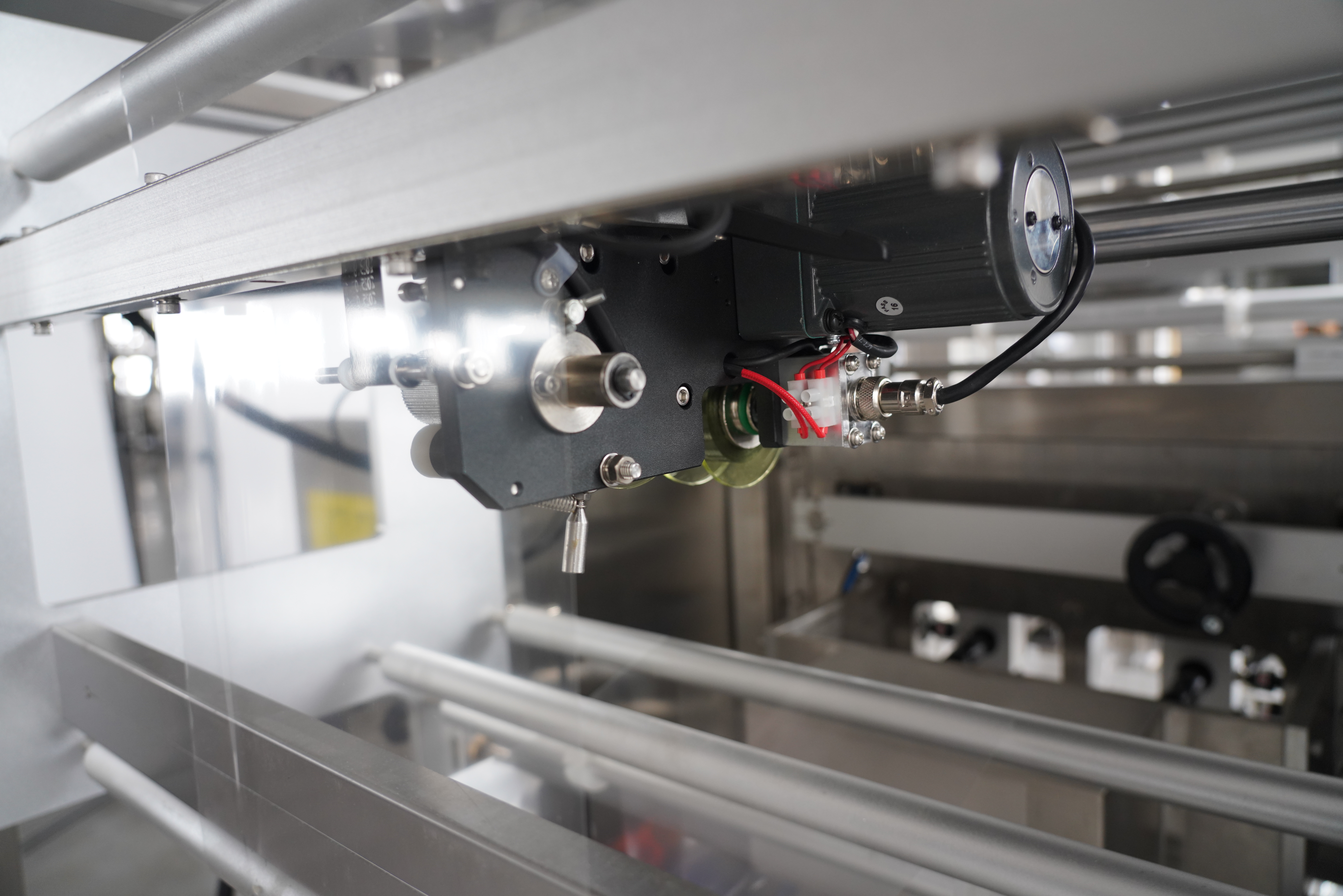
Dust accumulation is one of the most persistent challenges operators face when running a vertical form fill seal machine in production environments. A vertical form fill seal machine creates packaging by forming, filling, and sealing flexible film in a continuous automated process, but the friction, material handling, and mechanical motion inherent to this operation generate significant particulate matter. Understanding how to reduce dust on a vertical form fill seal machine directly impacts product quality, equipment longevity, and workplace safety standards across food, pharmaceutical, and industrial packaging operations.
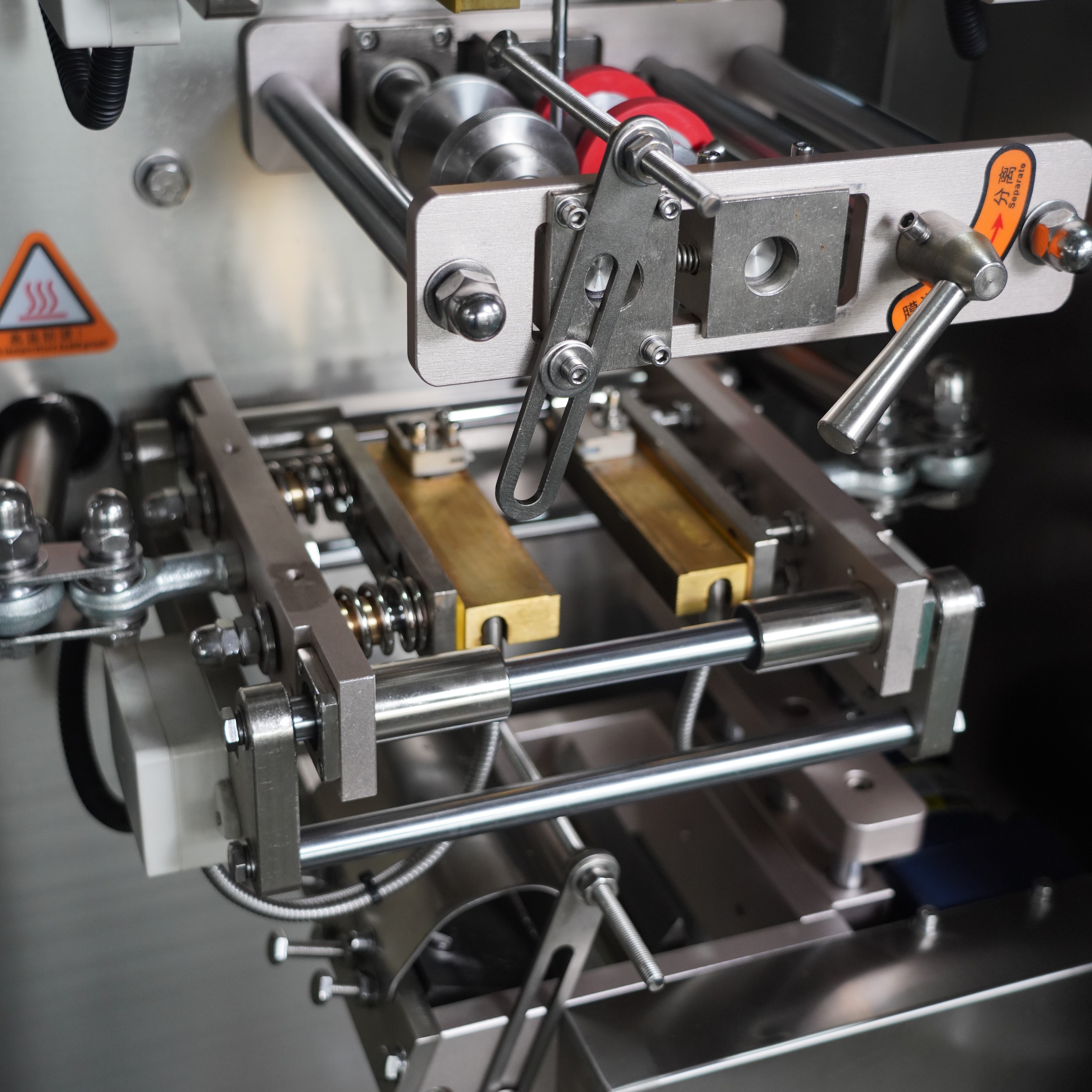
Dust control on a vertical form fill seal machine is not merely an operational convenience but a critical requirement for maintaining regulatory compliance, protecting worker health, and ensuring consistent output quality. When dust settles on film surfaces, product chambers, or sealing components, it compromises seal integrity, reduces packaging transparency, and can trigger product rejection downstream. This guide explores actionable dust reduction strategies specifically designed for vertical form fill seal machine operators seeking to maintain peak performance and cleanliness standards.
Dust originates from multiple sources within a vertical form fill seal machine environment. The film unwinding mechanism generates friction dust as material moves across guide rollers and tension control points. Product materials such as powders, granules, or dried ingredients create airborne particles as they enter the forming chamber and move through the filling zone. The vertical form fill seal machine's sealing jaws generate heat, which can volatilize certain product residues and create additional particulate matter. Film perforation, cutting, and registration processes also contribute fine debris that escapes into the surrounding air and settles on machine surfaces and product packaging.
Environmental conditions significantly influence how much dust accumulates on and around a vertical form fill seal machine. Low humidity environments dry out product materials faster, making them more prone to shedding particles. High ambient temperatures accelerate product decomposition and increase air currents that transport dust throughout the packaging line. Inadequate ventilation around the vertical form fill seal machine allows dust clouds to stagnate near the equipment, increasing settlement on critical components. Machine speed and fill weight settings also determine the intensity of dust generation during each production cycle, making higher-speed operations inherently dustier than slower throughput settings.
Effective dust reduction starts with isolating the vertical form fill seal machine through partial or full enclosure that directs airflow away from operators and product zones. A well-designed enclosure around the vertical form fill seal machine captures dust at the source using negative pressure and directed suction rather than allowing particles to disperse freely throughout the facility. Properly sized extraction ducts positioned near the filling chamber, sealing zone, and waste material discharge points pull dust-laden air away before settlement occurs. The vertical form fill seal machine's enclosure should include removable or hinged access panels for maintenance and adjustment while maintaining dust containment integrity during normal operation. Ventilation systems must be sized to match the machine's production speed and material type, ensuring adequate air velocity without creating noise disturbances or product disturbance inside the forming chamber.
Installing a multi-stage filtration system directly connected to the vertical form fill seal machine's enclosure represents a critical investment in dust control. Primary filters capture large particulates and prevent duct clogging, while secondary high-efficiency particulate air filters remove fine dust that would otherwise re-enter the facility air. The vertical form fill seal machine's filtration system should include automated cleaning mechanisms or shake-down intervals to maintain consistent airflow and prevent filter saturation. Regular filter replacement schedules, typically every two to four weeks depending on production intensity and material type, ensure that dust collection efficiency remains above ninety-five percent. Captured dust can often be recycled back into production if the material is food-grade or industrial approved, or safely disposed of according to regulatory guidelines applicable to your vertical form fill seal machine's product category.
Routine maintenance of the vertical form fill seal machine directly reduces dust generation over time. Regular cleaning of the film path, including guide rollers, tension control points, and registration sensors, prevents accumulated residue from becoming airborne during operation. The vertical form fill seal machine's sealing jaws should be inspected for carbon buildup or product residue every shift, as heat-damaged surfaces create additional dust through friction and material degradation. Lubrication points must be maintained according to manufacturer specifications, as under-lubricated components generate increased friction dust that spreads throughout the machine. Worn film guides, stretched belts, and misaligned rollers on the vertical form fill seal machine should be replaced promptly, as these conditions dramatically increase dust generation by creating irregular material movement and excessive surface contact.
Operating the vertical form fill seal machine at optimal speed and fill density settings directly impacts dust production. Excessively high speeds cause material turbulence within the forming chamber and increase particle ejection from the sealing zone, while lower speeds allow more orderly material flow and settlement. The vertical form fill seal machine should be configured with appropriate fill weights for your specific product, as underfilled or overfilled conditions create material spillage and excess dust. Pre-drying or moisture conditioning of bulk material before loading into the vertical form fill seal machine's hopper reduces moisture-related dust adhesion and settling problems. Storage containers for finished packages should be positioned away from the machine's exhaust area to prevent dust from re-contaminating sealed products after they leave the vertical form fill seal machine's output zone.
Some modern vertical form fill seal machine installations incorporate electrostatic technology to neutralize dust particles and encourage them to collect on designated surfaces rather than dispersing into the air. Ionization systems installed near the forming zone of the vertical form fill seal machine help reduce the charge that allows dust to remain suspended in air. These technologies work particularly well for fine powder applications where traditional mechanical filtration alone may not capture all particles. The vertical form fill seal machine operator should verify that electrostatic treatments do not interfere with product safety certifications or create static electricity hazards in explosive dust environments, particularly in grain, flour, or metal powder facilities.
Contemporary vertical form fill seal machine models integrate dust sensors and automated alerts that notify operators when dust accumulation exceeds safe thresholds. These monitoring systems measure dust concentration around the vertical form fill seal machine in real time and trigger cleaning cycles or speed adjustments to minimize further particulate generation. Digital logging of dust measurements helps facility managers identify trends and plan preventive maintenance before significant contamination occurs. The vertical form fill seal machine's integrated controls can automatically adjust vacuum strength, filter cleaning frequency, and enclosure ventilation speed based on detected dust levels, optimizing both dust control and energy consumption throughout your production shift.
Excessive dust on a vertical form fill seal machine typically results from inadequate product moisture control, worn mechanical components creating increased friction, insufficient ventilation around the machine, or material that is too fine or dry for the particular vertical form fill seal machine's design. Poor sealing jaw condition, misaligned film paths, and high-speed operation without proper containment all accelerate dust generation. Addressing the root cause through material pre-treatment, maintenance, and enclosure improvements yields the most effective long-term dust reduction results.
Filtration systems serving a vertical form fill seal machine should be inspected daily and cleaned automatically or manually every two to four weeks depending on production volume and material type. High-efficiency particulate air filters require replacement typically every four to eight weeks to maintain collection efficiency above ninety-five percent. The vertical form fill seal machine's specific manufacturer guidelines and your facility's air quality monitoring data should drive the exact service schedule, with more frequent service required for dry powders and less frequent service for stable granular products.
Yes, dust control modifications often improve vertical form fill seal machine efficiency by reducing product contamination, eliminating seal failures caused by dust interference, and extending equipment service life. A properly maintained vertical form fill seal machine with effective dust containment experiences fewer stoppages for cleaning, lower rework rates from contaminated packages, and reduced wear on mechanical components. The initial investment in enclosure systems and filtration typically pays for itself within twelve to eighteen months through improved packaging quality and reduced maintenance expenses on the vertical form fill seal machine.

2026/09/20
Premade Pouch Machines: Reduce Film Waste, Cut TCO & Achieve Faster ROI

2026/09/20
Cut Premade Pouch Machine Changeover Time by 40% with Proven Best Practices

2026/09/20
Premade Pouch Machines: Boost Throughput, Cut Waste & Improve ROI

2026/09/20
Rotary vs Inline Premade Pouch Machines: Speed, ROI & Scalability Compared

2026/09/20
Premade Pouch Machine: Boost Throughput, Cut Labor Costs & Improve Seal Integrity

2026/09/21
Premade Pouch Machine: Pouch Types, Materials & Filling Guide

