 EN
How to Reduce Film Waste with a Premade Pouch Packaging Machine?
2026/09/20
Premade Pouch Machines: Reduce Film Waste, Cut TCO & Achieve Faster ROI

2026/09/28
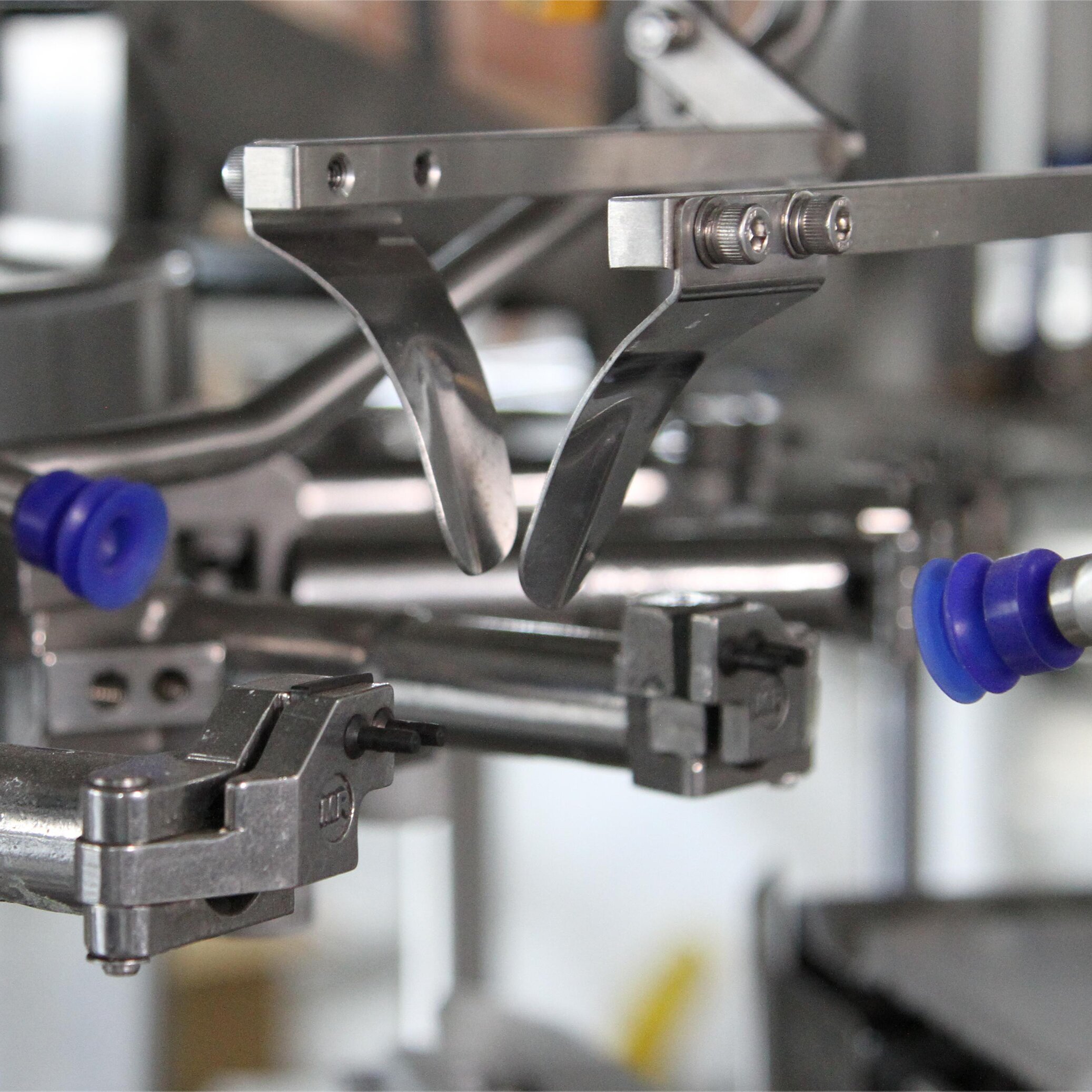
Film costs represent one of the largest operational expenses for businesses using a rotary vacuum packaging machine, often accounting for 30 to 50 percent of total packaging material budgets. Whether you operate in food manufacturing, pharmaceutical production, or industrial goods packaging, understanding how to reduce film expenses without compromising seal quality or product protection is essential for profitability. A rotary vacuum packaging machine can process hundreds or thousands of packages daily, meaning even small improvements in film efficiency translate into substantial cost savings across the year.
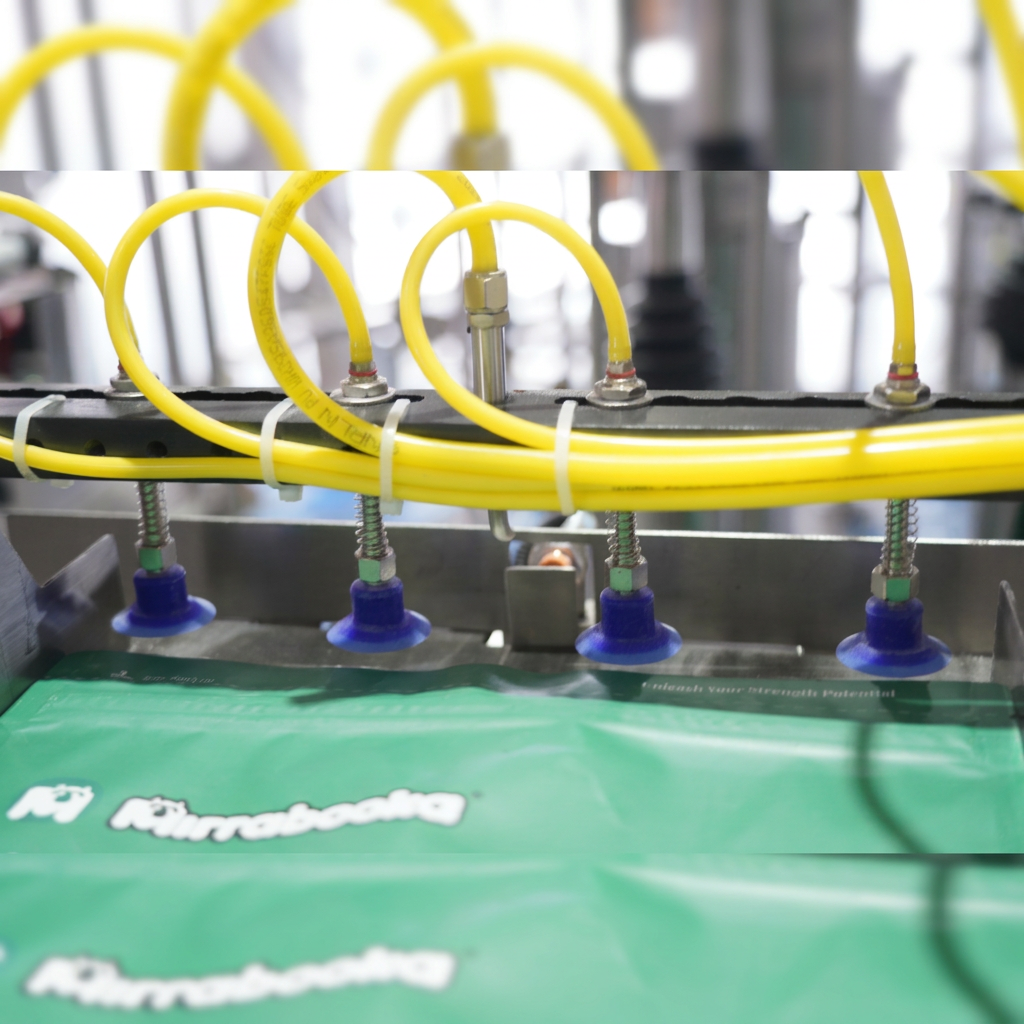
Reducing film costs on your rotary vacuum packaging machine involves a combination of material optimization, equipment calibration, and operational best practices. Film waste during production, improper seal pressure settings, and inadequate machine maintenance all drive unnecessary expenses. By implementing targeted strategies to address these areas, businesses can achieve film cost reductions of 10 to 25 percent while maintaining product quality and operational reliability.
The first step in reducing costs on a rotary vacuum packaging machine is selecting the appropriate film material. Not all products require premium multi-layer films with extended barrier properties. Analyzing your specific product requirements allows you to choose a film that meets protection needs without excess cost. For items with shorter shelf lives or lower oxygen sensitivity, a standard nylon-polyethylene film may suffice instead of costlier options like nylon-polypropylene or metallized films. Consulting with your film supplier about your product's specific requirements helps identify the most cost-effective option suitable for a rotary vacuum packaging machine.
Film gauge—the thickness of packaging material—directly impacts cost per package. Many facilities operate with heavier gauge films than necessary, driven by habit or outdated specifications. A rotary vacuum packaging machine with proper vacuum force and seal calibration can achieve reliable seals with thinner films. Testing your production with a 20 to 30 percent thinner film gauge often reveals that quality remains acceptable while material costs drop significantly. Before implementing this change across production, conduct trial runs on your rotary vacuum packaging machine to confirm seal strength and package integrity meet standards. Working with your film supplier to understand minimum viable gauges for your application is a practical starting point.
Improper seal bar temperature and vacuum pressure settings waste film by causing seal failures, wrinkled packages, or excessive heat damage. A rotary vacuum packaging machine operates most efficiently when seal temperature and dwell time are precisely calibrated for your specific film type and thickness. Overheating film causes unnecessary degradation and waste, while insufficient heat results in weak seals requiring film re-runs. Vacuum pressure should be strong enough to remove air and create seals, but excessive vacuum can stretch film, causing tears and defects. Regular calibration of your rotary vacuum packaging machine using test cycles ensures consistent seal quality and minimizes film scrap rates.
Worn seal bars, misaligned jaws, and degraded vacuum gaskets significantly increase film rejection rates on a rotary vacuum packaging machine. Even small imperfections in seal surfaces create weak points that fail during handling or storage. A rotary vacuum packaging machine requires scheduled maintenance including seal bar cleaning, jaw alignment checks, and gasket replacement to maintain consistent seal performance. Build a preventive maintenance schedule based on the manufacturer's recommendations and your production volume. Regular inspection prevents costly downtime and reduces the scrap film generated by poor seals, directly improving your overall film cost per package.
Every rotary vacuum packaging machine generates trim waste at package edges and occasional off-spec material from setup runs or testing. While some waste is unavoidable, optimizing film roll sizing and cut patterns can reduce trim loss. Work with your film supplier to order roll widths that minimize or eliminate leftover material after cutting to your bag dimensions. Additionally, tracking off-spec production during machine setup and configuration helps identify opportunities to reduce waste generation on your rotary vacuum packaging machine. Some operations recover trim waste for recycling programs, offsetting disposal costs and creating revenue from material that would otherwise be discarded.
Setup and trial runs on a rotary vacuum packaging machine consume film without generating sellable packages. Reducing trial run length through standardized setup procedures and operator training cuts unnecessary film consumption. Maintaining detailed setup specifications for each product run allows faster, more accurate configuration of your rotary vacuum packaging machine, minimizing the packages discarded during calibration and testing phases. Investing in operator training on proper machine setup, film threading, and parameter entry pays dividends through reduced setup scrap and faster production start-up times.
Most facilities achieve 10 to 25 percent film cost reductions by implementing optimization strategies on their rotary vacuum packaging machine. The actual savings depend on current operating practices, product type, and film selection. Organizations with poor maintenance or suboptimal settings often see reductions at the higher end of this range, while well-managed operations may achieve more modest but still meaningful improvements.
Yes, thinner film often works effectively on a rotary vacuum packaging machine when seal settings are properly calibrated. Testing with 20 to 30 percent thinner gauges typically reveals acceptable performance for many applications. Always validate seal strength and package integrity during trial runs before full production implementation on your rotary vacuum packaging machine to ensure quality standards remain met.
A rotary vacuum packaging machine should receive preventive maintenance at intervals specified by the manufacturer, typically monthly or quarterly depending on production volume. High-speed production environments may require more frequent checks. Regular maintenance prevents equipment degradation that increases film waste and ensures your rotary vacuum packaging machine operates at peak efficiency.

2026/09/20
Premade Pouch Machines: Reduce Film Waste, Cut TCO & Achieve Faster ROI

2026/09/20
Cut Premade Pouch Machine Changeover Time by 40% with Proven Best Practices

2026/09/20
Premade Pouch Machines: Boost Throughput, Cut Waste & Improve ROI

2026/09/20
Rotary vs Inline Premade Pouch Machines: Speed, ROI & Scalability Compared

2026/09/20
Premade Pouch Machine: Boost Throughput, Cut Labor Costs & Improve Seal Integrity

2026/09/21
Premade Pouch Machine: Pouch Types, Materials & Filling Guide

