EN
How to Reduce Film Waste with a Premade Pouch Packaging Machine?
2026/09/20
Premade Pouch Machines: Reduce Film Waste, Cut TCO & Achieve Faster ROI

2026/10/20
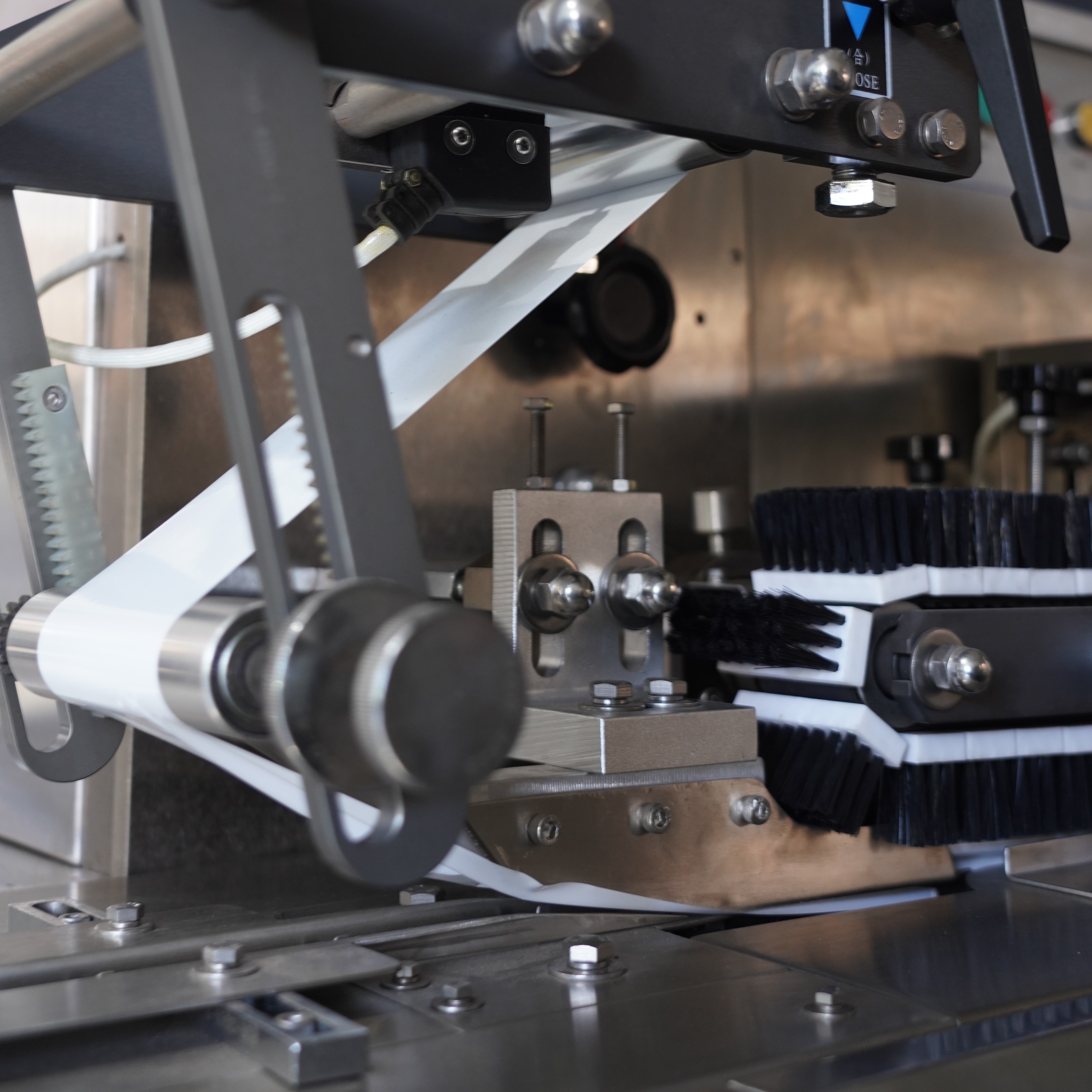
Film waste represents one of the most controllable expenses in packaging operations, yet many manufacturers overlook optimization opportunities on their flow wrap machine. Excess scrap directly impacts your bottom line through material loss, increased disposal costs, and reduced production efficiency. Understanding how to reduce film waste on a flow wrap machine requires strategic attention to machine setup, material handling, maintenance routines, and operational best practices. By implementing systematic improvements across these areas, you can significantly lower waste rates while maintaining or even improving output quality and speed.
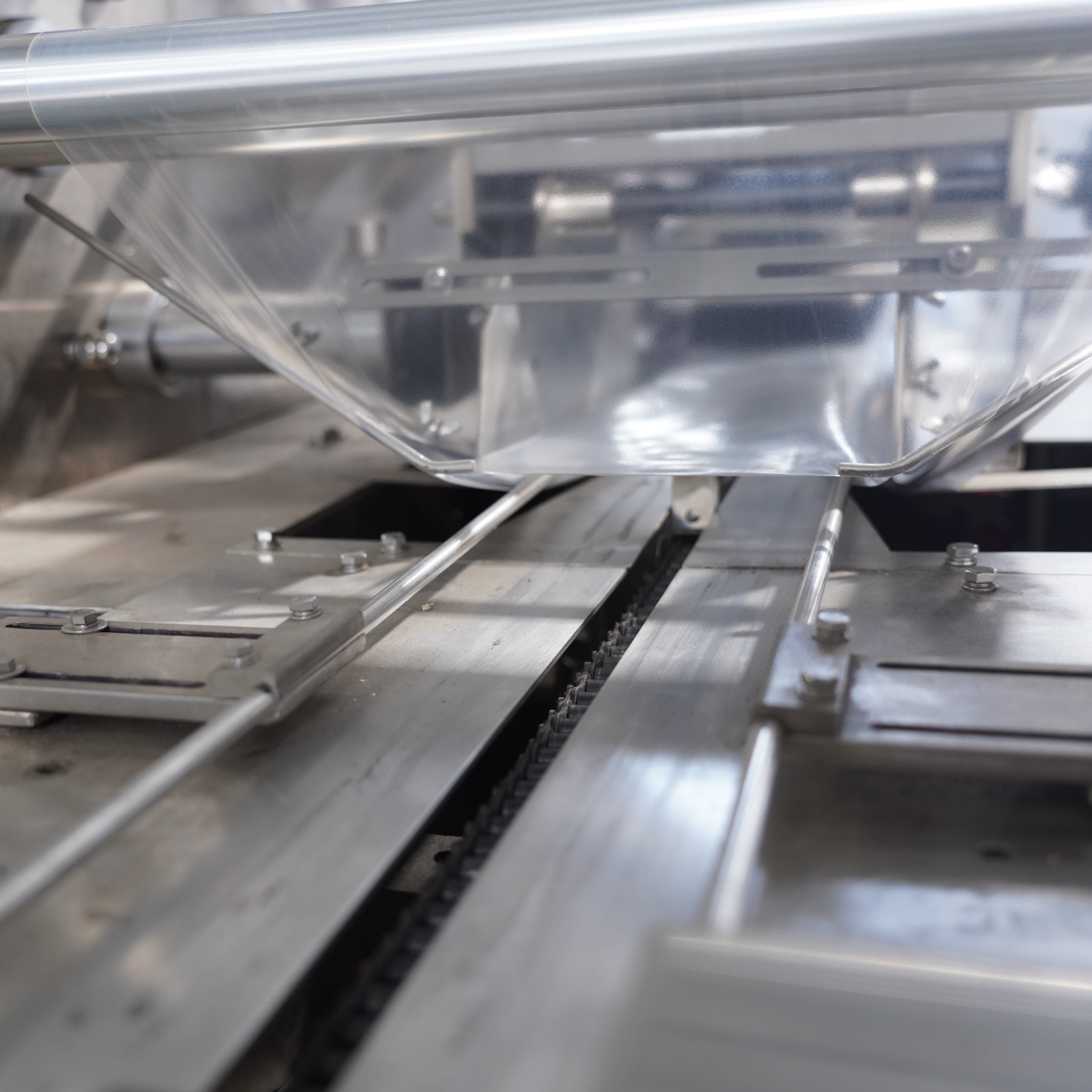
A flow wrap machine processes continuous film rolls at high speeds, converting them into sealed packages around products. The efficiency of this process directly determines how much usable film becomes waste. Common waste sources include setup scrap during changeovers, misaligned seal failures, film tension inconsistencies, and improper cutting sequences. Each flow wrap machine has design specifications and operating parameters that, when properly calibrated, minimize these waste sources. Whether you operate a compact horizontal model or a large-format flow wrapper, the fundamental principles of waste reduction apply across all equipment sizes.
Film tension stands as one of the most critical variables affecting waste rates on any flow wrap machine. Excessive tension causes unnecessary stretching, leading to seal weakness and package failures, while insufficient tension results in wrinkles, misalignment, and seal defects. Your flow wrap machine requires dynamic tension adjustment based on film type, thickness, and width. Start by establishing baseline tension settings specific to each film material you process regularly. Document these settings and train operators to check tension at shift start and after every changeover. Modern flow wrap machine controls allow real-time tension monitoring, which enables operators to catch drift before it creates significant waste.
Heat seal parameters directly influence seal quality and film integrity on your flow wrap machine. Undersized seals fail to bond film layers adequately, resulting in package leakage and rejection during quality checks. Oversized seals damage film structure, creating brittleness and breakage downstream. The optimal seal temperature for your flow wrap machine depends on film composition, thickness, and line speed. Establish a validation protocol where you test seal strength across the operating speed range quarterly. Many operators find that reducing line speed by ten to fifteen percent during initial setup on a flow wrap machine eliminates most seal-related waste without significant throughput loss.
The seal assembly components on your flow wrap machine experience continuous thermal cycling and mechanical stress. Over time, sealing surfaces accumulate film residue, oxidation, and microscopic damage that degrades sealing performance. Establish a maintenance schedule where seal plates on your flow wrap machine are inspected weekly and cleaned of film buildup. Replace seal plates when surface irregularities exceed manufacturer specifications, typically every six to twelve months depending on throughput volume. A flow wrap machine with deteriorating seals wastes film through weak bonds that fail during handling or transit. Preventive seal replacement costs far less than the scrap value lost to seal failures.
Your flow wrap machine relies on precision cutting systems to sever film at exact lengths and positions. Dull or misaligned cutting blades create ragged edges, irregular package dimensions, and film spillage between cuts. Inspect blade sharpness daily by examining cut edges under magnification; blades should produce clean, burr-free cuts. A flow wrap machine equipped with sharp, properly aligned blades reduces trimming waste significantly compared to one with worn cutting tools. Replace cutting blades according to manufacturer recommendations or when cut quality degrades noticeably. Some operators sharpen blades rather than replacing them entirely, extending blade life and reducing long-term maintenance costs on their flow wrap machine.
Not all film waste originates from the flow wrap machine itself; incoming material defects contribute meaningfully to scrap rates. Before threading film onto your flow wrap machine, inspect rolls for physical damage, surface contamination, or inconsistent thickness. Defective incoming film causes seal failures, tracking errors, and alignment problems that multiply waste generation during production runs. Implement incoming inspection at receiving, and reject rolls that fail basic quality criteria. Communicate roll quality issues to your film supplier; most suppliers appreciate feedback that helps them improve output consistency. When your flow wrap machine receives consistent, high-quality input material, waste reduction becomes measurable and sustainable.
Every changeover between products represents an opportunity for waste reduction on your flow wrap machine. Extended setup times mean longer machine operation before reaching stable output, generating unnecessary scrap. Document setup procedures for each product variant your flow wrap machine processes, including film type, dimensions, and machine parameter adjustments. Standardize setup sequences so operators follow identical steps in identical order, reducing learning time and setup mistakes. Some facilities schedule product changeovers strategically to minimize the number of film tension and temperature adjustments required, allowing operators to focus on precise calibration between similar products. Quick, accurate setups directly reduce waste on your flow wrap machine during the critical startup phase.
Well-operated flow wrap machines typically generate two to four percent waste during normal production, with roughly half from setup scrap and half from ongoing spoilage. High-efficiency operations reduce this to one to two percent through excellent maintenance and operator training. A flow wrap machine operated poorly may generate five to eight percent waste or higher. Benchmarking your facility against industry standards helps identify where improvement efforts yield the greatest return.
A flow wrap machine benefits from daily operator checks of seal quality and cutting accuracy, weekly deep cleaning of seal assemblies, and quarterly preventive maintenance on all mechanical systems. Many manufacturers recommend annual professional service for a flow wrap machine, where technicians calibrate sensors, replace wear items, and verify seal and cut accuracy. More frequent servicing protects your flow wrap machine investment and directly reduces waste through consistent performance.
Yes, reducing film waste on a flow wrap machine typically improves throughput by eliminating the stops and restarts caused by seal failures, cut errors, and misalignment. A flow wrap machine operating with optimized settings produces fewer defects that interrupt the production rhythm. Additionally, waste reduction allows operators to run your flow wrap machine closer to its design speed safely, increasing usable output per hour while reducing per-unit operating costs.
2026/09/20
Premade Pouch Machines: Reduce Film Waste, Cut TCO & Achieve Faster ROI
2026/09/20
Cut Premade Pouch Machine Changeover Time by 40% with Proven Best Practices
2026/09/20
Premade Pouch Machines: Boost Throughput, Cut Waste & Improve ROI
2026/09/20
Rotary vs Inline Premade Pouch Machines: Speed, ROI & Scalability Compared
2026/09/20
Premade Pouch Machine: Boost Throughput, Cut Labor Costs & Improve Seal Integrity
2026/09/21
Premade Pouch Machine: Pouch Types, Materials & Filling Guide