 EN
How to Reduce Film Waste with a Premade Pouch Packaging Machine?
2026/09/20
Premade Pouch Machines: Reduce Film Waste, Cut TCO & Achieve Faster ROI

2026/10/02
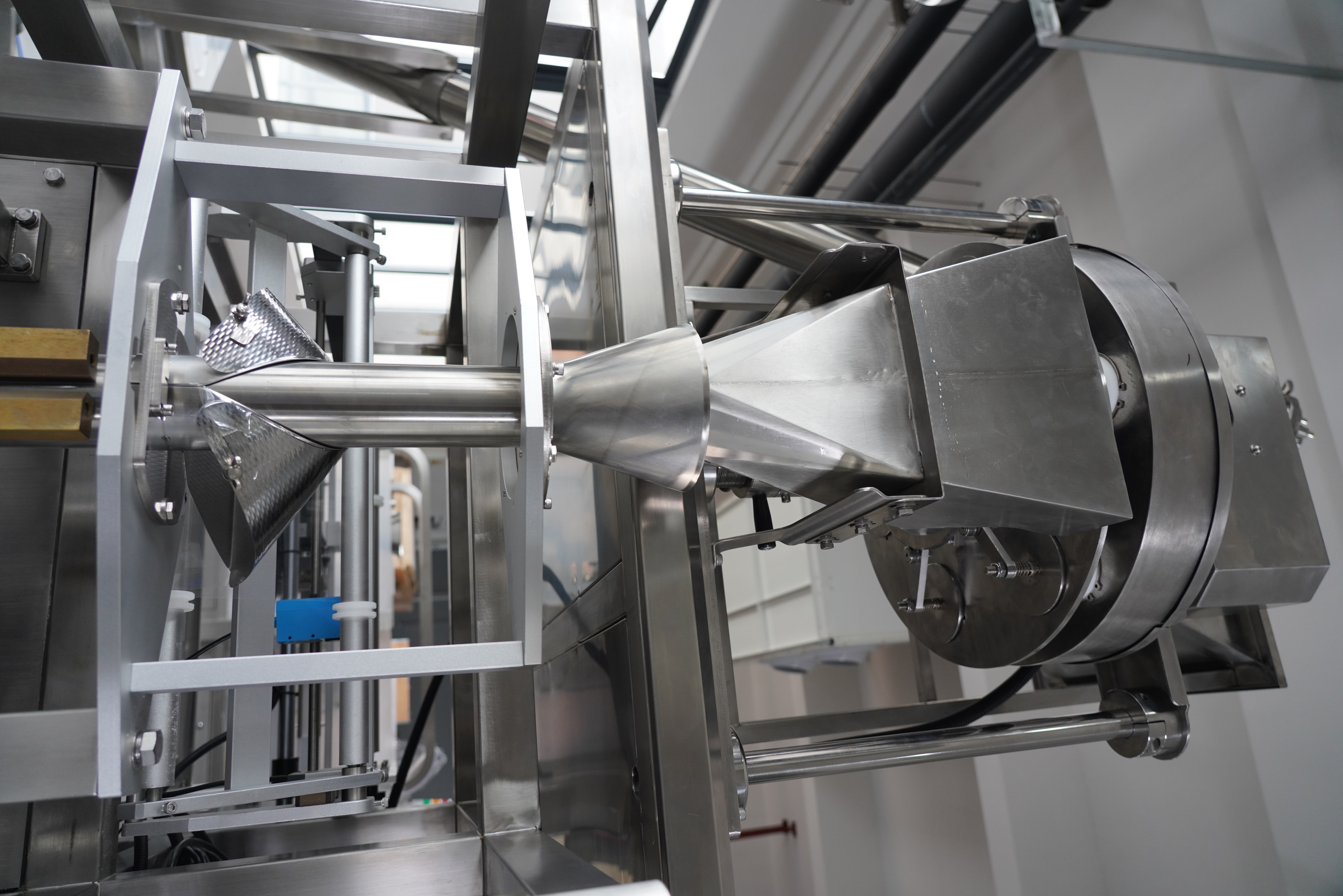
Film waste on a vertical bagger represents a significant operational challenge for manufacturers across food, pharmaceutical, and industrial packaging sectors. Every meter of wasted film directly impacts profitability, environmental sustainability, and production efficiency. Understanding how to reduce film waste on a vertical bagger requires a comprehensive approach that combines equipment knowledge, operational discipline, and preventive maintenance. The good news is that most film waste reduction strategies are implementable without major capital investment, making them accessible to facilities of all sizes.
A vertical bagger operates by feeding film from a continuous roll, forming a tube, filling it with product, sealing the ends, and cutting individual packages. Each step in this process presents opportunities for film loss through operator error, mechanical misalignment, or suboptimal settings. By identifying where waste occurs and implementing targeted solutions, manufacturers can dramatically improve their bottom line while supporting sustainability goals.
Film waste on a vertical bagger typically originates from five primary sources: startup waste during machine initialization, edge trimming and sealing failures, speed mismatches between feed and seal mechanisms, product spillage causing partial package rejection, and improper film splicing during roll changes. Each source requires different corrective actions. Startup waste is nearly unavoidable but can be minimized through proper warm-up protocols and film pre-positioning. Edge trimming waste occurs when the vertical bagger cuts film at wider tolerances than necessary, a setting often overlooked during routine operation.
Before implementing reduction strategies, establish a baseline for your vertical bagger's waste rate. Track film consumption against actual package output for one production week, accounting for changeover downtime. Calculate waste as a percentage of total film used. Most manufacturers find that 3 to 7 percent waste is typical, but optimized operations achieve 1 to 2 percent. This measurement becomes your benchmark for evaluating whether interventions on your vertical bagger are working. Regular monitoring prevents waste levels from creeping upward unnoticed.
The most impactful factor in reducing film waste on a vertical bagger is maintaining precise tension throughout the film path. Excessive tension causes wrinkles, misfeeds, and premature seal failures, all contributing to waste. Insufficient tension allows slack, leading to tracking errors and edge folds. Your vertical bagger's film tension should be adjusted based on film thickness, width, and material type. Partner with your film supplier to confirm optimal tension ranges specific to your material. Additionally, ensure that the vertical bagger's feed speed precisely matches the seal jaw closing speed; mismatches create gaps and incomplete seals that force package rejection.
Seal integrity directly determines whether packages pass quality checks or become waste. For your vertical bagger, sealing temperature must be calibrated to the specific film material, not set to a one-size-fits-all default. Many operators run seals hotter than necessary, which degrades film strength and increases brittleness, causing post-sealing failures. Implement a documented temperature calibration routine for each product transition on your vertical bagger.
Equipment degradation is a leading cause of increased film waste on a vertical bagger. Worn rollers, misaligned seal jaws, and debris accumulation all contribute to performance loss. Establish a preventive maintenance schedule that includes weekly cleaning of the film path, monthly inspection of rollers and bearings, and quarterly verification of seal jaw alignment on your vertical bagger. Keep detailed maintenance logs to correlate any upward trend in waste rates with equipment condition. Many modern vertical bagger models include sensor-based diagnostics that alert operators to component wear before failures occur, so ensure these are actively monitored.
Dust, product residue, and film fragments accumulate along the film path of your vertical bagger, causing tracking errors and edge damage. Implement a daily cleaning routine that includes compressed air purging of all film guide areas and removal of any foreign material. Pay special attention to the forming collar and seal jaw area where debris most commonly collects on a vertical bagger. A clean film path reduces friction, improves tracking, and extends equipment life. Many facilities that initially struggled with waste saw immediate improvement simply through rigorous path cleaning protocols on their vertical bagger.
Not all films perform equally on every vertical bagger. Some materials are inherently more prone to tracking errors, static buildup, or seal failures. Work with your film supplier and your vertical bagger manufacturer to validate that your chosen film grade is optimized for your specific equipment. Thinner films generally waste more on a vertical bagger due to higher sensitivity to tension variation and seal temperature fluctuations. If cost reduction is driving film selection, ensure that the savings do not translate to higher waste rates that offset the material cost benefit. Request trial runs with new film types on your vertical bagger before committing to large volume orders.
Film storage conditions significantly impact performance on a vertical bagger. Humidity-sensitive materials absorb moisture during improper storage, leading to static issues and seal problems. Store film rolls in climate-controlled environments, ideally 40 to 60 percent relative humidity. Allow film to acclimate to the packaging environment for at least 24 hours before using it on your vertical bagger. During roll setup on the vertical bagger, verify that the film is feeding straight and centered before activating production; poor alignment at the start causes cascading waste throughout the run.
Operator capability directly impacts waste rates on a vertical bagger. Even machines in perfect condition will generate excessive waste if operators lack proper training. Develop a structured training program that covers vertical bagger setup, speed and tension adjustment, changeover procedures, and troubleshooting. Include hands-on practice time where operators can adjust settings on your vertical bagger under supervision. Certification programs that verify competency before independent operation have proven effective at reducing waste. Refresh training quarterly, especially when new film grades or products are introduced to your vertical bagger.
Modern vertical bagger systems increasingly include integrated monitoring and data collection capabilities. These systems track key performance indicators including film consumption, package count, downtime duration, and quality rejects. By analyzing this data, you can pinpoint exactly when waste increases and correlate it with specific products, shifts, or environmental conditions. This visibility enables rapid intervention before waste spirals. Some advanced systems on a vertical bagger can automatically adjust tension and temperature based on real-time feedback, significantly reducing operator-dependent waste variation.
Leading manufacturers now employ predictive maintenance algorithms that forecast component failures on a vertical bagger before they occur. By monitoring vibration patterns, temperature trends, and cycle times, these systems can alert maintenance teams to degradation that would otherwise increase waste. Implementing basic analytics on your vertical bagger does not require expensive new equipment; many legacy machines can be retrofitted with affordable sensors and software solutions that deliver significant waste reduction through early failure prevention.
Manufacturers implementing comprehensive optimization on a vertical bagger typically reduce waste by 40 to 60 percent within the first three months. Facilities that were operating at 5 percent waste often achieve 2 percent or lower through improved seal calibration, operator training, and preventive maintenance. The exact improvement depends on your starting waste rate, equipment age, and commitment to sustaining new practices. Some best-in-class operations using a vertical bagger achieve waste rates below 1 percent.
Recalibration frequency for your vertical bagger depends on production volume and changeover frequency. High-volume operations should verify seal temperature and film tension settings weekly, especially when transitioning between different film materials or product sizes. Low-volume operations may recalibrate monthly. Any time you introduce a new film type or notice an increase in waste on your vertical bagger, immediate recalibration is warranted. Seasonal humidity changes can also necessitate adjustments to settings on your vertical bagger, particularly for moisture-sensitive films.
Yes, older vertical bagger models can achieve significant waste reduction through focused optimization and maintenance, though they may not reach the performance levels of newer equipment with advanced automation. Legacy vertical bagger systems benefit greatly from operator training, meticulous maintenance, and precise calibration adjustments. Retrofitting sensors or upgrading seal jaws on an older vertical bagger can further improve performance. However, if waste remains persistently high despite these efforts on an older vertical bagger, equipment replacement may ultimately prove more cost-effective than continued troubleshooting.

2026/09/20
Premade Pouch Machines: Reduce Film Waste, Cut TCO & Achieve Faster ROI

2026/09/20
Cut Premade Pouch Machine Changeover Time by 40% with Proven Best Practices

2026/09/20
Premade Pouch Machines: Boost Throughput, Cut Waste & Improve ROI

2026/09/20
Rotary vs Inline Premade Pouch Machines: Speed, ROI & Scalability Compared

2026/09/20
Premade Pouch Machine: Boost Throughput, Cut Labor Costs & Improve Seal Integrity

2026/09/21
Premade Pouch Machine: Pouch Types, Materials & Filling Guide

