 EN
How to Reduce Film Waste with a Premade Pouch Packaging Machine?
2026/09/20
Premade Pouch Machines: Reduce Film Waste, Cut TCO & Achieve Faster ROI

2026/09/29
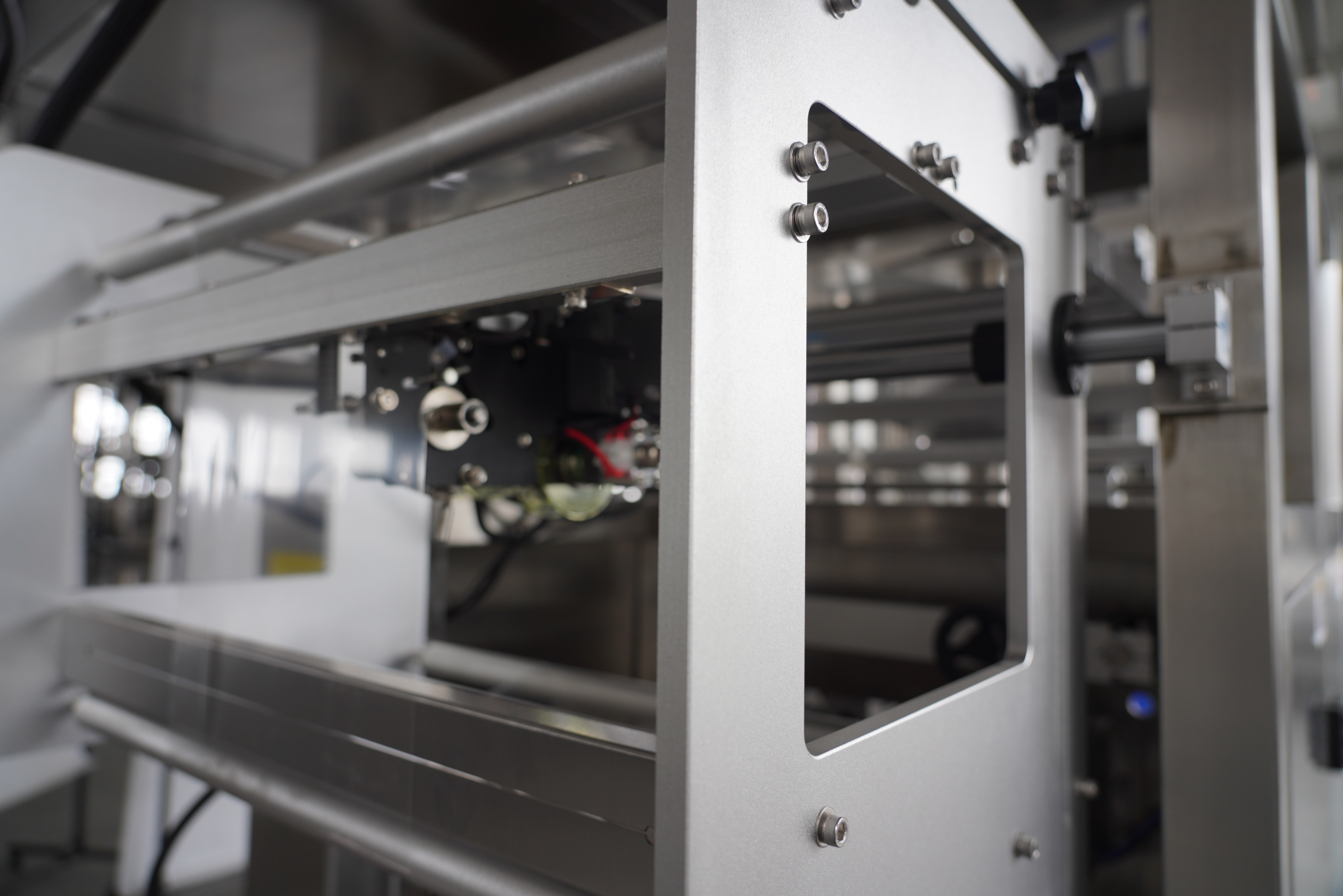
Film waste represents one of the most significant operational costs in modern packaging facilities, and understanding how to reduce it on a vertical packaging machine is essential for improving profitability and sustainability. Every meter of film that goes to waste translates directly into lost revenue, environmental impact, and reduced competitive advantage. A vertical packaging machine operates at high speeds, processing thousands of packages per shift, which means even small inefficiencies compound into substantial waste over time. The challenge intensifies when operators lack proper knowledge about optimization techniques or when machines operate without adequate maintenance protocols. Reducing film waste on a vertical packaging machine requires a strategic combination of technical understanding, preventive maintenance, and operational best practices that work together to maximize material efficiency.
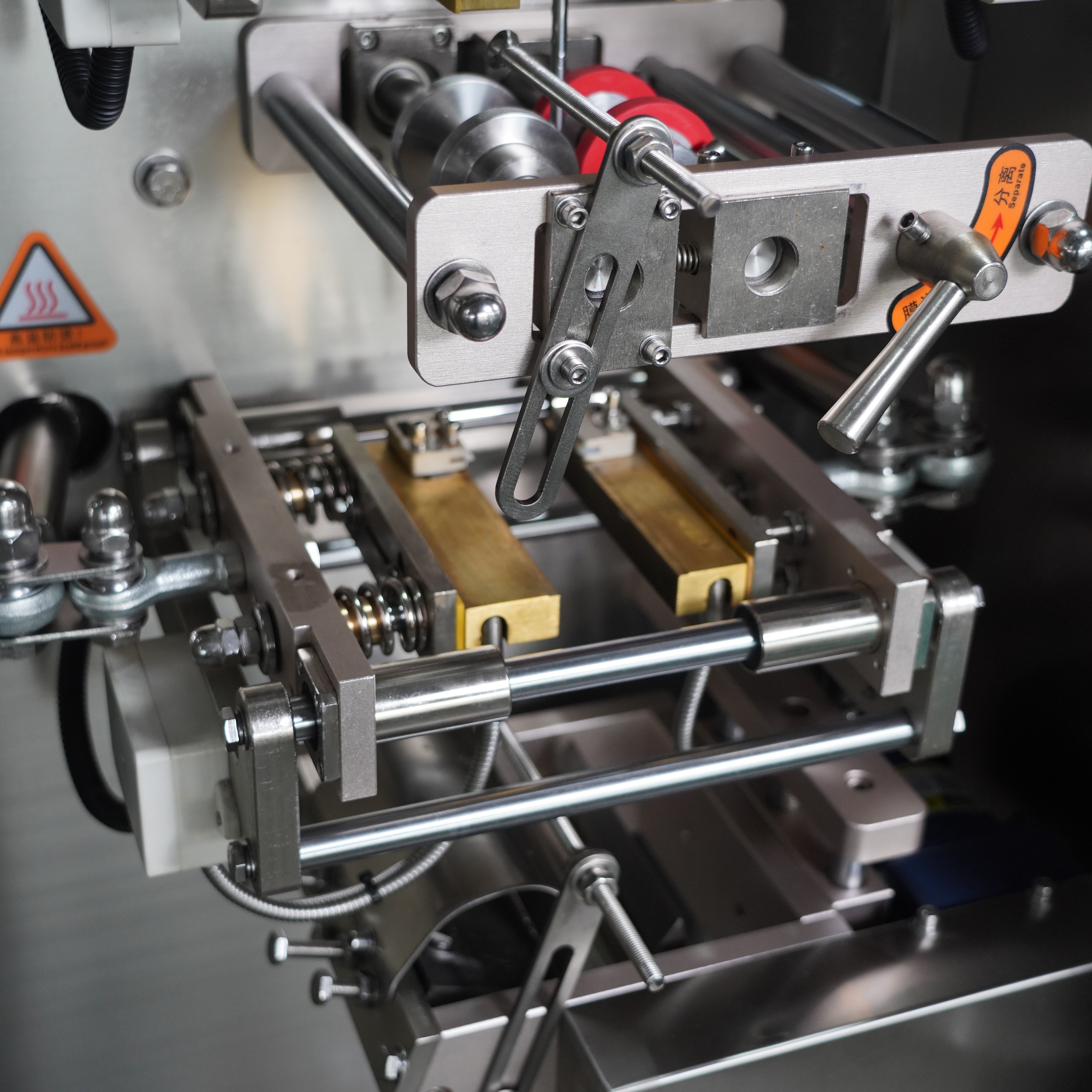
Industry leaders recognize that film waste reduction on a vertical packaging machine directly impacts bottom-line performance and brand reputation. When your vertical packaging machine runs at optimal efficiency, you conserve resources, reduce material costs, and demonstrate environmental responsibility to customers and stakeholders. The opportunity to eliminate waste exists across multiple operational domains, from initial machine setup through daily production runs and regular maintenance cycles. Understanding these domains and implementing targeted interventions can reduce waste by fifteen to thirty percent depending on current operational practices. This comprehensive guide explores practical, actionable strategies for reducing film waste on a vertical packaging machine through proven techniques that packaging professionals use today.
Incorrect film tension remains one of the leading causes of waste on a vertical packaging machine. When tension settings deviate from manufacturer specifications, the film either wrinkles, tears, or fails to seal properly, forcing operators to discard entire batches. Your vertical packaging machine requires careful calibration of both unwinding and sealing tension to maintain consistent material flow. High tension causes film breakage and emergency stops that interrupt production, while insufficient tension produces wrinkles that compromise seal integrity. Operators should consult the machine manual, establish baseline tension parameters, and document these settings for consistency. Regular tension verification using calibrated instruments ensures your vertical packaging machine maintains optimal performance throughout production runs and prevents costly material loss that accumulates over weeks and months.
Misaligned film guides cause the material to track laterally during processing, creating edge waste and seal failures that necessitate frequent machine stops. When a vertical packaging machine has guides positioned improperly, even millimeter-level misalignment translates into visible film damage and substantial waste rates. The film must travel in a perfectly straight path through the entire machine pathway from the roll to the sealing station. Your vertical packaging machine should have guides checked and adjusted during initial setup and after every major maintenance event. Proper guide alignment ensures the film enters the forming tube concentrically, exits sealing stations without distortion, and maintains dimensional consistency throughout the production cycle. Facilities that prioritize guide alignment on their vertical packaging machine report dramatic reductions in startup waste and improved overall material utilization rates.
Accumulated film residue on seal bars and heat plates causes incomplete seals and package failures that force material rejection and scrap accumulation. Over time, a vertical packaging machine accumulates polymer deposits, dust, and film fragments that interfere with precise heat transfer and seal pressure application. Without proper cleaning protocols, these deposits insulate the seal bars, reducing effective temperature and compromising seal quality even when machine parameters appear correct. Operators should establish daily cleaning schedules using approved solvents and soft brushes to maintain pristine seal bar surfaces on their vertical packaging machine. Regular maintenance prevents seal failures that would otherwise necessitate discarding multiple packages. Your vertical packaging machine performs best when seal components remain clean, and this simple preventive measure directly reduces film waste by maintaining consistent seal integrity throughout production runs.
The startup phase represents the highest waste period when operating a vertical packaging machine, as the equipment must achieve proper tension, temperature stabilization, and synchronization before producing acceptable packages. Operators who rush this phase generate excessive scrap that erodes profitability from every production run. Your vertical packaging machine should ramp speed gradually, allowing film tension to stabilize and seal temperatures to reach optimal levels before full-speed production begins. This controlled startup approach on a vertical packaging machine typically requires only five to ten minutes but prevents tens or hundreds of rejected packages. Experienced operators understand that patient startup procedures on their vertical packaging machine directly correlate with lower overall waste rates and higher profit margins. Many facilities establish formal startup checklists and timing protocols specific to their vertical packaging machine model and application requirements.
Continuous monitoring during production allows operators to detect early warning signs of drift that precede actual failures on a vertical packaging machine. When operators observe subtle changes in film tension, seal appearance, or package formation, immediate adjustment prevents the cascading defects that create significant material waste. Your vertical packaging machine typically provides visual and tactile feedback signals that trained operators learn to recognize and interpret correctly. Advanced vertical packaging machine models include integrated monitoring systems that alert operators to parameter drift before waste occurs. Regular operator training ensures your vertical packaging machine receives prompt attention when early indicators suggest preventive adjustment, avoiding the false economy of running machines to failure. Proactive operational discipline directly reduces film waste by maintaining optimal conditions throughout production cycles.
The film material itself significantly influences waste rates on a vertical packaging machine, as lower-quality film exhibits greater susceptibility to tearing, poor seal formation, and dimensional inconsistency. Your vertical packaging machine performs optimally with film that meets precise specifications for thickness, tensile strength, and thermal properties. Procuring film from reliable suppliers who maintain consistent quality standards prevents the frustration of unexplained failures that accompany poor-quality material. When operating your vertical packaging machine with substandard film, apparent machine problems often reflect material inadequacy rather than equipment malfunction, wasting time and resources on unnecessary troubleshooting. Facilities should establish supplier quality agreements and perform incoming material testing to verify film characteristics before loading on the vertical packaging machine. This material discipline prevents waste caused by incompatible or defective film that would otherwise create production problems throughout an entire run.
Film stored in improper conditions develops brittleness, moisture absorption, and static buildup that cause feeding problems and material failure when loaded on a vertical packaging machine. Environmental controls including temperature, humidity, and electrostatic management directly influence how well your vertical packaging machine processes the material. Film rolls should be stored in climate-controlled environments, typically between sixty and seventy-five degrees Fahrenheit with humidity between forty and fifty percent. Static dissipation measures prevent film clinging and folding problems that disrupt your vertical packaging machine operation and create waste during feeding stages. Proper storage and handling ensure the material arrives at your vertical packaging machine in optimal condition, maximizing the effectiveness of all calibration and operational techniques discussed throughout this guide.
Incorrect tension settings and seal temperature misalignment cause the majority of film waste on a vertical packaging machine. Other significant contributors include improper film guide alignment, inadequate cleaning of seal bars, and startup procedures that bypass necessary stabilization phases. Addressing these primary waste sources typically yields the most dramatic efficiency improvements when operating a vertical packaging machine.
Daily cleaning of seal bars and guides, weekly inspection of dies and forming tubes, and monthly comprehensive maintenance checks represent standard protocols for reducing waste on a vertical packaging machine. The specific frequency depends on production volume, material types, and machine age, so consulting your equipment manual ensures your vertical packaging machine receives appropriate maintenance intensity for your operational context.
Yes, operator training directly impacts waste rates on a vertical packaging machine, as skilled operators recognize early warning signs, execute proper startup procedures, and respond appropriately to parameter changes that less-experienced personnel might miss. Investing in comprehensive operator training represents one of the highest-return interventions for reducing film waste on a vertical packaging machine and improving overall operational excellence.

2026/09/20
Premade Pouch Machines: Reduce Film Waste, Cut TCO & Achieve Faster ROI

2026/09/20
Cut Premade Pouch Machine Changeover Time by 40% with Proven Best Practices

2026/09/20
Premade Pouch Machines: Boost Throughput, Cut Waste & Improve ROI

2026/09/20
Rotary vs Inline Premade Pouch Machines: Speed, ROI & Scalability Compared

2026/09/20
Premade Pouch Machine: Boost Throughput, Cut Labor Costs & Improve Seal Integrity

2026/09/21
Premade Pouch Machine: Pouch Types, Materials & Filling Guide

