 EN
How to Reduce Film Waste with a Premade Pouch Packaging Machine?
2026/09/20
Premade Pouch Machines: Reduce Film Waste, Cut TCO & Achieve Faster ROI

2026/10/07
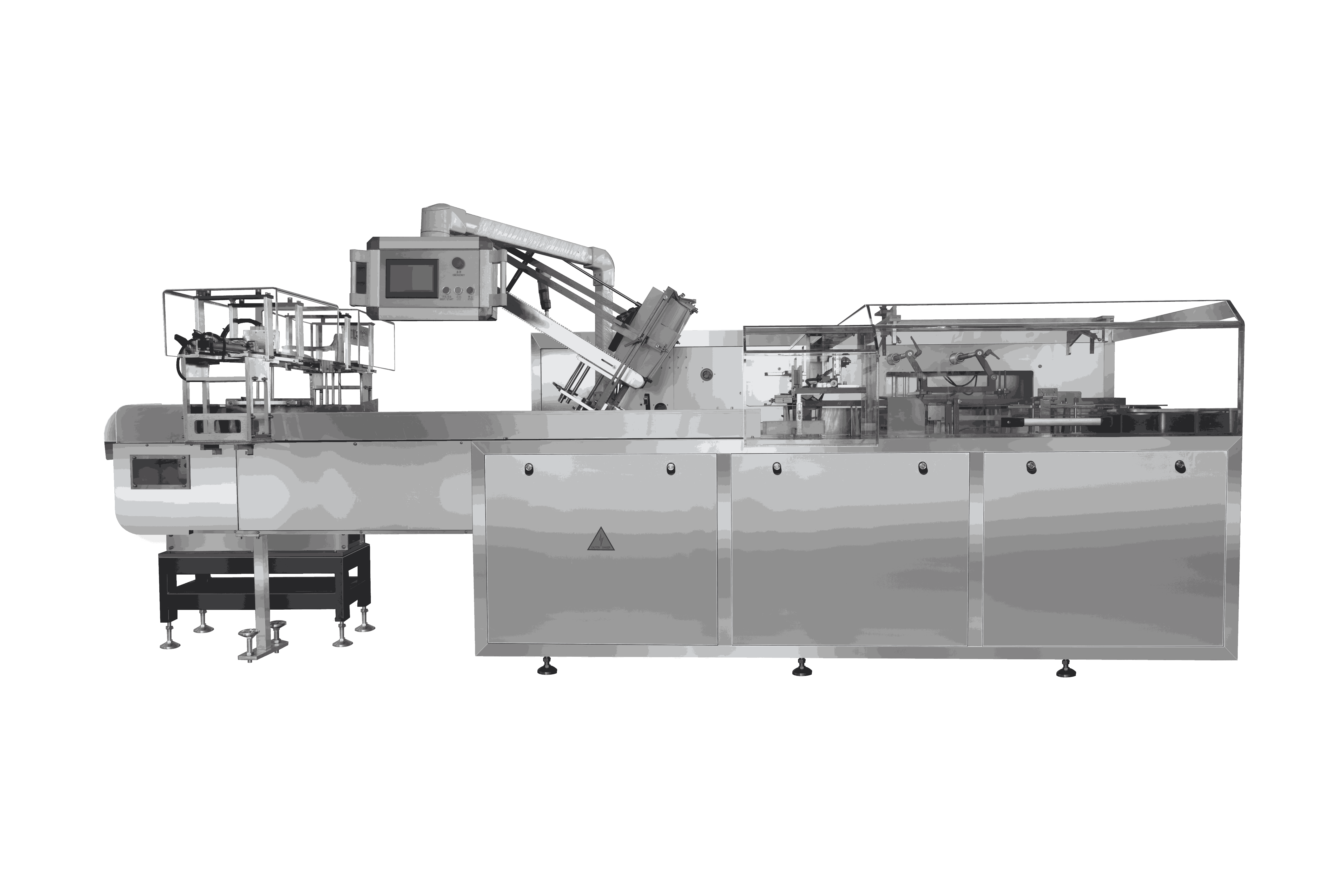
Labor costs represent one of the largest operational expenses in manufacturing and packaging facilities. Many production managers struggle to balance workforce demands with budget constraints, especially as labor rates continue to climb across industries. A packing machine offers a strategic solution to this persistent challenge by automating repetitive packaging tasks and fundamentally transforming your labor cost structure.
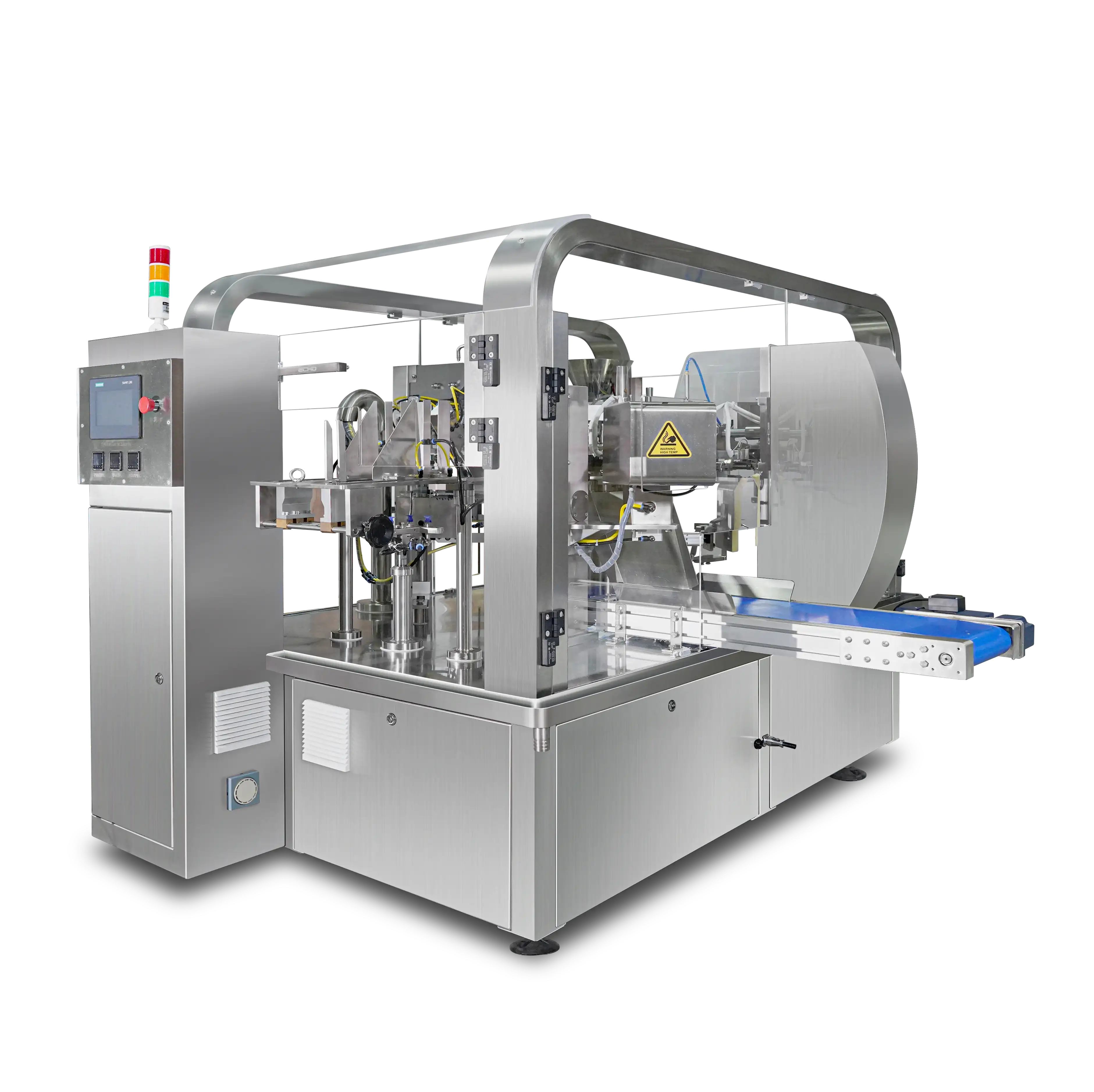
Investing in a packing machine is not merely about purchasing equipment. It is about reimagining your operational efficiency, reducing dependency on manual labor, and creating a scalable production environment. The modern packing machine delivers measurable returns through reduced headcount needs, fewer errors, and faster throughput rates that manual packing simply cannot match.
A packing machine operates continuously without fatigue, replacing multiple manual operators on your production line. Where one worker might pack 50 units per hour, an automated packing machine can process 200 to 500 units per hour depending on product type and configuration. This dramatic productivity difference means your facility requires fewer full-time packing staff to maintain the same or greater output volumes. Over a year, reducing a single packing operator from your roster saves $35,000 to $50,000 in direct wages and benefits, making the packing machine investment financially compelling for most operations.
Human packers introduce variability into the process. Package sealing pressure, fill weight, and placement consistency vary from worker to worker and throughout a shift as fatigue sets in. A packing machine maintains identical parameters for every single package. This consistency reduces waste from rejects, customer returns, and compliance issues. When your packing machine delivers perfect seal integrity and exact weight distribution on every item, you eliminate the hidden labor cost of rework and customer service interventions triggered by poor packing quality.
The financial case for a packing machine extends beyond simple headcount savings. A comprehensive packing machine ROI analysis includes reduced material waste from improved pack integrity, fewer operator sick days and turnover costs, elimination of overtime premiums during peak seasons, and decreased quality control labor. Many facilities discover that introducing a packing machine allows them to eliminate the second shift or reduce weekend operations entirely. These secondary savings often exceed the direct labor reduction benefit and accelerate payback timelines significantly.
Most modern packing machine installations reach break-even within 18 to 36 months, depending on current labor rates and production volume. A packing machine running two shifts per day can pay for itself substantially faster than equipment operating single-shift. Equally important, as your business grows, the packing machine scales with you. Your labor costs scale linearly with each new unit produced when relying on manual packing. With a packing machine, your fixed equipment cost remains constant while throughput increases, creating powerful leverage on profitability as production volume rises over time.
Introducing a packing machine does not necessarily mean eliminating employees immediately. Forward-thinking facilities use the packing machine introduction as an opportunity to redeploy labor toward higher-value tasks such as quality inspection, equipment maintenance, and process optimization. A packing machine still requires setup, monitoring, and preventive maintenance. Your displaced packing staff can transition into these technical roles, improving employee retention and workplace morale while still achieving significant labor cost reduction. This approach transforms your workforce from task-focused to skill-focused, creating a more engaged and stable team.
Modern packing machine designs optimize space utilization, allowing integration into existing production layouts without requiring extensive facility renovation. A packing machine footprint is typically 12 to 20 feet in length, far smaller than the floor space occupied by three or four manual packing stations. This space reclamation creates room for additional production capacity or warehouse storage, further enhancing your facility's economic efficiency. The compact packing machine design also enables easier relocation or equipment upgrades as your business needs evolve.
A packing machine typically reduces labor costs by $50,000 to $150,000 annually by replacing one to three full-time packing operators while eliminating overtime and rework labor. The exact savings depend on your current wages, production volume, and the specific packing machine throughput rate.
A packing machine performs exceptionally well with premade pouches, boxes, jars, and containers. It handles dry goods, liquids, powders, and granulated materials effectively. Discuss your specific product characteristics with equipment vendors to ensure your packing machine selection matches your packaging requirements.
Annual packing machine maintenance typically runs 5 to 10 percent of the equipment purchase price. Preventive servicing, replacement parts for wear components, and occasional calibration adjustments are the primary maintenance expenses that keep your packing machine operating at peak efficiency and reliability.

2026/09/20
Premade Pouch Machines: Reduce Film Waste, Cut TCO & Achieve Faster ROI

2026/09/20
Cut Premade Pouch Machine Changeover Time by 40% with Proven Best Practices

2026/09/20
Premade Pouch Machines: Boost Throughput, Cut Waste & Improve ROI

2026/09/20
Rotary vs Inline Premade Pouch Machines: Speed, ROI & Scalability Compared

2026/09/20
Premade Pouch Machine: Boost Throughput, Cut Labor Costs & Improve Seal Integrity

2026/09/21
Premade Pouch Machine: Pouch Types, Materials & Filling Guide

