 EN
How to Reduce Film Waste with a Premade Pouch Packaging Machine?
2026/09/20
Premade Pouch Machines: Reduce Film Waste, Cut TCO & Achieve Faster ROI

2026/10/06
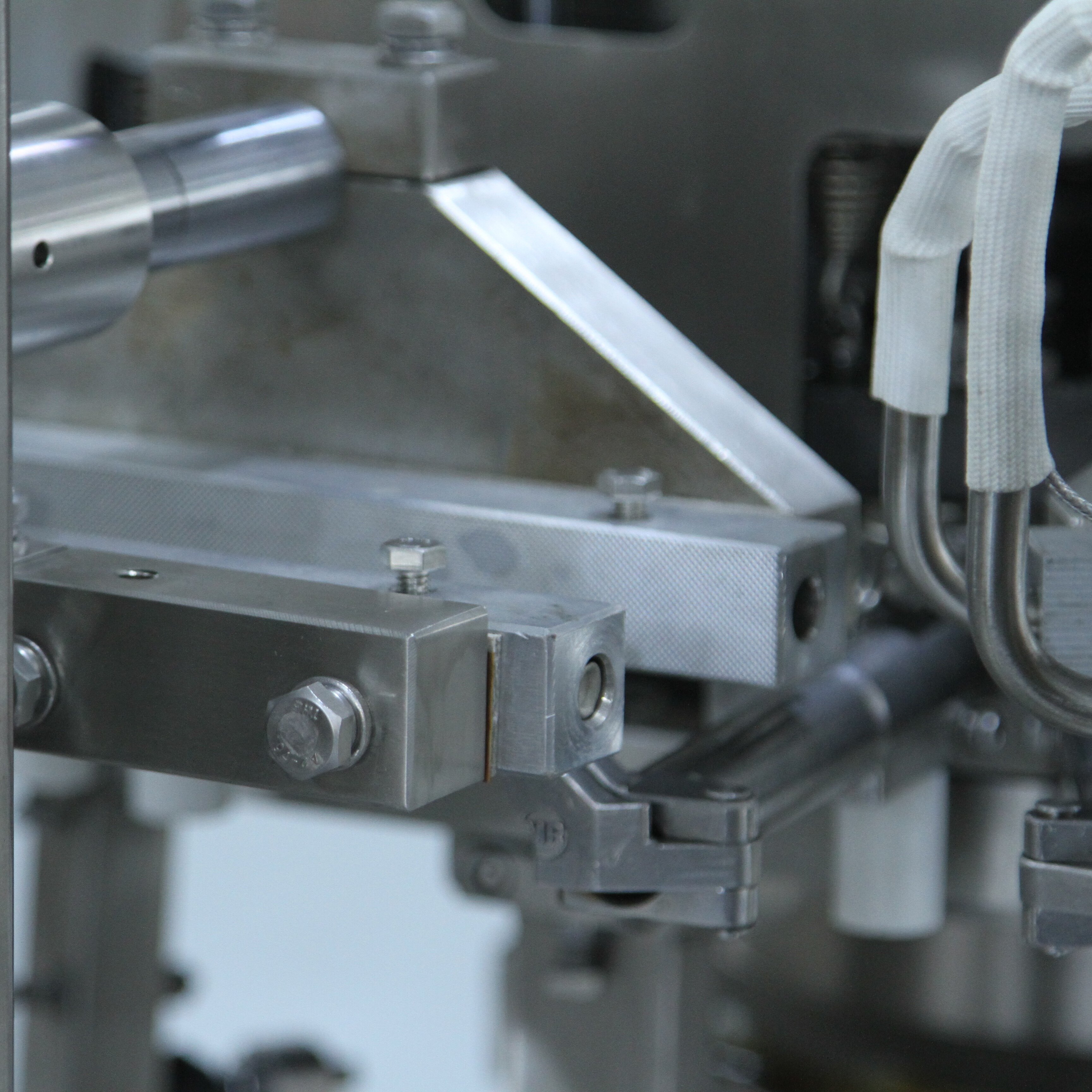
Labor costs represent one of the largest operational expenses in food processing and industrial packaging facilities. A rotary vacuum packing machine directly addresses this challenge by automating the most time-intensive packaging steps, enabling teams to handle significantly higher volumes with fewer staff members. The efficiency gains from a rotary vacuum packing machine translate into measurable cost savings that accumulate month after month, making this technology a strategic investment for businesses seeking competitive advantage.
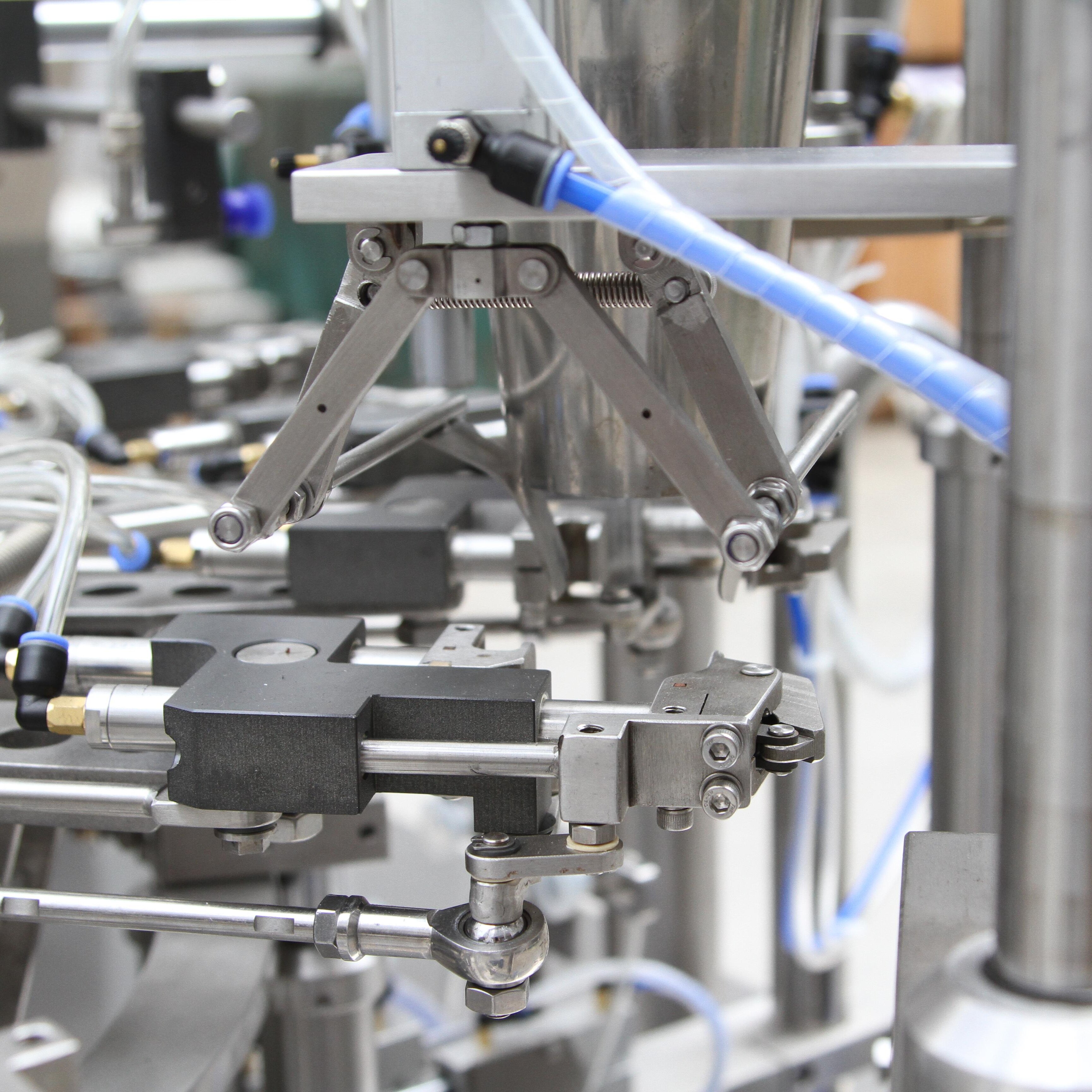
Modern facilities face constant pressure to reduce operational overhead without compromising product quality or throughput. A rotary vacuum packing machine delivers both cost reduction and quality consistency, eliminating manual vacuum-sealing tasks that are labor-intensive, repetitive, and prone to human error. By switching to automated packaging with a rotary vacuum packing machine, companies can redeploy personnel to higher-value tasks while maintaining or exceeding packaging speed and seal integrity standards.
The core strength of a rotary vacuum packing machine lies in its ability to handle high-volume, repetitive packaging without fatigue or quality degradation. Manual vacuum sealing requires consistent operator attention, precise timing, and physical movement that becomes exhausting during long production runs. A rotary vacuum packing machine performs these exact steps automatically, maintaining identical seal quality across every single package while operating continuously throughout the shift. This eliminates the need for multiple operators working in shifts dedicated solely to sealing and packaging duties.
A single operator can oversee a rotary vacuum packing machine managing dozens of packages per minute, whereas manual sealing typically handles only a handful per hour. This dramatic throughput advantage means fewer staff members are required to meet production targets. When a rotary vacuum packing machine operates at capacity, the per-unit labor cost drops substantially, directly improving margins. For facilities processing hundreds of packages daily, this throughput multiplier compounds into significant annual savings.
A rotary vacuum packing machine enables facilities to handle the same production volume with fewer dedicated packaging personnel. If a facility previously required four operators working in rotation to seal products manually, a rotary vacuum packing machine might accomplish the same output with one or two operators managing machine operation, loading, and unloading. The salary, benefits, training, and supervision costs associated with eliminating two or three positions represent substantial annual expense reduction. This redeployment of labor to other production areas also enhances overall facility flexibility.
Facilities that previously required overtime shifts or premium-pay weekend operations to meet packaging deadlines can often eliminate these additional labor expenses after installing a rotary vacuum packing machine. Faster packaging completion during standard hours reduces pressure to extend into overtime. A rotary vacuum packing machine's consistent speed and reliability mean production schedules become more predictable, reducing the need for emergency staffing adjustments. This stability directly lowers overall labor budgets and improves workforce scheduling efficiency.
Manual vacuum sealing introduces variability in seal quality, leading to occasional product spoilage, customer returns, and replacement shipments. A rotary vacuum packing machine maintains precise vacuum levels and sealing temperatures every single cycle, significantly reducing defective packages. Lower waste rates translate to higher yield per raw material purchased and fewer replacement products that require repacking labor. This quality consistency means customer satisfaction improves alongside cost metrics.
Facilities using a rotary vacuum packing machine require less intensive training for packaging staff since the machine handles most technical decisions automatically. Operator roles shift from hands-on sealing to machine monitoring and material handling, reducing the expertise and supervision time needed per employee. A rotary vacuum packing machine operates according to programmed parameters, eliminating human judgment variability and the need for constant performance correction. Supervisors spend less time monitoring seal quality or retraining inconsistent operators, freeing management time for strategic initiatives.
While a rotary vacuum packing machine requires upfront capital investment, the labor cost savings typically recoup this expense within twelve to thirty-six months depending on facility size and current labor intensity. A facility eliminating two full-time positions saves approximately sixty to ninety thousand dollars annually in salary and benefits alone. After accounting for additional operational efficiencies, the return on investment from a rotary vacuum packing machine becomes clearly positive within the first two to three years of operation.
Beyond the payback period, a rotary vacuum packing machine continues delivering labor savings year after year with minimal maintenance costs. The machine's durability means facilities benefit from labor cost reduction for five to ten years or more with proper care. This extended operational life transforms a rotary vacuum packing machine into a permanent cost advantage that compounds over time. When amortized across a decade of operation, the per-unit labor savings become dramatically favorable compared to continued manual processes.
Most operators can learn basic operation of a rotary vacuum packing machine within one or two shifts. The machine is designed for simplicity, with intuitive controls and automated sequences that require minimal technical expertise. Operators primarily load materials, monitor the machine, and unload finished packages. Comprehensive training on maintenance and advanced settings might take longer, but standard production operation becomes routine very quickly, reducing training costs compared to skilled manual sealing techniques.
Most modern rotary vacuum packing machine models feature adjustable settings for different package dimensions and material thicknesses. Quick-change components and programmable parameters allow a single rotary vacuum packing machine to adapt to various product sizes without major reconfiguration. This versatility means one machine can serve multiple product lines, further reducing the need for dedicated equipment and personnel. Setup time between product changes typically ranges from minutes to under an hour depending on size variation.
A rotary vacuum packing machine requires regular cleaning, seal element inspection, and occasional component replacement to maintain peak performance. Most maintenance tasks can be performed by facility staff following manufacturer guidelines, minimizing dependency on external technicians. Preventive maintenance schedules are straightforward and cost-effective compared to the expense of potential production downtime. Well-maintained machines operate reliably for years, ensuring consistent labor savings without unexpected interruptions.

2026/09/20
Premade Pouch Machines: Reduce Film Waste, Cut TCO & Achieve Faster ROI

2026/09/20
Cut Premade Pouch Machine Changeover Time by 40% with Proven Best Practices

2026/09/20
Premade Pouch Machines: Boost Throughput, Cut Waste & Improve ROI

2026/09/20
Rotary vs Inline Premade Pouch Machines: Speed, ROI & Scalability Compared

2026/09/20
Premade Pouch Machine: Boost Throughput, Cut Labor Costs & Improve Seal Integrity

2026/09/21
Premade Pouch Machine: Pouch Types, Materials & Filling Guide

