 EN
How to Reduce Film Waste with a Premade Pouch Packaging Machine?
2026/09/20
Premade Pouch Machines: Reduce Film Waste, Cut TCO & Achieve Faster ROI

2026/10/09
Tape consumption represents a significant operational expense for facilities that rely on carton box packing machines. Every roll of tape adds to material costs, waste management complexity, and environmental impact. Understanding how to reduce tape usage on your carton box packing machine without sacrificing package integrity is essential for modern packaging operations. This guide explores practical strategies that help businesses optimize tape application, improve efficiency, and maintain consistent sealing quality across every box that moves through your production line.
Modern carton box packing machine systems are engineered to balance speed with material efficiency. However, many operators still apply tape inefficiently due to outdated settings, worn components, or lack of understanding about how modern carton box packing machine technology minimizes adhesive waste. By adjusting application parameters and implementing preventive maintenance routines, facilities can reduce tape consumption by 15 to 30 percent while maintaining or even improving box closure reliability and appearance standards.
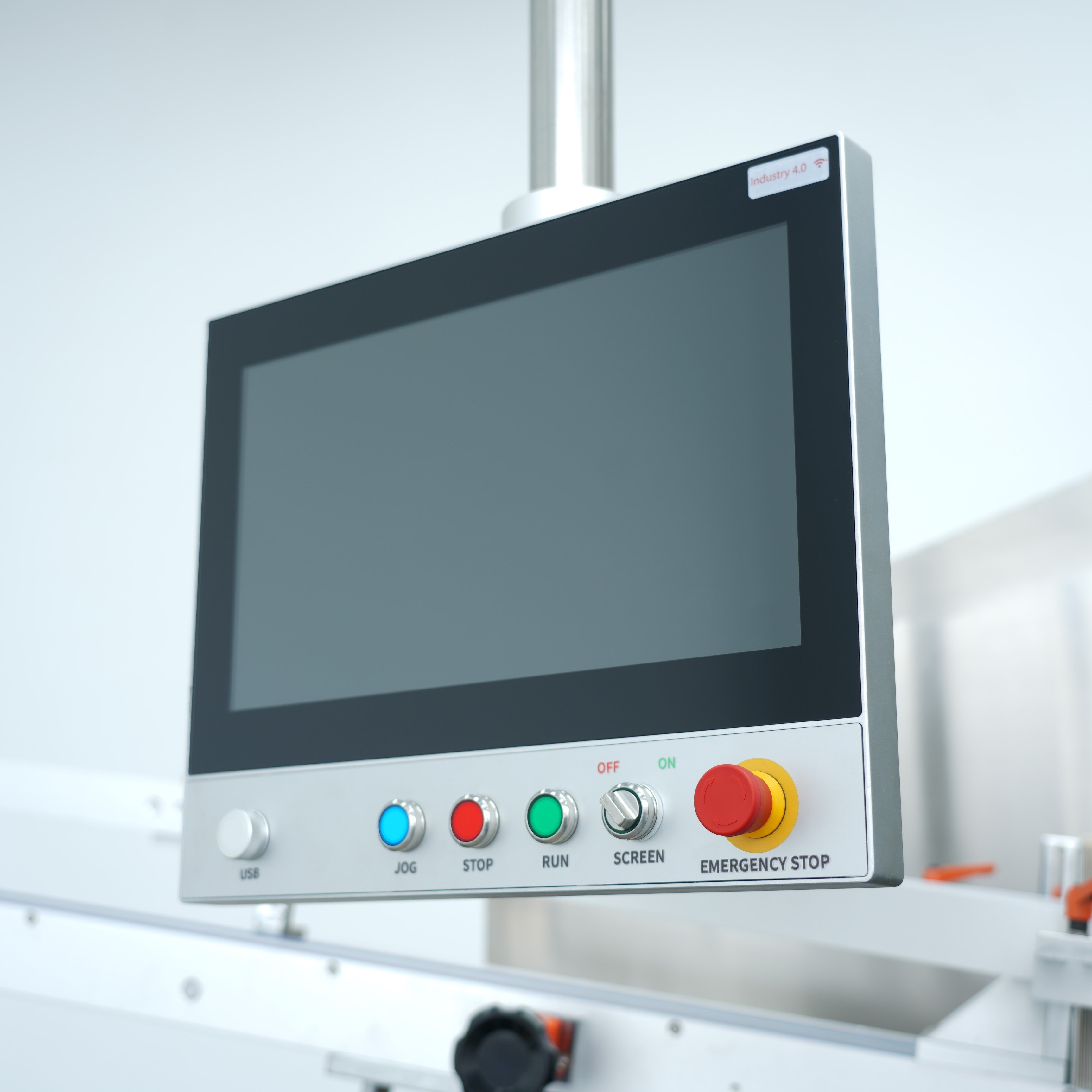
The carton box packing machine control panel provides precise adjustment options for tape width and application tension. Many facilities operate with excessive tape width, using more adhesive than necessary to seal boxes securely. By reducing tape width to the minimum that still provides adequate overlap and structural support, your carton box packing machine can cut tape consumption significantly. Similarly, tension settings should be calibrated so the carton box packing machine applies just enough force to create solid adhesion without excessive compression that wastes material and stresses the tape mechanism.
Start by consulting your carton box packing machine manufacturer's specifications for your box dimensions and material type. Then conduct test runs at progressively narrower widths while inspecting sealed boxes for any signs of separation or weakness. The carton box packing machine will reach an optimal point where tape width covers the seam adequately but eliminates excess material. This systematic approach typically identifies 10 to 20 percent tape savings without performance compromise.
Application speed affects how much tape your carton box packing machine dispenses per unit of time. If your carton box packing machine runs at maximum speed but applies tape too generously, you're wasting adhesive. Modern carton box packing machine units allow operators to program application pressure independently from conveyor speed. Reduce pressure gradually while running test boxes, monitoring for incomplete sealing or edge gaps. The carton box packing machine should operate at the lowest pressure that still achieves consistent, full-coverage adhesion across the entire seam.
Many operators discover that their carton box packing machine operates more efficiently when application pressure is set 10 to 15 percent below maximum. This lighter pressure still bonds tape securely because it's focused and directional, whereas maximum pressure often causes tape to wrinkle or bunch, wasting material. Record these optimal settings in your carton box packing machine's memory so they become the standard for all shift teams.
The tape dispensing head is the critical component that controls how much adhesive your carton box packing machine applies to each box. Worn rollers, misaligned guides, or dried adhesive buildup on the tape head cause the carton box packing machine to apply tape unevenly, requiring wider or more frequent passes to compensate. Inspect your carton box packing machine's tape head weekly for signs of wear, debris, or incomplete contact with boxes. Clean the carton box packing machine's dispenser rollers and guides with appropriate solvents to remove dried adhesive that accumulates over time.
Replace the carton box packing machine's tape head springs, rollers, and sealing blades according to the maintenance schedule recommended by your equipment supplier. A carton box packing machine with degraded tape head components may waste 30 to 40 percent more tape than one operating with fresh parts. Preventive maintenance directly translates to reduced tape consumption, lower material costs, and fewer package rejection issues that disrupt your production schedule.
Dust, cardboard fragments, and adhesive residue accumulate inside your carton box packing machine's tape path and around the rollers. This buildup causes misalignment, prevents smooth tape feeding, and forces the carton box packing machine to apply extra tape to compensate for poor seal quality. Establish a daily cleaning routine for your carton box packing machine, using compressed air and appropriate brushes to clear debris from the tape dispensing area. This simple maintenance task keeps your carton box packing machine operating at design specifications and directly reduces tape waste.
Every two weeks, perform deeper cleaning on your carton box packing machine using manufacturer-approved solvents to dissolve dried adhesive. A clean carton box packing machine moves tape smoothly, applies it evenly, and requires no compensatory adjustments. Operators of well-maintained carton box packing machine units consistently report lower tape consumption and higher customer satisfaction due to improved box appearance and seal quality.
Not all tape performs equally in a carton box packing machine environment. Premium acrylic and rubber-based adhesives bond faster and more reliably, allowing your carton box packing machine to use narrower application widths while maintaining superior holding strength. Lower-cost tape may require wider application or multiple passes to achieve reliable sealing, ultimately costing more in total material consumption. Evaluate your carton box packing machine's performance with different tape formulations by running controlled tests measuring both adhesive consumption and seal durability.
High-performance tape designed for carton box packing machine automation typically costs slightly more per unit but delivers significant savings when calculated per sealed box. A carton box packing machine using premium tape may reduce overall tape consumption by 15 to 25 percent compared to budget alternatives. Work with your tape supplier and carton box packing machine manufacturer to identify formulations optimized for your specific box materials and production environment.
Your carton box packing machine is most efficient within specific box dimension ranges. Running boxes that are too small or oversized for your carton box packing machine's configuration forces compromises in tape application, often resulting in excess adhesive usage. If your facility handles multiple box sizes, consider programming separate tape application profiles into your carton box packing machine for each size category. A carton box packing machine with customized settings for small, medium, and large boxes minimizes tape waste across your entire product line.
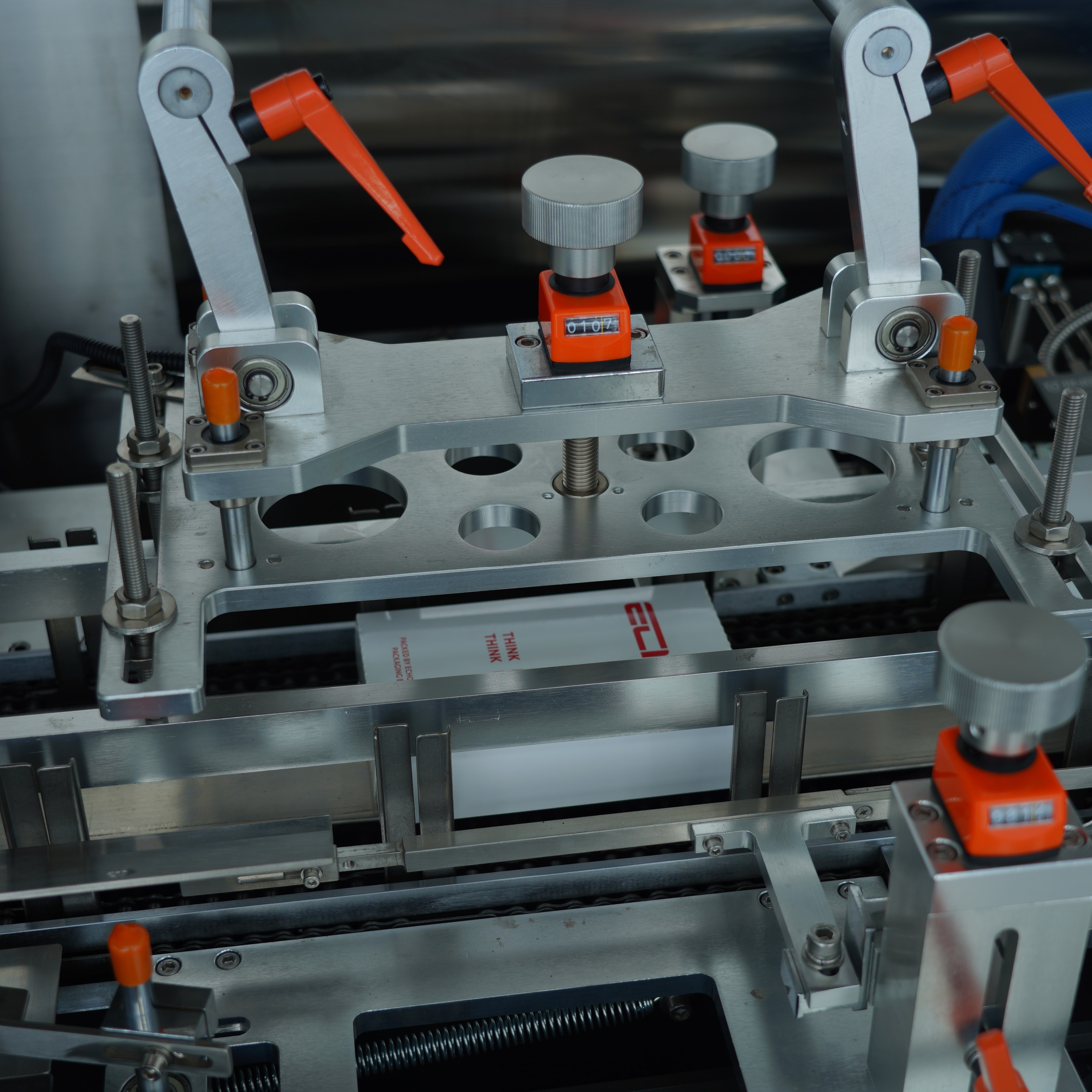
Additionally, ensure your carton box packing machine's guides and rollers are properly adjusted for the box dimensions you're processing. Misaligned boxes move through the carton box packing machine unpredictably, causing inconsistent tape application that wastes adhesive. Spending 10 minutes to reconfigure your carton box packing machine before processing a different box size pays dividends through reduced tape consumption and improved production efficiency throughout the shift.
The optimal tape consumption depends on box dimensions, material weight, and shipping requirements, but most carton box packing machine systems should use 2 to 4 inches of tape per seam for standard corrugated boxes. Your carton box packing machine's tape application should cover the seam completely with minimal overlap, typically resulting in 4 to 8 inches of total tape per box when both top and bottom seams are sealed. Boxes requiring reinforced sealing may need slightly more, but any carton box packing machine exceeding 12 inches per box likely operates inefficiently.
Strategic reduction of tape consumption does not compromise box durability if your carton box packing machine is properly calibrated and maintained. The carton box packing machine should still apply tape across the full seam width and length; you're simply eliminating excess overlaps and unnecessary pressure. Testing and validation ensure your carton box packing machine's reduced tape application still meets shipping standards and customer expectations. Many facilities discover their original settings were wastefully generous, and optimization improves reliability while cutting costs.
A comprehensive maintenance program for your carton box packing machine includes daily cleaning of the tape path, weekly inspection of the tape head, and monthly replacement or servicing of dispensing rollers and guides. Your carton box packing machine should be recalibrated every 500 to 1000 operating hours to ensure application settings remain optimal. Adhering to this schedule keeps your carton box packing machine operating at peak efficiency, maintaining the tape reduction benefits you've achieved through optimization and preventing performance degradation that would force increased adhesive usage.

2026/09/20
Premade Pouch Machines: Reduce Film Waste, Cut TCO & Achieve Faster ROI

2026/09/20
Cut Premade Pouch Machine Changeover Time by 40% with Proven Best Practices

2026/09/20
Premade Pouch Machines: Boost Throughput, Cut Waste & Improve ROI

2026/09/20
Rotary vs Inline Premade Pouch Machines: Speed, ROI & Scalability Compared

2026/09/20
Premade Pouch Machine: Boost Throughput, Cut Labor Costs & Improve Seal Integrity

2026/09/21
Premade Pouch Machine: Pouch Types, Materials & Filling Guide

