 EN
How to Reduce Film Waste with a Premade Pouch Packaging Machine?
2026/09/20
Premade Pouch Machines: Reduce Film Waste, Cut TCO & Achieve Faster ROI

2026/10/27
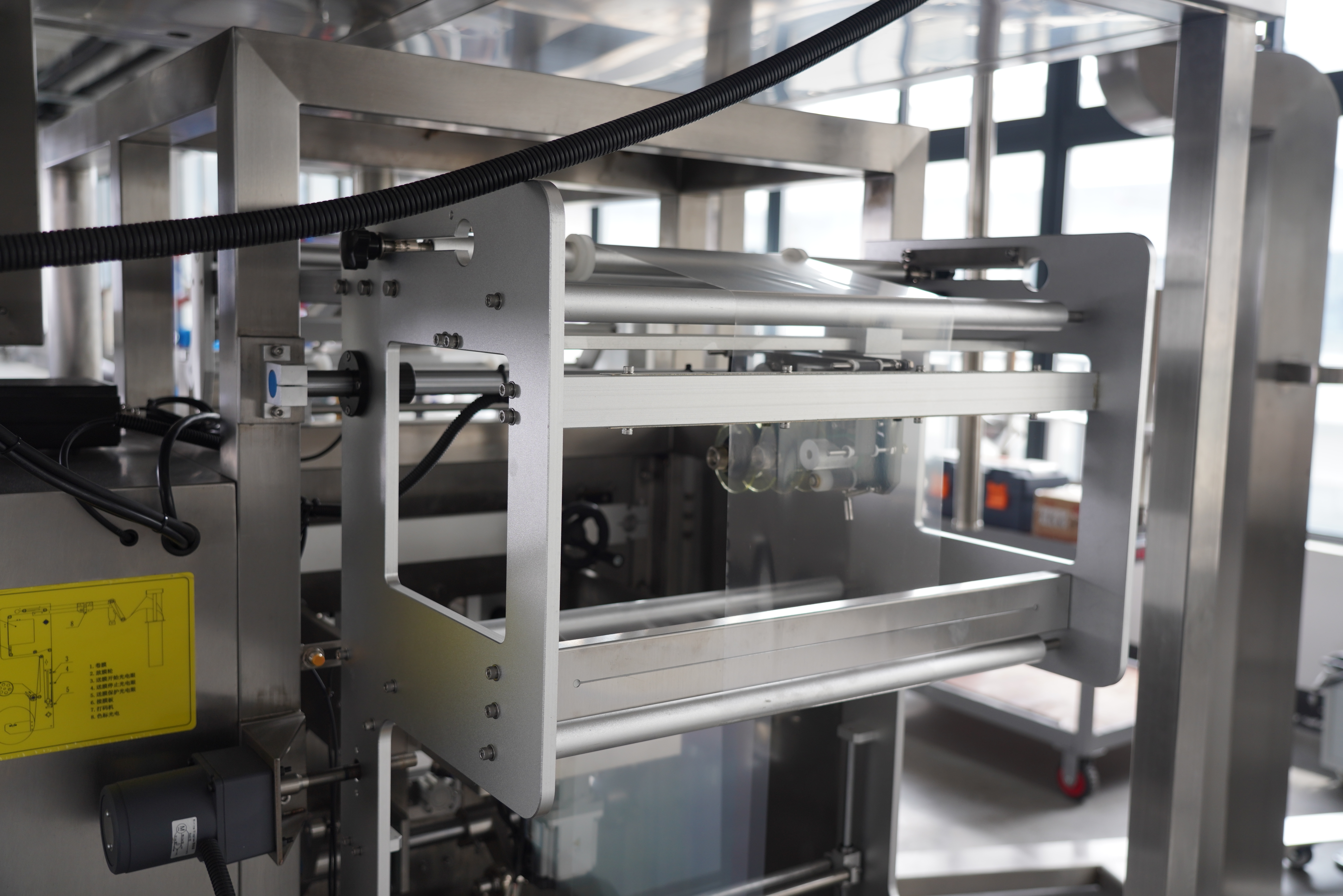
Downtime on a vertical form fill seal machine directly impacts production output, increases operational costs, and disrupts supply chain commitments. When a vertical form fill seal machine stops unexpectedly, manufacturers face cascading delays that affect customer deliveries and profitability. Understanding how to minimize unplanned stoppages is essential for packaging operations of any size. The ability to keep your vertical form fill seal machine running at peak efficiency separates competitive producers from those struggling with maintenance headaches and lost revenue.
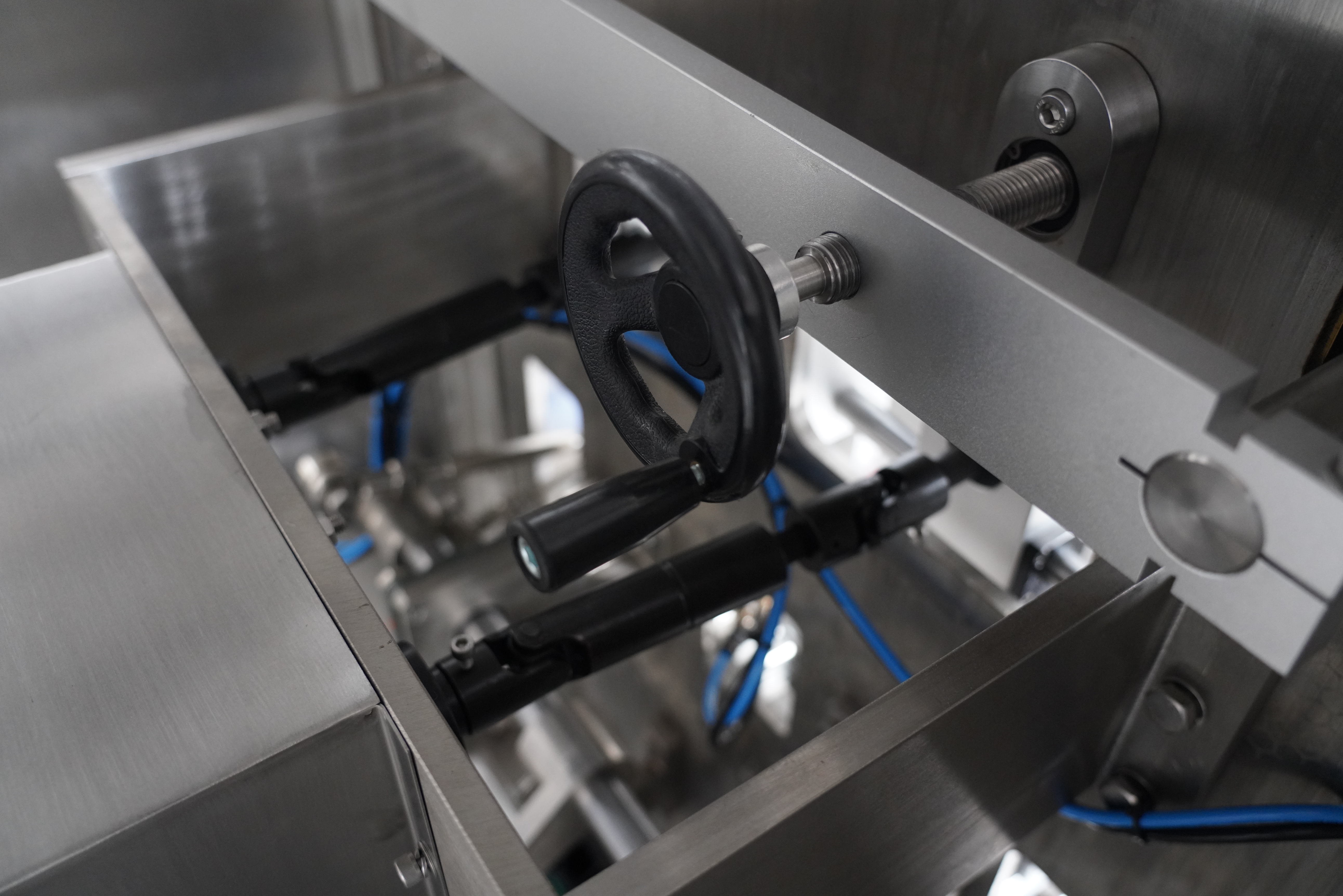
Reducing downtime on your vertical form fill seal machine requires a structured approach combining preventive maintenance, operator training, and proactive monitoring. A well-maintained vertical form fill seal machine can operate for extended periods with minimal interruption, delivering consistent product quality and maximizing throughput. This guide explores practical strategies that packaging facilities use to keep their vertical form fill seal machine performing reliably and to identify problems before they escalate into costly shutdowns.
Preventive maintenance is the foundation of downtime reduction for any vertical form fill seal machine operation. Establishing a documented maintenance calendar ensures that critical components are inspected, cleaned, and serviced before failure occurs. A vertical form fill seal machine typically requires regular attention to sealing jaws, film rollers, cutting mechanisms, and heating elements. By adhering to manufacturer-recommended service intervals, you catch wear patterns early and replace components before they compromise machine reliability. This proactive stance on your vertical form fill seal machine transforms maintenance from a reactive crisis response into a controlled, predictable expense.
Proper lubrication of moving parts is critical for extending the operational life of your vertical form fill seal machine. Inadequate lubrication creates friction, accelerates wear on guides and rollers, and increases the likelihood of sealing defects. A vertical form fill seal machine operator should verify lubricant levels weekly and apply only approved products specified in the equipment manual. Seal jaws on a vertical form fill seal machine must be cleaned regularly to remove residual film material and adhesive buildup that degrades seal integrity. When seal jaws deteriorate, the vertical form fill seal machine cannot produce consistent, quality seals, forcing shutdowns for maintenance or adjustment. Investing in high-quality maintenance supplies keeps your vertical form fill seal machine running smoothly and reduces emergency repair frequency.
Modern equipment often includes monitoring systems that track performance metrics on your vertical form fill seal machine in real time. These systems log cycle times, seal quality parameters, temperature variations, and alarm events, providing early warning signals before catastrophic failure occurs. By reviewing daily logs from your vertical form fill seal machine, operators can spot trends such as gradual temperature drift or slower cycle speeds that indicate component degradation. This data-driven approach allows you to schedule maintenance during planned downtime rather than experiencing unexpected shutdowns. A vertical form fill seal machine equipped with monitoring capabilities becomes a transparent asset whose condition status is always visible, enabling smarter maintenance decisions.
Seal quality metrics provide actionable insights into the operational health of your vertical form fill seal machine. If a vertical form fill seal machine begins producing weak seals or inconsistent bag formation, operators should investigate temperature settings, pressure calibration, and film feed alignment before the issue worsens. Inconsistencies in film feed often signal worn rollers or misaligned guides that require correction on a vertical form fill seal machine. Regular quality checks create a baseline of normal performance, making deviations on your vertical form fill seal machine immediately apparent. This vigilance prevents small adjustments from ballooning into major repairs that halt production for extended periods.
Well-trained operators are your first line of defense against avoidable downtime on your vertical form fill seal machine. Operators who understand the mechanics of a vertical form fill seal machine recognize unusual sounds, vibrations, or performance changes that signal maintenance needs. Comprehensive training on your vertical form fill seal machine covers proper startup and shutdown procedures, emergency stop protocols, and routine cleaning tasks. When operators are empowered with knowledge about how their vertical form fill seal machine functions, they catch problems early and communicate clearly with maintenance teams. Investing in operator certification programs reduces the incidence of operator-induced errors that damage a vertical form fill seal machine or create unnecessary downtime.
An informed operator using a vertical form fill seal machine can distinguish between normal operation and emerging problems that warrant attention. Training should emphasize observation skills, such as monitoring film tracking accuracy and recognizing when heat settings need adjustment on a vertical form fill seal machine. Clear communication between operators and maintenance personnel ensures that concerns about a vertical form fill seal machine are documented and addressed systematically. When operators feel confident in their ability to operate and troubleshoot basic issues on their vertical form fill seal machine, they take ownership of equipment reliability. This cultural shift toward proactive problem recognition significantly reduces unexpected stoppages and extends the productive lifespan of a vertical form fill seal machine.
Maintaining a lean but strategic inventory of critical spare parts for your vertical form fill seal machine reduces repair turnaround time when failures occur. Common wear items on a vertical form fill seal machine, such as seal jaw covers, drive belts, and heating elements, should be stocked in-house to avoid production delays waiting for replacement shipments. By planning ahead and identifying which components on a vertical form fill seal machine fail most frequently, you can negotiate volume pricing and ensure fast access to replacements. A vertical form fill seal machine that sits idle waiting for parts is a liability; having essential spares ready transforms a potential crisis into a brief maintenance event. Document which parts are essential for your vertical form fill seal machine configuration so purchasing decisions align with your operational priorities.
The quality of replacement parts installed on your vertical form fill seal machine directly affects subsequent performance and downtime risk. Using substandard or counterfeit components to save money on your vertical form fill seal machine often creates more problems, leading to premature failures and extended repairs. Original equipment manufacturer parts or certified equivalent components designed for your vertical form fill seal machine ensure proper fit, function, and reliability. Establishing a preferred supplier relationship for parts specific to your vertical form fill seal machine streamlines procurement and guarantees consistency. When your vertical form fill seal machine receives quality components during maintenance, its operational window between service intervals expands, reducing the overall frequency of downtime events.
The most frequent causes of downtime on a vertical form fill seal machine include seal jaw wear, film feed misalignment, temperature sensor failures, and inadequate lubrication. Many operators also encounter downtime caused by film jam-ups or foreign material in the cutting mechanism. A vertical form fill seal machine experiencing electrical component failures or pneumatic system leaks will also require emergency shutdown and repair. Identifying the root cause through systematic troubleshooting helps prevent repeated failures on your vertical form fill seal machine.
Maintenance frequency for your vertical form fill seal machine depends on production volume, film type, and product characteristics, but most manufacturers recommend comprehensive inspections every 500 to 1,000 operating hours. Minor cleaning and lubrication checks should occur daily or weekly, while seal jaw replacement and deep component inspection happen quarterly or semi-annually. The specific maintenance schedule for your vertical form fill seal machine should be detailed in the equipment manual and adjusted based on operational data and wear patterns. Regular preventive maintenance on a vertical form fill seal machine is significantly less expensive than emergency repairs and extended downtime.
Yes, modern monitoring systems integrated with a vertical form fill seal machine provide real-time performance data that enables predictive maintenance and early issue detection. These systems track temperature fluctuations, cycle time variations, and seal quality metrics on your vertical form fill seal machine, alerting operators to problems before they cause shutdowns. Upgrading to a vertical form fill seal machine with advanced diagnostics allows your team to schedule maintenance proactively rather than reacting to failures. The investment in monitoring technology for your vertical form fill seal machine typically pays for itself within months through reduced unplanned downtime and emergency repair costs.

2026/09/20
Premade Pouch Machines: Reduce Film Waste, Cut TCO & Achieve Faster ROI

2026/09/20
Cut Premade Pouch Machine Changeover Time by 40% with Proven Best Practices

2026/09/20
Premade Pouch Machines: Boost Throughput, Cut Waste & Improve ROI

2026/09/20
Rotary vs Inline Premade Pouch Machines: Speed, ROI & Scalability Compared

2026/09/20
Premade Pouch Machine: Boost Throughput, Cut Labor Costs & Improve Seal Integrity

2026/09/21
Premade Pouch Machine: Pouch Types, Materials & Filling Guide

