 EN
How to Reduce Film Waste with a Premade Pouch Packaging Machine?
2026/09/20
Premade Pouch Machines: Reduce Film Waste, Cut TCO & Achieve Faster ROI

2026/10/24
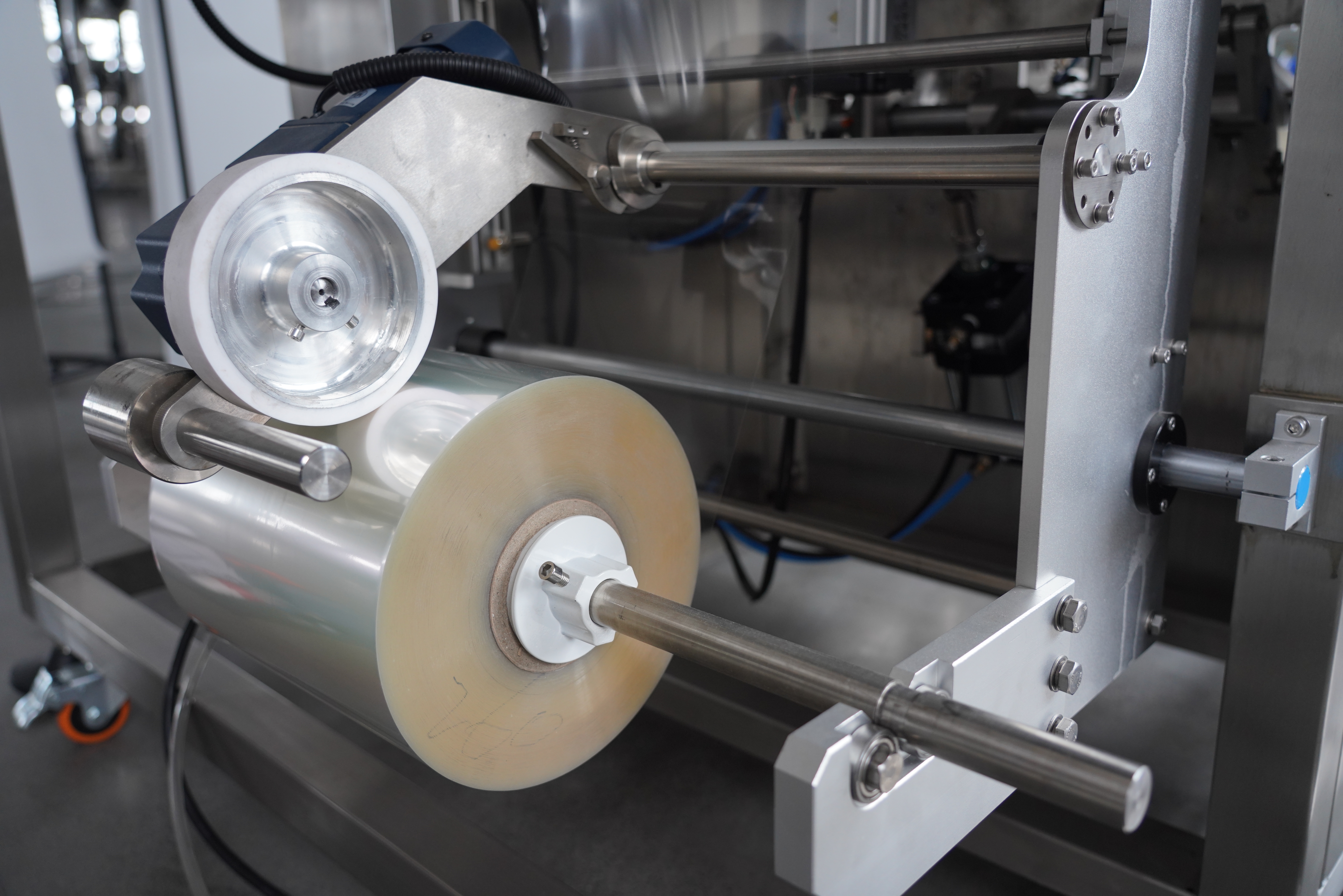
Film consumption remains one of the largest variable costs in vertical packaging operations, directly impacting profitability and sustainability goals. A vffs machine, when operating inefficiently, can waste significant material through improper sealing, film tension misalignment, and excessive trim loss. Understanding how to optimize a vffs machine for reduced film usage is essential for manufacturers seeking competitive advantage in today's cost-conscious market. This guide explores actionable strategies that help operators minimize waste while maintaining quality standards and production speed.
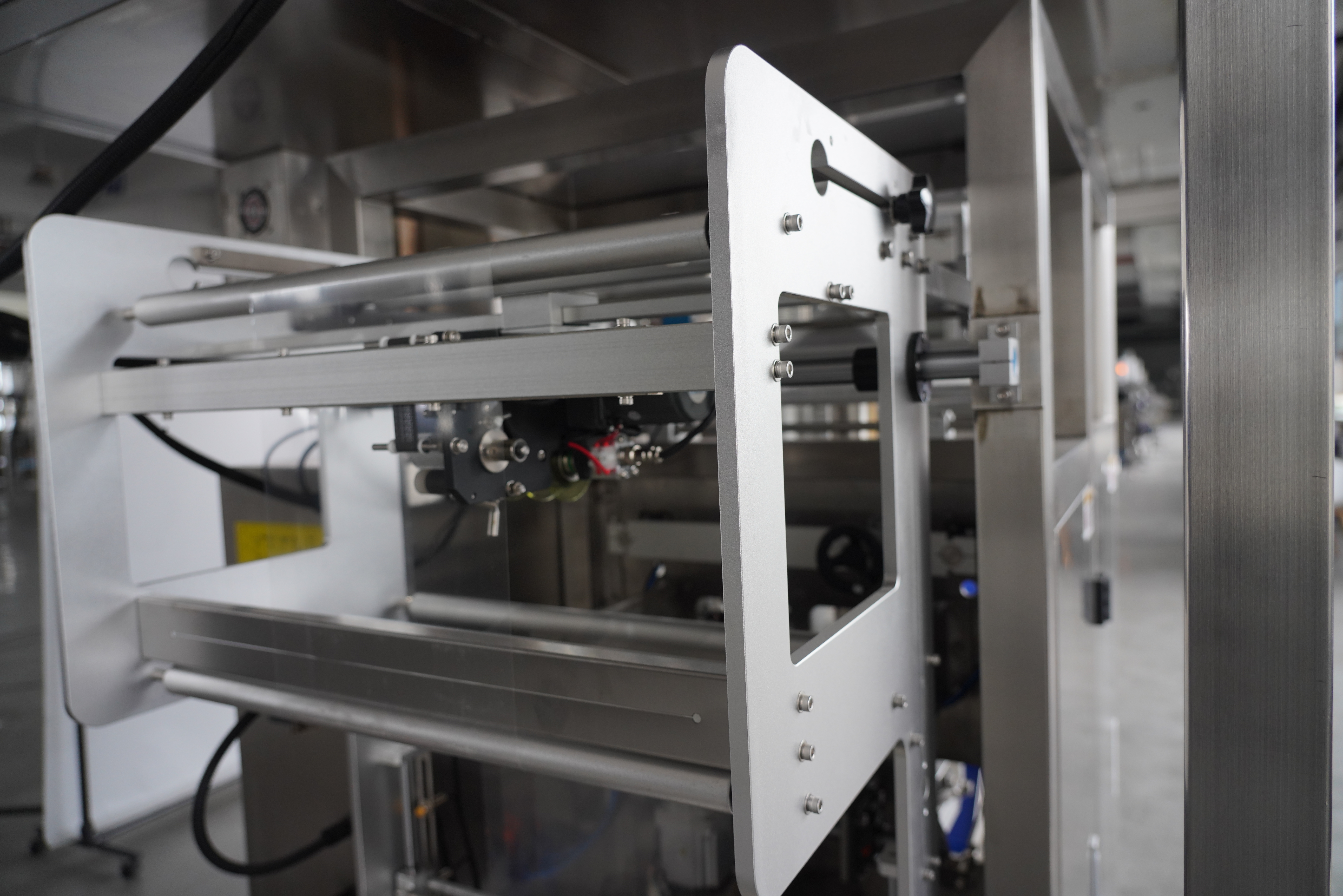
The financial and operational benefits of reducing film consumption extend far beyond material savings. By optimizing your vffs machine, you can improve profit margins, reduce storage needs for raw materials, lower disposal costs for scrap film, and enhance your company's environmental footprint. Many packaging operations achieve 8–15% reductions in film usage through targeted adjustments without compromising seal integrity or throughput. This article provides a practical roadmap for implementing these improvements systematically across your vffs machine operations.
Trim loss is one of the most controllable sources of film waste in vffs machine operations. Every vffs machine creates excess film beyond the sealed bag perimeter—this trim becomes scrap unless recovered and recycled. By carefully analyzing your product dimensions and packaging requirements, you can reduce the lateral seal width and vertical seal spacing, which directly lowers trim waste. Many operators find that reducing lateral seal width by even 3–5 millimeters translates to measurable film savings per unit across high-volume production runs.
Working with your vffs machine supplier to fine-tune seal configurations ensures that your equipment matches your specific product portfolio. Each vffs machine has adjustable parameters that control how much film is consumed per bag. Reviewing historical production data reveals patterns in which bag sizes generate the most waste. Consolidating product formats and standardizing on fewer SKUs can further reduce the number of time-consuming changeovers that interrupt film optimization on your vffs machine.
Selecting the correct film width for your vffs machine is a foundational decision that impacts waste throughout the production run. Oversizing film width creates unnecessary trim loss on both lateral edges, while undersizing risks seal failures and product leakage. A well-calibrated vffs machine paired with film that exactly matches your bag design specifications minimizes both waste and quality issues. Many facilities reduce film consumption by 5–8% simply by switching to optimized film widths that were previously selected for margin reasons rather than technical fit.
Your vffs machine operator should regularly verify that film reels are loaded at the correct width and that the footage counter accurately reflects consumption. Drifting from specified widths—even by a few millimeters—can accumulate into significant waste over months of continuous production. Coordination between procurement, production scheduling, and your vffs machine team ensures that film specifications remain aligned with equipment capabilities and product designs.
Heat seal quality directly influences film consumption because poor seals often require rework or material replacement. A vffs machine with improperly calibrated seal bars or inconsistent temperature distribution creates weak seals that operators compensate for by increasing seal width—thereby increasing film usage. Regular temperature calibration of your vffs machine's seal bars ensures that every bag receives consistent, secure seals with minimal excess heat. Over-heated seals can also cause film degradation and increased scrap rates, so precision tuning of your vffs machine's thermal system pays immediate dividends.
Many modern vffs machine models include digital temperature monitoring and automatic feedback systems that maintain optimal sealing conditions. Utilizing these features requires training operators to interpret readouts and adjust parameters when drift is detected. Your vffs machine manufacturer typically provides calibration guidelines specific to different film materials and thicknesses. Implementing a preventive maintenance schedule that includes regular temperature verification helps your vffs machine sustain lean film consumption rates over extended production cycles.
The duration that seal bars apply pressure to the film—called dwell time—is another critical parameter that affects both seal quality and film consumption on your vffs machine. Insufficient dwell time produces weak seals; excessive dwell time wastes energy and can damage film. Finding the optimal dwell time for your specific film material and bag design allows your vffs machine to create reliable seals while minimizing unnecessary compression and material stress. This adjustment often yields 3–7% reduction in film-related defects and scrap.
Seal pressure must be balanced to achieve complete fusion without crushing the film excessively. A vffs machine operating at excessive pressure increases mechanical wear, damages film integrity, and paradoxically increases seal failures because over-compressed seals become brittle. Documenting the optimal settings for each product line on your vffs machine allows rapid reconfiguration and reduces the trial-and-error waste that occurs during changeovers.
Real-time visibility into your vffs machine's film consumption metrics is essential for identifying waste trends early. Modern production tracking systems log film footage usage, seal quality indicators, and scrap rates for each production batch. By analyzing this data from your vffs machine, operators can detect when consumption begins creeping above baseline levels—often an early warning sign of mechanical drift or film quality changes. Implementing data-driven adjustments to your vffs machine before substantial waste accumulates prevents costly material loss.
Connecting your vffs machine to a centralized production management system enables cross-shift comparisons and root-cause analysis. When one operator achieves significantly lower film consumption than others using the same vffs machine, that performance gap reveals optimization opportunities. Sharing best practices and standardized procedures ensures consistent, efficient operation across all shifts and production teams on your vffs machine.
Mechanical wear on your vffs machine's seal bars, feed roller, and film tensioning components directly increases film consumption through reduced seal quality and increased defects. A structured preventive maintenance program—including regular inspection, cleaning, and component replacement—keeps your vffs machine operating at design specifications. Many operations find that investing in quarterly seal bar refurbishment on their vffs machine reduces film waste enough to pay for the maintenance cost within weeks.
Worn feed rollers cause film slippage and uneven advancement, leading to inconsistent bag sizes and increased trim loss. Misaligned film guides create wrinkles and creases that force operators to increase seal pressure—wasting film and increasing scrap. Your vffs machine manufacturer provides detailed maintenance schedules that specify inspection intervals and replacement parts. Adhering to these guidelines ensures your vffs machine remains a reliable, efficient asset that minimizes material waste throughout its operational life.
Most facilities experience 8–15% reductions in film consumption when systematically implementing optimization across trim loss, seal calibration, and maintenance practices. The specific reduction depends on baseline conditions—facilities with poor seal quality or oversized bag dimensions typically see larger gains. Sustained results require ongoing monitoring of your vffs machine and periodic recalibration as equipment ages or product specifications change. Some advanced operations have achieved 20% reductions through comprehensive optimization, though 10–12% is a realistic target for most well-managed facilities using a standard vffs machine.
Most manufacturers recommend verifying seal bar temperature on your vffs machine at the start of each production shift and whenever film material, thickness, or supplier changes. In high-volume operations, monthly detailed calibration using certified temperature measurement equipment ensures accuracy across the entire seal bar width. Environmental factors such as ambient temperature and humidity can drift your vffs machine's thermal settings over weeks, so seasonal recalibration is also advisable. Installing automatic temperature feedback systems on your vffs machine reduces the frequency of manual calibration and improves consistency between shifts.
When optimization focuses on eliminating waste rather than reducing seal width or material weight, seal quality and speed remain unchanged or improve. The strategies outlined—precision seal calibration, proper dwell time, and preventive maintenance—enhance both efficiency and reliability of your vffs machine. However, aggressive reduction in film thickness or seal width without proper engineering can compromise seal integrity. The key is optimizing your vffs machine within specifications designed for your product and film combination. Consulting with your equipment manufacturer ensures that all adjustments remain within safe operating parameters.

2026/09/20
Premade Pouch Machines: Reduce Film Waste, Cut TCO & Achieve Faster ROI

2026/09/20
Cut Premade Pouch Machine Changeover Time by 40% with Proven Best Practices

2026/09/20
Premade Pouch Machines: Boost Throughput, Cut Waste & Improve ROI

2026/09/20
Rotary vs Inline Premade Pouch Machines: Speed, ROI & Scalability Compared

2026/09/20
Premade Pouch Machine: Boost Throughput, Cut Labor Costs & Improve Seal Integrity

2026/09/21
Premade Pouch Machine: Pouch Types, Materials & Filling Guide

