 EN
How to Reduce Film Waste with a Premade Pouch Packaging Machine?
2026/09/20
Premade Pouch Machines: Reduce Film Waste, Cut TCO & Achieve Faster ROI

2026/10/05
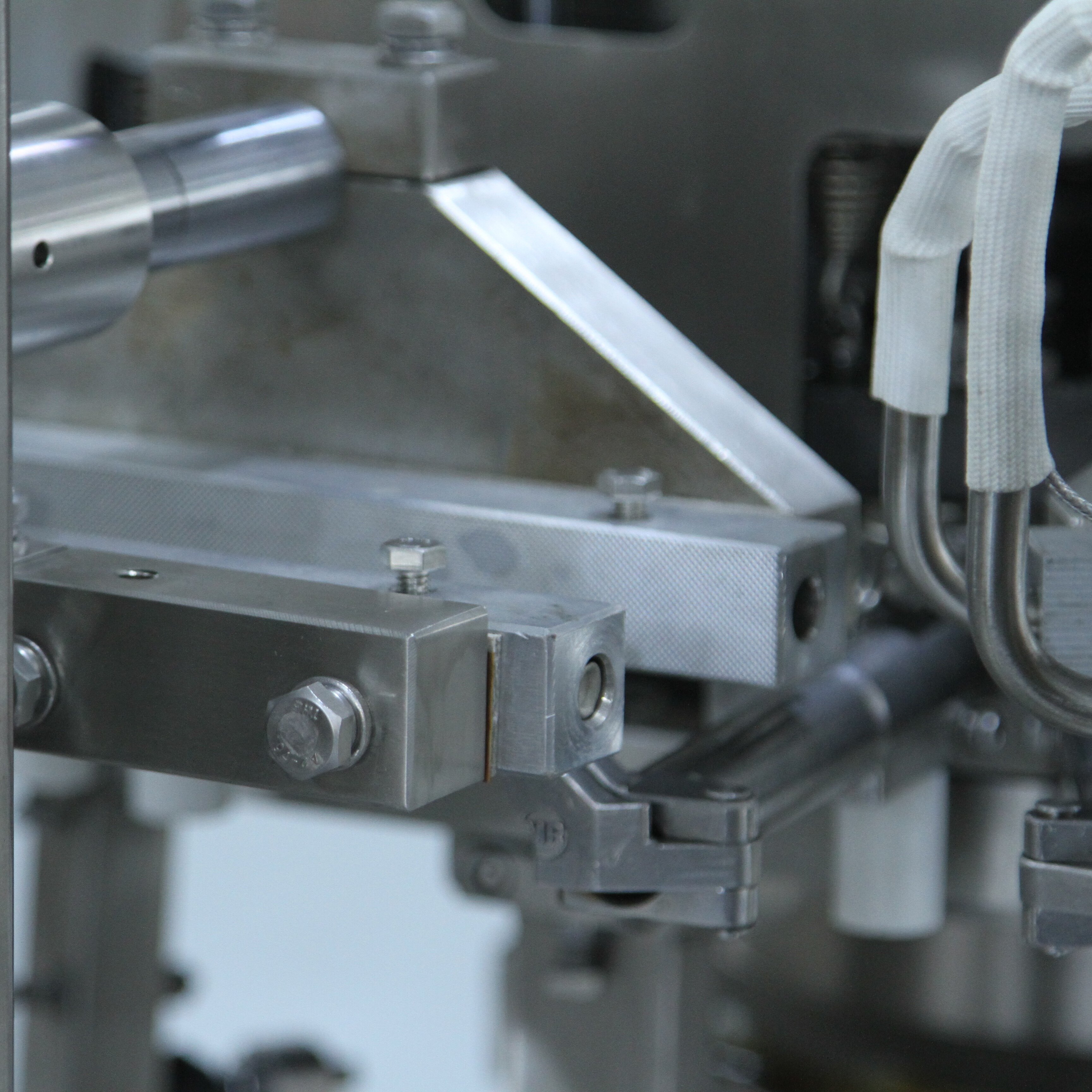
Modern manufacturing environments demand flexibility and efficiency. Running multiple SKUs on a single rotary vacuum packing machine requires strategic planning, proper equipment setup, and disciplined operational practices. A rotary vacuum packing machine represents a significant capital investment, and maximizing its utilization across different product types directly impacts profitability and market responsiveness. Understanding how to transition between SKUs seamlessly while maintaining seal integrity and production speed is essential for packagers working in food processing, pharmaceuticals, and industrial applications.
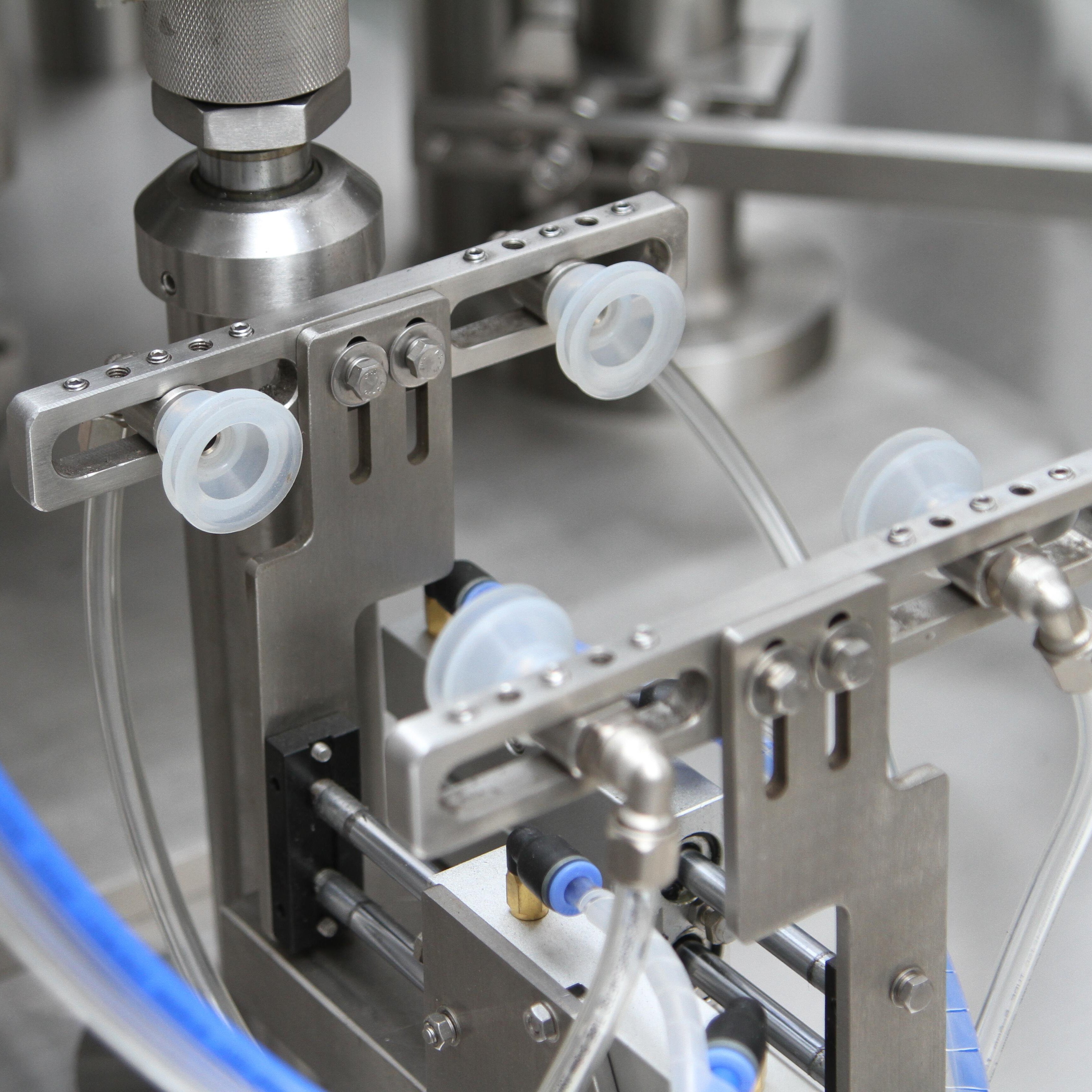
Operating a rotary vacuum packing machine with multiple SKUs introduces both opportunities and challenges. The machine must accommodate different bag dimensions, product weights, vacuum levels, and sealing parameters for each SKU. Success depends on systematizing changeovers, documenting machine settings, training operators, and implementing quality controls that verify performance for every product variant. This comprehensive guide explores practical strategies for managing SKU diversity without sacrificing speed or consistency on your rotary vacuum packing machine.
A well-configured rotary vacuum packing machine supports SKU transitions through modular design and adjustable parameters. The machine must include interchangeable sealing bars, adjustable bag stops, and variable vacuum chamber sizing. When evaluating a rotary vacuum packing machine for multi-SKU production, verify that the equipment allows quick mechanical adjustments without requiring proprietary technician support. Modern designs feature color-coded settings, quick-change tooling, and digital preset storage, enabling operators to switch configurations in minutes rather than hours.
Each SKU demands specific vacuum settings and seal times on your rotary vacuum packing machine. Lighter products require lower vacuum levels to prevent crushing, while dense items may need stronger suction for complete air extraction. Begin by documenting the optimal vacuum pressure, dwell time, and cooling duration for every SKU. Store these settings in the rotary vacuum packing machine's control system or in a physical logbook accessible to all operators. This reference prevents guesswork and ensures consistency across shifts and production batches.
Systematic changeover protocols reduce transition time and human error when switching SKUs on a rotary vacuum packing machine. Create a standardized checklist that operators follow for every changeover: clean the sealing chamber, install the correct bag stop width, adjust vacuum parameters, test-seal a sample bag, and verify dimensions before production begins. A rotary vacuum packing machine with well-trained operators can complete a full changeover in five to fifteen minutes. Document typical changeover durations for each SKU pair to forecast production planning and schedule longer production runs during off-peak periods.
Organizing materials and pre-staging components around the rotary vacuum packing machine eliminates delay during changeovers. Dedicate adjacent workspace for bags, labeling supplies, and adjustment tools specific to each SKU. Use visual management systems such as color-coding or SKU labels on the rotary vacuum packing machine settings chart. When operators can instantly locate correct bags and verify machine settings visually, changeover speed improves and mistakes decrease. Pre-staging also prevents the common problem of installing wrong-sized bags mid-production.
Running multiple SKUs on a rotary vacuum packing machine requires vigilant quality verification at every transition point. Implement a sampling protocol where the first five to ten bags from each SKU run undergo pressure testing, seal strength verification, and visual inspection. Many manufacturers use burst testers or peel-strength devices to confirm that seals meet specifications before full production resumes. A rotary vacuum packing machine equipped with integrated quality sensors provides real-time feedback and can automatically flag when parameters drift outside acceptable ranges, triggering operator intervention before defects accumulate.
Consistent multi-SKU operation on a rotary vacuum packing machine depends entirely on trained, accountable operators. Conduct formal training covering machine operation, changeover procedures, quality standards, and troubleshooting for each SKU. Create operator certification programs where personnel demonstrate competency before running unsupervised production shifts. A rotary vacuum packing machine produces optimal results when operators understand not just how to press buttons, but why specific parameters matter for product integrity and customer satisfaction.
Plan your production sequence to minimize total changeover time on the rotary vacuum packing machine. Sequence SKUs so that similar bag sizes and vacuum ranges run consecutively, reducing mechanical and parameter adjustments. For example, if you pack three SKUs—light snacks, medium proteins, and dense prepared meals—run similar density products back-to-back rather than alternating randomly. This approach to sequencing your rotary vacuum packing machine workload can reduce daily changeover hours by twenty to forty percent, recovering substantial productive capacity throughout the year.
Determine economically rational batch sizes for each SKU on your rotary vacuum packing machine based on changeover time, setup cost, and demand volatility. Shorter runs increase changeover frequency, while excessively long runs risk excess inventory and stock rotation issues. Use simple economics: calculate setup cost per hour and balance it against holding costs for finished goods. Many facilities find that running each SKU in two to four hour batches three to five times weekly optimizes the rotary vacuum packing machine utilization without creating inventory drag. Adjust batch sizing monthly based on demand forecasts and actual production performance data.
When seal quality varies across SKU changeovers on a rotary vacuum packing machine, systematically check three common causes: incorrect vacuum setting for the new SKU, residual moisture or debris in the sealing chamber from the previous run, or slight misalignment of the sealing bar. Always clean the vacuum chamber thoroughly between SKUs and verify machine settings against your documented reference parameters before declaring a changeover complete. A rotary vacuum packing machine with poor seal consistency often indicates insufficient operator training or inadequate documentation rather than equipment failure.
Different SKUs may require different cycle times on a rotary vacuum packing machine due to bag size, product density, or vacuum requirements. If your rotary vacuum packing machine runs too fast for a new SKU, incomplete vacuum extraction or weak seals result. Conversely, running unnecessarily slow reduces throughput. Test cycle speeds for each SKU empirically: start conservatively slow, gradually increase speed while monitoring seal strength, and find the maximum safe speed. Document this optimal cycle speed and train operators to recognize when the rotary vacuum packing machine needs adjustment for a specific SKU.
A well-organized changeover on a rotary vacuum packing machine typically requires five to fifteen minutes, depending on mechanical adjustments and your facility's preparation level. Experienced operators with pre-staged materials and clear documentation complete fast transitions in under ten minutes. Poorly organized facilities may experience thirty-minute to one-hour changeovers, significantly impacting daily output. Invest in operator training and material organization to keep your rotary vacuum packing machine transitions efficient.
Vacuum pressure settings on a rotary vacuum packing machine depend on product density and fragility. Delicate items like baked goods typically need forty to sixty kPa, while dense proteins may require eighty to ninety-five kPa. Always test and document optimal settings through trial runs, then store these parameters in your rotary vacuum packing machine control system or reference guide. Consult with your equipment supplier and product quality team to establish baseline settings for each SKU before full production.
Most rotary vacuum packing machines accommodate moderate bag size variation through adjustable stops and guide rails. However, extreme differences—such as running both small sachets and large family-size bags—may require significant mechanical reconfiguration or a second dedicated machine. Check your rotary vacuum packing machine specifications for maximum size range supported. Clustering similar bag sizes together and running them in production batches is more practical than frequent extreme size switching on a single rotary vacuum packing machine.

2026/09/20
Premade Pouch Machines: Reduce Film Waste, Cut TCO & Achieve Faster ROI

2026/09/20
Cut Premade Pouch Machine Changeover Time by 40% with Proven Best Practices

2026/09/20
Premade Pouch Machines: Boost Throughput, Cut Waste & Improve ROI

2026/09/20
Rotary vs Inline Premade Pouch Machines: Speed, ROI & Scalability Compared

2026/09/20
Premade Pouch Machine: Boost Throughput, Cut Labor Costs & Improve Seal Integrity

2026/09/21
Premade Pouch Machine: Pouch Types, Materials & Filling Guide

