 EN
How to Reduce Film Waste with a Premade Pouch Packaging Machine?
2026/09/20
Premade Pouch Machines: Reduce Film Waste, Cut TCO & Achieve Faster ROI

2026/10/27
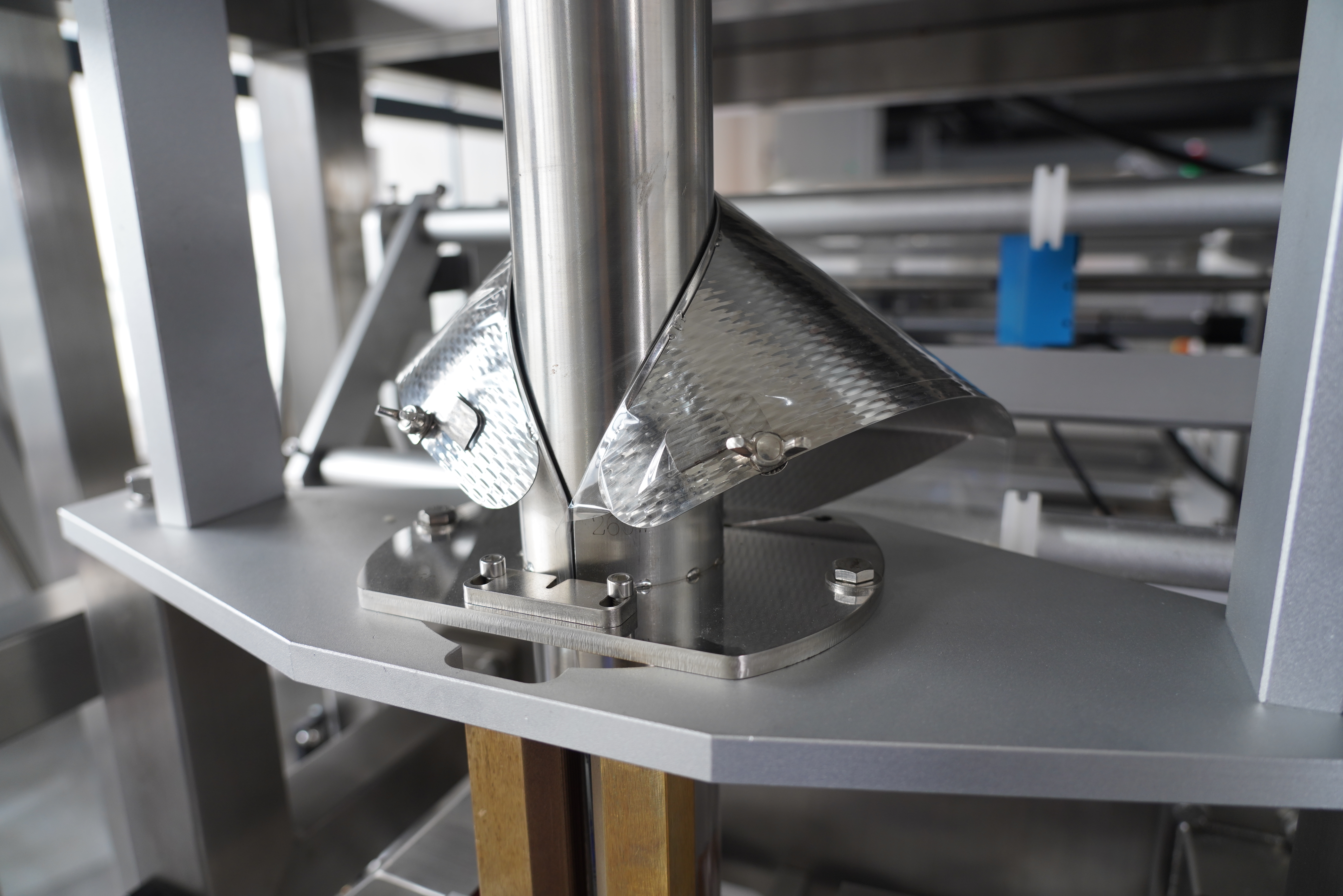
Proper sanitization of your vertical form fill seal machine is critical to maintaining product integrity, ensuring regulatory compliance, and extending equipment lifespan. A vertical form fill seal machine that operates in food, pharmaceutical, or cosmetic production environments must meet stringent hygiene standards. Without a disciplined sanitization protocol, contamination risks increase, product quality suffers, and your business faces potential regulatory violations. This guide walks you through the essential steps to sanitize a vertical form fill seal machine properly, protecting both your equipment investment and your brand reputation.
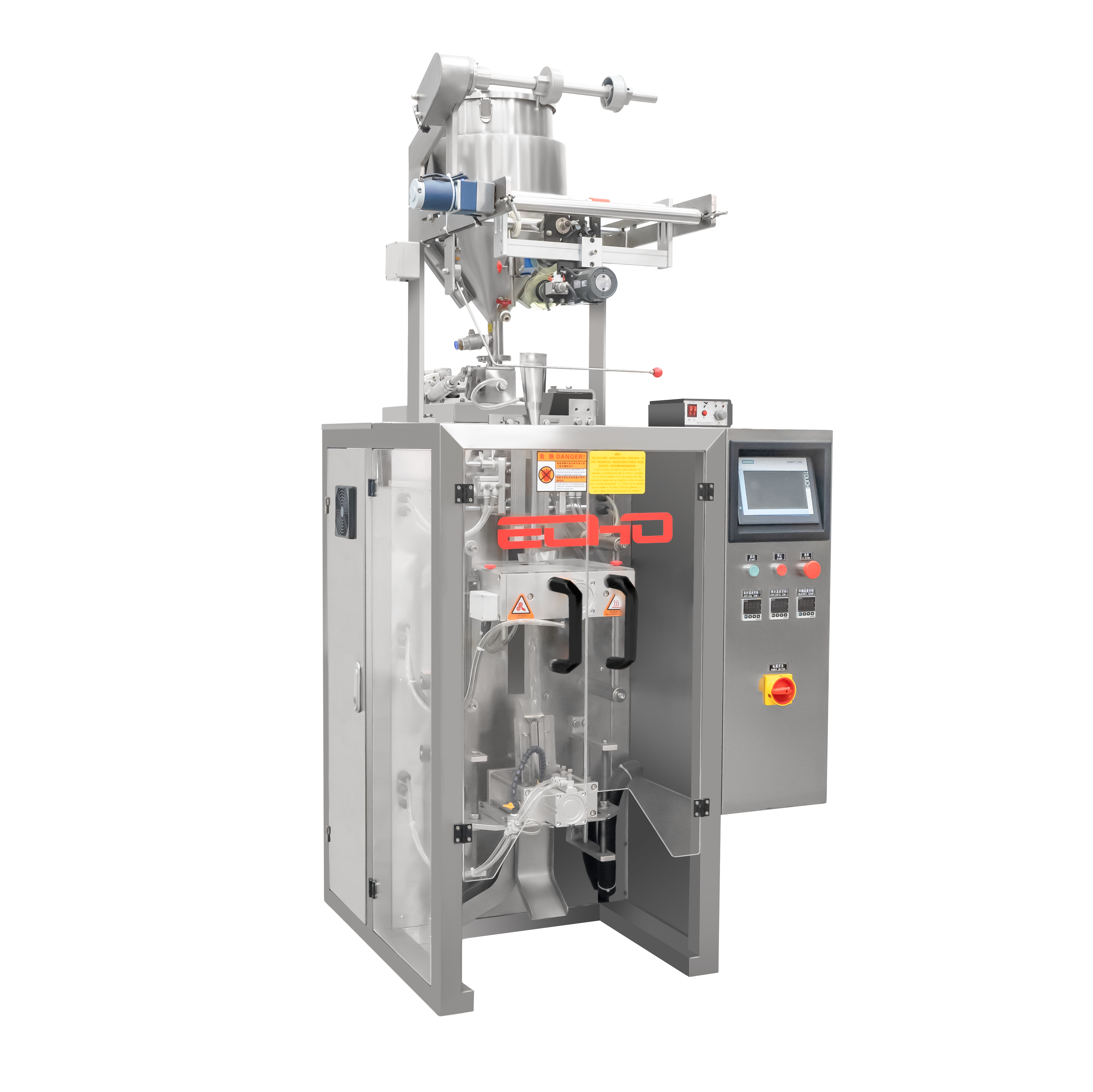
Understanding the specific design and material composition of your vertical form fill seal machine is the foundation of effective cleaning. Every component—from the film guide rails to the sealing jaw assembly—plays a role in the production process and must be cleaned according to manufacturer specifications and industry standards. A vertical form fill seal machine requires a systematic approach that combines mechanical cleaning, chemical disinfection, and validation testing to guarantee sanitation effectiveness.
Before beginning any sanitization procedure, conduct a thorough visual inspection of your vertical form fill seal machine. Look for residual product buildup, dried sealing compounds, or accumulated dust in confined spaces. Check the film path, heat sealing elements, and filling zone for visible contamination. A vertical form fill seal machine that processes sticky or powdery materials often shows the most buildup in these areas. Document any damage, worn seals, or deteriorating components that might affect your sanitization strategy.
Safety is paramount when sanitizing a vertical form fill seal machine. Turn off all power sources and allow the machine to cool completely—heat sealing elements can remain extremely hot for extended periods. Lock out or tag out electrical circuits to prevent accidental startup during cleaning. A vertical form fill seal machine with cooling fins and electrical components requires special attention to prevent water or cleaning agents from reaching sensitive electronics. Allow at least 30 to 60 minutes of cooling time before proceeding with wet cleaning methods.
Most vertical form fill seal machine designs include removable parts that facilitate thorough cleaning. Remove the film guide rails, sealing jaws, pressing plates, and any modular filling or dosing heads according to your equipment manual. These components can be cleaned separately in a wash basin or ultrasonic cleaner using warm water and mild detergent. A vertical form fill seal machine's removable parts should never be immersed in harsh solvents unless the manufacturer explicitly approves such treatment. After washing, rinse thoroughly with purified or distilled water to remove all soap residue.
For fixed surfaces on your vertical form fill seal machine, use lint-free cloths dampened with approved cleaning solutions. Wipe down all product contact surfaces, including the hopper interior, forming tube, and heat sealing station. Pay special attention to seams, corners, and recessed areas where contamination accumulates. A vertical form fill seal machine's forming area should be cleaned with particular care because it directly influences product quality. Use soft brushes to gently remove stubborn deposits without scratching precision-engineered surfaces. Avoid excessive water near electrical components or control panels.
After mechanical cleaning, apply food-grade or pharmaceutical-grade sanitizing agents appropriate for your industry. Common choices include chlorine-based solutions, quaternary ammonium compounds, or alcohol-based disinfectants. Consult your vertical form fill seal machine manufacturer's documentation to verify compatibility with all materials used in your specific model. Apply the sanitizing solution according to the product's contact time requirements—typically 10 to 15 minutes for most food-contact applications. A vertical form fill seal machine operating in regulated environments must use approved agents that provide documented antimicrobial efficacy.
Moisture remaining on your vertical form fill seal machine can promote microbial growth and damage sensitive electrical components. After sanitization, use compressed air to blow out residual liquid from cavities, sealing heads, and internal passages. Wipe all surfaces with clean, lint-free towels and allow natural air circulation to complete the drying process. A vertical form fill seal machine should remain idle for at least 30 minutes after the final wipe-down to ensure complete desiccation. Environmental conditions such as temperature and humidity influence drying time; factor these into your sanitization schedule.
Once all components are dry, carefully reassemble your vertical form fill seal machine according to the manufacturer's specifications. Verify that all removable parts are properly seated and secured. Reinstall any guards, covers, or protective mechanisms that were removed during cleaning. Perform an initial test run without product to verify that all mechanical functions operate smoothly and that the vertical form fill seal machine produces proper seals and forms. Listen for unusual sounds and monitor temperature readings to confirm normal operation before resuming full production.
Maintain detailed records of every sanitization event on your vertical form fill seal machine. Document the date, time, personnel involved, cleaning agents used, and any observations or equipment issues. In regulated industries, this documentation serves as proof of compliance during audits. Consider implementing ATP (Adenosine Triphosphate) testing or swab sampling to objectively verify that your vertical form fill seal machine meets hygiene standards. Establish a validation schedule that aligns with production volume, product risk level, and regulatory requirements applicable to your operation.
Sanitization frequency depends on your production schedule, product type, and regulatory requirements. Most food and pharmaceutical facilities clean their vertical form fill seal machine daily at shift end or between production runs involving different products. High-risk products or products with longer shelf life requirements may necessitate more frequent sanitization. Consult your quality assurance team and regulatory guidelines to establish the appropriate schedule for your vertical form fill seal machine.
High-pressure water spray can damage sensitive components and force liquid into electrical systems on a vertical form fill seal machine. Instead, use low-pressure water with controlled flow, lint-free cloths, and soft brushes. Always verify with your equipment manual whether your specific vertical form fill seal machine model permits any water exposure near control panels or electronic sensors. When in doubt, contact the manufacturer for guidance on safe cleaning methods.
Ensure that any sanitizing agent used on your vertical form fill seal machine carries appropriate certifications such as FDA approval for food contact surfaces, or equivalent regulatory approval for your industry. Verify that the product is effective against pathogens relevant to your production environment. Request documentation of antimicrobial efficacy and material compatibility from your chemical supplier. A vertical form fill seal machine operates in a regulated context, and your sanitizing agents must meet all applicable standards and guidelines in your jurisdiction.

2026/09/20
Premade Pouch Machines: Reduce Film Waste, Cut TCO & Achieve Faster ROI

2026/09/20
Cut Premade Pouch Machine Changeover Time by 40% with Proven Best Practices

2026/09/20
Premade Pouch Machines: Boost Throughput, Cut Waste & Improve ROI

2026/09/20
Rotary vs Inline Premade Pouch Machines: Speed, ROI & Scalability Compared

2026/09/20
Premade Pouch Machine: Boost Throughput, Cut Labor Costs & Improve Seal Integrity

2026/09/21
Premade Pouch Machine: Pouch Types, Materials & Filling Guide

