 EN
How to Reduce Film Waste with a Premade Pouch Packaging Machine?
2026/09/20
Premade Pouch Machines: Reduce Film Waste, Cut TCO & Achieve Faster ROI

2026/10/01
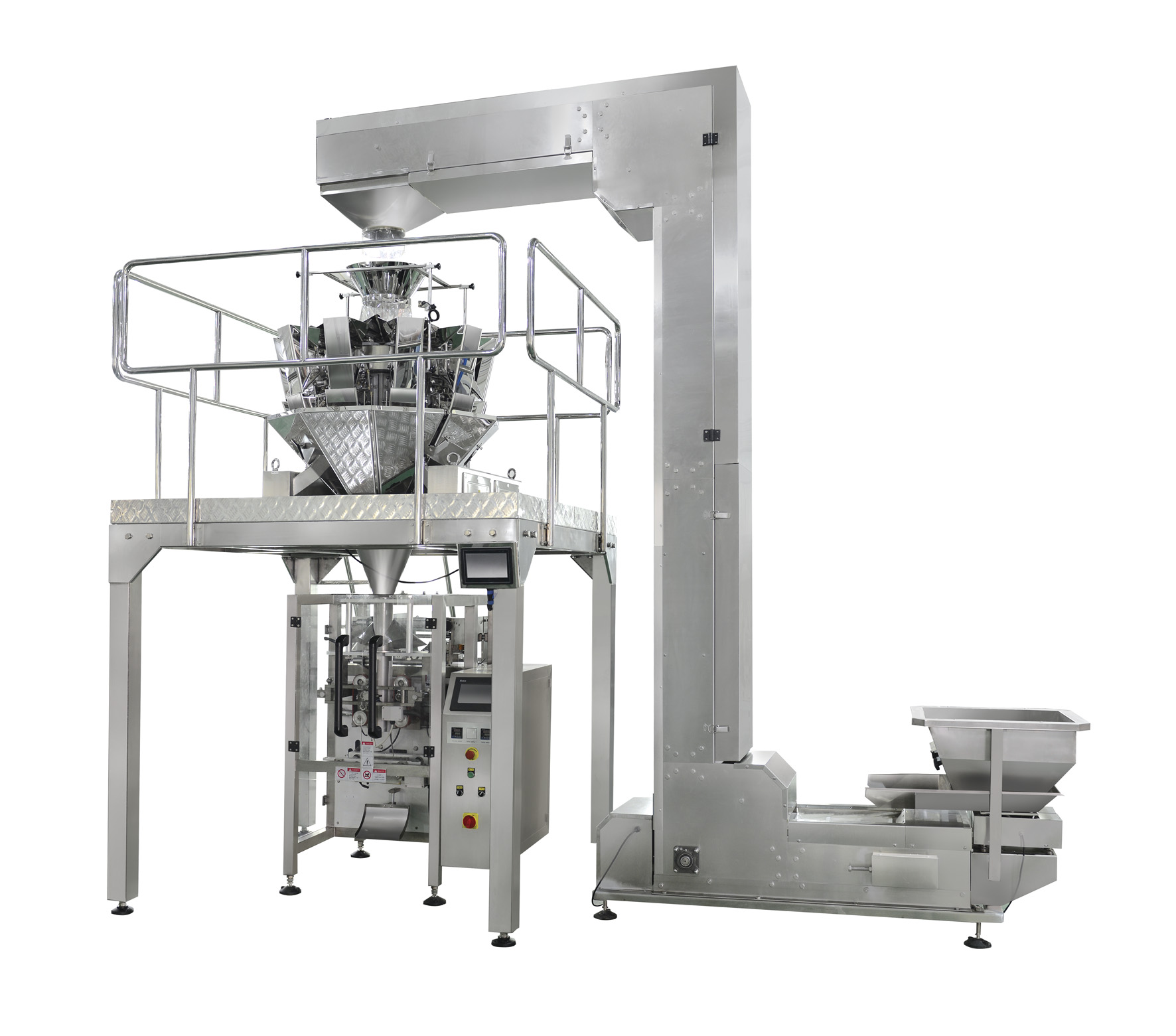
Selecting the right film for a vertical packaging machine is one of the most critical decisions a packaging professional can make. The film you choose directly impacts production efficiency, product protection, seal quality, and overall operational costs. A vertical packaging machine relies entirely on the film's performance characteristics to create secure, attractive packages that meet consumer expectations and regulatory standards. Whether you are operating a small-scale production line or managing a high-volume facility, understanding how to choose film for your vertical packaging machine will help you optimize your packaging operations and reduce costly downtime.
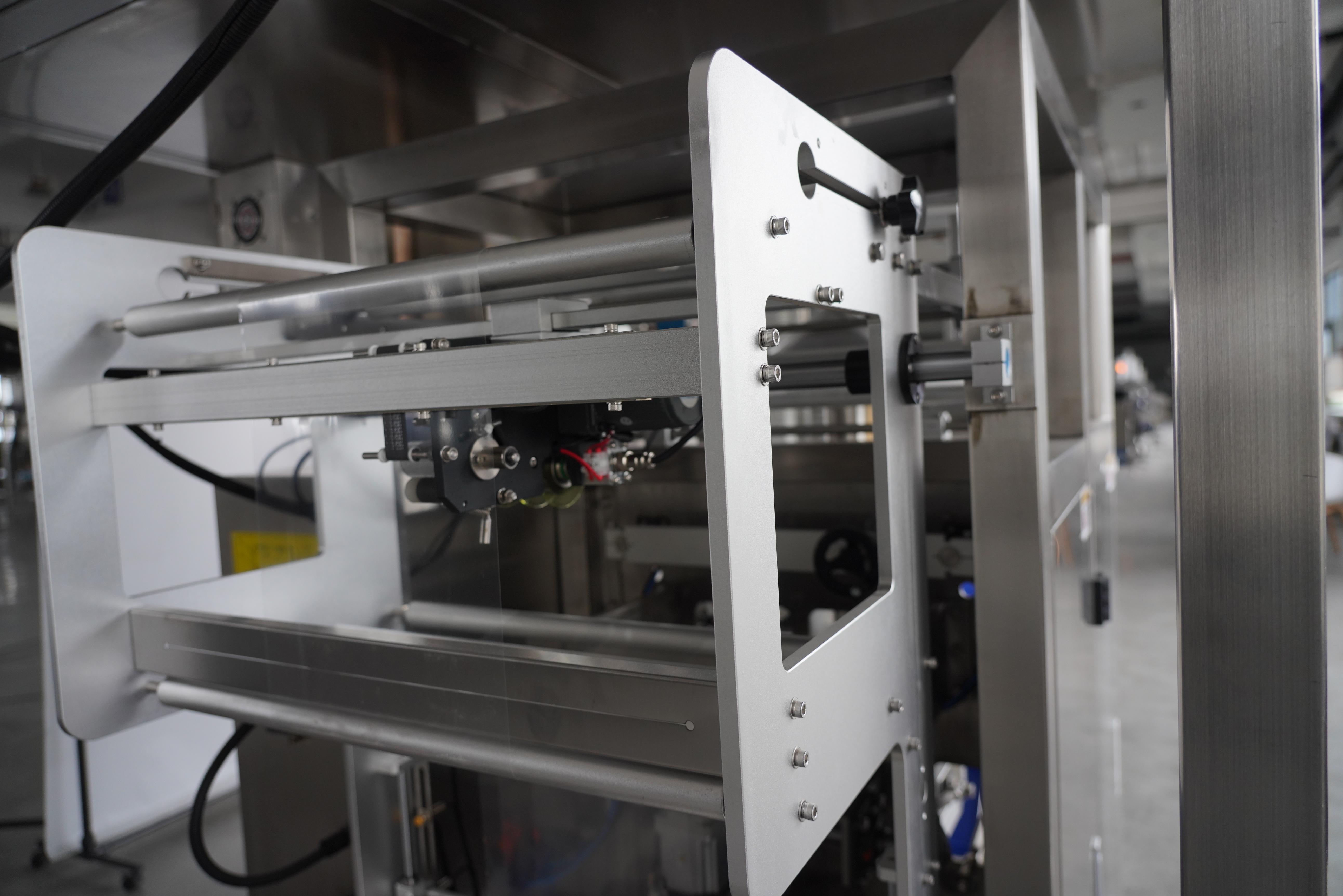
A vertical packaging machine operates by drawing film from a roll, forming it around product, and sealing it—all in one continuous motion. The film must possess specific mechanical and thermal properties to perform reliably in this environment. Choosing film involves evaluating material composition, thickness gauges, seal strength requirements, barrier properties, and compatibility with your machine's specifications. This guide walks you through the essential factors that define proper film selection for a vertical packaging machine.
Polyethylene (PE) and polypropylene (PP) are the most commonly used base materials in film for a vertical packaging machine. Polyethylene offers excellent flexibility, puncture resistance, and low-temperature sealing capability, making it ideal for products that require gentle handling and rapid production speeds. Polypropylene provides superior clarity, stiffness, and oxygen barrier properties, which benefit applications where visual product appeal and shelf life extension matter. When selecting film for a vertical packaging machine, you must decide whether PE or PP—or a laminated combination of both—best matches your product type and market requirements.
Many modern applications demand laminated films that combine the advantages of multiple materials into one structure. Laminated films used in a vertical packaging machine might include PE/PP, PE/Aluminum/PE, or PE/EVOH/PE configurations. Each layer serves a purpose: one layer provides seal strength, another offers barrier protection, and a third contributes to structural integrity. Selecting a laminated film for your vertical packaging machine requires understanding which barriers your product needs and whether those layers will seal reliably in your machine's thermal environment.
Film thickness—measured in microns—is a fundamental specification when choosing film for a vertical packaging machine. Thinner films (20–40 microns) reduce material costs and run faster but offer less structural protection. Thicker films (60–100 microns) provide superior durability and barrier properties but increase costs and may require longer dwell times in the seal jaws. Your vertical packaging machine's heat application time, clamp pressure, and speed settings all influence which thickness will perform optimally. Heavier products and longer shelf-life requirements typically demand thicker film, while lightweight items and fast-moving consumer goods may run efficiently on thinner film.
Seal strength determines whether your packages remain intact through distribution and consumer handling. A vertical packaging machine creates seals through heat and pressure applied to overlapping film layers at the top and sides of the package. The film material must have a sealing temperature range that aligns with your machine's settings. If the film's melting point is too high, seals will be weak or incomplete; if too low, the film may melt excessively and weaken. When selecting film for a vertical packaging machine, request seal-strength data from your supplier and test the film under your actual production conditions to confirm it meets your package integrity standards.
Different products demand different levels of protection from oxygen, moisture, and light. A vertical packaging machine processes film designed with varying barrier properties to suit these needs. Oxygen barrier films protect fatty snacks, coffee, and sensitive dry goods. Moisture barrier films preserve delicate powders and hygroscopic products. Light-blocking films protect photosensitive items like oils and certain pharmaceuticals. When choosing film for your vertical packaging machine, match the barrier properties to your product's shelf-life targets and storage conditions. Overspecifying barriers increases costs unnecessarily, while underspecifying them leads to spoilage and returns.
A vertical packaging machine depends on consistent film feed and precise tracking through the packaging area. The friction characteristics of the film's outer surface influence how smoothly it moves through the machine's drive rollers and guide rails. Films with too much friction may jam or crease; films with too little may slip and misalign. When selecting film for a vertical packaging machine, consult your equipment manual for recommended friction ranges and test sample rolls on your specific machine before committing to large volume orders. Antislip or antiblock additives built into the film help maintain proper feeding without introducing surface defects that compromise seal quality or print registration.
Most films used in a vertical packaging machine carry pre-printed graphics, nutritional information, or branding. The film's surface must accept inks, dyes, or labels without flaking or fading during processing. When choosing film for a vertical packaging machine, verify that the pre-printed film's ink is compatible with heat-sealing temperatures and won't smudge when moisture or condensation occurs. Additionally, ensure that any labels or secondary graphics adhered to the film remain secure through the machine's mechanical action and seal zone. Incompatible print surfaces cause quality issues that reduce throughput and increase rework costs.
Before committing to a new film supplier or specification, run a formal trial on your vertical packaging machine. This trial allows you to measure actual seal strength, detect any feed issues, and confirm the film's performance under your production's unique thermal and mechanical conditions. Trial runs also provide an opportunity to identify any adjustments needed to your machine's temperature, pressure, or speed settings to optimize results with the new film. Always document trial parameters, defect rates, and any concerns—this information becomes the foundation for purchasing specifications and troubleshooting future problems with that film material.
Selecting film for a vertical packaging machine is not a one-time transaction but an ongoing partnership with your supplier. A qualified film supplier will help you understand the thermal characteristics of different materials, recommend gauge and barrier combinations suited to your products, and provide technical support if issues arise during production. Share your vertical packaging machine's specifications, production speeds, and seal-jaw temperatures with your supplier so they can recommend film engineered for optimal performance in your specific equipment. This collaboration ensures you get film that balances cost, performance, and reliability.
High-speed vertical packaging machine operations typically perform best with film in the 40–70 micron range. Thinner films allow faster cycles and lower material costs, but faster seal dwell times and higher seal temperatures may be required. Consult your machine's technical specifications and conduct trials to find the optimal thickness that maintains seal integrity without slowing production or generating defects.
While some films work across different vertical packaging machine models, seal temperature and pressure settings vary between machines. Always verify that film specifications align with your specific machine's thermal and mechanical parameters. A film optimized for one vertical packaging machine may underperform in another model with different seal-jaw configurations or speed capabilities. Trial testing is essential before switching machines.
Seal failures often occur because new film has different thermal or friction properties than the previous material. When switching suppliers, run a comprehensive trial on your vertical packaging machine using identical production parameters first, then gradually adjust machine settings if needed. Request seal-strength test data and friction specifications from the new supplier, and maintain detailed production records during the transition to identify and resolve any performance gaps quickly.

2026/09/20
Premade Pouch Machines: Reduce Film Waste, Cut TCO & Achieve Faster ROI

2026/09/20
Cut Premade Pouch Machine Changeover Time by 40% with Proven Best Practices

2026/09/20
Premade Pouch Machines: Boost Throughput, Cut Waste & Improve ROI

2026/09/20
Rotary vs Inline Premade Pouch Machines: Speed, ROI & Scalability Compared

2026/09/20
Premade Pouch Machine: Boost Throughput, Cut Labor Costs & Improve Seal Integrity

2026/09/21
Premade Pouch Machine: Pouch Types, Materials & Filling Guide

