 EN
How to Reduce Film Waste with a Premade Pouch Packaging Machine?
2026/09/20
Premade Pouch Machines: Reduce Film Waste, Cut TCO & Achieve Faster ROI

2026/10/11
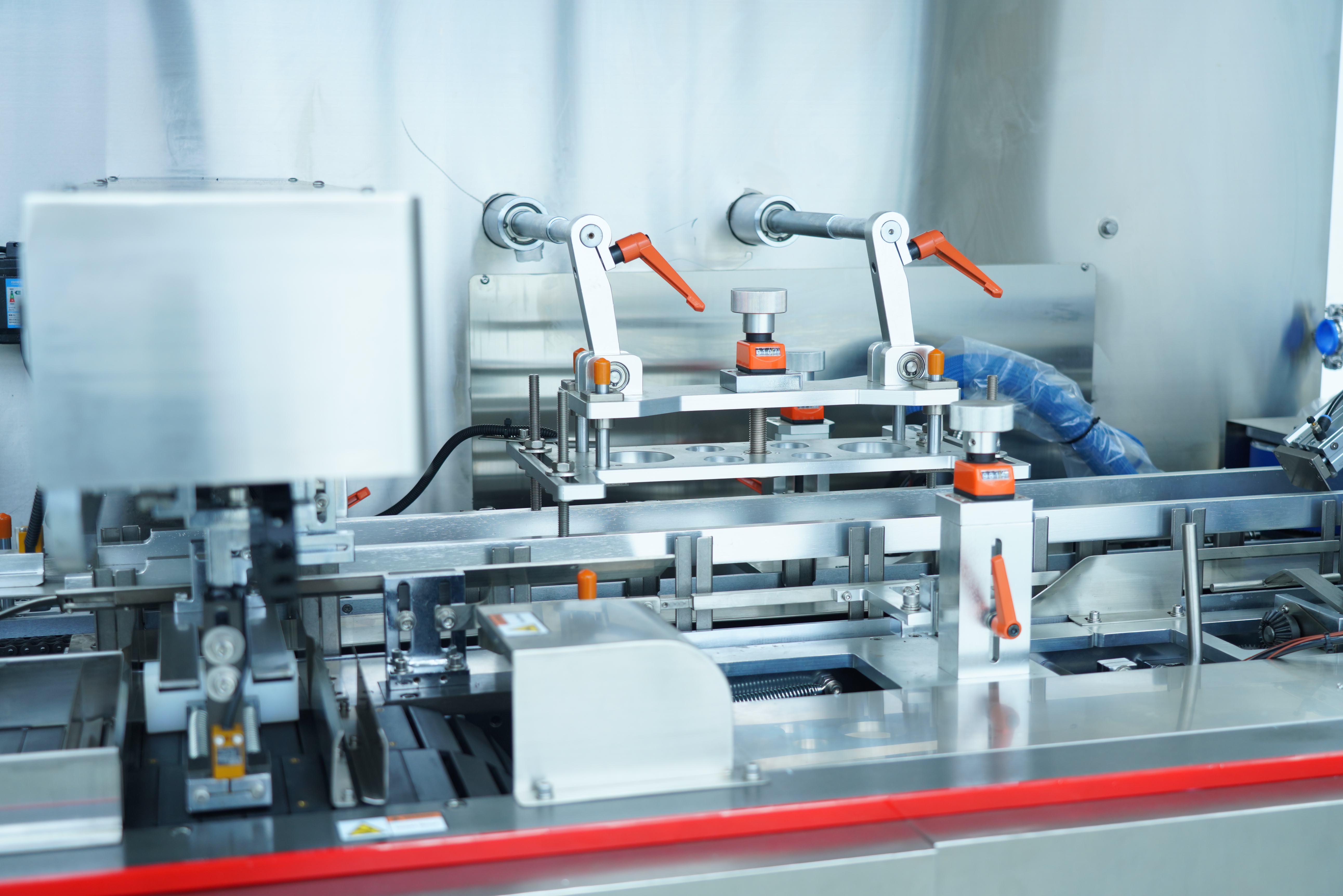
Selecting the right box cartoner for small cartons is one of the most critical decisions a packaging operation can make. The correct box cartoner directly impacts production efficiency, product quality, operational costs, and long-term scalability. Small carton packaging demands precision, speed, and flexibility, yet not all box cartoner systems are designed equally to handle these requirements. Understanding how to evaluate and choose the ideal box cartoner ensures your investment aligns with your production goals, budget constraints, and facility capabilities.
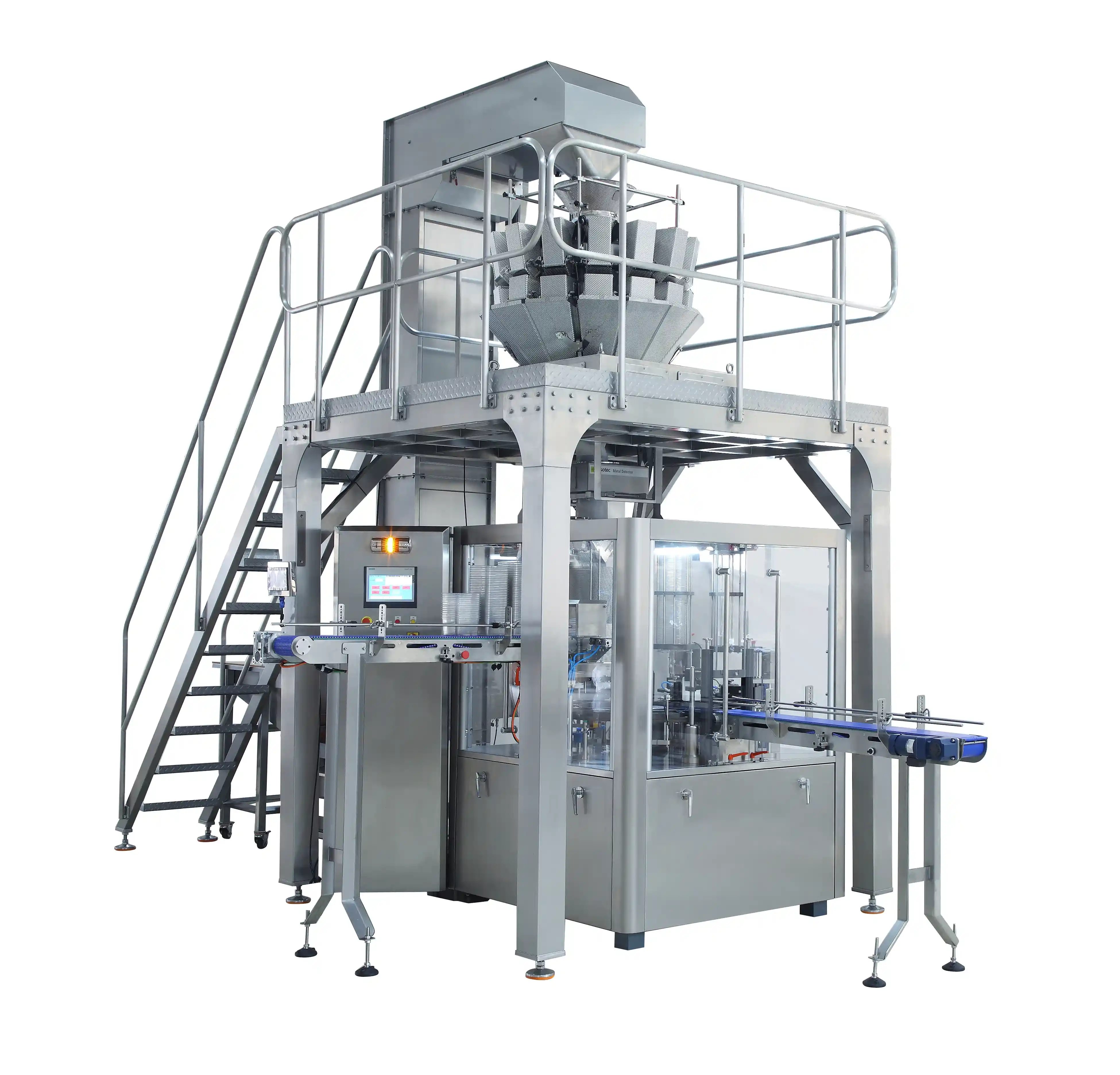
The market offers diverse box cartoner models ranging from semi-automatic to fully automated systems, each serving different production volumes and operational contexts. Your choice of box cartoner technology shapes not only immediate throughput but also maintenance demands, labor requirements, and future upgrade potential. This guide walks you through the essential selection criteria to identify which box cartoner configuration best fits your small carton packaging environment.
Before evaluating specific box cartoner models, map out your exact carton dimensions, materials, and production volume targets. Small cartons vary significantly in size, shape, and construction; a box cartoner optimized for rigid boxes performs differently than one handling flexible or partially collapsed cartons. The box cartoner you select must accommodate your carton's height, width, depth, and weight without requiring extensive mechanical reconfiguration between product runs. Document your current volume, expected growth over three to five years, and seasonal fluctuations, as this directly influences whether you need a high-speed box cartoner or a more versatile mid-range system.
Production rhythm significantly affects box cartoner selection strategy. Operations running continuous 24/7 shifts benefit from robust, heavy-duty box cartoner systems built for reliability and minimal downtime, whereas facilities with intermittent production may prioritize ease of setup and changeover speed over maximum output. A flexible box cartoner engineered for quick format changes reduces idle time when switching between different carton sizes or product types. Consider whether your facility requires a box cartoner capable of handling multiple carton formats or whether dedicated, single-format throughput suffices, as this distinction shapes reliability, footprint, and total cost of ownership for your box cartoner investment.
Speed represents a primary box cartoner differentiation factor, typically measured in cartons per minute. Entry-level box cartoner systems deliver 20 to 40 cartons per minute, while mid-range units achieve 60 to 100 cartons per minute, and premium box cartoner models exceed 150 cartons per minute. However, raw speed alone does not ensure optimal box cartoner performance; accuracy and consistency matter equally, particularly for small cartons where improper sealing or misalignment reduces shelf appeal and regulatory compliance. Examine the box cartoner vendor's documented rejection rates, vision system capabilities, and quality assurance features. A box cartoner offering lower speed but superior accuracy often outperforms a faster system prone to defects and rework, especially in consumer-facing applications demanding perfect presentation.
Physical space and infrastructure compatibility directly impact whether a box cartoner fits your facility. Compact box cartoner designs occupy minimal floor space, crucial for facilities with tight layouts or retrofitting constraints. Evaluate whether your chosen box cartoner integrates seamlessly with upstream forming, filling, and downstream case packing equipment, or if you must install buffer systems and conveyors. The box cartoner requires reliable compressed air, electrical supply, and control system connectivity; verify that your facility's utilities meet the box cartoner manufacturer's specifications. Additionally, assess ergonomic access points for maintenance and operator intervention, as poor box cartoner accessibility increases downtime and safety risks during troubleshooting or routine service.
The purchase price of a box cartoner represents only a fraction of total cost; factor in installation, training, integration, and spare parts inventory. box cartoner financing options vary by vendor and equipment class, and payback periods typically range from two to four years for most facilities. Calculate your box cartoner return on investment by comparing labor savings, reduced product damage, increased throughput, and energy efficiency against the total investment. Operations with seasonal demand may prioritize lower capital box cartoner options over fully automated systems, whereas high-volume producers justify premium box cartoner models through faster payback and competitive production advantages. Request transparent pricing breakdowns from box cartoner vendors, including spare parts availability, warranty coverage, and service cost structures.
Long-term success with your box cartoner depends heavily on vendor support quality and spare parts accessibility. Evaluate whether the box cartoner manufacturer maintains local service resources, offers remote diagnostics, and stocks critical components. Preventative maintenance schedules for your box cartoner should be clear and achievable within your operational window, and technician training must be comprehensive and accessible. Some vendors provide superior box cartoner documentation and online support portals, while others require on-site visits for routine troubleshooting, directly impacting your equipment downtime and operational costs. Request references from existing box cartoner customers operating in similar industries and volume ranges to gauge real-world support reliability and satisfaction before committing.
A standard box cartoner accommodates cartons ranging from approximately 2 inches to 12 inches across various dimensions, though specific models have defined size ranges. Small carton box cartoner systems are engineered for compact packaging, typically handling heights from 1 inch to 8 inches and widths from 2 inches to 10 inches. Always verify the box cartoner manufacturer's specifications against your exact carton dimensions, as exceeding design parameters reduces accuracy and increases mechanical wear on the box cartoner system.
Most semi-automatic box cartoner units occupy approximately 15 to 25 square feet, while fully automatic box cartoner systems may require 30 to 50 square feet depending on the model and integration setup. Compact box cartoner designs exist for space-constrained facilities, and vertical configurations can further optimize footprint. Consult with your box cartoner vendor about layout options and whether modular or adjustable box cartoner configurations suit your available space before purchasing.
A well-maintained box cartoner requires preventative service every 500 to 1000 operating hours, including lubrication, component inspection, and wear-part replacement. Common box cartoner failure points include sealing mechanisms, drive belts, indexing sensors, and glue application systems, all of which deteriorate with regular use. Selecting a box cartoner with readily available spare parts and manufacturer support minimizes unplanned downtime and keeps your packaging operation running smoothly throughout the year.

2026/09/20
Premade Pouch Machines: Reduce Film Waste, Cut TCO & Achieve Faster ROI

2026/09/20
Cut Premade Pouch Machine Changeover Time by 40% with Proven Best Practices

2026/09/20
Premade Pouch Machines: Boost Throughput, Cut Waste & Improve ROI

2026/09/20
Rotary vs Inline Premade Pouch Machines: Speed, ROI & Scalability Compared

2026/09/20
Premade Pouch Machine: Boost Throughput, Cut Labor Costs & Improve Seal Integrity

2026/09/21
Premade Pouch Machine: Pouch Types, Materials & Filling Guide

