 EN
How to Reduce Film Waste with a Premade Pouch Packaging Machine?
2026/09/20
Premade Pouch Machines: Reduce Film Waste, Cut TCO & Achieve Faster ROI

2026/10/23
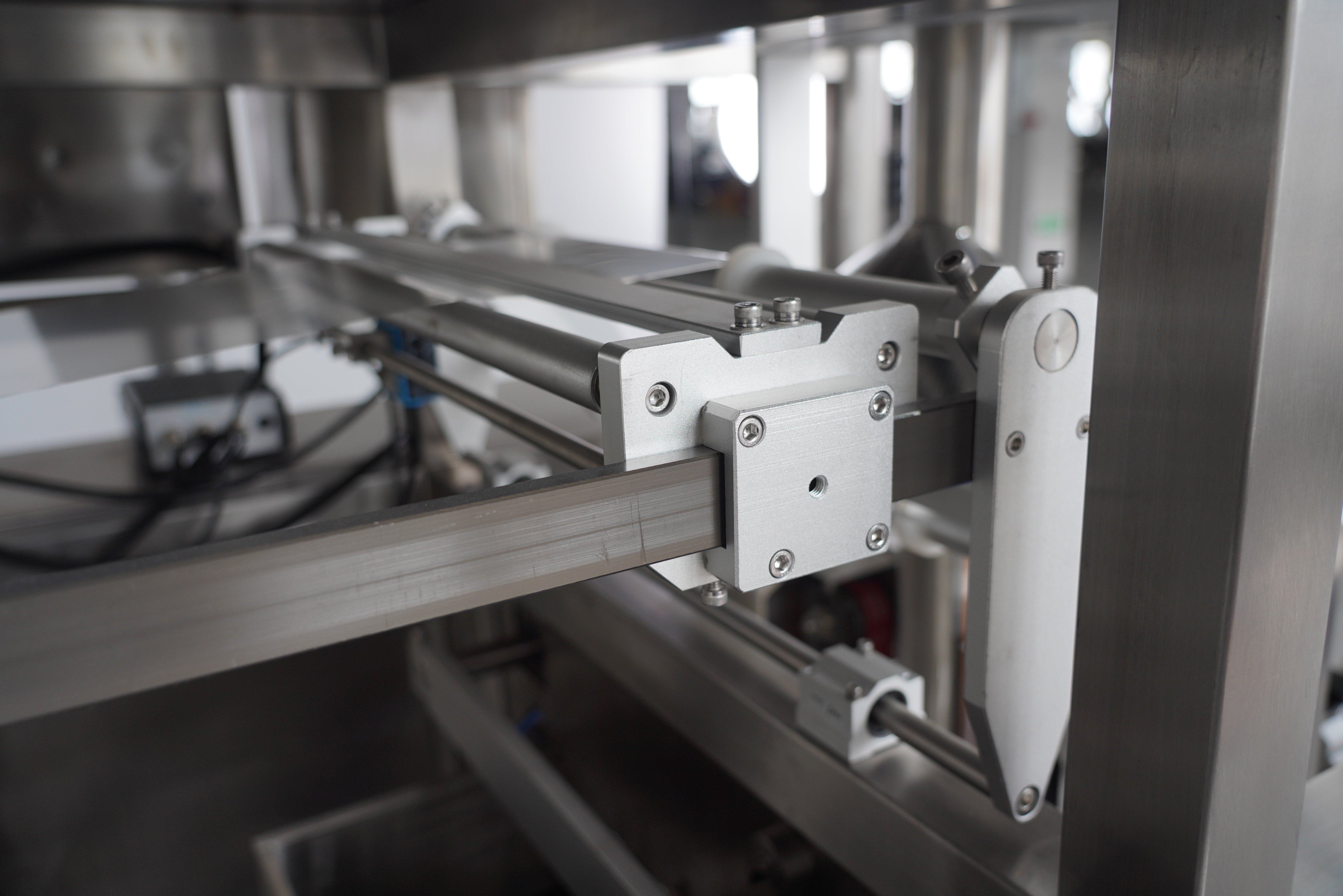
Choosing the right film material for your vffs machine is one of the most critical decisions you'll make in your packaging operations. The film you select directly impacts production speed, seal quality, product protection, and overall operational efficiency. A vffs machine depends entirely on compatible film materials to perform at its best, and selecting the wrong material can lead to costly downtime, seal failures, and wasted product. Understanding the relationship between your vffs machine and film composition ensures you achieve consistent results while maximizing your equipment investment.
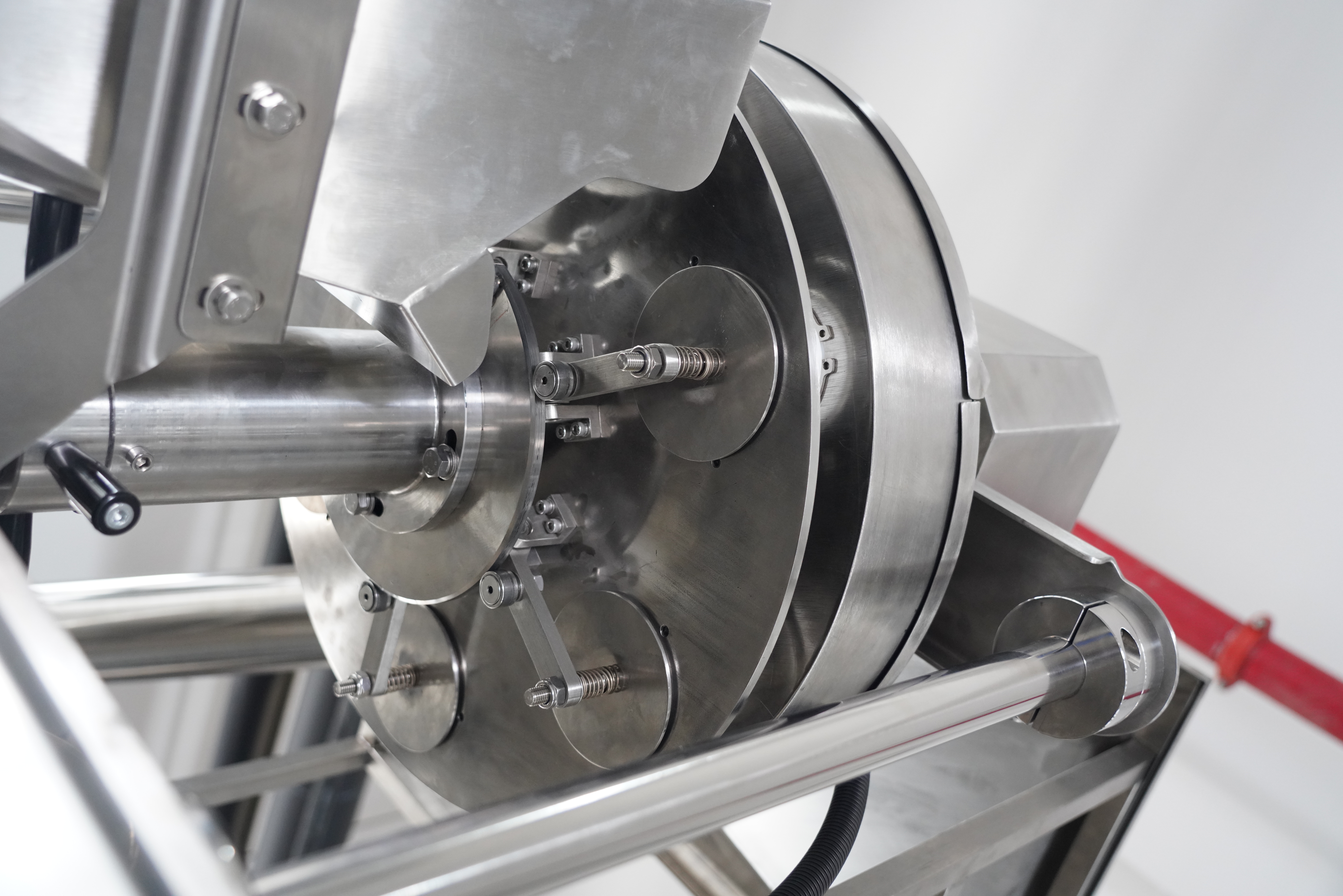
The film material selection process for a vffs machine involves evaluating multiple technical factors, from thickness and barrier properties to heat-seal capabilities and machine compatibility. Different industries require different film grades, and what works perfectly for a food packaging vffs machine may be entirely unsuitable for pharmaceutical or industrial applications. This guide walks you through the essential considerations to help you identify the ideal film material for your specific vffs machine application and production requirements.
Every vffs machine is designed to work with specific film material characteristics. The film gauge, or thickness, directly affects how your vffs machine handles the material through its forming, filling, and sealing stations. Thinner films, typically ranging from 1 to 3 mils, run faster on most vffs machine models but require precise tensioning and temperature control. Thicker films, between 4 and 8 mils, provide better durability and barrier protection but may require slower speeds or equipment adjustments on your vffs machine. The film's flexibility and tear resistance also influence how smoothly your vffs machine can guide it through the production cycle without creasing or wrinkling.
Heat sealing is the core function of any vffs machine, and your film material must have compatible melting characteristics. Every vffs machine operates within a specific temperature range, typically between 250 and 350 degrees Fahrenheit for most food applications. Your chosen film must achieve a proper seal within this temperature window without degrading or becoming brittle. Polyethylene-based films work well with most standard vffs machine sealing bars, while nylon or metallized films may require higher temperatures. Testing your specific film on your vffs machine before full-scale production helps identify the optimal heat and dwell time settings for that material.
Single-material films represent the simplest option for a vffs machine user seeking cost-effective packaging. Mono-layer polyethylene films are lightweight, seal reliably on most vffs machine equipment, and suit applications where barrier protection is minimal. These films work particularly well on high-speed vffs machine operations because their consistent properties allow for stable feed and predictable seal performance. However, mono-layer films offer limited protection against oxygen, moisture, or light, making them less suitable for premium or long-shelf-life products. When running mono-layer film on a vffs machine, operators should monitor for static buildup and ensure proper film tension to prevent slippage or puckering.
Multi-layer co-extruded films deliver superior barrier properties and represent the industry standard for most modern vffs machine operations. These films combine an outer sealant layer, a middle barrier layer, and an inner protective layer to shield products from environmental contamination. A vffs machine handling multi-layer films benefits from enhanced seal strength and longer shelf stability for packaged products. The trade-off is that multi-layer materials require more precise temperature control on your vffs machine, and they cost more per unit than mono-layer alternatives. Testing seal integrity under your specific vffs machine conditions ensures the barrier structure remains intact and protective throughout its shelf life.
Your product characteristics dictate the minimum film specifications your vffs machine must handle. Dry goods, snacks, and powders require lower barrier films and work efficiently on basic vffs machine setups. Liquid or semi-liquid products demand high-barrier films that prevent leakage and maintain seal integrity over months of storage, requiring a more robust vffs machine configuration. Sensitive products like coffee, spices, or pharmaceuticals need metallized or aluminum-layer films for oxygen barrier protection, which may necessitate specialized vffs machine settings or modified feed mechanisms. Understanding your product's shelf-life expectations and environmental sensitivity helps narrow down which film types your vffs machine should prioritize.
The speed capability of your vffs machine directly influences which film materials you can efficiently run. High-speed vffs machine operations, exceeding 100 bags per minute, require films with excellent feeding characteristics and quick-set heat seals. Thin, lightweight films generally feed better on fast vffs machine lines, while heavier gauge materials may cause tracking issues or temperature instability. If your production targets demand maximum throughput, film selection becomes a performance bottleneck on your vffs machine. Conversely, if your vffs machine operates at moderate speeds, you gain more flexibility to use thicker, more protective films that enhance product quality.
Film material costs significantly impact your packaging budget, yet selecting the cheapest option for your vffs machine often backfires through increased downtime or seal failures. Evaluate your vffs machine film supplier's reliability, quality consistency, and technical support capacity. Establishing a long-term relationship with a trustworthy supplier ensures your vffs machine receives compatible materials batch after batch without unexpected performance variations. Request material specifications, environmental stability data, and compatibility documentation before committing large orders for your vffs machine. The slightly higher cost of premium, consistent film typically pays dividends through reduced waste and improved seal reliability on your vffs machine.
Check your vffs machine manufacturer's technical specifications for recommended film thickness, material composition, and temperature requirements. Request a sample of your proposed film and run a test batch on your vffs machine to evaluate seal quality, feed consistency, and any tracking or tension issues. Contact your film supplier for technical data sheets and ask if they have experience with your specific vffs machine model. Consulting your vffs machine manufacturer's application team ensures your film choice aligns with your equipment's designed parameters.
Using incompatible film on your vffs machine can cause poor seal formation, leading to product leakage, contamination, or complete package failure. The wrong film material may cause tracking problems, wrinkles, or creasing that your vffs machine cannot correct, resulting in rejected packages and production delays. Excessive temperatures needed to seal incompatible film can degrade the material itself, creating brittle or weak seals that fail during distribution. Always verify film compatibility with your vffs machine before bulk production to avoid costly operational problems.
Yes, your vffs machine can generally switch between compatible film materials, but each change requires testing and recalibration. Temperature settings, feed tension, and seal dwell time often differ between film types, so adjust your vffs machine parameters accordingly. Run test bags and inspect seal integrity before resuming production volume whenever you introduce new film to your vffs machine. Keeping detailed notes on settings for each film material type helps streamline future changeovers on your vffs machine and reduces setup time.

2026/09/20
Premade Pouch Machines: Reduce Film Waste, Cut TCO & Achieve Faster ROI

2026/09/20
Cut Premade Pouch Machine Changeover Time by 40% with Proven Best Practices

2026/09/20
Premade Pouch Machines: Boost Throughput, Cut Waste & Improve ROI

2026/09/20
Rotary vs Inline Premade Pouch Machines: Speed, ROI & Scalability Compared

2026/09/20
Premade Pouch Machine: Boost Throughput, Cut Labor Costs & Improve Seal Integrity

2026/09/21
Premade Pouch Machine: Pouch Types, Materials & Filling Guide

