 EN
How to Reduce Film Waste with a Premade Pouch Packaging Machine?
2026/09/20
Premade Pouch Machines: Reduce Film Waste, Cut TCO & Achieve Faster ROI

2026/10/15
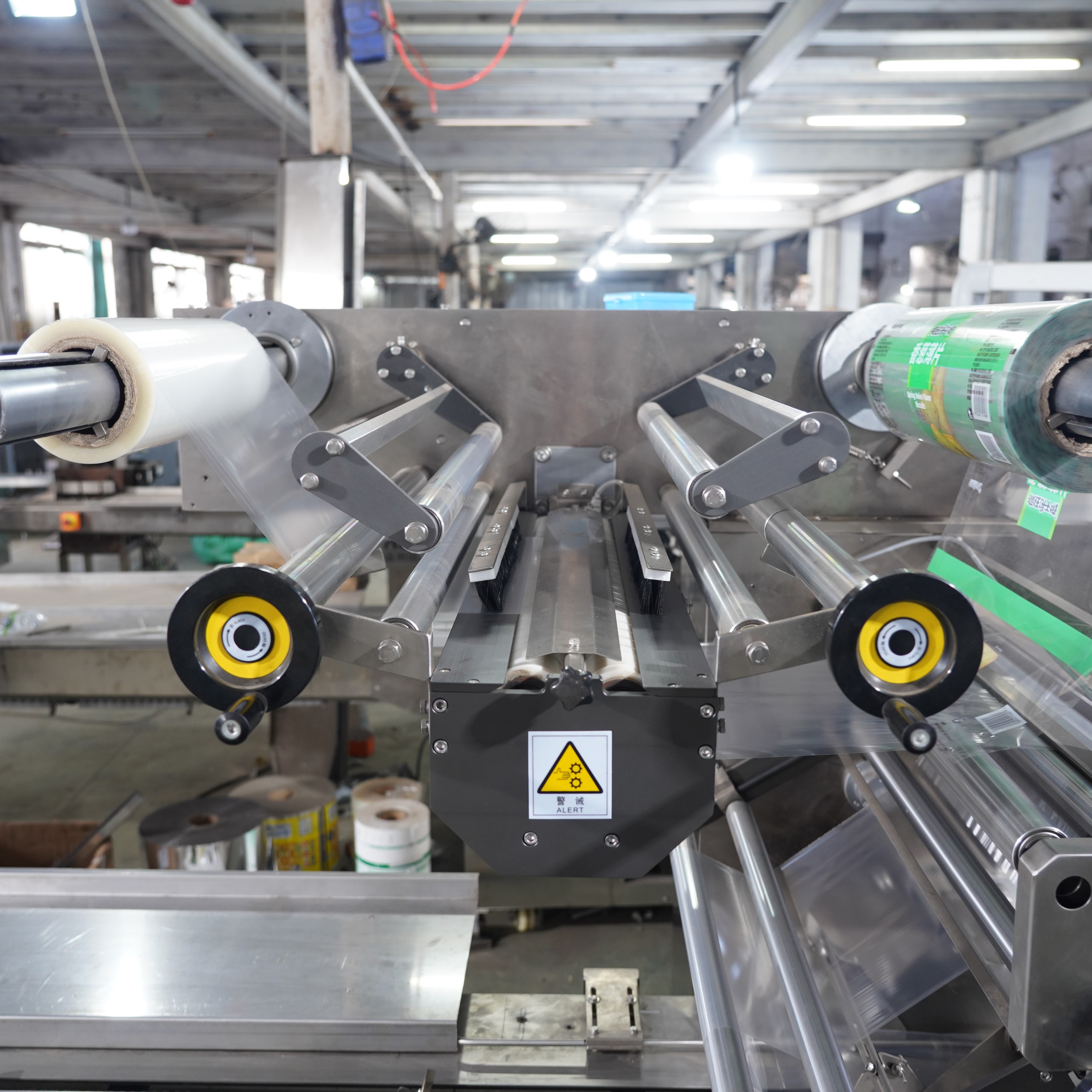
A pillow packing machine represents a critical investment for manufacturers looking to automate their packaging operations. The process of setting up this equipment correctly is essential to ensure smooth production, minimize downtime, and achieve consistent product quality. Whether you are launching a new product line or upgrading your existing packaging infrastructure, understanding the setup process will help you avoid costly delays and optimize your operational efficiency from day one.
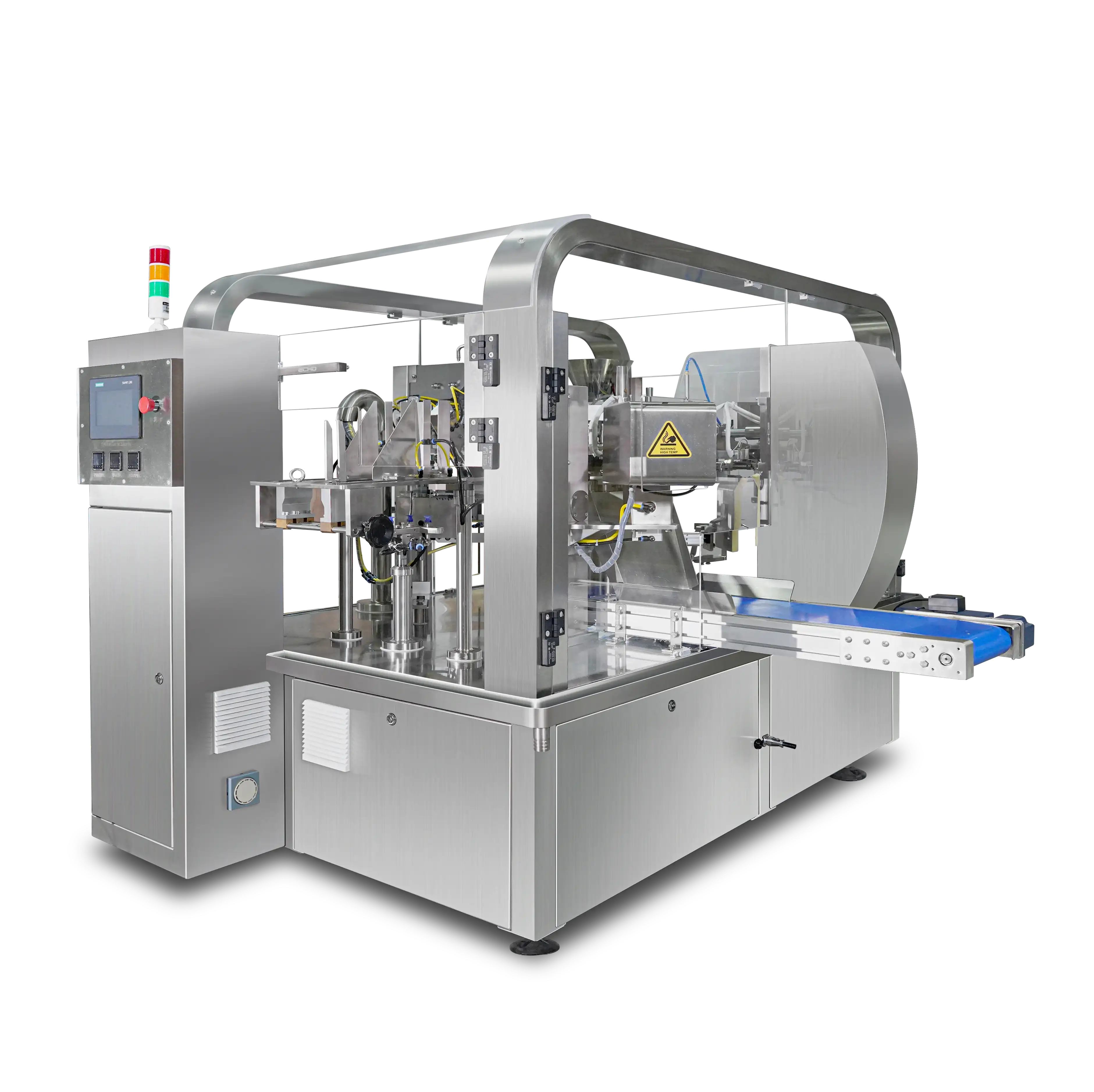
Setting up a pillow packing machine for new products involves multiple interconnected steps that span mechanical assembly, software configuration, and production testing. Each phase of the setup process directly impacts your ability to achieve target output rates and maintain packaging consistency. By following a structured approach and understanding the key components of a pillow packing machine, you can ensure a smooth transition from installation to full-scale production.
Every pillow packing machine consists of several fundamental mechanical components that work together to form, fill, and seal packages. The film feeding system pulls the packaging material from the roll, the cutting mechanism seals and separates individual packages, and the product feeding system introduces your items into the machine. Understanding how these components interact is crucial before attempting to configure your pillow packing machine for production. The servo motors and pneumatic systems that drive your pillow packing machine must be properly aligned and calibrated to ensure precise timing and consistent output.
Modern pillow packing machine units integrate programmable logic controllers and touchscreen interfaces that manage the entire packaging cycle. These systems control film speed, sealing temperature, cutting positions, and product timing. Familiarizing yourself with your pillow packing machine's interface before production begins is essential. The software settings on your pillow packing machine determine everything from the length of each package to the frequency of production cycles, making proper configuration a foundational requirement for success.
Selecting the correct film material is one of the most important decisions when preparing your pillow packing machine for new products. Different products require different film types based on moisture barriers, tensile strength, and seal characteristics. Before loading film into your pillow packing machine, verify that the material width matches the machine specifications and that the roll quality meets your quality standards. Improperly loaded or incompatible film will cause your pillow packing machine to malfunction and produce defective packages, so careful attention to this step is non-negotiable.
Calibration is the process of adjusting your pillow packing machine to ensure that all mechanical components operate in perfect synchronization. Start by checking the film tracking alignment—the material should run straight through the center of the sealing jaws without drifting. Set the sealing temperature on your pillow packing machine to the manufacturer's recommended starting point, then perform test cycles with scrap material to verify seal quality. Temperature adjustments on your pillow packing machine must be made incrementally, as small changes can significantly impact seal strength and appearance.
Your product feeding mechanism must be adjusted to match the dimensions and weight of your new items. The pillow packing machine's product sensor needs to detect each item reliably so that the machine can coordinate filling and sealing timing. If your pillow packing machine includes a bucket elevator or vibratory feeder, these components should be tuned to deliver products at the correct rate without jamming or causing spillage. Testing your product feed system separately before connecting it to your pillow packing machine prevents integration problems that could delay production launch.
Every pillow packing machine operates on a precise cycle timing principle where film advancement, product placement, sealing, and cutting must occur in perfect sequence. Configure the dwell time on your pillow packing machine—the duration the film remains in the sealing jaws—to suit your specific film and product combination. The speed settings on your pillow packing machine should start conservatively and increase gradually as you verify that each cycle produces acceptable packages. Cross-web sealing position, longitudinal sealing position, and cutter timing all depend on correct configuration of your pillow packing machine's internal timing parameters.
Begin production with a trial run using at least one hundred packages to establish a baseline quality standard. Inspect the seal quality, package dimensions, and product centering from your pillow packing machine output. Weak or incomplete seals indicate that your pillow packing machine's sealing temperature or dwell time needs adjustment. If your pillow packing machine produces packages with wrinkling or uneven film, the tracking alignment or film tension may require fine-tuning. Document all settings used during successful test runs so you can return to these configurations if problems arise later.
Improper film threading is the most frequent problem encountered when starting up a pillow packing machine. Ensure that film paths through your pillow packing machine exactly match the manufacturer's diagrams and that all film guides are properly seated. If your pillow packing machine produces crooked packages, the cutting mechanism may be misaligned or the film may be drifting during the sealing process. Leaking seals often result from contamination, incorrect temperature settings, or pressure misadjustment on your pillow packing machine. Address each issue systematically rather than making multiple adjustments simultaneously, as this approach helps you identify which setting change actually resolved the problem.
Setting up a pillow packing machine typically requires two to five days depending on the equipment complexity and your team's experience level. Initial installation and mechanical assembly usually take one to two days, while configuration, calibration, and trial production runs consume the remaining time. Each pillow packing machine model has unique requirements, so consulting the manufacturer's setup documentation specific to your equipment will provide the most accurate timeline for your situation.
After the initial setup period, recalibrate your pillow packing machine whenever you change film types, product dimensions, or packaging specifications. Regular maintenance calibration of your pillow packing machine should occur at least quarterly to ensure that mechanical wear has not affected seal quality or package consistency. Environmental factors like temperature and humidity can also affect how your pillow packing machine performs, so seasonal adjustments are often beneficial.
Always disconnect power to your pillow packing machine before performing any mechanical adjustments or maintenance. Never reach into active sealing or cutting areas while your pillow packing machine is operating. Ensure that all guards and safety interlocks on your pillow packing machine are properly installed and functioning before production begins. Train all operators on the specific safety procedures for your pillow packing machine model and conduct regular safety reviews to maintain awareness of potential hazards.

2026/09/20
Premade Pouch Machines: Reduce Film Waste, Cut TCO & Achieve Faster ROI

2026/09/20
Cut Premade Pouch Machine Changeover Time by 40% with Proven Best Practices

2026/09/20
Premade Pouch Machines: Boost Throughput, Cut Waste & Improve ROI

2026/09/20
Rotary vs Inline Premade Pouch Machines: Speed, ROI & Scalability Compared

2026/09/20
Premade Pouch Machine: Boost Throughput, Cut Labor Costs & Improve Seal Integrity

2026/09/21
Premade Pouch Machine: Pouch Types, Materials & Filling Guide

