 EN
How to Reduce Film Waste with a Premade Pouch Packaging Machine?
2026/09/20
Premade Pouch Machines: Reduce Film Waste, Cut TCO & Achieve Faster ROI

2026/09/22
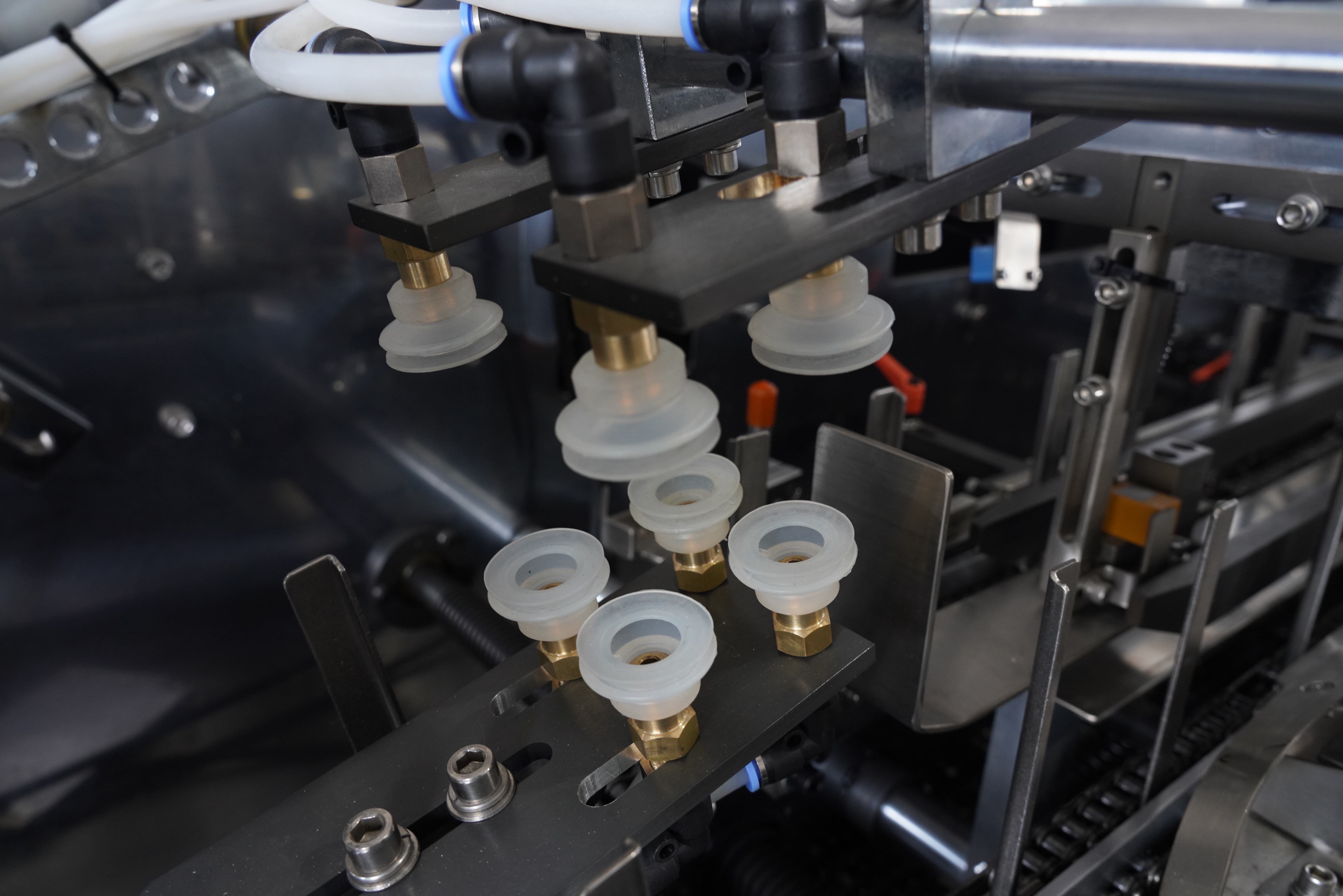
Setting up a vertical packaging machine for new products requires careful planning, precise calibration, and a clear understanding of your product specifications. Whether you are introducing a new item to your production line or transitioning to a different vertical packaging machine, the setup process directly impacts packaging speed, material efficiency, and overall product quality. A properly configured vertical packaging machine ensures consistent sealing, minimal waste, and reliable performance across multiple production runs.
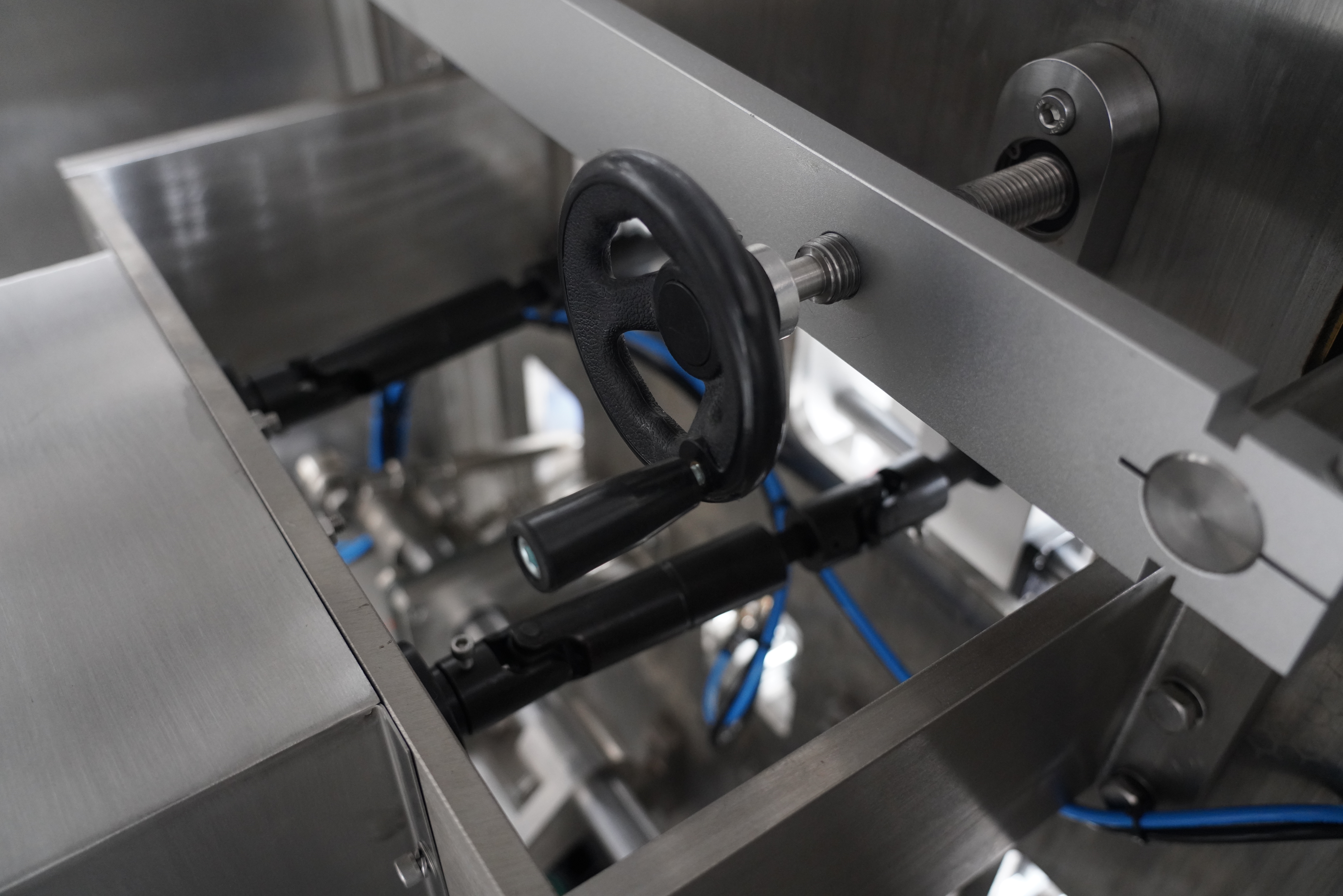
Many manufacturers overlook the importance of thorough setup procedures when installing a vertical packaging machine for new products. Rushing through the initialization phase can lead to seal failures, product contamination, material misalignment, and production delays. This guide walks you through each critical stage of setting up your vertical packaging machine, from initial inspection through test runs and final optimization.
Every vertical packaging machine contains essential mechanical components that work together to form, fill, and seal packages. The film supply system feeds packaging material from a roll into the vertical packaging machine at a controlled speed. The forming tube shapes the film into a tubular form that holds your product. A vertical packaging machine also includes a sealing system that fuses the film edges, a cutting mechanism that separates individual packages, and a product hopper or conveyor that feeds items into the forming tube. Understanding how these parts interact within your vertical packaging machine is fundamental to successful setup.
Modern vertical packaging machines feature programmable logic controllers, touch-screen interfaces, and sensor networks that regulate timing, temperature, and material flow. Before operating your vertical packaging machine, familiarize yourself with the control panel layout, menu structure, and emergency stop procedures. A vertical packaging machine typically stores multiple product profiles that specify film width, fill weight, seal temperature, and cutting positions. Reviewing these preset configurations helps you understand how your vertical packaging machine adapts to different product types and packaging requirements.
Start your vertical packaging machine setup by conducting a thorough physical inspection. Check that all protective covers are in place, electrical connections are secure, and moving parts move freely without grinding or binding. Verify that your vertical packaging machine sits on a level, stable foundation to prevent vibration-related seal defects. Inspect the sealing jaws and cutting blade for wear, corrosion, or damage that could compromise package quality. A vertical packaging machine in good mechanical condition is essential before you proceed with calibration or test production.
The film material you use directly affects how your vertical packaging machine performs. For your new products, select film that matches the specifications recommended in your vertical packaging machine manual, considering thickness, material composition, and barrier properties. Test a small quantity of film on your vertical packaging machine before committing to large production runs. Many operators discover film-related issues during this test phase—such as improper thickness feeding into the vertical packaging machine or incompatibility with sealing temperatures—that would otherwise cause production failures later.
When introducing new products to your vertical packaging machine, you must define several key parameters. Measure the product dimensions, weight, and density to determine the appropriate fill volume and timing intervals for your vertical packaging machine. Calculate the required film width based on product diameter plus overlap for sealing—a critical measurement for any vertical packaging machine. Document the product's temperature sensitivity, moisture content, and shelf-life requirements to determine if your vertical packaging machine needs special film coatings or seal settings. This information becomes the foundation for programming your vertical packaging machine's control system.
Seal temperature is one of the most critical adjustments when setting up a vertical packaging machine for new products. If your vertical packaging machine runs too cold, seals will be weak and packages may leak. If your vertical packaging machine runs too hot, the film may burn, shrink, or release toxic fumes. Begin with the temperature range recommended for your specific film type in your vertical packaging machine manual. Create test seals by running your vertical packaging machine at incremental temperature levels, then perform pull tests to find the optimal temperature range. Once you establish the ideal temperature, your vertical packaging machine will consistently produce reliable seals for your new products.
After configuring your vertical packaging machine, run test cycles without product to verify film feeding, forming, and cutting actions. Observe how the film moves through your vertical packaging machine, watching for any slipping, bunching, or misalignment. Run your vertical packaging machine at reduced speeds initially, gradually increasing to target production speeds. Load products into the hopper and run a small batch—typically 50 to 100 units—through your vertical packaging machine to verify fill accuracy and seal integrity. Inspect sealed packages from your vertical packaging machine test run for consistent appearance, proper seal width, and absence of wrinkles or folds. This methodical approach prevents costly mistakes once full production begins on your vertical packaging machine.
If your vertical packaging machine produces weak seals, check that sealing jaws are properly aligned and making full contact with the film. Horizontal or diagonal wrinkles in packages from your vertical packaging machine suggest improper film tension or guide misalignment. If your vertical packaging machine cuts inconsistently, inspect the blade for dullness or buildup and verify that the cutting mechanism moves smoothly. Many setup problems with a vertical packaging machine stem from using incompatible film, operating outside recommended temperature ranges, or not allowing warm-up time for heaters. Systematically addressing each issue ensures your vertical packaging machine reliably produces quality packages for your new products.
Prepare detailed product specifications including dimensions, weight, and material composition. Gather your vertical packaging machine manual, maintenance logs, and any previous setup records for similar products. Document film supplier information, including material certifications and approved thickness ranges for your vertical packaging machine. Having this documentation organized before you begin setup ensures quick reference and reduces downtime during calibration of your vertical packaging machine.
A complete setup of a vertical packaging machine for new products typically requires four to eight hours, depending on machine complexity and product familiarity. Initial inspection and mechanical verification take one to two hours on your vertical packaging machine. Configuration and calibration usually require two to three hours. Test runs and troubleshooting can take another two to three hours. If you encounter unexpected issues, your vertical packaging machine setup may extend longer, so schedule extra time for thorough validation before committing to production.
While general principles apply across brands, you should not assume that settings transfer directly between different vertical packaging machine models. Each vertical packaging machine has unique mechanical geometry, heating elements, and control responsiveness. Test your settings on the new vertical packaging machine starting with manufacturer-recommended baselines rather than copying from your previous machine. Even minor differences in the forming tube diameter or seal jaw design can require significant adjustments to your vertical packaging machine settings for the same product.

2026/09/20
Premade Pouch Machines: Reduce Film Waste, Cut TCO & Achieve Faster ROI

2026/09/20
Cut Premade Pouch Machine Changeover Time by 40% with Proven Best Practices

2026/09/20
Premade Pouch Machines: Boost Throughput, Cut Waste & Improve ROI

2026/09/20
Rotary vs Inline Premade Pouch Machines: Speed, ROI & Scalability Compared

2026/09/20
Premade Pouch Machine: Boost Throughput, Cut Labor Costs & Improve Seal Integrity

2026/09/21
Premade Pouch Machine: Pouch Types, Materials & Filling Guide

