 EN
How to Reduce Film Waste with a Premade Pouch Packaging Machine?
2026/09/20
Premade Pouch Machines: Reduce Film Waste, Cut TCO & Achieve Faster ROI

2026/09/29
Production downtime caused by faulty or missing pack machine components can cost industrial operations thousands of dollars per hour. Whether you operate a small packaging facility or manage a large-scale production line, knowing how to source pack machine parts efficiently is critical to maintaining operational continuity. The challenge lies not just in finding replacement components, but in securing them quickly without interrupting your workflow or exhausting your budget.
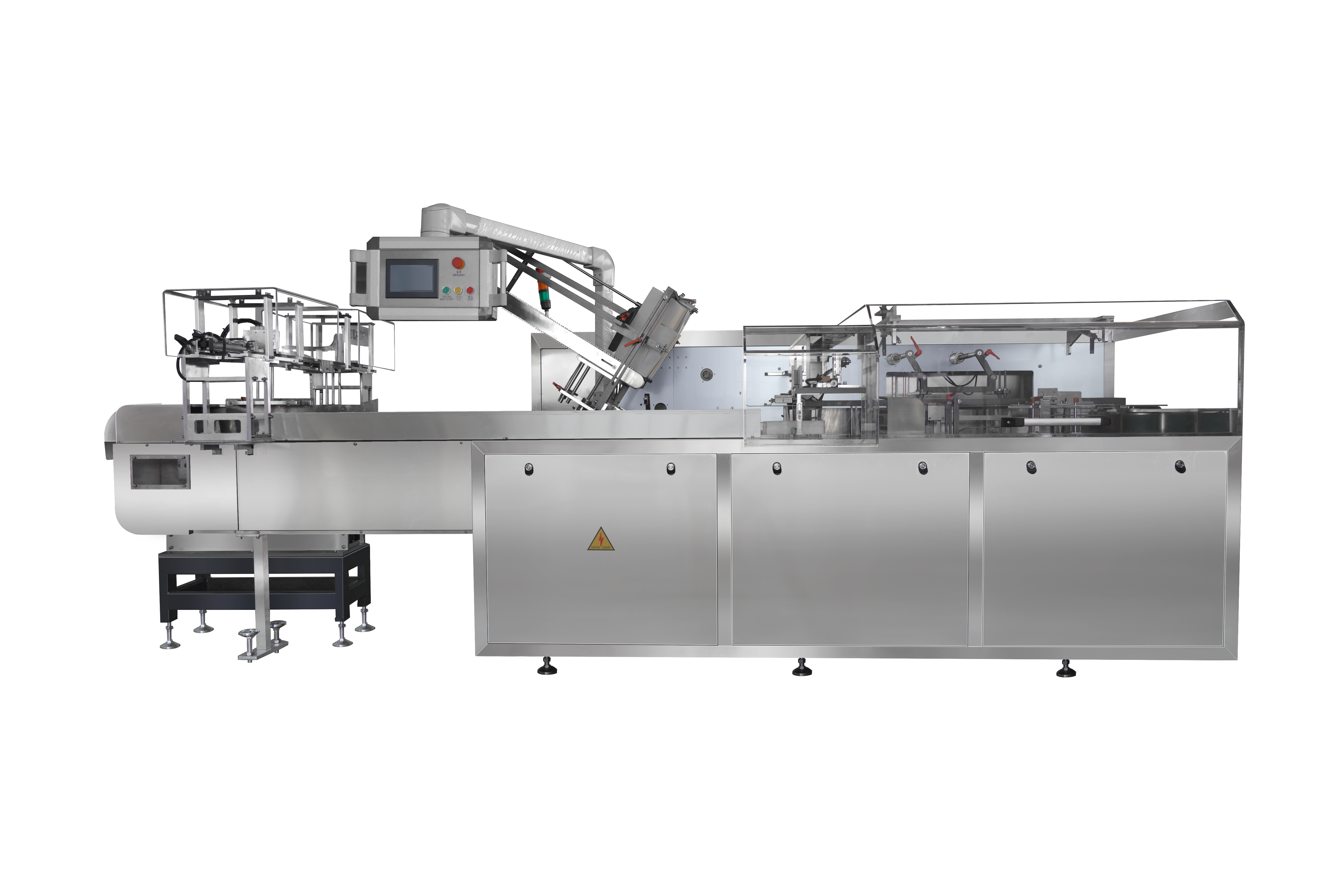
This article explores practical strategies for sourcing pack machine parts without unnecessary downtime. By implementing the right procurement practices and building reliable supplier relationships, you can maintain consistent production output while ensuring your pack machine operates at peak performance. Understanding your options and planning ahead transforms parts replacement from a crisis into a manageable operational task.
Every pack machine contains dozens of wear-prone components that eventually require replacement. Belts, motors, seals, actuators, and control panels are among the most commonly replaced parts. To source pack machine parts without downtime, begin by documenting your equipment configuration in detail. Create a comprehensive inventory list that includes part numbers, specifications, suppliers, and average replacement cycles for each critical component on your pack machine.
Understanding which pack machine parts fail most frequently allows you to maintain safety stock of high-rotation items. This proactive approach means you keep essential components on hand before they break, reducing emergency sourcing pressure. Many production facilities maintain a buffer of 15 to 30 percent extra stock for critical pack machine parts that have predictable wear patterns.
Condition monitoring and predictive maintenance analytics help identify when pack machine parts are likely to fail before they cause a breakdown. By tracking performance metrics such as motor current, vibration levels, temperature, and cycle counts, you can schedule replacements during planned maintenance windows rather than during crisis situations. This approach allows you to source pack machine parts in advance, ensuring availability when needed.
Documenting the replacement history of your pack machine creates a reliable reference for forecasting future needs. If specific parts on your pack machine typically last 18 months before replacement, scheduling the order at month 16 gives you time to source pack machine parts without disrupting production schedules.
Relying on a single supplier for pack machine parts creates vulnerability to stock-outs and shipping delays. Instead, develop relationships with at least two qualified suppliers capable of delivering the specific components your pack machine requires. When evaluating suppliers for pack machine parts, assess their lead times, inventory levels, technical support quality, and pricing transparency.
Request detailed catalogs and technical specifications from each supplier to verify they stock genuine pack machine parts compatible with your equipment. Establish service level agreements that commit suppliers to specific delivery windows and stock availability. A robust network of pack machine parts suppliers ensures that if one vendor experiences delays, alternatives remain available to keep your production line moving.
Once you identify reliable suppliers, negotiate volume-based pricing for pack machine parts over a 12 to 24-month period. These agreements typically offer cost savings of 10 to 25 percent while securing consistent availability. For the most critical components of your pack machine, explore consignment arrangements where the supplier maintains stock at your facility until parts are actually used.
Consignment models eliminate upfront capital investment for pack machine parts while guaranteeing immediate access during emergencies. Your facility becomes a de facto warehouse for time-sensitive pack machine components, drastically reducing response time when replacements are needed. This arrangement aligns supplier incentives with your production continuity, creating a partnership rather than a transactional relationship.
Despite best planning efforts, unexpected failures sometimes require emergency sourcing of pack machine parts. Develop a documented emergency protocol that identifies decision authorities, contact procedures, backup suppliers, and expedited shipping options. Train production supervisors and maintenance staff on the protocol so anyone can initiate emergency pack machine parts procurement immediately when a critical failure occurs.
This protocol should include pre-authorized purchasing limits, emergency supplier contact information, and pre-negotiated expedited shipping costs. When a pack machine breaks down, every minute of delay compounds your financial losses. A streamlined emergency process for sourcing pack machine parts can reduce sourcing time from days to hours, minimizing production impact significantly.
Modern digital sourcing platforms connect you with multiple vendors of pack machine parts simultaneously, accelerating availability verification and pricing comparison. These platforms often provide real-time inventory visibility, allowing you to source pack machine parts with confidence that stock exists before submitting orders. Advanced systems send automatic notifications when preferred suppliers list new stock or announce price changes on your commonly ordered pack machine components.
Real-time tracking systems allow you to monitor shipment status of ordered pack machine parts from supplier warehouse to your receiving dock. This visibility enables better coordination with production schedules and reduces the likelihood of surprises. When you can track pack machine parts in transit, you can plan maintenance windows more precisely and communicate accurate downtime estimates to customers and stakeholders.
Lead times for pack machine parts vary significantly based on component type, supplier location, and current market conditions. Standard pack machine parts typically require 5 to 15 business days for delivery from established domestic suppliers. Specialized or custom pack machine parts may require 3 to 6 weeks. Emergency expedited shipping can reduce this timeline to 24 to 48 hours but at significant premium cost. Establishing relationships with local suppliers can shorten lead times for routine pack machine parts to next-day delivery in many cases.
The optimal inventory level for pack machine parts depends on your production volume, equipment criticality, and budget constraints. Most facilities maintain 15 to 30 percent extra stock of high-wear pack machine parts that experience predictable failure cycles. For lower-wear components or those with long lead times, maintaining 50 to 100 percent safety stock ensures continuous availability. The investment in pack machine parts inventory should be weighed against the cost of production downtime, which typically justifies maintaining substantial buffer stock.
Using aftermarket or generic pack machine parts presents cost and reliability trade-offs. While aftermarket pack machine parts may cost 20 to 40 percent less than original components, quality and performance consistency can vary significantly. Most manufacturers recommend original or certified pack machine parts for warranty compliance and optimal performance. A balanced approach involves using original pack machine parts for critical components affecting product quality or equipment safety, while considering quality-certified aftermarket pack machine parts for less critical, wear-resistant items where performance impact is minimal.

2026/09/20
Premade Pouch Machines: Reduce Film Waste, Cut TCO & Achieve Faster ROI

2026/09/20
Cut Premade Pouch Machine Changeover Time by 40% with Proven Best Practices

2026/09/20
Premade Pouch Machines: Boost Throughput, Cut Waste & Improve ROI

2026/09/20
Rotary vs Inline Premade Pouch Machines: Speed, ROI & Scalability Compared

2026/09/20
Premade Pouch Machine: Boost Throughput, Cut Labor Costs & Improve Seal Integrity

2026/09/21
Premade Pouch Machine: Pouch Types, Materials & Filling Guide

