 EN
How to Reduce Film Waste with a Premade Pouch Packaging Machine?
2026/09/20
Premade Pouch Machines: Reduce Film Waste, Cut TCO & Achieve Faster ROI

2026/10/07
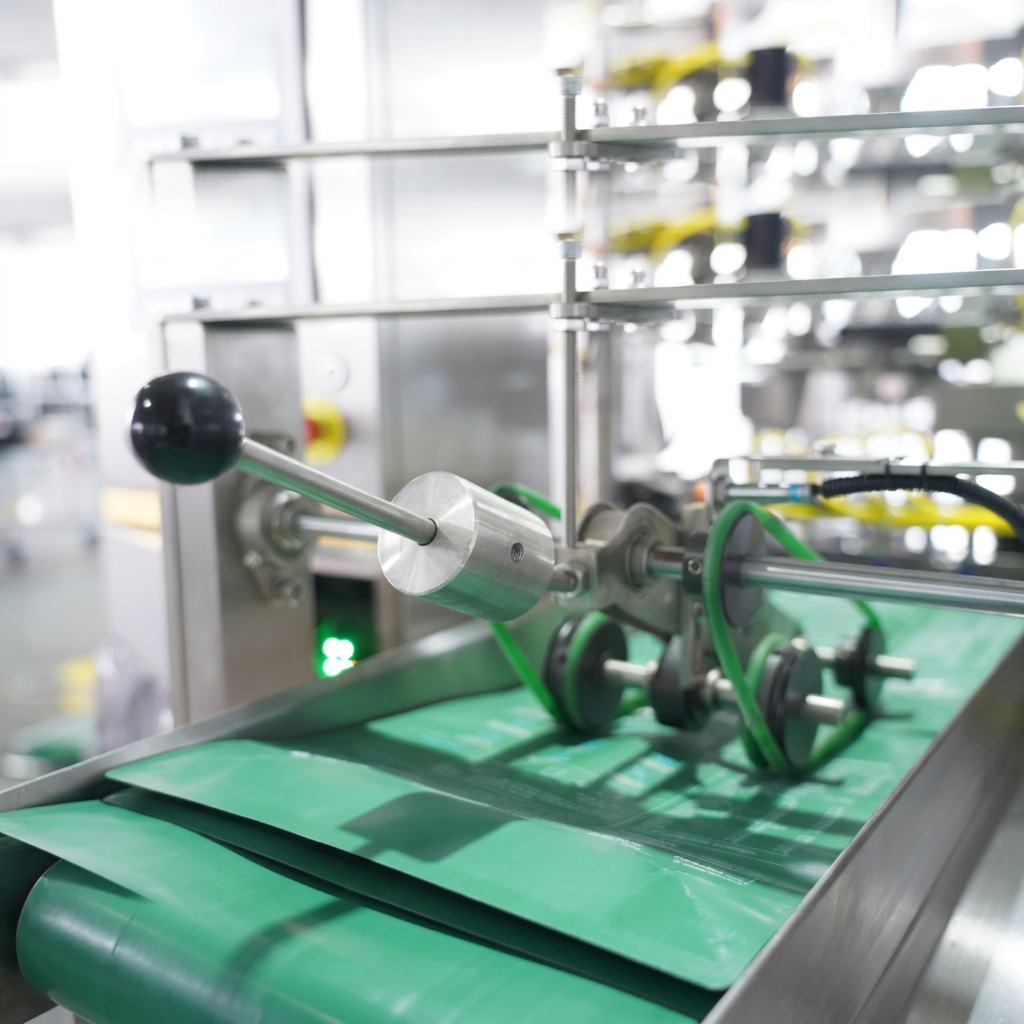
Selecting the right rotary vacuum packing machine for export operations requires careful attention to multiple technical and operational factors. Whether you are packaging food products, industrial components, or pharmaceutical items, the specifications you choose will directly impact production efficiency, product quality, and compliance with international shipping standards. Export markets demand consistent packaging performance, extended shelf life preservation, and adherence to stringent quality benchmarks. Understanding how to specify a rotary vacuum packing machine ensures your facility can meet customer expectations while maintaining competitive production costs. This guide walks you through the essential specification criteria, helping you make an informed decision that aligns with your export objectives.
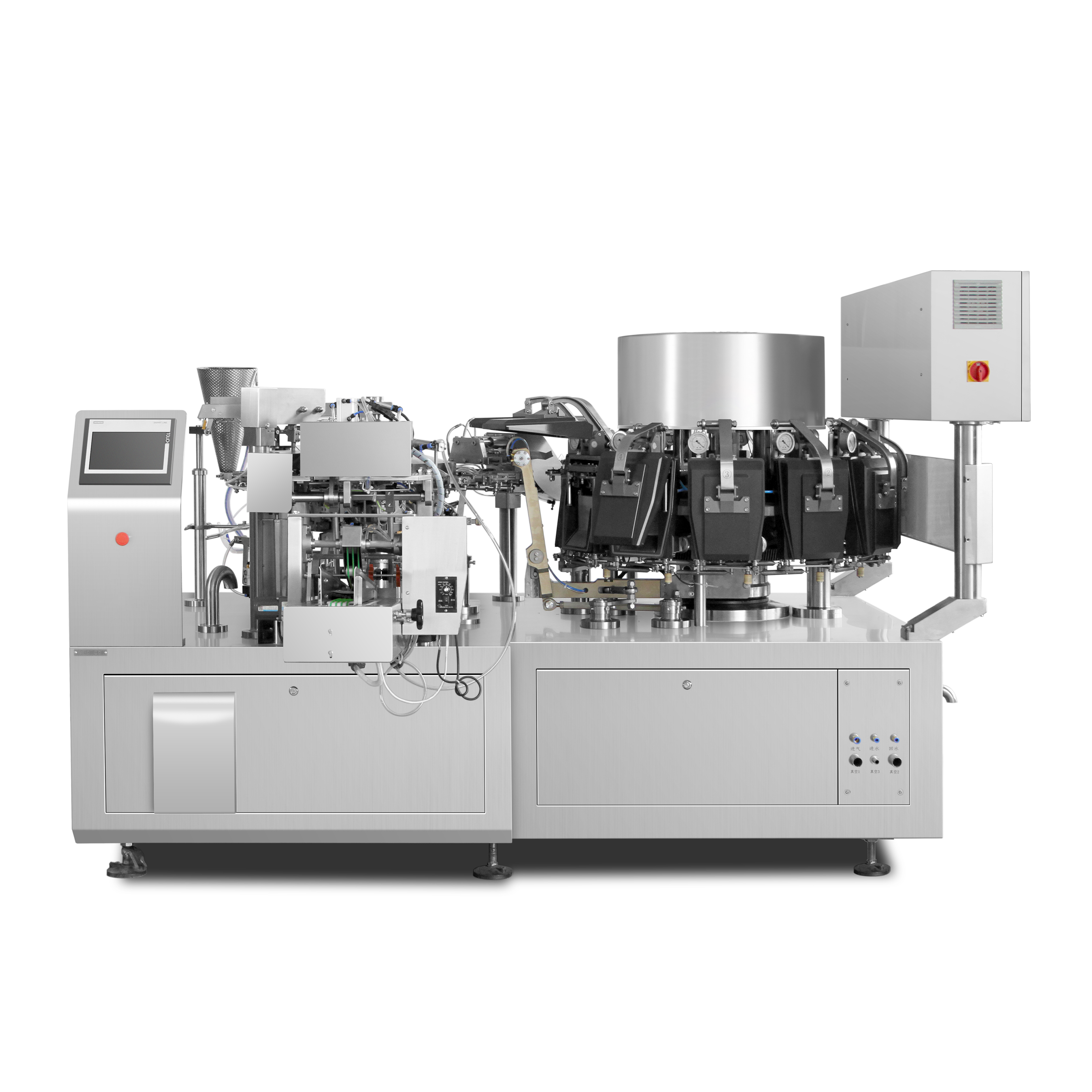
A rotary vacuum packing machine operates by creating a controlled vacuum environment inside the sealing chamber, then applying heat to compress and seal the packaging material. For export applications, you need to evaluate both the mechanical capabilities and the design features that support international regulatory compliance. The machine's throughput capacity must match your production volume, while its precision controls must guarantee repeatable results across different product types and ambient conditions. Choosing the correct rotary vacuum packing machine specification prevents costly production delays and ensures your exported products arrive in pristine condition.
The vacuum chamber dimension is the foundation of your rotary vacuum packing machine selection. Export operations typically require higher throughput than domestic markets, making chamber size a critical specification. A rotary vacuum packing machine with a larger chamber accommodates bigger product formats and allows simultaneous processing of multiple packages. You should verify that the vacuum pump capacity aligns with your target cycle time. If you plan to export large quantities, specifying a rotary vacuum packing machine with dual-chamber design or continuous feed capability significantly boosts productivity. The sealing bar width determines the maximum bag width your rotary vacuum packing machine can process, so this specification must accommodate your primary product packaging dimensions.
Vacuum strength directly affects how tightly a rotary vacuum packing machine removes air from packages, influencing both shelf life and product appearance. Export markets often require vacuum levels of 85 to 95 percent, depending on product sensitivity and destination climate. When you specify a rotary vacuum packing machine, confirm that its vacuum pump delivers sufficient kilowatts and produces the atmospheric pressure reduction your products require. Pressure control precision ensures that delicate products are not crushed during evacuation. A rotary vacuum packing machine featuring adjustable vacuum timing and intensity settings allows you to fine-tune performance for different product types without purchasing multiple units. This flexibility is especially valuable when exporting diverse product categories to multiple regions.
Modern rotary vacuum packing machine models include programmable logic controllers that store recipes for different products. When specifying a rotary vacuum packing machine for export, prioritize units with intuitive touchscreen interfaces that reduce operator training time and minimize human error. Export facilities operating across multiple time zones benefit from rotary vacuum packing machine units that support remote monitoring and diagnostics. The control system should allow you to adjust vacuum curve, dwell time, and cooling duration without requiring technical expertise. A rotary vacuum packing machine with data logging capabilities creates an audit trail proving compliance with export certification standards. Ensure your rotary vacuum packing machine specification includes connectivity options for integration with existing production management systems.
Export-grade rotary vacuum packing machine units must accommodate various bag materials including polyethylene, polypropylene, aluminum foil composites, and specialized barrier films. Verify that your rotary vacuum packing machine specification covers the thickness range of bags you intend to use, as different markets often prefer specific material gauges. Hygienic design becomes paramount when packaging food or pharmaceutical products destined for export markets with strict safety regulations. A rotary vacuum packing machine with easily removable and cleanable chamber components prevents cross-contamination between product runs. Stainless steel construction protects your rotary vacuum packing machine from corrosion in humid processing environments and meets food-contact material requirements in most export destinations.
Export orders often come with tight delivery windows, making cycle time a crucial rotary vacuum packing machine specification. Standard rotary vacuum packing machine models complete full vacuum-seal-cool cycles in 10 to 30 seconds per package, depending on bag size and vacuum intensity. You should calculate your required packages-per-hour output and select a rotary vacuum packing machine that provides 15 to 20 percent capacity headroom for variations in product dimensions and material types. High-speed rotary vacuum packing machine variants designed specifically for export operations can process 60 to 120 bags per minute on continuous feed systems. Before finalizing your rotary vacuum packing machine specification, run production trials with your actual export packaging to confirm advertised cycle times under real operating conditions.
Export-destination countries enforce specific packaging and machinery standards, so your rotary vacuum packing machine specification must align with applicable regulations. The rotary vacuum packing machine should comply with CE marking requirements if you export to European Union markets, and meet equipment safety standards in your destination regions. When you specify a rotary vacuum packing machine, confirm that the manufacturer provides technical documentation, spare parts availability, and after-sales support in regions where your exports are headed. Some export markets require energy efficiency certifications, so verify your rotary vacuum packing machine meets power consumption benchmarks. A rotary vacuum packing machine with comprehensive documentation packages simplifies customs clearance and demonstrates regulatory compliance to international buyers inspecting your facility.
Your facility's electrical infrastructure must support the rotary vacuum packing machine you specify. Most rotary vacuum packing machine units for export use require 3-phase power supplies and draw 5 to 15 kilowatts during operation. Calculate your facility's available power budget and confirm that your rotary vacuum packing machine specification aligns with existing infrastructure before installation. Space constraints often limit rotary vacuum packing machine selection in export facilities with densely packed production lines. Measure your available floor footprint and confirm that the footprint of your chosen rotary vacuum packing machine allows proper operator access and maintenance clearance. If space is limited, consider compact rotary vacuum packing machine designs that combine vacuum and sealing functions in a smaller profile.
Export operations cannot tolerate extended machine downtime, making reliability a primary rotary vacuum packing machine specification factor. A quality rotary vacuum packing machine should deliver 5,000 to 10,000 operating hours between major maintenance intervals. Verify that your chosen rotary vacuum packing machine model has a documented service history and that replacement components are readily available through authorized distributors. The manufacturer should provide preventive maintenance schedules and training resources to maximize rotary vacuum packing machine lifespan. Long-term parts availability ensures your rotary vacuum packing machine remains functional throughout its operational life. Before committing to a rotary vacuum packing machine purchase, review customer references and case studies from similar export facilities operating comparable equipment.
Export products typically require vacuum levels between 85 and 95 percent atmospheric removal, depending on product type and destination climate. Perishable exports often need stronger vacuum to extend shelf life during lengthy international shipping. Your rotary vacuum packing machine specification should allow adjustable vacuum settings to accommodate different product categories without requiring separate equipment purchases.
Estimate your annual export volume and divide by available production days and hours to calculate required packages per hour. Select a rotary vacuum packing machine with capacity 15 to 20 percent above this baseline to account for product variations and maintenance downtime. A properly sized rotary vacuum packing machine prevents bottlenecks while maintaining consistent quality throughout extended production runs.
Your rotary vacuum packing machine should meet CE safety standards for European Union exports and comply with equipment regulations in your destination markets. Verify that the rotary vacuum packing machine manufacturer provides technical documentation proving compliance with relevant machinery directives. Food export markets may require additional certifications confirming that your rotary vacuum packing machine meets hygiene and material-contact standards in destination countries.

2026/09/20
Premade Pouch Machines: Reduce Film Waste, Cut TCO & Achieve Faster ROI

2026/09/20
Cut Premade Pouch Machine Changeover Time by 40% with Proven Best Practices

2026/09/20
Premade Pouch Machines: Boost Throughput, Cut Waste & Improve ROI

2026/09/20
Rotary vs Inline Premade Pouch Machines: Speed, ROI & Scalability Compared

2026/09/20
Premade Pouch Machine: Boost Throughput, Cut Labor Costs & Improve Seal Integrity

2026/09/21
Premade Pouch Machine: Pouch Types, Materials & Filling Guide

