 EN
How to Reduce Film Waste with a Premade Pouch Packaging Machine?
2026/09/20
Premade Pouch Machines: Reduce Film Waste, Cut TCO & Achieve Faster ROI

2026/10/21
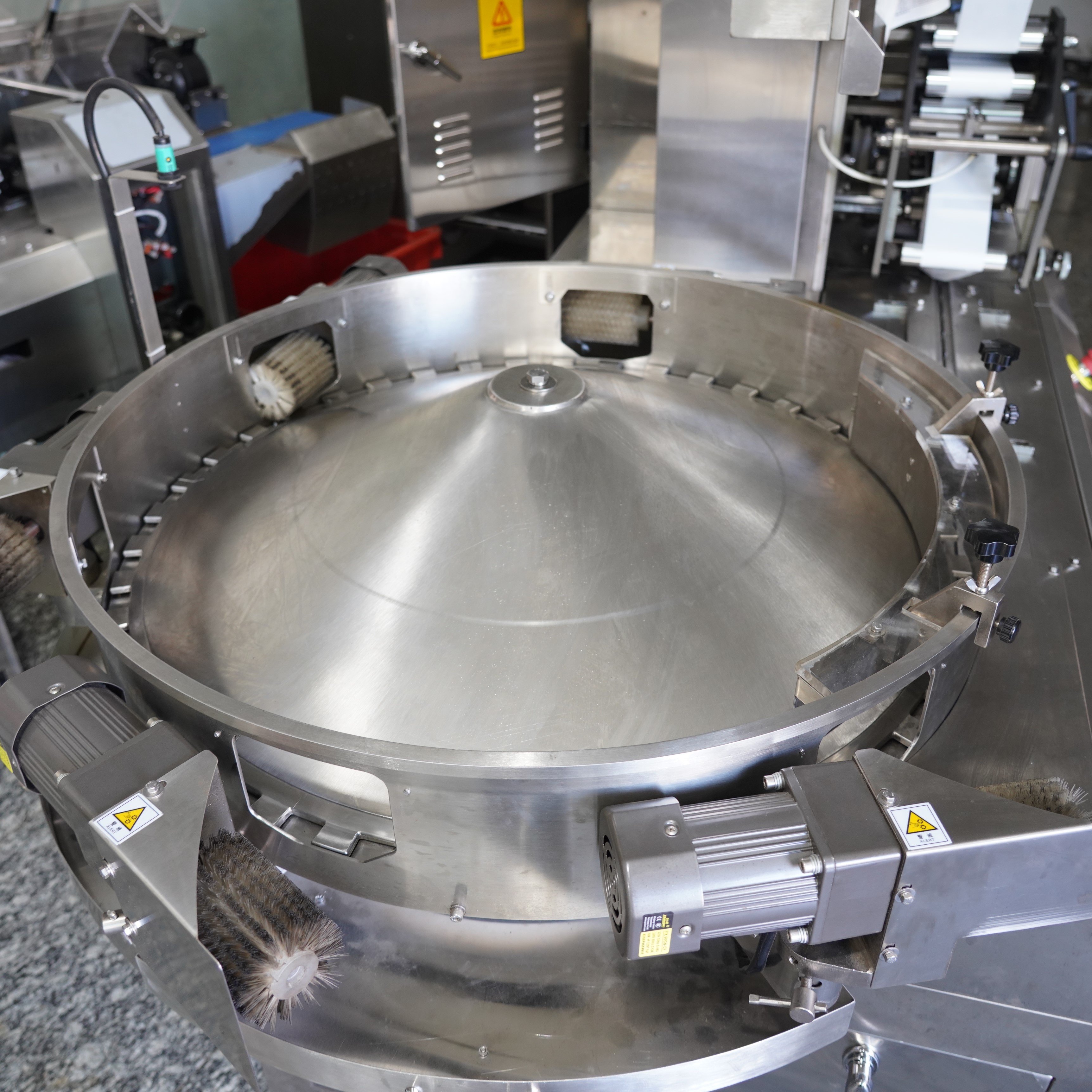
Testing seal strength on a flow wrap machine is one of the most critical quality control procedures in modern packaging operations. A weak seal can compromise product integrity, reduce shelf life, and damage brand reputation, making proper seal strength testing essential for manufacturers who depend on the flow wrap machine to deliver consistent, reliable packaging. Understanding how to test seal strength correctly ensures your flow wrap machine meets industry standards and protects your products from contamination, moisture, and oxidation throughout their distribution cycle.
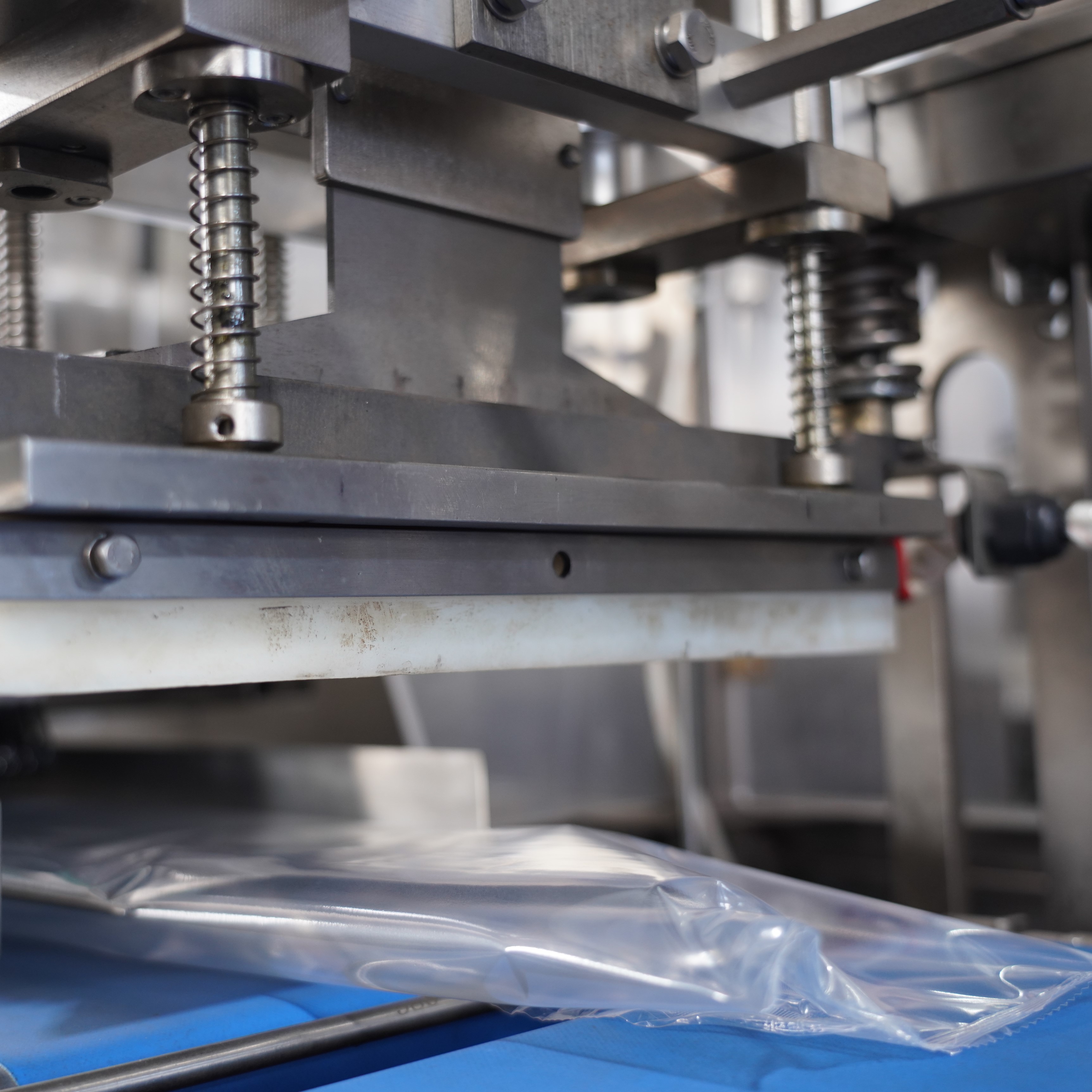
The flow wrap machine represents a significant investment in your packaging line, and maintaining its sealing performance directly impacts your bottom line. Poor seal strength can lead to product recalls, customer complaints, and regulatory violations. By implementing a systematic testing protocol for your flow wrap machine, you ensure that every sealed package meets specifications and maintains product quality from the manufacturing facility to the end consumer.
Seal strength represents the force required to open or separate a sealed film created by your flow wrap machine. This measurement directly correlates with package integrity and product protection. The flow wrap machine must consistently produce seals that exceed minimum strength requirements while remaining easy enough for consumers to open without excessive force. Different products require different seal strength specifications based on their weight, shelf life requirements, and storage conditions.
Most industries reference ASTM F88 standards for seal strength testing, which your flow wrap machine should comply with. These standards define how to measure peel strength, burst strength, and hot tack strength in sealed films. Understanding which parameters matter most for your specific application helps you configure your flow wrap machine correctly and identify when maintenance or adjustments are necessary. The flow wrap machine manufacturer typically provides baseline specifications that guide your testing protocols.
Peel strength testing is the most common method for evaluating flow wrap machine performance. This procedure involves taking sealed samples from your flow wrap machine and using a tensile testing instrument to pull apart the seal at a controlled angle, typically 90 degrees or 180 degrees. The maximum force required to separate the seal is measured in newtons or pounds per inch. Your flow wrap machine should produce seals that consistently achieve the target peel strength range without variation, indicating proper heat, pressure, and dwell time settings.
Hot tack testing evaluates seal strength immediately after the flow wrap machine seals the package, before the seal fully cools. This test is critical because seals can be weak initially and strengthen as they cool. Your flow wrap machine must allow sufficient cooling time to develop adequate strength. Burst testing applies internal pressure to sealed samples from your flow wrap machine until they rupture, measuring the film's ability to contain product under stress. These tests ensure your flow wrap machine creates durable seals capable of withstanding handling, shipping, and storage conditions.
Establish a consistent sampling schedule for your flow wrap machine to detect performance changes early. Most manufacturers test at least five samples per hour from their flow wrap machine, with additional samples taken when changing products, film types, or after any maintenance. This frequency provides enough data points to identify trends while remaining practical for daily operations. Your flow wrap machine testing schedule should align with production volume and product risk levels, with more frequent testing for critical applications or new products.
Document all test results from your flow wrap machine in a database that tracks seal strength over time. This data reveals patterns that correlate with environmental factors, maintenance intervals, or material changes. When your flow wrap machine produces seals below specification, systematic troubleshooting typically addresses temperature calibration, pressure adjustment, or seal jaw dwell time. Common causes of weak seals on a flow wrap machine include insufficient heat application, inadequate dwell time, contaminated seal jaws, or incorrect film specifications. Your flow wrap machine operator should understand how each adjustment affects final seal quality to enable rapid corrective action.
Regular maintenance directly impacts your flow wrap machine's ability to produce consistent seal strength. Inspect seal jaws for wear, contamination, or buildup that reduces thermal transfer efficiency. Clean the seal jaws according to manufacturer recommendations, as even minor deposits can affect the performance of your flow wrap machine. Calibrate temperature sensors periodically to ensure your flow wrap machine applies the correct heat. Replace worn components before they cause seal strength degradation, as preventive maintenance costs far less than dealing with product failures or recalls caused by weak seals from an under-maintained flow wrap machine.
Implement statistical process control methods to monitor your flow wrap machine seal strength trends over time. Calculate control limits based on historical data from your flow wrap machine, and flag results that fall outside normal variation. This approach identifies gradual degradation before seals actually fail, allowing you to maintain tighter control over your flow wrap machine performance. Trending data helps distinguish between normal variation and changes requiring intervention, improving the overall reliability of your flow wrap machine.
Different film materials respond differently to your flow wrap machine's heat and pressure settings. Test new film suppliers with your flow wrap machine before full production runs to verify that seal strength meets specifications. Environmental factors such as humidity and temperature in the manufacturing facility also affect how your flow wrap machine performs. High humidity can reduce seal strength, while excessive heat may cause film degradation. Monitor environmental conditions in your facility and adjust your flow wrap machine settings accordingly to maintain consistent seal quality.
Most manufacturers test their flow wrap machine at least once per production shift, with sampling intervals as frequent as every hour for critical applications. Your specific testing frequency should depend on production volume, product importance, and regulatory requirements. Increase testing frequency when your flow wrap machine starts running new products, after maintenance, or if previous samples showed marginal results. Document your testing schedule and maintain consistency to establish meaningful baselines for your flow wrap machine performance.
The optimal temperature for your flow wrap machine depends on the specific film material you are using. Consult your film supplier's technical specifications and your flow wrap machine manufacturer's guidelines for recommended settings. Typically, seal temperatures range from 100 to 180 degrees Celsius. Start with manufacturer recommendations and conduct test runs to identify the temperature that produces consistent seal strength on your flow wrap machine without damaging the film or creating weak seals.
A passing test for your flow wrap machine means the sealed sample requires the minimum specified force to separate, typically measured in newtons per inch. The seal should fail before the film tears, demonstrating that the adhesion created by your flow wrap machine is stronger than the film itself. All test samples from your flow wrap machine should fall within an acceptable range around your target specification, with no outliers indicating inconsistent sealing. Consistent results across multiple samples confirm your flow wrap machine is operating reliably.

2026/09/20
Premade Pouch Machines: Reduce Film Waste, Cut TCO & Achieve Faster ROI

2026/09/20
Cut Premade Pouch Machine Changeover Time by 40% with Proven Best Practices

2026/09/20
Premade Pouch Machines: Boost Throughput, Cut Waste & Improve ROI

2026/09/20
Rotary vs Inline Premade Pouch Machines: Speed, ROI & Scalability Compared

2026/09/20
Premade Pouch Machine: Boost Throughput, Cut Labor Costs & Improve Seal Integrity

2026/09/21
Premade Pouch Machine: Pouch Types, Materials & Filling Guide

