EN
How to Reduce Film Waste with a Premade Pouch Packaging Machine?
2026/09/20
Premade Pouch Machines: Reduce Film Waste, Cut TCO & Achieve Faster ROI

2026/10/06
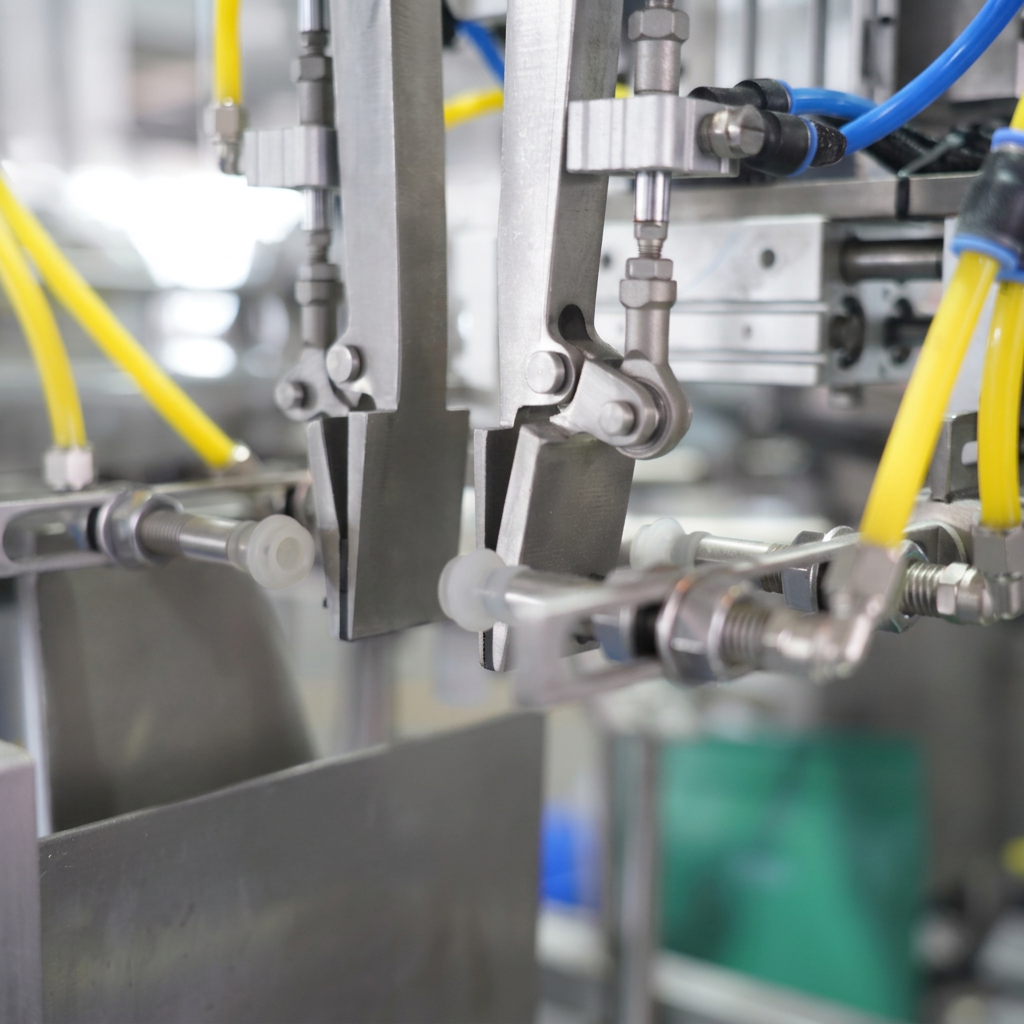
A rotary vacuum packing machine represents one of the most critical investments in any modern packaging operation, and understanding how to properly test its vacuum strength is essential for maintaining consistent product quality and shelf life. The vacuum seal created by a rotary vacuum packing machine directly determines whether your products remain fresh, protected from contamination, and market-ready throughout their entire distribution lifecycle. Without proper vacuum strength testing protocols, you risk compromised seals, product spoilage, and potential customer dissatisfaction that could damage your brand reputation and operational efficiency.
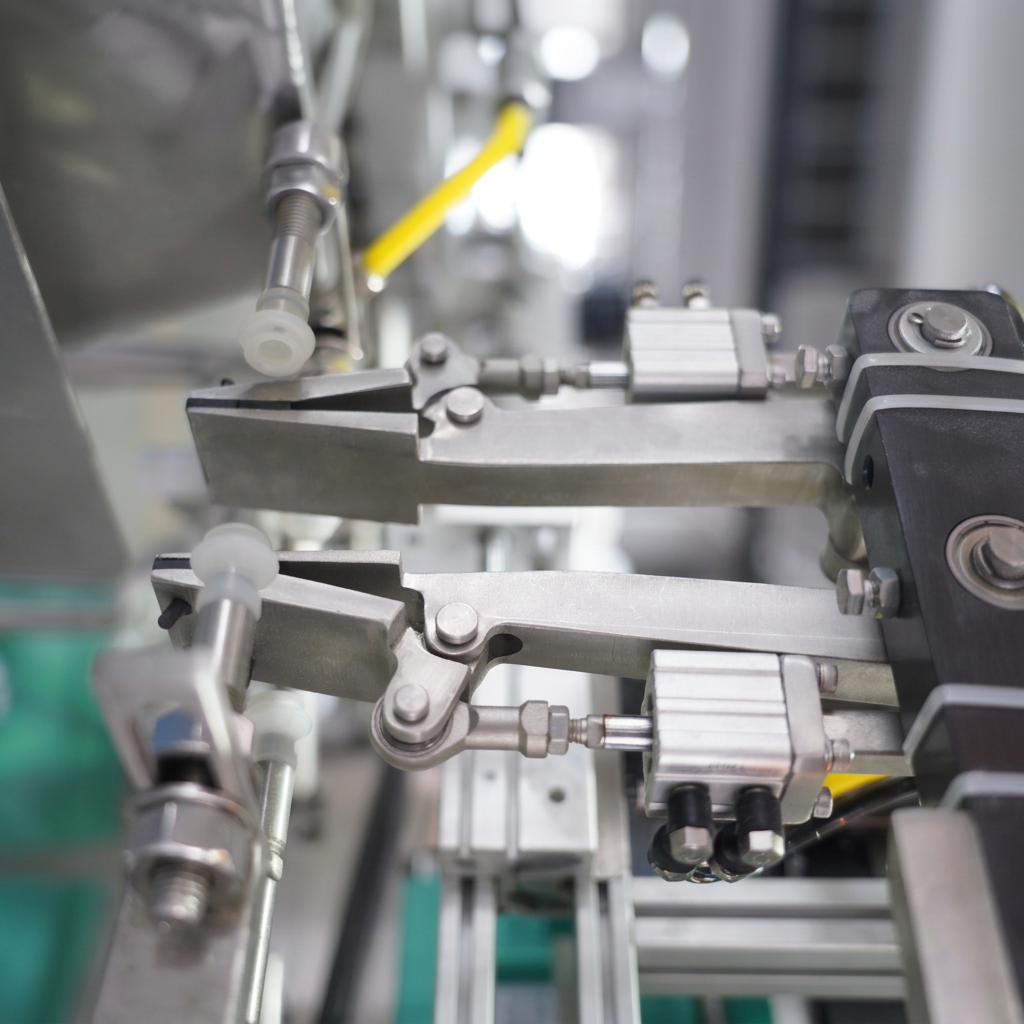
Testing the vacuum strength of your rotary vacuum packing machine is not optional maintenance—it is a fundamental quality control requirement that ensures every package leaving your facility meets your established standards. This comprehensive guide walks you through the essential testing methods, equipment requirements, and interpretation techniques that will help you identify vacuum strength issues before they affect your products in the field. By implementing systematic vacuum testing protocols on your rotary vacuum packing machine, you gain measurable confidence in your packaging integrity and can establish reliable baselines for ongoing performance monitoring.
Vacuum strength refers to the residual air pressure inside the sealed package created by your rotary vacuum packing machine, typically measured in kilopascals or millibars. A rotary vacuum packing machine with proper vacuum strength removes approximately 95 to 99 percent of oxygen from the package chamber, creating an environment that significantly extends product shelf life while preventing microbial growth and oxidation. The effectiveness of your rotary vacuum packing machine depends directly on achieving consistent vacuum levels that match your product requirements—foods like meats, cheeses, and prepared meals each demand different vacuum strength parameters to maintain optimal freshness and safety.
Your rotary vacuum packing machine can develop leaks, valve malfunctions, or seal degradation over time that reduce actual vacuum levels without obvious visual signs. If your rotary vacuum packing machine is not tested regularly, you may ship compromised packages for weeks or months before the failure becomes apparent through customer returns or spoilage reports. Proactive vacuum strength testing on your rotary vacuum packing machine identifies performance drift early, allowing you to schedule maintenance before failures compromise your entire product batch and create costly disruptions.
The most direct approach to testing vacuum strength involves connecting a calibrated digital pressure gauge directly to your rotary vacuum packing machine's vacuum chamber during operation. This test method measures the absolute pressure inside the chamber as your rotary vacuum packing machine completes its vacuum cycle, typically requiring 2 to 5 seconds to reach full vacuum before the heat seal activates. To perform this test on your rotary vacuum packing machine, install a gauge port on the vacuum chamber, record the peak vacuum pressure reading, and compare it against your machine's specifications—most industrial rotary vacuum packing machine models target between 50 to 80 kilopascals for standard food packaging applications.
A complementary testing approach involves evaluating the actual seal integrity created by your rotary vacuum packing machine through destructive and non-destructive methods. After your rotary vacuum packing machine completes a packaging cycle, you can perform an immediate manual flex test by gently squeezing the package to verify that the seal resists re-opening and that no air escapes—any audible hissing or sudden deflation indicates that your rotary vacuum packing machine failed to achieve adequate vacuum. For more rigorous verification, use an external vacuum pump to apply negative pressure to sealed packages previously created by your rotary vacuum packing machine; packages that fail to hold vacuum under this test reveal seal or machine defects requiring immediate investigation.
Implement a daily vacuum strength testing protocol on your rotary vacuum packing machine that includes testing at shift start, at mid-shift, and before completing operations—this frequency captures any performance degradation that might occur during extended production runs. Document all readings from your rotary vacuum packing machine testing in a maintenance log that tracks historical trends, helping you identify patterns that precede major failures. When you consistently monitor your rotary vacuum packing machine performance data, you develop sufficient baseline information to recognize when vacuum readings drop by 10 to 15 percent, which typically signals the need for cleaning, valve adjustment, or seal replacement.
When your rotary vacuum packing machine shows consistently low vacuum strength readings despite normal operation, start by checking for air leaks around the vacuum chamber seals, gaskets, and connection ports. The vacuum pump itself may require maintenance if your rotary vacuum packing machine vacuum pressure fails to reach expected levels—accumulated dust, worn pump components, and degraded oil conditions all reduce your rotary vacuum packing machine's pumping efficiency. Additionally, verify that your rotary vacuum packing machine's heat seal timing is synchronized correctly with the vacuum cycle; premature seal activation traps residual air in the chamber, artificially limiting your rotary vacuum packing machine's vacuum strength measurements.
Daily testing of your rotary vacuum packing machine vacuum strength is the industry standard, with measurements taken at the beginning of production, during mid-shift operation, and before end-of-day shutdown. This frequency ensures that your rotary vacuum packing machine maintains consistent performance throughout production and captures any drift that would compromise package quality. Some manufacturers also perform weekly calibration verification on their rotary vacuum packing machine testing equipment to maintain measurement accuracy.
Most industrial applications expect a rotary vacuum packing machine to achieve vacuum levels between 50 and 80 kilopascals, though specific targets depend on your product type and shelf-life requirements. Your rotary vacuum packing machine's performance specification sheet should clearly define the target vacuum range; if your rotary vacuum packing machine consistently falls below the minimum threshold by 15 percent or more, professional servicing is recommended. Specialty applications like pharmaceutical or medical device packaging may require even higher vacuum strength from your rotary vacuum packing machine.
Yes, you can perform basic functionality testing on your rotary vacuum packing machine using only a simple manual test—seal a sample package and attempt to carefully pull it apart or flex it to verify seal integrity and air retention. However, for accurate vacuum strength quantification, your rotary vacuum packing machine should be tested with a calibrated digital pressure gauge that connects to the vacuum chamber. Investment in a quality gauge is worthwhile because precise vacuum measurements on your rotary vacuum packing machine enable data-driven maintenance decisions and demonstrate quality compliance to customers.
2026/09/20
Premade Pouch Machines: Reduce Film Waste, Cut TCO & Achieve Faster ROI
2026/09/20
Cut Premade Pouch Machine Changeover Time by 40% with Proven Best Practices
2026/09/20
Premade Pouch Machines: Boost Throughput, Cut Waste & Improve ROI
2026/09/20
Rotary vs Inline Premade Pouch Machines: Speed, ROI & Scalability Compared
2026/09/20
Premade Pouch Machine: Boost Throughput, Cut Labor Costs & Improve Seal Integrity
2026/09/21
Premade Pouch Machine: Pouch Types, Materials & Filling Guide