 EN
How to Reduce Film Waste with a Premade Pouch Packaging Machine?
2026/09/20
Premade Pouch Machines: Reduce Film Waste, Cut TCO & Achieve Faster ROI

2026/09/25
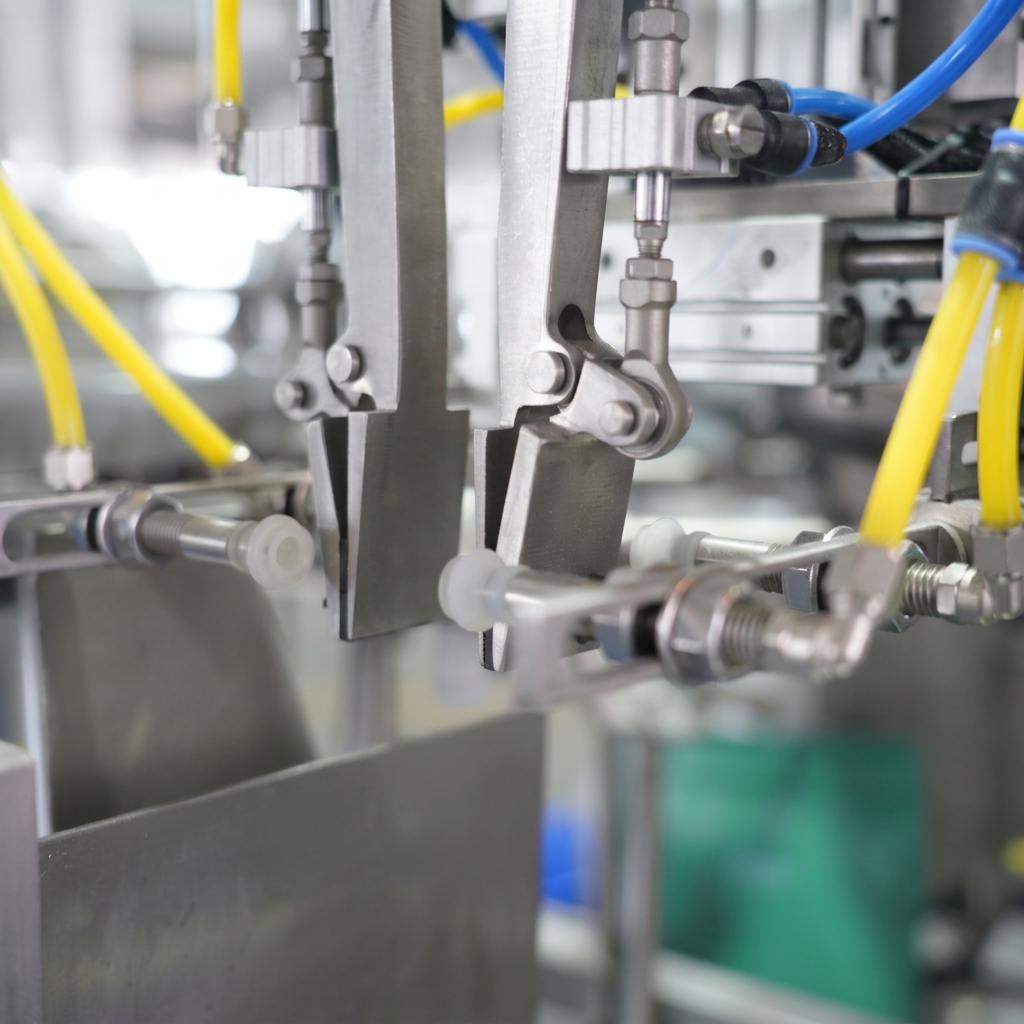
Successful operation of a premade pouch packaging machine depends fundamentally on comprehensive operator training. Without proper training, your production team faces increased downtime, quality inconsistencies, and safety risks that directly impact your bottom line. A premade pouch packaging machine represents a significant capital investment, and maximizing its performance requires operators who understand its mechanics, controls, and troubleshooting procedures. This guide walks you through the essential components of effective premade pouch packaging machine training, from foundational knowledge to advanced troubleshooting techniques that will transform your operators into confident, competent production professionals.
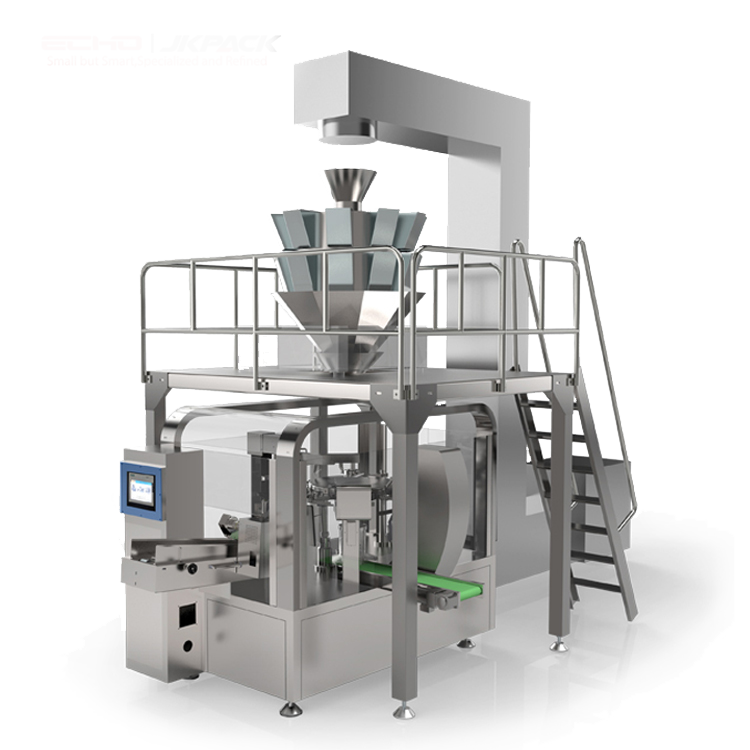
Every premade pouch packaging machine operator must understand the primary mechanical systems that drive the equipment's performance. The feed mechanism, sealing unit, cutting system, and positioning apparatus work in coordinated sequence to fill and seal pouches at production speeds. Training on a premade pouch packaging machine should begin with a detailed walkthrough of these key components, explaining how each part contributes to the overall filling and sealing cycle. Operators need to recognize normal operational sounds, vibration patterns, and visual indicators that signal the machine is functioning correctly, as these observations form the foundation for identifying problems early.
The heating elements in a premade pouch packaging machine directly affect seal quality and product integrity. Your training program must emphasize temperature calibration, heat distribution patterns, and material-specific sealing requirements. Operators should understand how pouch thickness, material composition, and product characteristics influence sealing parameters. This knowledge enables your team to adapt quickly when material suppliers change or when you introduce new pouch formats, reducing trial-and-error cycles that consume production time and waste materials.
Modern premade pouch packaging machine systems rely on programmable logic controllers and touchscreen interfaces that require operator familiarity with digital workflows. Training on a premade pouch packaging machine must cover navigation through menu systems, parameter adjustment, recipe storage, and data logging features. Operators need hands-on practice with the user interface before running production, ensuring they can quickly access production settings, troubleshoot error codes, and document batch information accurately. Safety interlocks that prevent operation under unsafe conditions must be thoroughly explained, so operators understand the protective logic rather than viewing these systems as obstacles to production speed.
Emergency stop systems, personnel guarding requirements, and maintenance access protocols form critical safety elements in premade pouch packaging machine training. Your operators must know how to safely halt the machine under various scenarios, where safe positioning zones exist during operation, and which areas require lockout-tagout procedures during maintenance windows. This safety-first foundation protects your workforce while also establishing the responsible operating culture that leads to consistent, high-quality production results.
Effective premade pouch packaging machine training follows a progressive competency model that builds skills systematically. Initial classroom instruction introduces terminology, mechanical concepts, and operational principles without time pressure. The next stage involves supervised operation of the premade pouch packaging machine under reduced-speed conditions, allowing operators to practice control sequences and troubleshooting responses in a controlled environment. As competency develops, operators transition to full-speed production runs with decreasing supervision, until they demonstrate consistent performance against established quality and efficiency benchmarks.
Efficient changeovers between pouch formats significantly impact your production scheduling and overall equipment utilization. Training on a premade pouch packaging machine must include detailed instruction on mechanical adjustments required when switching between different pouch sizes, seal configurations, or material types. Your operators need hands-on experience with positioning guides, pressure adjustments, and sensing calibration that vary across format changes. This training reduces changeover time from hours to minutes, enabling flexible production schedules that respond to customer demands without creating bottlenecks.
Product-specific training ensures operators understand how different fill materials interact with your premade pouch packaging machine. Thick, viscous products require different sealing parameters than light powders; friable materials need different positioning logic than fluid products. By training operators on the specific characteristics of products your facility processes, you enable them to anticipate challenges, adjust parameters proactively, and maintain quality standards across diverse production runs. This product knowledge, combined with machine mastery, transforms operators into process experts rather than simple button pushers.
Operators are your first line of defense against quality defects in premade pouch packaging machine production. Training must emphasize systematic quality checks: visual inspection of seal integrity, measurement of fill weights, assessment of pouch appearance, and documentation of any deviations. Operators should understand how to perform quick diagnostic tests when quality issues arise, such as running test fills to evaluate seal consistency, checking temperature readings to assess thermal performance, or reviewing error logs from your premade pouch packaging machine's control system. This diagnostic capability enables operators to distinguish between machine-related issues and product-related factors, guiding maintenance decisions and production adjustments.
Root cause analysis becomes a natural part of operations when operators receive training on problem-solving methodology specific to premade pouch packaging machine systems. When a quality deviation occurs, operators should follow a structured approach: observe the failure pattern, check relevant machine parameters, review recent setting changes, inspect material properties, and document findings for your technical team. This systematic approach accelerates resolution while building operator knowledge through real-world problem-solving. Over time, your team develops intuitive recognition of emerging issues, catching problems before they impact significant production volumes.
Modern premade pouch packaging machine systems generate comprehensive performance data including cycle times, seal strength metrics, temperature profiles, and error frequency. Training operators to access and interpret this data transforms them from task executors into informed process participants. Your operators should understand production speed trends, recognize when performance metrics drift from baseline values, and report anomalies that signal emerging issues. This data literacy enables preventive maintenance decisions, supports continuous improvement initiatives, and creates transparency around equipment performance across shifts and over time.
Communication protocols ensure that critical machine observations flow from operators to maintenance teams and management. Training on a premade pouch packaging machine should include clear procedures for reporting equipment anomalies, documenting operational challenges, and escalating issues appropriately. When operators understand that their observations directly influence maintenance scheduling and equipment upgrades, they become invested stakeholders in the continuous improvement process. This collaborative approach typically reveals optimization opportunities that purely technical analysis might miss.
Comprehensive training for a premade pouch packaging machine operator generally spans 4 to 8 weeks of structured instruction and supervised practice. Initial classroom and theoretical training requires 1 to 2 weeks, depending on operator background and equipment complexity. Hands-on operation under supervision requires 2 to 4 weeks of gradual responsibility increase, with operators progressing from reduced-speed practice to full production capability. The timeline varies based on the operator's prior packaging experience, the specific premade pouch packaging machine model, and your facility's complexity. New operators without packaging experience typically require the full timeline, while experienced operators may progress faster through the structured stages.
New operators frequently struggle with premade pouch packaging machine parameter sensitivity, adjusting multiple settings simultaneously instead of modifying one variable at a time to understand its individual impact. They often overlook the importance of material staging and feed consistency, not recognizing how slight variations in pouch positioning or product flow affect seal quality. Many operators also underestimate the need for preventive monitoring, waiting until quality problems occur rather than catching early warning signs through systematic observation. Another common error involves insufficient documentation of settings and changes, making it difficult to replicate successful production configurations. Addressing these patterns through targeted coaching significantly accelerates operator proficiency and reduces quality issues during the learning curve.
Premade pouch packaging machine operator training should be reinforced at least annually through refresher sessions that review safety protocols, equipment changes, and troubleshooting procedures. When you introduce new pouch formats, modify equipment components, or implement software updates to your premade pouch packaging machine, specific training sessions address those changes before operators use new configurations in production. Quarterly competency assessments help identify individual operators who need additional coaching in specific areas. After any significant equipment downtime or maintenance intervention, brief refresher training ensures operators understand any mechanical or control modifications. This ongoing training approach maintains consistent competency across shifts and preserves institutional knowledge despite normal workforce turnover.

2026/09/20
Premade Pouch Machines: Reduce Film Waste, Cut TCO & Achieve Faster ROI

2026/09/20
Cut Premade Pouch Machine Changeover Time by 40% with Proven Best Practices

2026/09/20
Premade Pouch Machines: Boost Throughput, Cut Waste & Improve ROI

2026/09/20
Rotary vs Inline Premade Pouch Machines: Speed, ROI & Scalability Compared

2026/09/20
Premade Pouch Machine: Boost Throughput, Cut Labor Costs & Improve Seal Integrity

2026/09/21
Premade Pouch Machine: Pouch Types, Materials & Filling Guide

