 EN
How to Reduce Film Waste with a Premade Pouch Packaging Machine?
2026/09/20
Premade Pouch Machines: Reduce Film Waste, Cut TCO & Achieve Faster ROI

2026/10/14
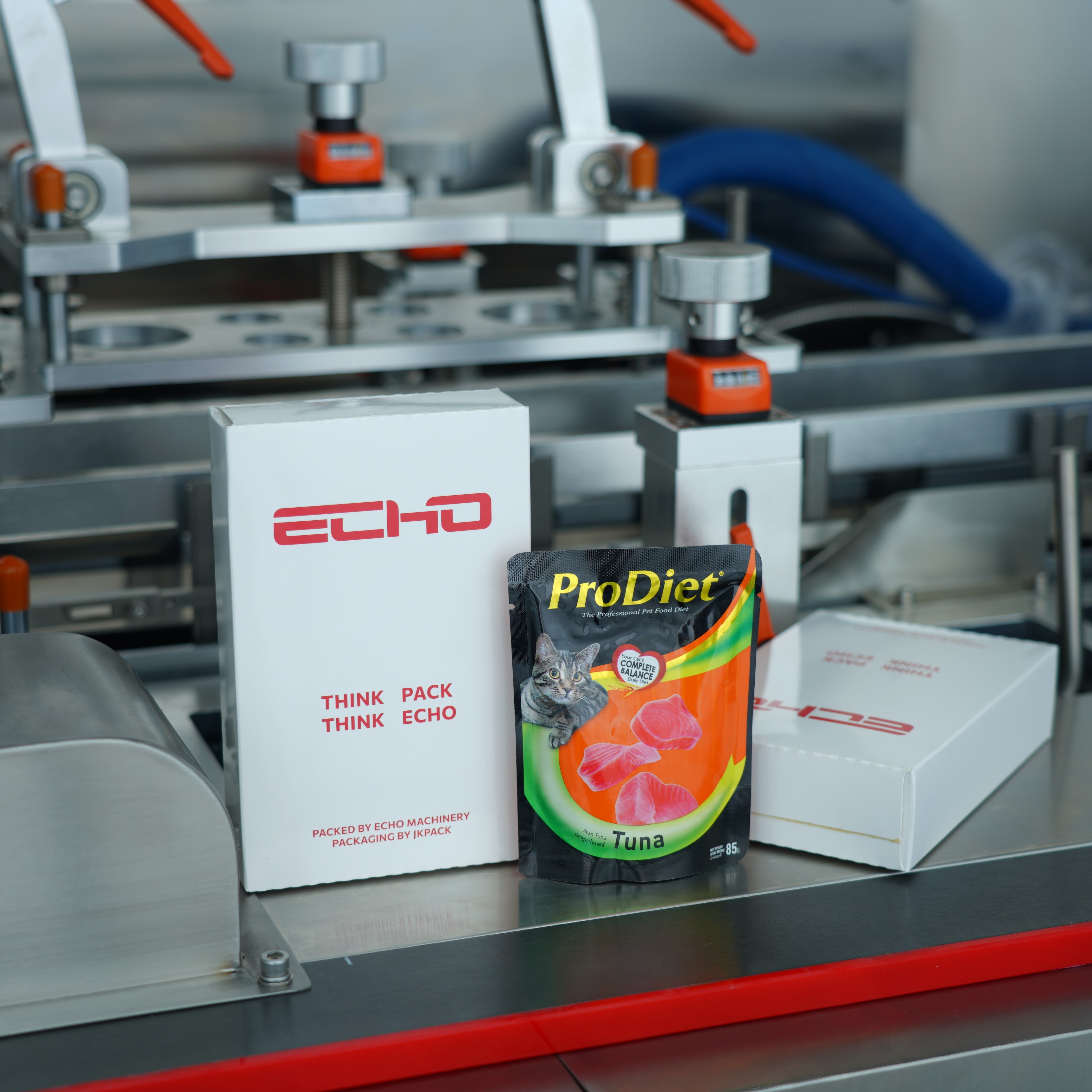
Training staff on box cartoner operation is a critical responsibility for any packaging facility seeking to maintain safety standards while optimizing productivity. A box cartoner is a sophisticated piece of machinery designed to automatically insert products into cartons and seal them for shipment, making proper training essential for both operator competence and workplace safety. Without comprehensive instruction on box cartoner procedures, maintenance protocols, and emergency response, your facility faces elevated risks of equipment damage, product loss, workplace injuries, and regulatory compliance failures. This guide provides a structured approach to training staff on box cartoner operation safely, covering foundational knowledge, hands-on skill development, and ongoing safety reinforcement.
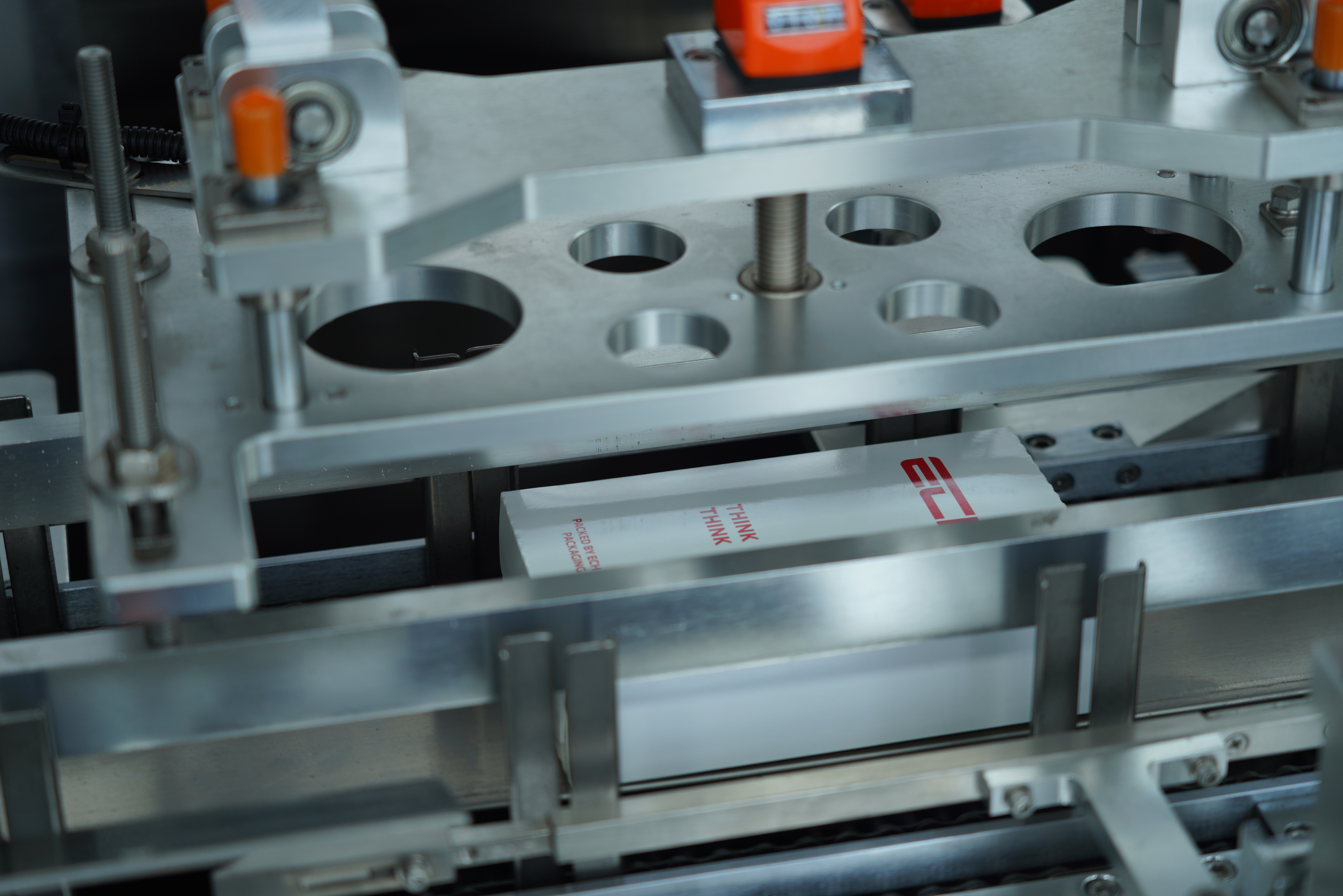
A box cartoner presents several inherent hazards that training must address directly. Moving parts, rotating shafts, pinch points, and high-speed mechanical actions create crush and entanglement risks that can cause severe injuries if staff approach the machine carelessly. Training on box cartoner operation must emphasize that operators understand the specific hazard zones around the equipment, including the carton infeed area, product insertion mechanism, sealing station, and discharge point. Each section of the box cartoner carries different risk profiles; for example, the product insertion arm moves with precision but significant force, while the sealing mechanism involves heat and pressure that can cause burns if touched directly. Staff training on box cartoner safety must include detailed hazard identification exercises where trainees walk through each functional area and articulate the risks present.
Lockout and tagout (LOTO) procedures are foundational to safe box cartoner maintenance and troubleshooting. Training on box cartoner systems must ensure that only authorized personnel understand how to properly isolate the machine from energy sources before attempting any adjustments, repairs, or clearances of jams. Every staff member involved with the box cartoner must know that failing to follow LOTO protocols can result in unexpected machine restart, leading to amputation or crushing injuries. The training curriculum on box cartoner operation should include hands-on demonstration of your facility's specific lockout devices, multiple energy source points (electrical, pneumatic, hydraulic), and verification procedures to confirm the machine is truly de-energized. Trainees should complete practical LOTO exercises on the box cartoner under supervision before they are permitted to work independently on the equipment.
Before any staff member operates a box cartoner, they must pass a baseline knowledge assessment covering machine anatomy, control interfaces, and safety protocols. Training on box cartoner operation should begin with classroom or self-paced modules that explain how the machine processes cartons, the role of sensors and automation, and the consequences of improper handling. Assessment of box cartoner training comprehension should include written tests and oral questioning to verify that staff understand both the 'what' and the 'why' behind each safety rule. Competency verification on box cartoner safety ensures that operators can articulate when to stop the machine, how to report faults, and when to escalate issues to maintenance or supervisors. This foundational knowledge phase typically takes 4–8 hours depending on staff background and the complexity of your specific box cartoner model.
Hands-on training on box cartoner machinery must always occur under direct supervision of an experienced operator or authorized trainer. During this phase, trainees learn the practical sequence of starting the box cartoner, feeding materials correctly, monitoring production parameters, and responding to alerts. Training on box cartoner operation includes exercises in product positioning, carton adjustment, and speed settings, allowing new staff to develop muscle memory for routine tasks while building confidence. Each trainee should operate the box cartoner under observation for multiple shifts, with the supervisor documenting proficiency milestones and signing off on competency before unsupervised operation is permitted. Realistic scenario drills—such as product jams, sensor malfunctions, or minor misalignments—should be incorporated so that staff practice troubleshooting steps and know when to call for help rather than attempting risky fixes.
One of the most critical elements of box cartoner training is teaching staff how to safely clear product jams and identify common faults without risking injury. Training on box cartoner troubleshooting must establish clear protocols: operators must always stop the machine, engage any available mechanical locks or guards, and wait for the machine to come to complete rest before reaching into any chamber. Instruction on box cartoner jam clearing should cover the specific access points, removal techniques, and parts that are safe to touch versus those that require professional maintenance intervention. Staff training on box cartoner operation must emphasize that speed and urgency are never justifications for bypassing safety steps; a five-minute jam clearance performed safely is far preferable to a preventable injury caused by rushing. Trainees should practice clearing simulated jams on the box cartoner using dummy products and components until their technique is smooth, deliberate, and consistently safe.
Training on box cartoner operation extends beyond production to include operator-level preventive maintenance awareness. Staff should be trained to recognize signs of wear, unusual noise, inconsistent carton handling, or alignment drift that signal the need for professional service. A box cartoner maintenance schedule should be communicated clearly during training, with operators understanding which tasks they can perform (such as cleaning external surfaces or checking carton feed quality) and which require certified technicians. Training on box cartoner care also covers proper lubricant application, sensor cleanliness, and guard inspection, tasks that sustain equipment reliability and reduce unexpected downtime. Operators trained on box cartoner preventive protocols become the first line of defense against major failures, protecting both safety and business continuity.
Initial training on box cartoner operation must be reinforced through periodic refresher sessions, typically every 12–24 months depending on operator tenure and incident history. Refresher training on box cartoner systems should review hazard recognition, LOTO procedures, and current safety policy changes, keeping skills sharp and addressing any drift in safe practices. Organizations should implement box cartoner competency verification on an interval schedule, with supervisors or designated trainers conducting practical assessments to confirm that operators remain current. Training records for box cartoner operation must be documented, maintained, and readily available for regulatory inspection, serving as evidence of your facility's commitment to safety governance.
Comprehensive training on box cartoner operation generally requires 20–40 hours spread across multiple weeks, depending on the operator's prior experience and the complexity of your specific machine. Initial classroom and knowledge-based instruction on box cartoner safety and mechanics typically takes 4–8 hours, while hands-on supervised operation requires 8–16 hours to develop practical competency. Organizations should not rush the timeline for box cartoner training; ensuring proficiency takes precedence over speed, as inadequately trained operators pose greater risk to themselves and colleagues than slightly delayed production ramp-up.
A daily safety checklist for box cartoner operations should include verification of all guards and protective devices, confirmation that emergency stop buttons function correctly, visual inspection for loose parts or visible damage, and confirmation that all electrical connections remain secure. Staff conducting a box cartoner pre-start inspection should also ensure that no tools or materials are left inside the machine, that carton and product feed paths are clear, and that all signage and warning labels remain legible. This checklist approach to box cartoner safety operationalizes the training received by staff, making safety a routine part of daily work rather than an afterthought.
Only personnel who have received specialized training on box cartoner maintenance and repair, and who hold appropriate credentials or certifications, should be authorized to perform equipment service. Production operators trained on box cartoner operation for normal use may clear simple jams or perform basic cleaning, but internal mechanical, electrical, or pneumatic adjustments should be reserved for trained maintenance technicians or the equipment manufacturer's authorized service representatives. Your facility's training program should clearly define the boundary between operator-level and technician-level work on a box cartoner, preventing well-intentioned staff from attempting repairs that exceed their qualifications and creating safety and liability risks.

2026/09/20
Premade Pouch Machines: Reduce Film Waste, Cut TCO & Achieve Faster ROI

2026/09/20
Cut Premade Pouch Machine Changeover Time by 40% with Proven Best Practices

2026/09/20
Premade Pouch Machines: Boost Throughput, Cut Waste & Improve ROI

2026/09/20
Rotary vs Inline Premade Pouch Machines: Speed, ROI & Scalability Compared

2026/09/20
Premade Pouch Machine: Boost Throughput, Cut Labor Costs & Improve Seal Integrity

2026/09/21
Premade Pouch Machine: Pouch Types, Materials & Filling Guide

