 EN
How to Reduce Film Waste with a Premade Pouch Packaging Machine?
2026/09/20
Premade Pouch Machines: Reduce Film Waste, Cut TCO & Achieve Faster ROI

2026/10/10
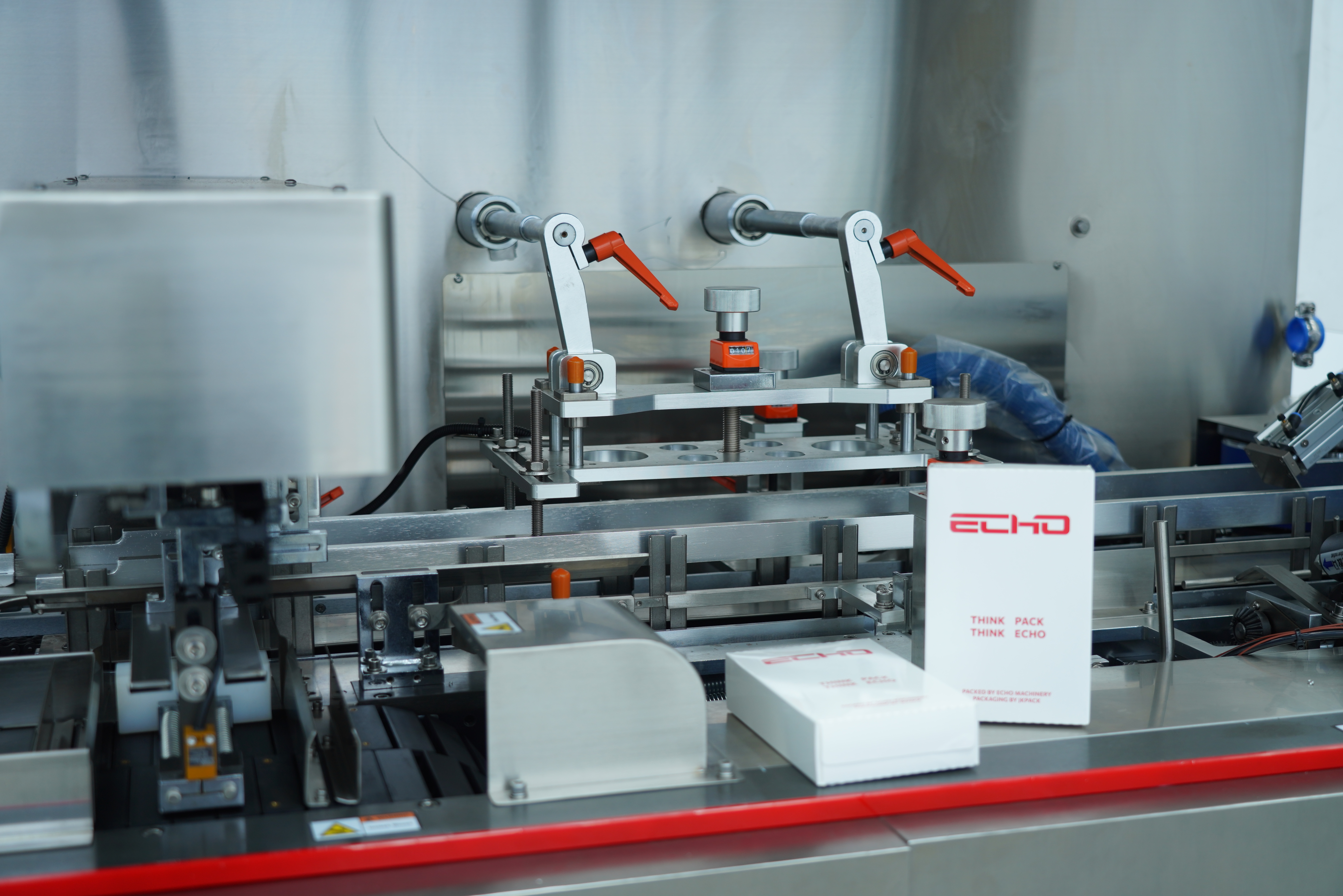
A jammed carton box packing machine can halt your entire production line, costing valuable time and reducing operational efficiency. When a carton box packing machine stops responding or displays unusual behavior, understanding the root cause is essential to minimize downtime and restore normal workflow. Jams in a carton box packing machine typically stem from material misalignment, worn components, or improper machine settings, all of which are diagnosable and correctable with systematic troubleshooting.
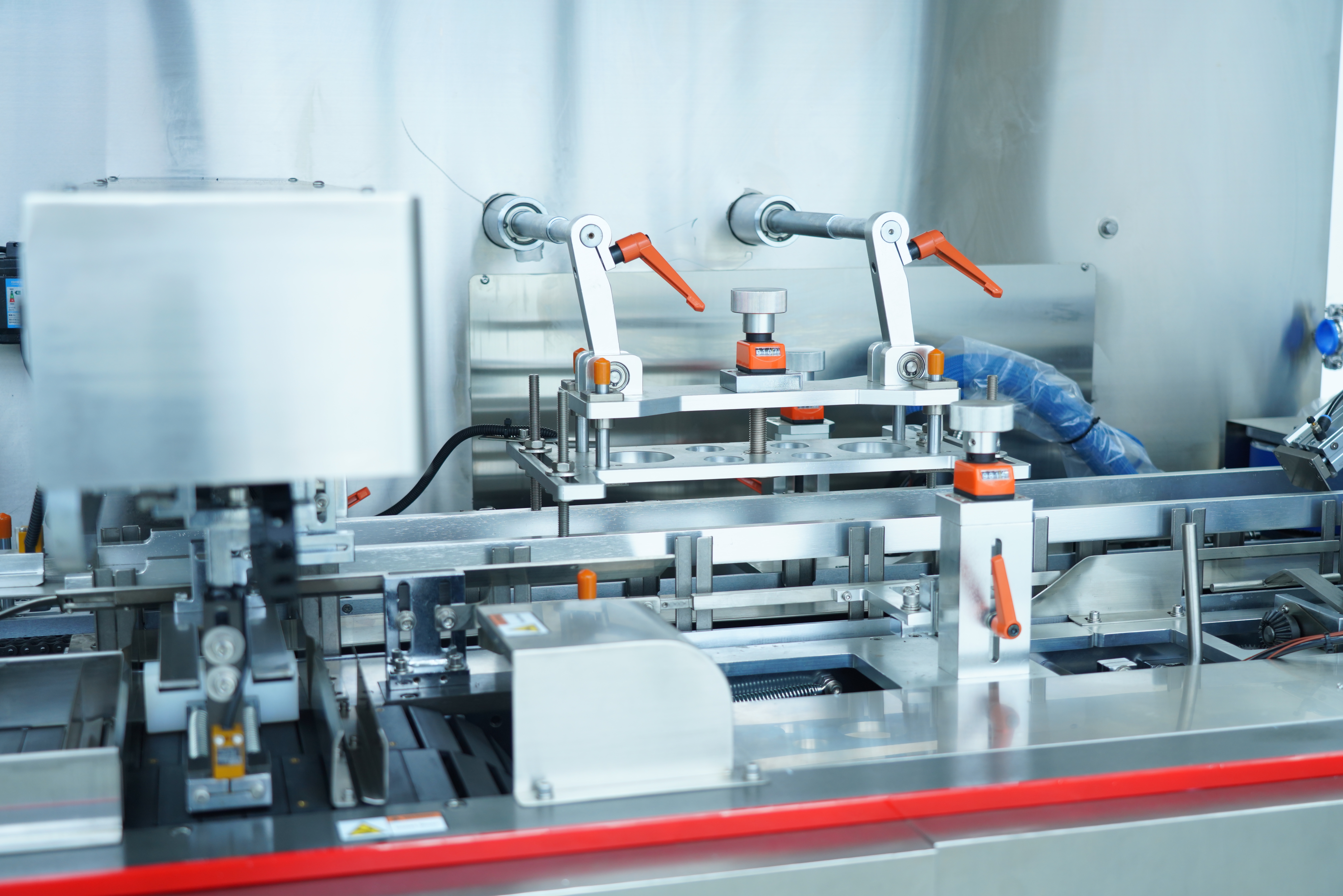
This guide walks through practical diagnostic steps to identify why your carton box packing machine is jamming, what factors contribute to recurrent jams, and how to apply proven fixes that restore reliable operation. Whether you operate a small filling facility or manage multiple packing lines, mastering jam diagnosis keeps your carton box packing machine running smoothly and maintains production schedules on track.
Improper carton alignment is one of the most common reasons a carton box packing machine experiences jamming. When cartons enter the feed mechanism at the wrong angle or with inconsistent spacing, the machine struggles to position them correctly, triggering mechanical blockages. A carton box packing machine relies on precise carton geometry and consistent feed rates to function without interruption. If your incoming carton supply shows damage, deformation, or irregular stacking, the carton box packing machine's detection sensors may fail to recognize proper dimensions, causing the system to halt mid-cycle.
Over time, drive belts, chains, and guide rails on a carton box packing machine wear down and drift out of alignment. When your carton box packing machine's mechanical parts lose their original precision, friction increases and cartons may lodge between rollers or sealing stations. Degraded components reduce the clearance that the carton box packing machine needs to move boxes through each processing stage smoothly. Inspecting drive systems, measuring guide rail alignment, and checking for metal debris inside the carton box packing machine reveals whether component wear is driving your jam issues.
Before accessing the interior of your carton box packing machine, always power down the equipment and engage all safety locks. Visual inspection of a carton box packing machine should focus on the feed chute, carton sensors, and all moving parts that transport boxes through the line. Look for bent metal edges, cracked plastic guides, or accumulation of cardboard dust inside the carton box packing machine's frame. Check whether incoming cartons appear damaged or stacked unevenly, since external factors directly influence whether your carton box packing machine can process them without jamming.
Once you have secured the carton box packing machine, locate any visible jams and remove lodged cartons carefully to prevent further damage. Remove cardboard fragments, flattened pieces, or adhesive residue from the path that cartons travel through the carton box packing machine. After clearing obstructions, manually rotate the carton box packing machine's drive shaft (if equipped with a hand wheel) through a complete cycle to confirm that no additional blockages exist. Feed 5–10 test cartons through your carton box packing machine at reduced speed to verify smooth movement and detect any spots where boxes hesitate or stick.
A malfunctioning sensor is a frequent cause of false jam signals on a carton box packing machine. Sensors on a carton box packing machine detect carton presence, height, and position; if these send incorrect signals, the machine stops even when no physical jam exists. Clean all sensor lenses on your carton box packing machine using a soft, lint-free cloth and verify that light beams are unobstructed. Test each sensor individually according to your carton box packing machine's user manual to confirm that response times fall within manufacturer specifications.
Scheduled lubrication significantly extends the working life of your carton box packing machine and prevents jams caused by friction buildup. Apply manufacturer-recommended lubricants to all pivot points, chain drives, and bearing surfaces on your carton box packing machine according to the maintenance calendar. Worn belts on a carton box packing machine should be replaced every 12–18 months depending on operating hours; delayed replacement increases jam frequency. Establish a parts inventory for your carton box packing machine that includes spare drive belts, guide rollers, and sealing components so you can perform quick repairs without extended downtime.
The quality of incoming cartons directly impacts the performance of your carton box packing machine. Verify that supplied cartons meet the dimensional and structural specifications required by your carton box packing machine before loading them onto the feed system. Adjust the feed speed setting on your carton box packing machine to match your carton quality; running a carton box packing machine at maximum speed with lower-grade boxes increases jam risk dramatically. Train operators to inspect carton stacks for damage and remove crushed or bent boxes before they enter the carton box packing machine, since prevention is more efficient than troubleshooting jams after they occur.
Quarterly alignment inspections by qualified technicians help catch misalignment issues before they cause jams in your carton box packing machine. A technician can measure the precision of your carton box packing machine's guide rails, check for deflection in drive shafts, and verify that all motorized components rotate on proper centerlines. These audits reveal small problems that grow into major jams if left unaddressed, ensuring your carton box packing machine maintains factory-grade performance and reliability.
Improper carton alignment and damaged incoming cartons are the leading causes of jams in a carton box packing machine. When cartons are bent, crushed, or stacked unevenly, they cannot travel smoothly through the carton box packing machine's feed mechanism, triggering blockages. Ensuring consistent carton quality before they reach your carton box packing machine eliminates most jam incidents and reduces maintenance frequency significantly.
Running a carton box packing machine above its rated speed increases jam risk substantially and may void your warranty. Each carton box packing machine is calibrated for optimal performance within a specific speed range; exceeding that range causes mechanical parts to experience excess stress and cartons to misalign. Instead of increasing speed, focus on improving carton supply consistency and preventive maintenance to maximize the throughput your carton box packing machine can safely deliver.
Replacement intervals for your carton box packing machine depend on operating hours, carton quality, and maintenance frequency. Drive belts typically require replacement every 12–18 months, guide rollers every 18–24 months, and sealing components every 6–12 months. Always consult your carton box packing machine's maintenance manual for manufacturer-recommended replacement schedules, and accelerate replacements if you notice increased jam frequency or unusual wear patterns.

2026/09/20
Premade Pouch Machines: Reduce Film Waste, Cut TCO & Achieve Faster ROI

2026/09/20
Cut Premade Pouch Machine Changeover Time by 40% with Proven Best Practices

2026/09/20
Premade Pouch Machines: Boost Throughput, Cut Waste & Improve ROI

2026/09/20
Rotary vs Inline Premade Pouch Machines: Speed, ROI & Scalability Compared

2026/09/20
Premade Pouch Machine: Boost Throughput, Cut Labor Costs & Improve Seal Integrity

2026/09/21
Premade Pouch Machine: Pouch Types, Materials & Filling Guide

