 EN
How to Reduce Film Waste with a Premade Pouch Packaging Machine?
2026/09/20
Premade Pouch Machines: Reduce Film Waste, Cut TCO & Achieve Faster ROI

2026/09/26
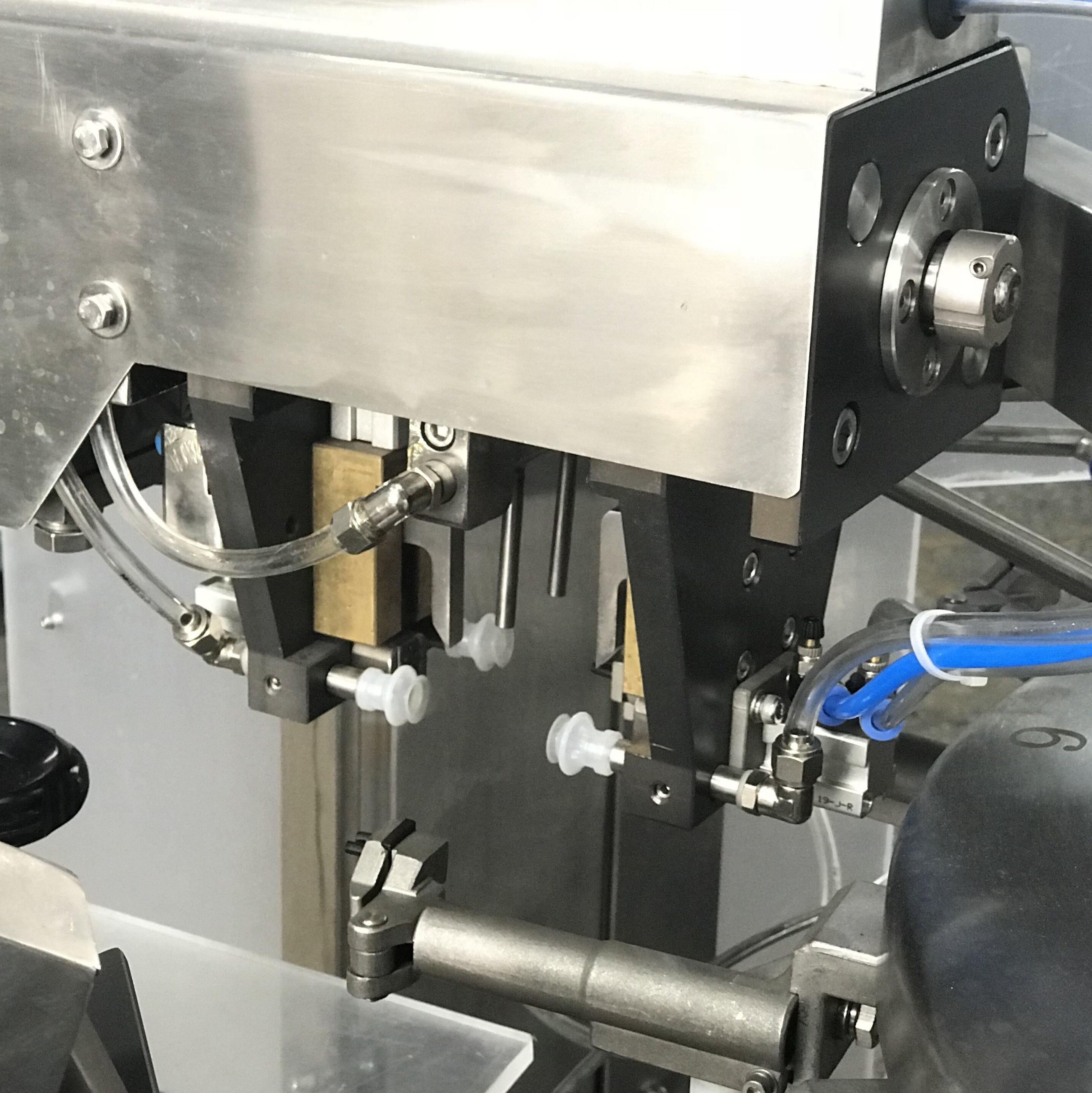
A premade pouch packaging machine is critical infrastructure for food, beverage, and industrial packaging operations. When your premade pouch packaging machine experiences downtime, production stalls and revenue suffers. Understanding how to identify and resolve common issues keeps your premade pouch packaging machine running smoothly and reduces costly maintenance calls. This guide walks you through the most frequent problems affecting your premade pouch packaging machine, why they occur, and how to fix them quickly.
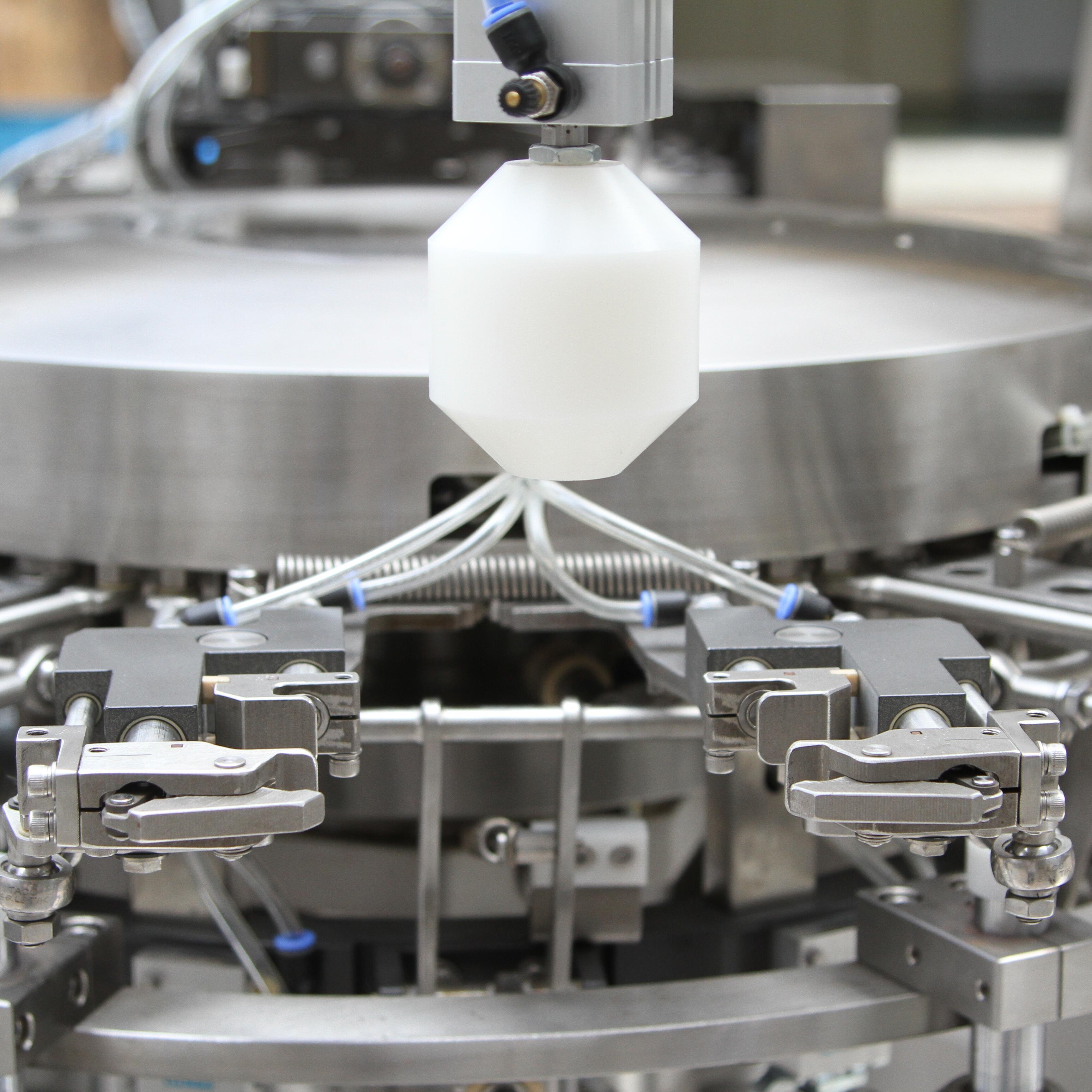
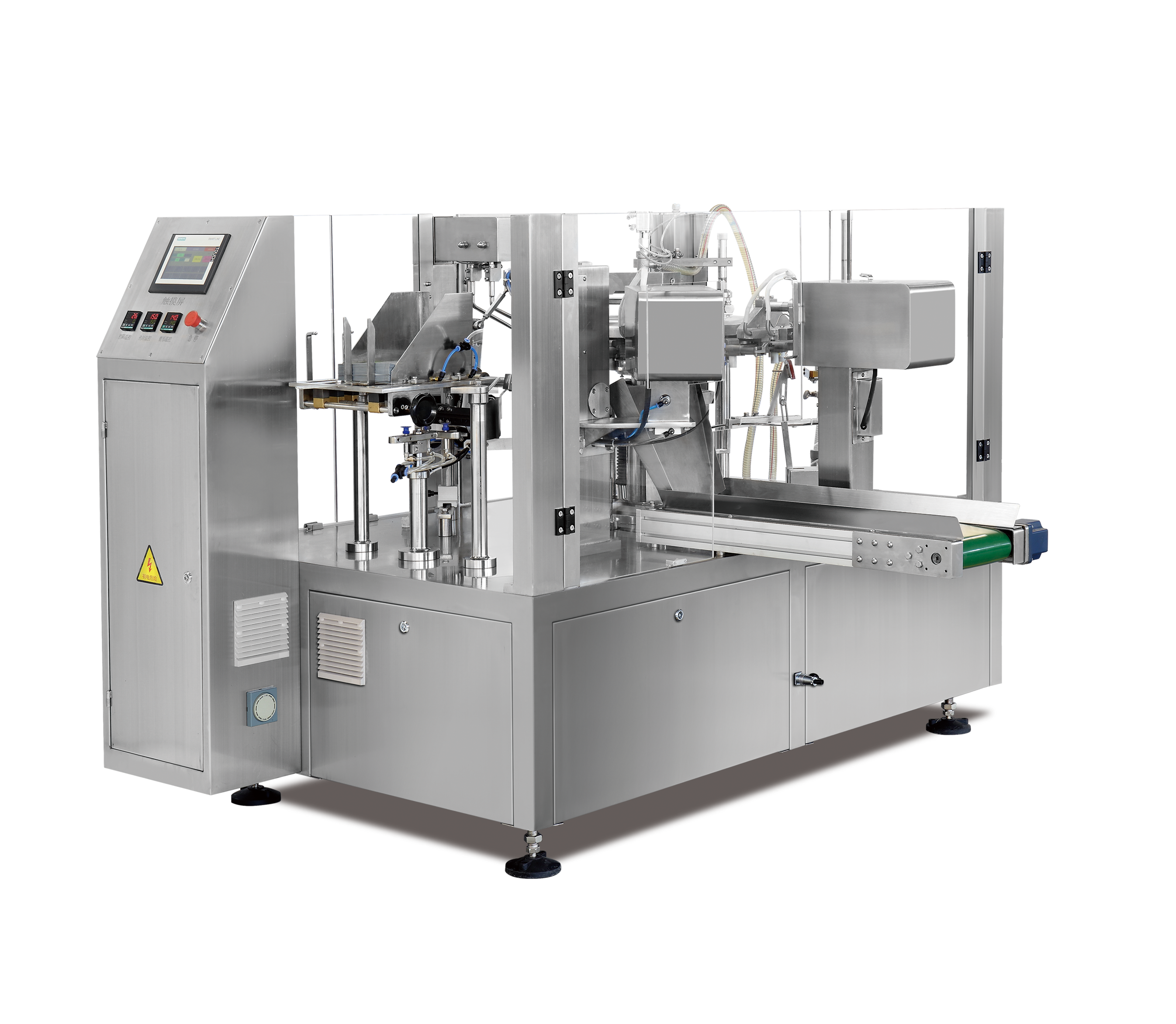
Most operators encounter recurring faults that, once recognized, become straightforward to resolve. Whether your premade pouch packaging machine suffers from seal failures, film misalignment, or sensor errors, the root causes are often predictable and addressable through systematic inspection. By learning the diagnostic process for your premade pouch packaging machine, your team gains confidence and reduces unplanned downtime significantly.
Weak or incomplete seals rank as the most common complaint with any premade pouch packaging machine in production. When your premade pouch packaging machine produces seals that fail pressure tests or leak product, the first suspect is heat setting. Most premade pouch packaging machine models allow heat adjustment via temperature dials or digital controls. Check that your premade pouch packaging machine heating element reaches the correct temperature specified in your material datasheet, typically between 150°C and 180°C for polyethylene and polypropylene films.
Dwell time, the period the seal jaw holds pressure, also affects seal quality on your premade pouch packaging machine. If your premade pouch packaging machine dwell time is too short, the heat does not transfer sufficiently into the film layers. Increase dwell time by 0.2 to 0.5 seconds at a time while monitoring seal integrity. Additionally, worn sealing jaws on your premade pouch packaging machine reduce contact pressure and heat transfer. Visually inspect the sealing surfaces of your premade pouch packaging machine for scoring, flattening, or contamination. Clean with a dry cloth and check for cracks. If damage is visible, replacement of the sealing jaw assembly in your premade pouch packaging machine is necessary.
Conversely, excessive heat on your premade pouch packaging machine causes burn marks, discoloration, or film melting. When your premade pouch packaging machine settings are too aggressive, the film degrades, weakens, and may stick to the jaws. Reduce the heat setting on your premade pouch packaging machine by 10°C increments and test seal quality at each step. Also reduce dwell time slightly on your premade pouch packaging machine if burn marks persist. Film contamination or moisture can lower the melting threshold; if your premade pouch packaging machine is burning film unexpectedly, inspect the material for debris or dampness. Store film in a dry environment and rotate stock to prevent aging.
Film skew occurs when your premade pouch packaging machine draws material at an angle rather than straight through the machine. Misaligned film causes improper sealing, wrinkles, and jamming inside your premade pouch packaging machine. Most premade pouch packaging machine models include adjustable guide rails or registration sensors to control film path. Check that guide rails on your premade pouch packaging machine are parallel and not bent. Loosen the rail mounting bolts slightly and realign using a straightedge. Tighten gradually while monitoring film travel to ensure even tension across your premade pouch packaging machine width.
Registration sensors on your premade pouch packaging machine detect the film edge and trigger control signals. If your premade pouch packaging machine sensor is dirty, blocked, or misaligned, detection fails and film feeds askew. Clean the sensor lens on your premade pouch packaging machine with a soft, lint-free cloth. Check that the sensor sits at the correct distance from the film edge, typically 10 to 15 millimeters for most premade pouch packaging machine designs. Adjust sensor position on your premade pouch packaging machine mounting bracket if needed and recalibrate through the control panel.
Jams inside your premade pouch packaging machine halt production and can damage internal components. Most jams result from loose film, foreign objects, or drive gear misalignment. Before investigating your premade pouch packaging machine internally, ensure the machine is powered off and locked out. Visually inspect the feed throat and sealing area of your premade pouch packaging machine for loose film, labels, or debris. Remove any obstructions carefully to avoid damaging seals or rollers on your premade pouch packaging machine.
The drive system on your premade pouch packaging machine, typically a servo motor or stepper motor assembly, may slip or lose synchronization. If your premade pouch packaging machine pulls film inconsistently or makes grinding sounds, the coupling between motor and drive shaft may be loose. Check coupling bolts on your premade pouch packaging machine and tighten with the appropriate wrench. If tightening does not resolve slipping on your premade pouch packaging machine, the coupling may be worn and require replacement. Verify belt tension on your premade pouch packaging machine if the design uses belts; belts should deflect about half an inch under moderate thumb pressure.
Modern premade pouch packaging machine models include safety sensors and diagnostic systems that display error codes. These codes on your premade pouch packaging machine pinpoint specific faults rather than requiring guesswork. Common errors include position sensor faults, temperature out-of-range warnings, and pressure sensor failures on your premade pouch packaging machine. Consult your premade pouch packaging machine manual to interpret the specific code. Many premade pouch packaging machine systems reset automatically after you address the underlying issue and clear the error through the control panel.
Position sensors on your premade pouch packaging machine detect film edges and jaw position to synchronize sealing. When your premade pouch packaging machine reports a sensor fault, first clean the sensor lens with a dry cloth. Check that the sensor receives adequate electrical power and that wiring connections on your premade pouch packaging machine are secure and not corroded. If your premade pouch packaging machine still reports a fault after cleaning, the sensor may require replacement. Temperature sensors on your premade pouch packaging machine tell the controller whether heating elements are reaching target values. If your premade pouch packaging machine reports temperature out-of-range, verify that the heating element itself is functioning by using an external thermometer to check the sealing jaw surface of your premade pouch packaging machine.
Occasionally, the control system on your premade pouch packaging machine locks up or behaves erratically due to software glitches. A simple power cycle often resolves these issues on your premade pouch packaging machine. Switch off the main power to your premade pouch packaging machine, wait 30 seconds, and restart. This action clears temporary memory and resets software on your premade pouch packaging machine. If your premade pouch packaging machine continues malfunctioning after a restart, verify that you have loaded the correct job settings for your material and pouch dimensions. Many operators accidentally run old settings on their premade pouch packaging machine after switching materials, causing setup problems. Review the active recipe or job file on your premade pouch packaging machine control panel and confirm all parameters match your current production material.
Weak seals often result from worn sealing jaws, insufficient dwell time, or dirty film surfaces. Inspect the sealing jaw surfaces for damage or buildup and clean them thoroughly. Increase dwell time by 0.3 seconds and retest. If seals still fail, the sealing jaw elements may be worn beyond recovery and require replacement to restore your premade pouch packaging machine performance.
If cleaning the sensor lens and adjusting its position do not resolve film skewing on your premade pouch packaging machine, test the sensor output using the diagnostic menu on your control panel. If the sensor fails to detect film or produces inconsistent readings, the sensor element is likely defective. Purchase a replacement sensor compatible with your premade pouch packaging machine model and install it following the manufacturer's guidance.
First, power off and inspect your premade pouch packaging machine for foreign objects, loose film, or misalignment. Remove any debris carefully. Check the drive system coupling and belt tension to ensure film feeds smoothly. If jamming continues after these checks, verify that your premade pouch packaging machine guide rails are parallel and that the feed motor is functioning correctly. Persistent jamming may indicate internal damage requiring professional service.

2026/09/20
Premade Pouch Machines: Reduce Film Waste, Cut TCO & Achieve Faster ROI

2026/09/20
Cut Premade Pouch Machine Changeover Time by 40% with Proven Best Practices

2026/09/20
Premade Pouch Machines: Boost Throughput, Cut Waste & Improve ROI

2026/09/20
Rotary vs Inline Premade Pouch Machines: Speed, ROI & Scalability Compared

2026/09/20
Premade Pouch Machine: Boost Throughput, Cut Labor Costs & Improve Seal Integrity

2026/09/21
Premade Pouch Machine: Pouch Types, Materials & Filling Guide

