 EN
How to Reduce Film Waste with a Premade Pouch Packaging Machine?
2026/09/20
Premade Pouch Machines: Reduce Film Waste, Cut TCO & Achieve Faster ROI

2026/10/17
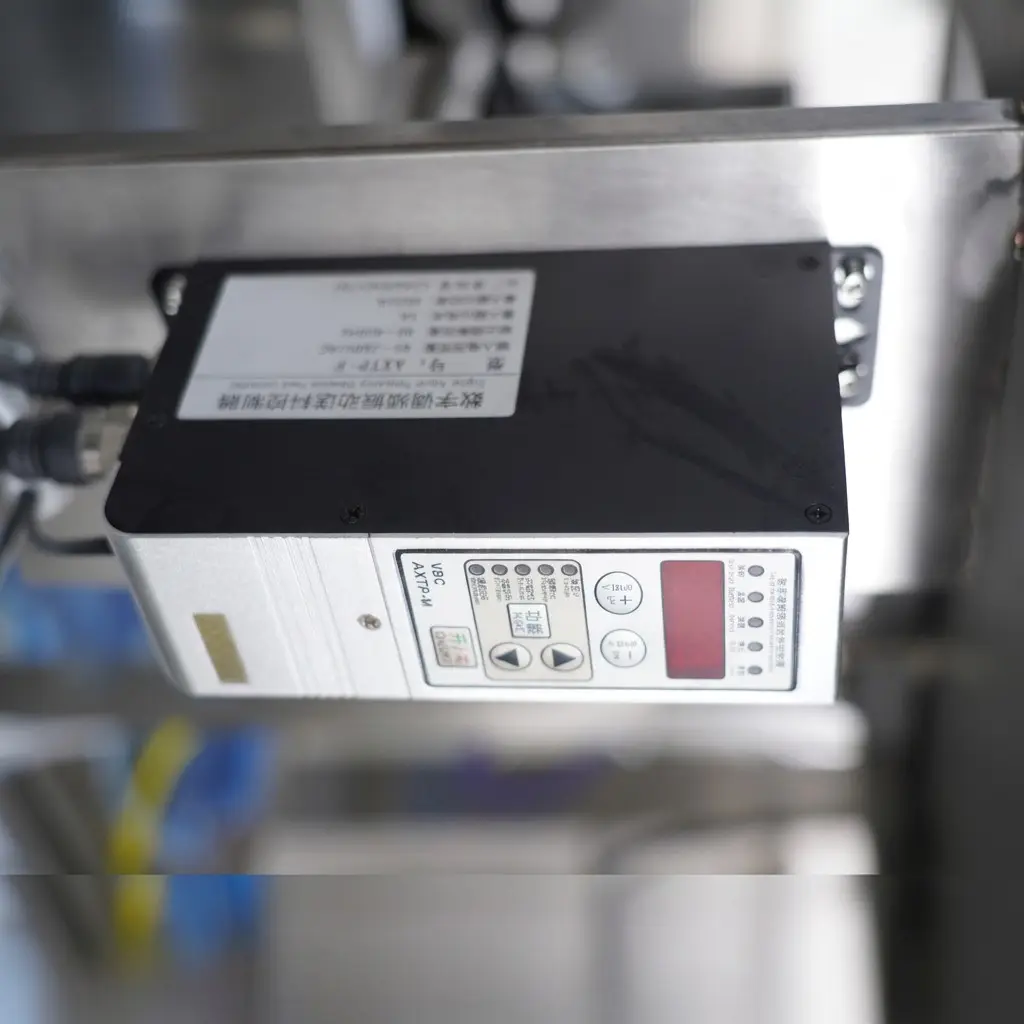
Seal failures represent one of the most common operational challenges in modern packaging environments, directly impacting product quality, shelf life, and customer satisfaction. When your pillow packing machine experiences seal problems, production efficiency drops rapidly, leading to rejected batches, increased waste, and compromised brand reputation. Understanding how to troubleshoot these issues systematically transforms your ability to maintain consistent output and extends the operational lifespan of your pillow packing machine equipment.
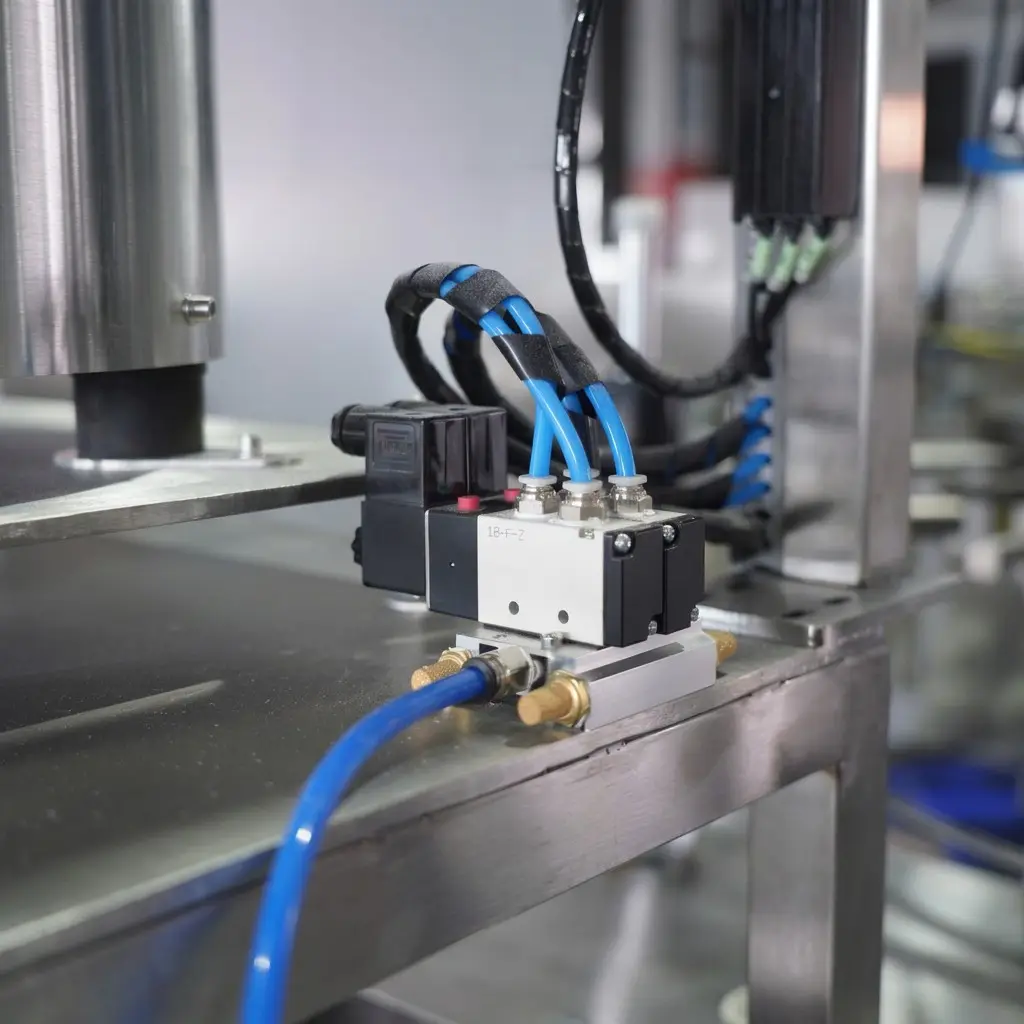
Troubleshooting seal defects requires a methodical approach that examines multiple system variables simultaneously. Every pillow packing machine relies on precise temperature control, consistent pressure application, proper film feeding, and synchronized timing to create hermetic seals. When any component deviates from specification, seal integrity fails. This guide provides industrial operators and maintenance teams with practical diagnostic frameworks and actionable solutions for resolving seal problems in your pillow packing machine operations.
Temperature represents the most critical variable in pillow packing machine seal performance. When heating elements on your pillow packing machine fail to reach optimal temperatures, film polymers do not soften sufficiently for bonding. Conversely, excessive heat causes film degradation, weak seal zones, and localized burning. Digital thermometers should verify actual temperatures against displayed readings on your pillow packing machine control panel. Thermal imaging cameras reveal hot spots or cold zones within sealing jaws that indicate uneven heat distribution across the pillow packing machine width.
Resistance heating elements age over time, gradually losing efficiency. On your pillow packing machine, these elements may still display correct temperatures while delivering insufficient heat transfer to the film. Replace heating elements when surface temperature stability becomes difficult to maintain. Thermal paste deterioration between heating surfaces and film also causes temperature variance—cleaning and reapplying thermal paste on your pillow packing machine sealing components restores consistent heat transfer patterns.
Sealing pressure directly determines whether polymer chains bond permanently or partially adhere. Your pillow packing machine requires calibrated pressure that balances complete fusion with excessive deformation. Pneumatic systems on a pillow packing machine lose pressure gradually through microscopic seal degradation in cylinders and tubing. Pressure gauges often read normal pressure while actual jaw closure force diminishes below specification for your pillow packing machine.
Mechanical wear accumulates across pivot points, guide rails, and jaw alignment mechanisms. A pillow packing machine with worn bearing surfaces develops lateral jaw misalignment, creating pressure voids where seal contact remains incomplete. Inspect sealing jaw surfaces with straightedges and precision measuring devices—any visible warping, pitting, or surface irregularities compromise seal quality across your pillow packing machine production runs. Worn jaws require replacement rather than repair to restore seal reliability.
Not all films perform identically on a pillow packing machine—polyethylene, polypropylene, and laminated structures require different temperature profiles and pressure settings. Verify that incoming film specifications match your pillow packing machine documentation before production begins. Damaged or contaminated film introduces defects that no sealing adjustment resolves. Moisture absorption in stored film creates steam during sealing, weakening bonds in your pillow packing machine output.
Film storage environments dramatically affect pillow packing machine performance. High humidity causes dimensional changes and reduces film adhesion properties. Temperature fluctuations cause expansion and contraction, compromising the consistency your pillow packing machine requires. Store film rolls in climate-controlled spaces with relative humidity between 40 and 60 percent. Allow film to acclimate to your packaging facility environment for several hours before loading onto your pillow packing machine production line.
Improper film tension creates slack or excessive stress, preventing uniform contact between film and sealing jaws on your pillow packing machine. Tension sensors or manual tension verification methods should confirm film is taut but not strained as it feeds into your pillow packing machine. Slack film wrinkles during sealing, trapping air and preventing complete polymer fusion necessary for your pillow packing machine seal integrity.
Guide rollers and film path components accumulate dust and film residue that alters feeding dynamics. Regular cleaning of the complete film pathway on your pillow packing machine prevents friction changes that affect tension control. Worn rollers develop flat spots that create intermittent tension variations—this inconsistency translates directly into variable seal quality on your pillow packing machine output. Replace worn feed components to maintain consistent film advancement.
Dwell time—the duration sealing jaws remain closed—must match film thickness and material composition for your pillow packing machine. Insufficient dwell time prevents complete polymer fusion, resulting in weak seals that fail during transport or handling. Excessive dwell time wastes cycle time and risks film degradation. Your pillow packing machine typically operates with dwell times between 0.5 and 1.5 seconds, adjusted based on film specifications and seal width.
Timing synchronization between jaw closure and film advancement prevents double sealing or incomplete seal formation. When your pillow packing machine timing drifts, the sealing jaw may engage film already partially sealed or miss the intended seal zone entirely. Mechanical or electronic timing adjustments—depending on your pillow packing machine control system—should verify jaw closure coincides precisely with film position. Electronic control systems offer superior precision compared to mechanical cam-driven pillow packing machine designs.
After sealing, film requires adequate cooling before jaw separation to prevent seal rupture. Insufficient cooling allows partially set polymers to stretch under mechanical stress. Your pillow packing machine may include water cooling systems or rely on forced air—verify cooling elements function properly. Temperature sensors confirm film reaches safe handling temperatures before product insertion and final pouch formation on your pillow packing machine.
Opening sealing jaws prematurely interrupts polymer chain formation, creating incomplete bonds. Modern pillow packing machine designs incorporate delay mechanisms that hold jaws closed while cooling occurs. Mechanical wear in these mechanisms can reduce effectiveness, allowing premature jaw opening. Verify jaw holding systems function correctly through observation of actual machine cycles on your pillow packing machine during production.
Establishing regular maintenance intervals prevents seal problems from developing on your pillow packing machine. Monthly inspections should examine heating element condition, pressure system integrity, mechanical alignment, and film path cleanliness. Replace thermal paste, clean heating surfaces, and verify pressure calibration according to manufacturer specifications for your pillow packing machine. Preventive approaches cost significantly less than emergency repairs and unplanned production downtime.
Documentation of maintenance activities on your pillow packing machine creates performance baselines that identify trending degradation before failures occur. Track temperature stability, pressure readings, and seal quality metrics over extended periods. When values drift gradually, component replacement becomes scheduled rather than reactive. This systematic approach to your pillow packing machine maintenance maximizes equipment longevity and production consistency.
Seal strength testing equipment verifies bond integrity without waiting for field failures. Tensile testing machines measure seal strength in multiple directions—longitudinal and transverse seals on your pillow packing machine require independent evaluation. Establish minimum acceptable values based on product requirements and test randomly sampled pouches throughout production shifts to catch seal degradation early on your pillow packing machine output.
Most pillow packing machine applications require sealing temperatures between 150 and 200 degrees Celsius, though specific requirements depend on film material composition. Polyethylene films typically seal effectively at 160-180 degrees Celsius on a pillow packing machine, while polypropylene films may require 180-200 degrees Celsius. Always reference your specific film manufacturer's recommendations and validate actual temperatures on your pillow packing machine using calibrated thermometers rather than relying solely on control panel displays.
Sealing jaw replacement frequency depends on production volume and film type used in your pillow packing machine. High-speed production environments may require jaw replacement every 12-18 months, while lower-volume operations might extend intervals to 24-36 months. Inspect jaw surfaces regularly—visible warping, pitting, or surface degradation indicates replacement is needed for your pillow packing machine rather than waiting for seal failures to accumulate. Proactive jaw replacement prevents cascading damage to other machine components.
While software parameter adjustments can address timing and dwell time issues on your pillow packing machine, hardware problems require physical component replacement or repair. Temperature, pressure, and mechanical alignment problems cannot be solved through control adjustments alone on a pillow packing machine. Always perform basic troubleshooting by verifying actual equipment conditions before attempting parameter modifications—this prevents wasting time on software changes when your pillow packing machine actually needs hardware maintenance or component replacement.

2026/09/20
Premade Pouch Machines: Reduce Film Waste, Cut TCO & Achieve Faster ROI

2026/09/20
Cut Premade Pouch Machine Changeover Time by 40% with Proven Best Practices

2026/09/20
Premade Pouch Machines: Boost Throughput, Cut Waste & Improve ROI

2026/09/20
Rotary vs Inline Premade Pouch Machines: Speed, ROI & Scalability Compared

2026/09/20
Premade Pouch Machine: Boost Throughput, Cut Labor Costs & Improve Seal Integrity

2026/09/21
Premade Pouch Machine: Pouch Types, Materials & Filling Guide

